You wash your hair, but by the next day, it feels oily again, and you notice white or yellow flakes on your shoulders.
Naturally, you start wondering, “Does oily hair cause dandruff?” or is something else going on? You’re not alone, as millions struggle with this challenge of oily hair and dandruff, and the confusion between the two is common.
We are here to help you distinguish between the two and learn how to manage both your oily hair and dandruff.
Spotting the Difference: Oily vs. Dry Dandruff
| Feature | Oily Dandruff | Dry Dandruff |
| Flakes | Yellowish, sticky, clumped | White, slight, powdery |
| Scalp Feel | Greasy, itchy, inflamed | Tight, dry, itchy |
| Trigger | Excess sebum, fungal activity | Dryness, weather, harsh products |
| Wash Frequency | Feels greasy quickly | Feels dry even after washing |
💧 If flakes stick and scalp feels oily, you’re dealing with oily dandruff.
👉 Still confused? Learn how to tell oily hair vs. oily scalp.
What is Dandruff & Why Type Matters
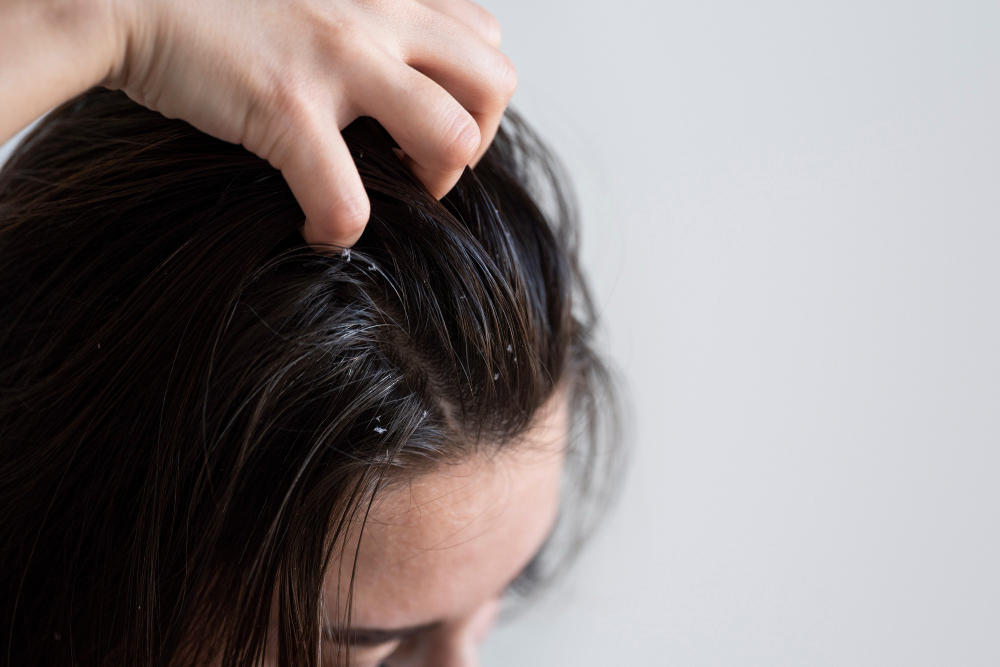
Dandruff is when your scalp skin cells shed faster than normal, causing visible flakes. The primary culprit is a yeast-like fungus called Malassezia, which thrives on scalp oils.
But here is the concern: not all dandruff is the same:
- Dry dandruff appears as small, white, powdery flakes on the scalp.
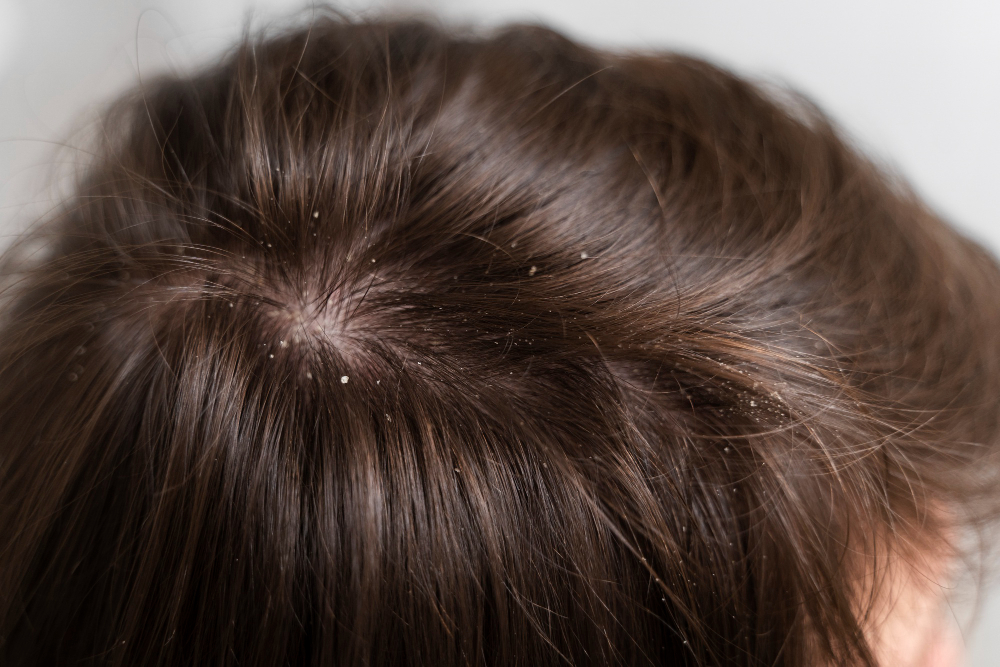
- Oily dandruff looks thicker, yellowish, and sticks to your scalp because of the excess sebum (oil).
Understanding your dandruff type is key to managing oily hair and dandruff effectively.
👉 Check out this guide on dandruff vs. dry scalp for a deeper comparison.

Does Oily Hair Cause Dandruff?
The truth is that oily hair doesn’t directly cause dandruff, but it can worsen the condition.
- Sebum (oil) on your scalp serves as a food source for Malassezia.
- As this fungus breaks down oils, it produces oleic acid, which irritates the scalp.
- This irritation triggers inflammation, itchiness, and—you guessed it—flakes.
📖 Research confirms that increased sebum secretion and an oily scalp play a significant role in developing seborrheic dermatitis, reinforcing the link between oily scalps and dandruff-type conditions.
💡 Tip: If your hair feels greasy quickly and your flakes look oily or yellowish, you’re dealing with oily dandruff. Here’s more on treating oily dandruff.
Evidence-Based Treatments for Oily Hair and Dandruff
If you’re wondering “does oily hair cause dandruff—and how do I fix it?”, here’s what helps most:
1. Medicated Shampoo
Use shampoos with:
- Zinc pyrithione
- Salicylic acid
- Ketoconazole
- Selenium sulfide
Rotate formulas if one stops working. These target Malassezia and help manage sebum, directly helping oily hair and dandruff.
👉 Need help choosing? See: How to choose the right dandruff shampoo.
2. Balanced Wash Routine
- Wash every 2-3 days (or more if you sweat a lot)
- Use lukewarm water; hot water can irritate the scalp
- Avoid harsh shampoos that strip natural oils
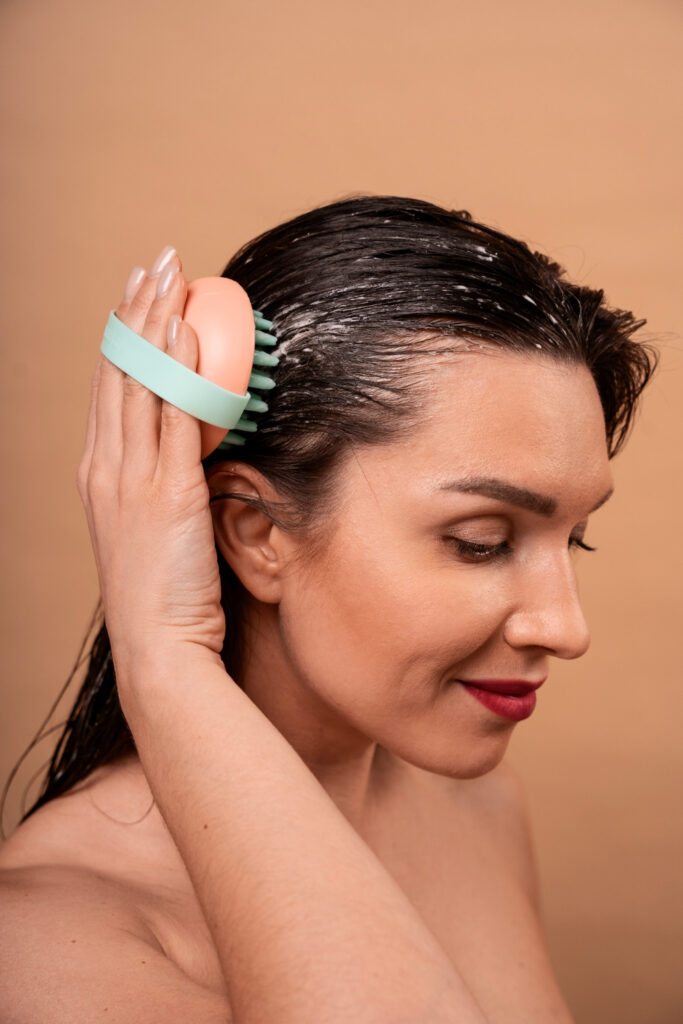
3. Scalp Exfoliation
- Once a week, use a gentle scalp scrub, exfoliating shampoo, or soft-bristled brush
- Removes excess sebum and dead skin
- Helps medicated shampoos work more effectively
4. Lifestyle Tweaks
Dandruff isn’t only about hair products; it’s also influenced by overall health.
- Stress can worsen flaking by disrupting hormone balance.
- Poor sleep may weaken the immune system, making scalp issues flare up.
- A diet high in sugar and unhealthy fats can trigger inflammation, while foods rich in zinc, omega-3s, and B vitamins support scalp health.
Healthy lifestyle habits support scalp health and can prevent worsening of oily hair and dandruff.
👉 Explore more on dandruff control.
Recommended Products for Oily Dandruff
| Product | Best For | Key Ingredients | Price |
|---|---|---|---|
| Nizoral A-D Anti-Dandruff Shampoo | Oily dandruff | Ketoconazole | $$ |
| Head & Shoulders Clinical Strength | Oily, sensitive scalp | Selenium sulfide | $ |
| Neutrogena T/Sal Therapeutic | Oily, flaky scalp | Salicylic acid | $$ |
| La Roche-Posay Kerium DS | Persistent flakes | LHA + Zinc PCA | $$$ |
| Paul Mitchell Tea Tree Special | Oily, itchy scalp | Tea tree oil | $$ |
💧 Tip: Medicated shampoos work best when alternated with gentle, non-stripping cleansers.
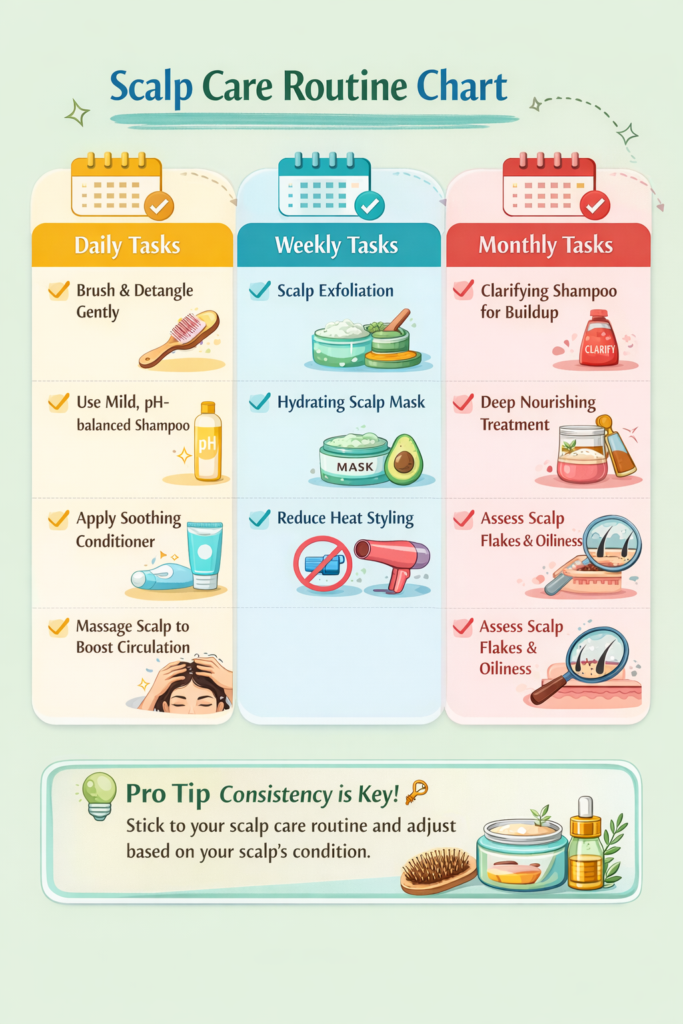
How to Build a Routine for Oily Hair and Dandruff
Step-by-Step Routine:
1️⃣ Medicated shampoo 2–3x/week
2️⃣ Gentle conditioner on ends (avoid roots)
3️⃣ Weekly scalp exfoliation
4️⃣ Leave-in light moisturizer if hair feels dry
5️⃣ Heat protectant before styling
Hair Type Segmentation:
- Fine Hair: Use lightweight shampoos & conditioners
- Thick/Curly Hair: Richer formulas, consider scalp scrubs
- Color-Treated Hair: Use color-safe medicated shampoos
Home Remedies: Support, Not Cure
Natural approaches can complement your dandruff care, but they’re not a substitute for proven medical treatments. Here’s what works best and what to watch out for:
Tea Tree Oil
This essential oil possesses antifungal and antibacterial properties that can help reduce Malassezia growth, the fungus associated with dandruff. Always dilute a few drops in a carrier oil or shampoo before applying, as direct use may cause irritation or allergic reactions.

Apple Cider Vinegar (ACV)
ACV may help rebalance scalp pH and reduce yeast activity, reducing the likelihood of flakes. However, its high acidity can cause scalp dryness or irritation. Always mix with water before applying and limit use to once a week.

Aloe Vera
Known for its soothing and anti-inflammatory effects, aloe vera gel can calm itchiness, reduce redness, and keep the scalp moisturized. For best results, apply pure aloe gel directly to the scalp and rinse after 20–30 minutes.
⚠️ Important Note: Home remedies can offer relief, but they should be viewed as supportive care, not a cure. If you’re dealing with persistent flakes, intense itching, or worsening scalp irritation, it’s time to consult a dermatologist for stronger, evidence-based solutions.
Ready for Personalized Advice?
So, does oily hair cause dandruff? Not directly, but excess scalp oil can create an ideal environment for the fungus that causes flakes.
For severe or persistent dandruff, consulting a dermatologist is the safest way to achieve relief.
If your dandruff is mild, the key is to balance oil control with the right treatments from medicated shampoos to lifestyle tweaks to keep your scalp healthy and flake-free.
Ready for personalized advice and a lasting solution? Book your scalp consultation today.
👉 Book Now.
FAQ
Does an oily scalp always cause dandruff?
No. Having an oily scalp doesn’t automatically cause dandruff. Flaking occurs when excess oil promotes fungal overgrowth, irritating the skin.
Can dry dandruff happen with oily hair?
Yes. Even naturally oily scalps can experience dryness due to weather changes, harsh shampoos, or certain styling products, which can strip moisture and trigger flaking.
How often should I wash oily hair to prevent dandruff?
Washing every 2–3 days usually strikes the right balance. Overwashing can strip natural oils, prompting the scalp to produce even more sebum, while under-washing allows buildup that worsens flakes.
When should I see a dermatologist?
Seek professional advice if dandruff persists after 4–6 weeks of over-the-counter treatments, or if your scalp becomes red, itchy, painful, or inflamed, as these may indicate a more serious condition.
What’s the best treatment for oily hair and dandruff?
The best treatment is to use medicated shampoos, practice gentle scalp care, and maintain a healthy lifestyle.
Can home remedies help with oily hair and dandruff?
Yes, home remedies can help, but only as supportive care; they aren’t a cure for persistent dandruff.