Ever wondered why some shampoos lather like crazy while others barely foam?
It’s all about the sulfates in shampoos, powerful cleansers that can leave hair clean or cause dryness, frizz, and scalp irritation. Curly, color-treated, or sensitive hair may be at risk.
Our guide explains everything you need to know about sulfates in shampoo, common myths, and how to keep your hair healthy, shiny, and strong.
What Are Sulfates in Shampoo & How They Affect Your Hair
Sulfates are cleansing agents (surfactants) that create foam and remove oils and dirt. The most common ones include:
- SLS – Sodium Lauryl Sulfate
- SLES – Sodium Laureth Sulfate
- ALS – Ammonium Lauryl Sulfate
- Sodium Coco-Sulfate
Why are they used?
Sulfates are powerful cleansers, which is why your shampoo bubbles up and leaves your hair feeling clean.
However, their strength can sometimes strip too much natural oil, leaving your hair dry, frizzy, or scalp irritated, especially if your hair is curly, color-treated, or sensitive.
✨ Check your shampoo label for these ingredients if you want to avoid sulfates.
👉 Find out if shampoo is bad for your hair
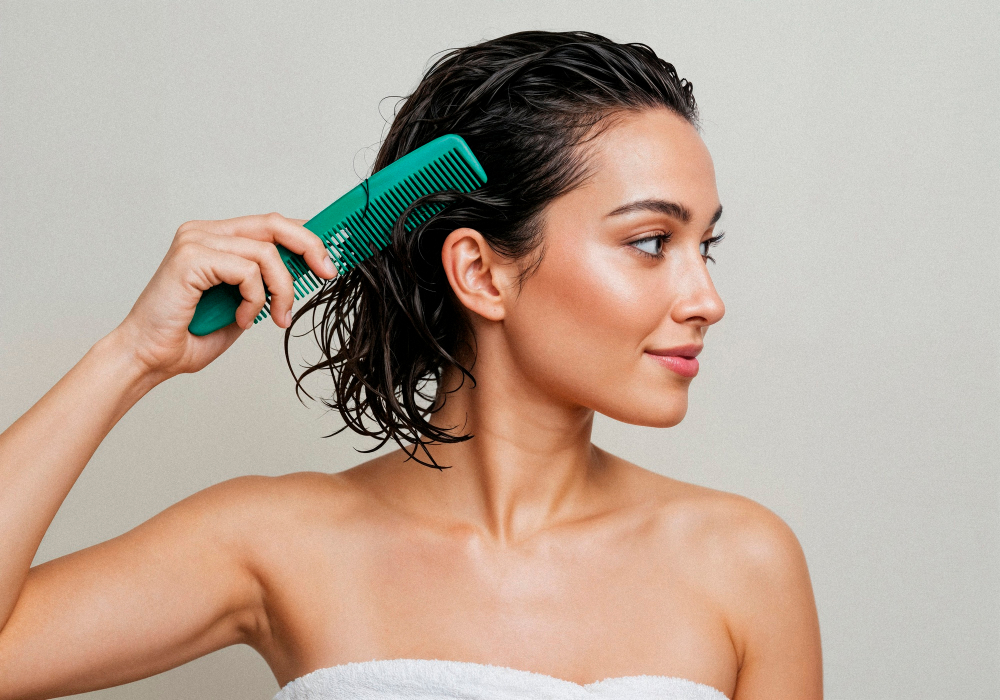
How Sulfates Affect Hair and Scalp: Short-Term vs Long-Term
Sulfates interact with hair in a few ways:
Short-Term Effects
- Hair feels clean and lightweight
- Produces a rich, satisfying lather
- Removes surface dirt and oil
Long-Term Effects
- Dryness & Frizz: Strips natural oils that protect hair
- Color Fade: Accelerates fading in dyed hair
- Scalp Irritation: Can worsen sensitive scalps or conditions such as eczema
Who Is Most Sensitive?
- Curly/Coily Hair: Tends to be drier and needs moisture
- Color-Treated Hair: Susceptible to fading and damage
- Sensitive Scalp: May itch or flare up with strong sulfates
✨ Use sulfate shampoo only occasionally if your hair is healthy and straight, but avoid it if your hair is curly or chemically treated.
👉 For more context on how sodium lauryl sulfate interacts with the skin, check out this study on irritation testing.
Myths vs Facts About Sulfates in Shampoo
There’s a lot of misinformation about sulfates floating around. Let’s clear it up:
| Myth | Fact |
| Sulfates are always bad for hair | Safe for many hair types; it depends on scalp and hair health |
| Sulfate-free shampoos are perfect for everyone | Some hair types may still benefit from mild sulfates occasionally |
| Foaming equals cleaning | Some gentle cleansers can clean effectively without a heavy lather |
✨ Don’t judge a shampoo by how much it foams. Gentle surfactants clean just as well.
👉 Did you know you get 13 different types of shampoo?
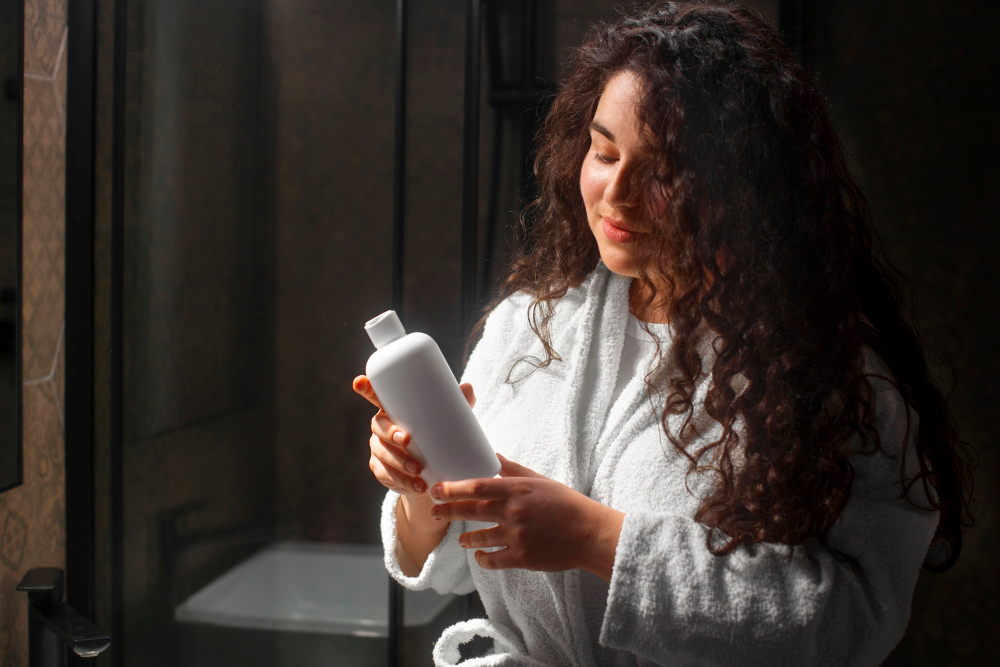
Best Sulfate-Free Alternatives
If your hair or scalp is sensitive, consider sulfate-free shampoos. Some popular mild surfactants include:
- Cocamidopropyl betaine: Mild, often used in baby shampoos
- Decyl glucoside: Very gentle, ideal for fine or sensitive hair
- Sodium cocoyl isethionate: cleans without stripping oils
Benefits:
- Gentle on hair
- Color-safe
- Less scalp irritation
👉 Learn more about no-poo haircare
Drawbacks:
- Less foaming
- May require more rinsing
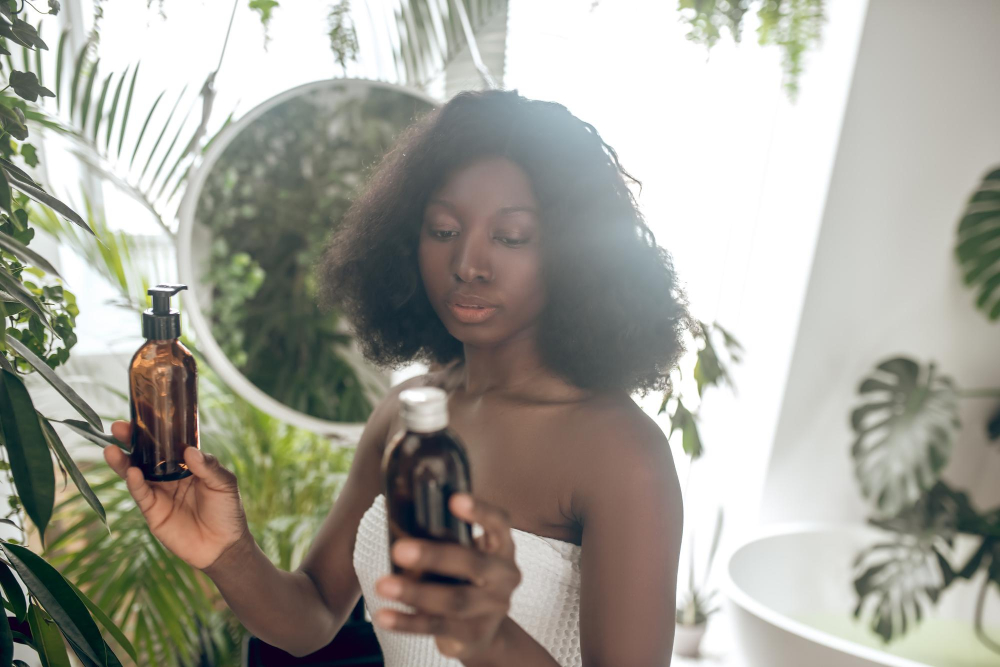
👉 Learn more about microbiome-friendly haircare
Choosing the Right Shampoo for Your Hair Type
Not all hair reacts the same to sulfates. Here’s a detailed guide:
| Hair Type | Sulfate Recommendation | Tips |
| Curly/Coily | Avoid sulfates | Hydrate with leave-in conditioner or oils |
| Wavy | Moderate | Occasional sulfate is okay |
| Straight/Fine | Mild | Don’t overwash; avoid harsh shampoos |
| Oily Scalp | Occasional sulfate | Helps remove excess oil without stripping moisture |
| Color-Treated | Avoid sulfates | Use color-safe products and conditioners |
✨ Always pair shampoo with a conditioner to lock in moisture and protect hair from breakage.
👉 Check out the best shampoos for a dry scalp
Professional Insights from Haste Urban Hair Spa
Our stylists at Haste Urban Hair Spa recommend choosing shampoos based on:
- Hair texture: Curly hair may benefit from sulfate-free products; fine hair may tolerate mild sulfates.
- Scalp health: Sensitive or flaky scalps need gentler cleansers.
- Treatment history: Color-treated, chemically-straightened, or highlighted hair is more vulnerable.
✨ Occasional sulfate use is okay for oily scalps, but always follow up with a nourishing conditioner.
👉 Book your hair consultation at Haste Urban Hair Spa for personalized advice
Transitioning to Sulfate-Free Shampoo
Switching isn’t instant when it comes to sulofates in shampoo. Here’s how to do it:
- Reduce your old shampoo gradually
- Adjust washing frequency to 2–3x per week
- Use a clarifying shampoo once a month to remove buildup
- Introduce hydrating conditioners and masks
- Monitor your hair’s response over 2–4 weeks
✨ Hair may feel waxy at first; it’s normal while your scalp adjusts. Patience is key.
Sulfate vs Alternative Surfactants
| Surfactant | Cleansing Strength | Foaming | Best For |
| SLS | Strong | High | Oily scalp, thick hair |
| SLES | Moderate | High | Most hair types |
| Cocamidopropyl betaine | Mild | Medium | Curly, sensitive, color-treated |
| Decyl glucoside | Mild | Low | Sensitive scalp, fine hair |
✨ Foaming doesn’t always mean cleaner hair. Focus on gentler surfactants if your hair is dry or fragile.
A fact is that not every shampoo works for everyone. Learn more about common haircare mistakes that happen when you pick the wrong shampoo for your hair type.
Take Action: Protect Your Hair Today
Sulfates aren’t the enemy; they need to be matched with your hair type, scalp health, and goals. Whether you want to prevent dryness, maintain color, or find the perfect shampoo for your curls, the right professional advice makes all the difference.
👉 Book your personalized hair consultation at Haste Urban Hair Spa today and get a hair care plan tailored specifically for you.
FAQ
Are sulfates harmful?
Sulfates aren’t inherently harmful to most hair types, but they can irritate sensitive scalps or dry out curly and chemically-treated hair. Choosing the right shampoo based on your hair and scalp type can help prevent issues.
Can I use sulfate shampoo on color-treated hair?
Sulfate shampoos can accelerate color fading by stripping protective oils and pigments. To preserve your color, use a sulfate-free shampoo formulated for color-treated hair.
How do I know if my shampoo contains sulfates?
Check the ingredients list for SLS, SLES, or ALS. These indicate the presence of sulfates, which can help you decide if the shampoo is suitable for your hair type.
How often should I wash my hair if I switch to sulfate-free shampoo?
Typically, 2–3 times per week is sufficient, but it depends on your hair’s oil production and lifestyle. Sulfate-free shampoos allow for gentler cleansing, so you might find you can wash less often without buildup.
Can sulfates damage extensions or wigs?
Yes, sulfates can strip moisture from synthetic or treated hair, causing dryness or frizz. Using gentle, sulfate-free cleansers helps maintain the longevity and shine of extensions or wigs.
Are sulfate shampoos safe for babies or children?
It’s better to choose gentle, sulfate-free formulas for babies and children. Their hair and scalp are more delicate, and mild surfactants help reduce the risk of irritation.