Discover microbiome-friendly haircare: how to support your scalp microbiome, signs of imbalance, and expert tips from Haste Urban Hair Spa for healthy hair.
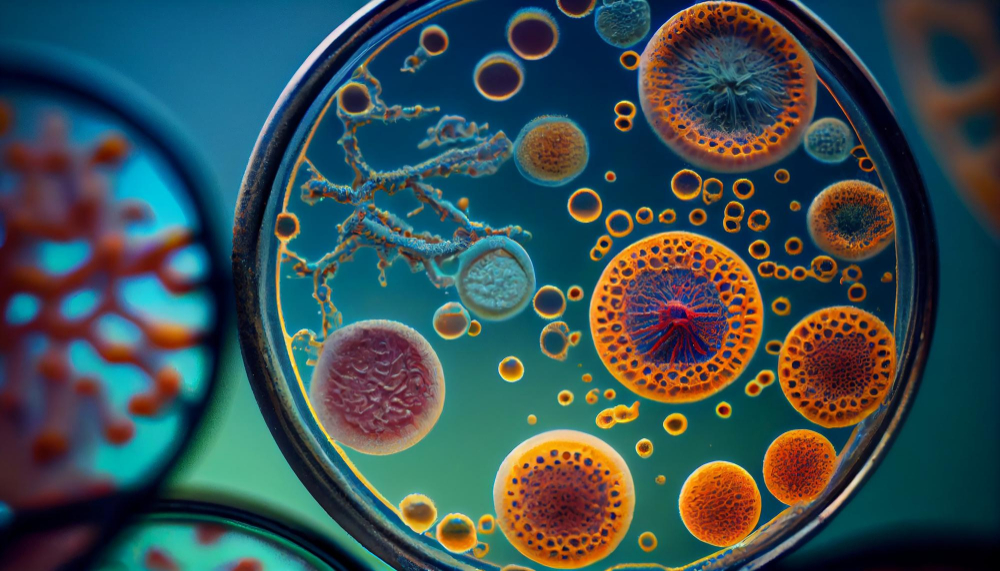
Did you know your scalp is home to billions of microorganisms? This living ecosystem, called the scalp microbiome, plays a huge role in hair growth, scalp health, and your overall appearance.
Traditional haircare focuses on cleaning and styling, but a microbiome-friendly routine helps restore the delicate balance disrupted by harsh shampoos and treatments.
So stay a while longer and learn what this is, the signs your scalp microbiome is out of balance, and get routines with tips to support scalp health.
Understand Your Scalp Microbiome
Your scalp microbiome is a community of bacteria, fungi, and other microorganisms living on your scalp.
While bacteria often have a negative connotation, these microorganisms are essential for:
- Protecting your scalp from harmful pathogens
- Regulating oil production
- Maintaining a balanced pH
- Supporting hair growth and shine
Several factors can affect the microbiome:
- Genetics: Some people naturally have more resilient microbial populations
- Shampoo and hair products: Harsh ingredients can strip away beneficial microbes
- Diet and lifestyle: Hydration, nutrition, and stress levels play a role
- Environment: Pollution and humidity affect microbial balance
🧬 Over-washing or using harsh cleansers can disturb the scalp microbiome, leaving hair dry, itchy, or prone to breakage.
👉 When it comes to starting a microbiome-friendly haircare routine, it helps to know how we analyze your scalp health.
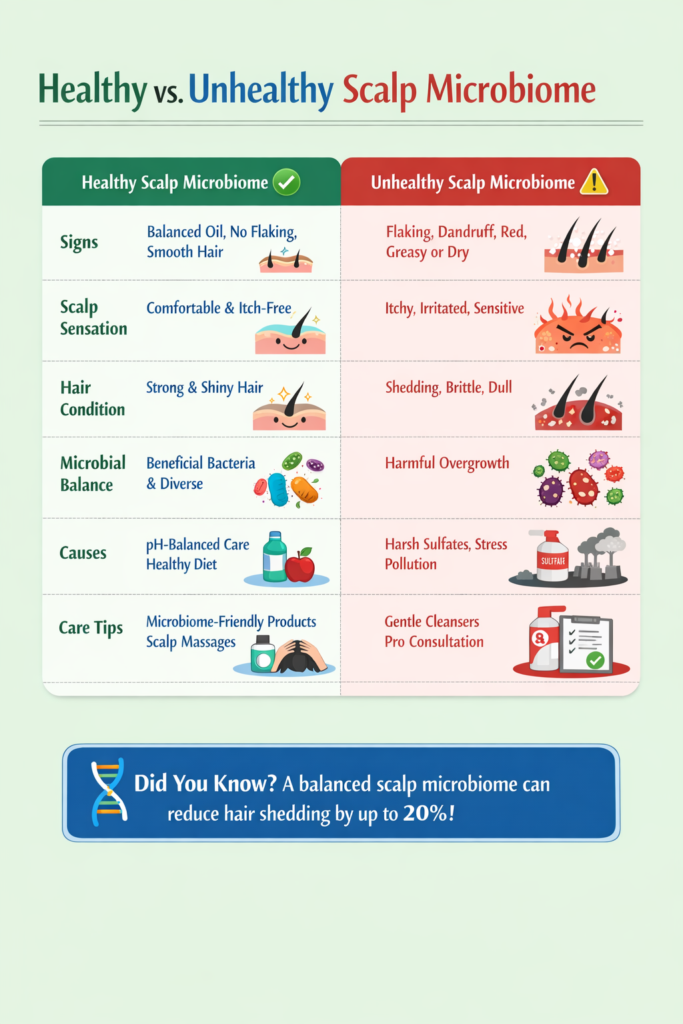
Spot Signs of an Unhealthy Scalp
Your scalp can give you clear signals when the microbiome is out of balance:
- Itching or irritation – often caused by microbial overgrowth
- Flaking or dandruff – indicates imbalance or dryness
- Oily or greasy scalp – may signal overactive sebaceous glands or disrupted microbes
- Hair shedding or slow growth – a stressed scalp affects hair follicles
- Redness or sensitivity – inflammation caused by microbial imbalance
🧬 If you’ve been struggling with dryness, breakage, or lackluster hair, it might be due to hidden mistakes in your routine. Check out our article on common haircare mistakes to see how small changes can protect your scalp microbiome and improve overall hair health.
Causes of imbalance:
- Using shampoos with strong sulfates or harsh chemicals
- Excessive heat styling or chemical treatments
- Stress, poor diet, or lack of hydration
- Environmental pollution
Know The Difference: Microbiome-Friendly Haircare vs Sulfate-Free Haircare
Many people assume sulfate-free automatically means microbiome-friendly haircare, but there’s a difference.
Sulfate-Free Haircare
- Gentle cleansing that avoids harsh sulfates
- Prevents stripping oils
- Limited microbial support
Microbiome-Friendly Haircare
- Cleanses gently like sulfate-free
- Supports microbial balance with probiotics, prebiotics, and pH-optimized formulations
- Helps scalp resist harmful microbes while nourishing hair
👉 Scalp Treatment Process in Six Steps
Sulfate-Free vs Microbiome-Friendly Haircare
| Feature | Sulfate-Free | Microbiome-Friendly |
| Cleansing strength | Gentle | Gentle + supports microbiome |
| pH | Often neutral | pH-optimized for scalp |
| Microbial support | None | Prebiotics & probiotics |
| Long-term scalp health | Moderate | High |
🧬 Look for products labeled “prebiotic” or “microbiome-friendly” for long-term scalp benefits.
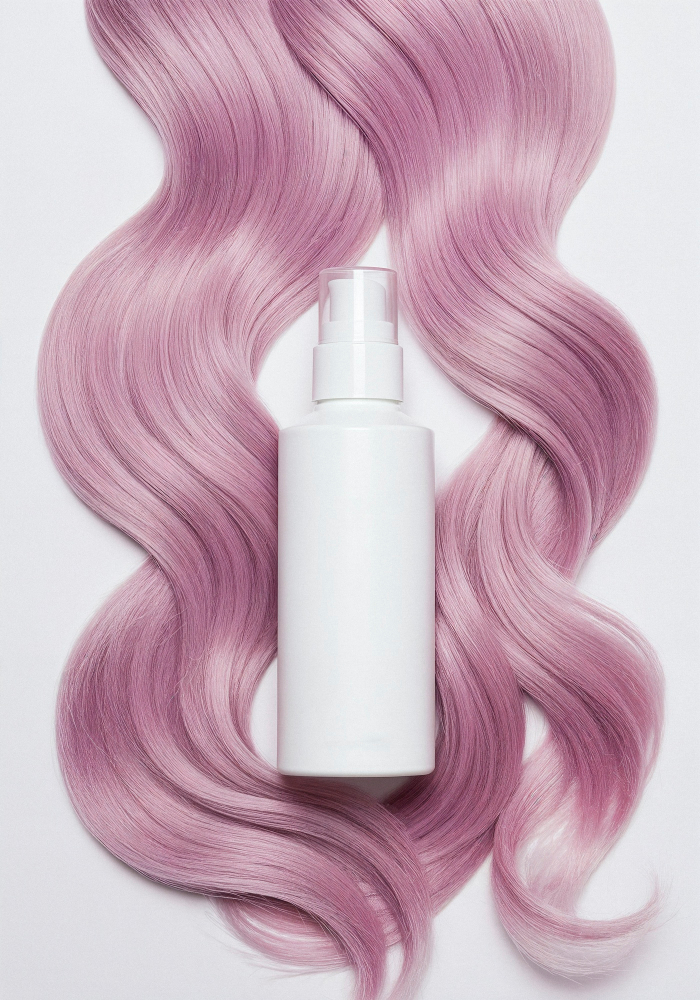
Start Your Microbiome-Friendly Haircare Routine
Transitioning to microbiome-friendly haircare doesn’t have to be complicated. Here’s a step-by-step routine:
- Choose pH-balanced, mild cleansers – prefer prebiotic shampoos to support microbial health
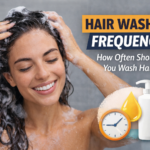
- Wash 2–3x per week – avoid over-washing, which can disrupt your microbiome
- Use scalp-friendly conditioners and leave-ins – opt for nourishing, microbiome-supporting formulas
- Limit heat styling and chemical treatments – heat and chemicals damage the scalp barrier
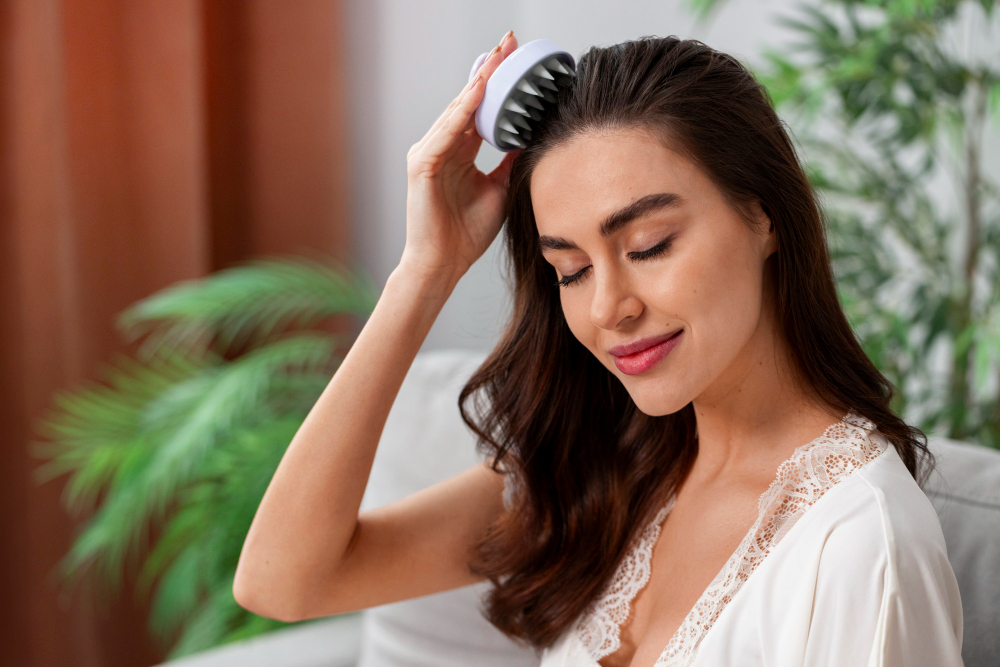
- Massage your scalp regularly – boosts circulation and microbial balance
🧬 Rotate products gradually. Abrupt changes can shock the scalp and disturb its microbiome.
👉 Book a professional scalp consultation at Haste Urban Hair Spa to create a routine tailored to your hair.
Adopt Scalp Care Best Practices
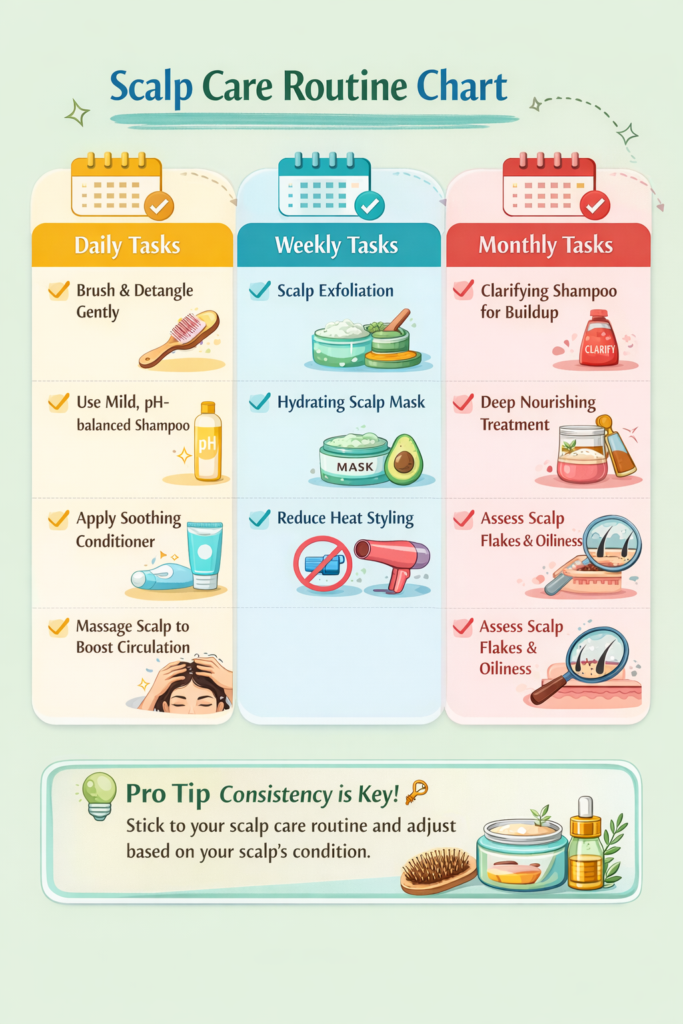
Beyond products, overall scalp care is crucial. Consider adding these practices:
- Weekly deep-cleansing and hydration – microbiome-friendly masks or oils
- Avoid harsh ingredients – sulfates, heavy silicones, and alcohol-based styling products
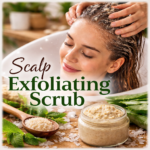
- Scalp exfoliation – gentle scrubs to remove buildup without disrupting microbes
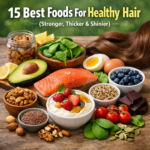
- Diet & lifestyle support – hydration, protein, vitamins, and stress management
Get Professional Insights
Our stylists recommend:
- Analyzing scalp microbiome using in-salon assessments
- Recommending products with prebiotics and pH balance for each scalp type
- Personalized routines for dandruff, oily scalp, or sensitivity
🧬 Even if your hair looks fine, an imbalanced microbiome can silently cause long-term damage. Professional analysis ensures targeted care.
👉 How to Maintain Scalp Health
Take Control of Your Scalp Health
A healthy scalp microbiome is the foundation for strong, shiny, and resilient hair.
Microbiome-friendly haircare goes beyond cleansing; it supports your scalp’s natural ecosystem, reduces irritation, and promotes growth.
👉 Book your personalized scalp consultation at Haste Urban Hair Spa today and discover a haircare plan designed specifically for your scalp and hair type.
FAQ
What is a microbiome-friendly shampoo?
It’s a shampoo formulated to clean gently while supporting your scalp’s microbial balance. Look for prebiotic or probiotic ingredients and pH-optimized formulas.
How do I know if my scalp microbiome is unhealthy?
Common signs include itching, flaking, oiliness, hair shedding, or redness. If multiple symptoms persist, your scalp may need professional assessment.
Can sulfates harm the scalp microbiome?
Yes. Sulfates strip natural oils, disrupting the microbial balance and leaving your scalp vulnerable to irritation or dryness.
How often should I wash my hair to maintain microbiome health?
Typically 2–3 times per week. Over-washing can strip beneficial microbes, while under-washing can lead to buildup.
Are there DIY ways to support my scalp microbiome?
Gentle scalp massages, avoiding harsh chemicals, and using natural prebiotic ingredients can help. But professional guidance is best for personalized routines.
How does diet affect scalp microbiome health?
Hydration, protein, vitamins, and probiotics help maintain microbial balance, which can translate into stronger, shinier hair.