January 14, 2025
Air Drying or Blow Drying: Which is Better?
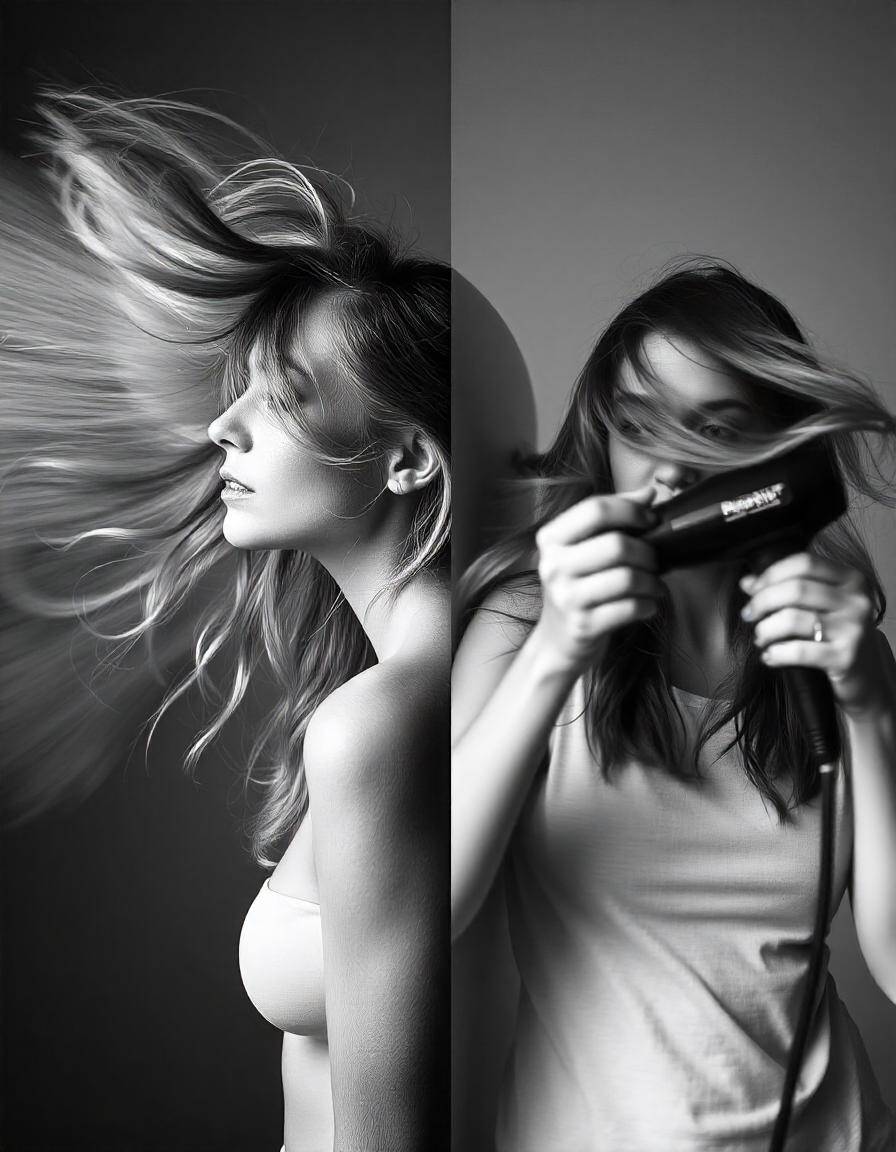
When it comes to drying your hair, the big question is always the same: air drying or blow drying, which is better for your hair?
Many people believe air drying is always healthier because it avoids heat.
Others swear their hair looks smoother, shinier, and more manageable after a blow-dry. Which method causes less damage?
The truth might surprise you. According to professional stylists, it’s not about whether you air-dry or blow-dry; it’s about how you do it. Let’s break it down.
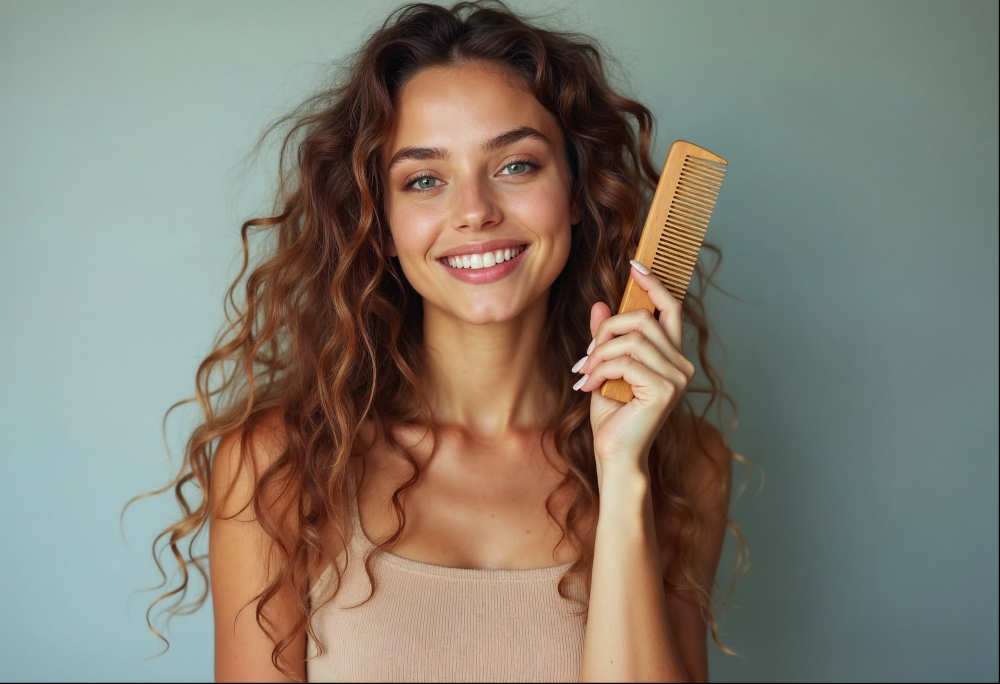
Which One is Better, Air Drying or Blow Drying?
The short answer: neither method is automatically better.
A common myth is that air drying is always the healthiest option. In reality, leaving hair wet for too long can weaken it, while gentle blow-drying, when done correctly, can reduce damage.
Here’s why 👇
- Hair can absorb up to 30% of its weight in water, causing strands to swell
- When hair is wet, hydrogen bonds break, making it more fragile
- Prolonged wetness stretches the hair fiber, increasing breakage risk
A study from Yonsei University (Korea) found that:
- Hair left to air-dry for long periods showed more cell membrane damage
- Proper blow-drying techniques caused less structural damage
Treat wet hair with care — learn more about common haircare mistakes and how handling your hair roughly can cause breakage
💡 Stylist Tip: Blow-drying on low heat and low speed until hair is about 90% dry is often safer than leaving it soaking wet for hours.
Air Drying vs Blow Drying: Quick Comparison
| Feature | 🌿 Air Drying | 💨 Blow Drying |
|---|---|---|
| Heat Exposure | None | Low–high (depends on settings) |
| Drying Time | Slow | Fast |
| Hair While Drying | Stays weak for longer | Dries faster, reducing wet-hair stress |
| Frizz Control | Can increase frizz | Better smoothing when done correctly |
| Shine & Finish | Natural, soft | Sleeker, more polished |
| Best For | Curly, fragile, or damaged hair | Straight, thick, or frizz-prone hair |
| Risk Factors | Breakage if left wet too long | Heat damage without protection |
| Overall Verdict | Gentle but slower | Safe when heat is controlled |
👉 Stylist takeaway: Technique matters more than the method. Low heat, a heat protectant, and proper handling make blow-drying just as safe and sometimes safer than air-drying.
Pros And Cons of Air Drying or Blow Drying
When deciding between air drying or blow drying, air-drying uses no heat and is healthier. However, blow-drying can also damage hair.
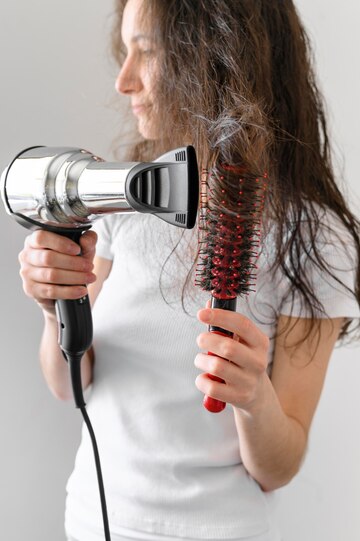
Pros And Cons of Air Drying
Air-drying can be effective when done right.
Pros
- No direct heat damage
- Low effort and time-saving
- Ideal for enhancing waves or curls
Cons
- Hair stays fragile while wet
- Thick hair takes longer to dry
- Uneven drying can cause frizz
✍️ Did you know? Strengthening treatments like the Kérastase Caviar Treatment can help protect hair from moisture-related damage and aging.
Pros And Cons of Blow Drying
Blow-drying offers more control but only if you protect your hair.
Pros
- Smooth, polished finish
- Faster drying reduces wet-hair stress
- More styling precision
Cons
- Heat damage without protection
- Can cause frizz with poor tools or technique
💡 Stylist Tip: Always use a heat protectant and finish with a cool-air blast to seal the cuticle.
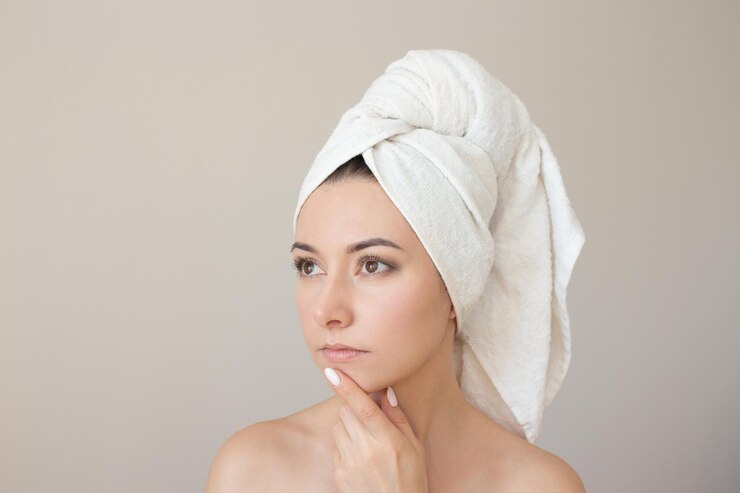
When Should You Air Dry or Blow Dry?
The choice between air drying and blow drying depends on your hair’s health.
Choose Air Drying If:
- Your hair is severely damaged or over-processed
- You want to enhance natural curls or waves
- You’re using leave-ins or curl creams
💡 Apply a hair balm or leave-in conditioner while hair is damp for best results.
Choose Blow Drying If:
- You want smoother, longer-lasting styles
- Your hair gets weighed down when air-dried
- You’re short on time
💡 Keep heat low and use heat-activated styling products for protection and shine.
👉 Learn more about the must-have winter hair care products to add to your routine
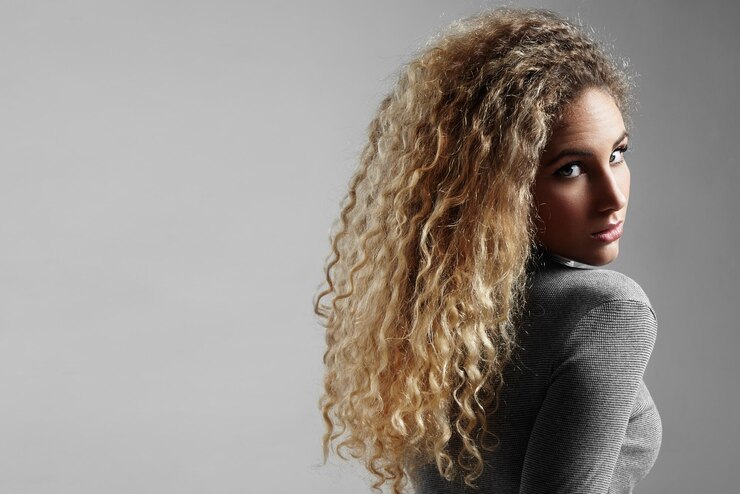
What is Better For Frizzy Hair?
When it comes to air drying or blow drying, both methods can work, but the outcome depends on the technique used. Both can tame curly hair.
Blow Drying for Frizz
- Smooths the cuticle faster
- Can worsen frizz with high heat
Best practice:
- Use heat protectant
- Keep the dryer on low heat
- Use a nozzle or diffuser
Air Drying for Frizz
- Preserves moisture
- May lack a smoothing effect
💡 Use a leave-in conditioner or anti-frizz serum on damp hair. Applying oil before washing can also smooth the cuticle.
👉 Discover more tips for heatless hair styling here.
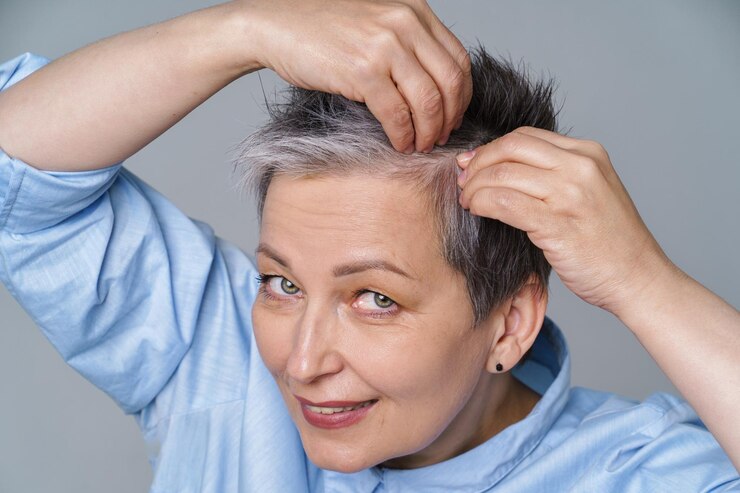
Air Drying, Blow Drying & Hair Loss
Whether air drying or blow drying, neither method directly causes hair loss; damage results from improper handling.
Air Drying Risks
- Increased tangling
- Breakage if hair is rubbed or brushed wet
Blow Drying Risks
- Heat damage without protection
- Weakening strands over time
💡 Pro Tip:
- Always protect before using heat
- Use a microfiber towel
- Detangle gently

Best Way to Dry Curly Hair
Gentle techniques refine natural curl patterns and minimize damage to curly hair. Pat your hair dry with a microfiber towel, then apply a leave-in conditioner to keep it hydrated.
You can also use the plop method. Wrap your hair in a towel for up to 45 minutes to enhance your curls.
The best way to maintain moisture and reduce frizz is to air-dry. Still, you can quickly dry your hair with a diffuser attachment on a hair dryer set to low to medium heat.
The diffuser will help distribute the heat and reduce frizz. When your hair is dry, you can scrunch it with a small amount of oil or a curl cream.
Then sleep on silk or satin pillowcases and get regular trims with deep-conditioning treatments.
Which is Better for You?
There’s no one-size-fits-all answer. Whether you air-dry or blow-dry, both can offer outstanding results.
Air-drying is healthier because it does not use heat; however, blow-drying is beneficial if you want to achieve a specific style.
However, it is important to use a heat protectant before styling with heat tools.
It all depends on how you do it and what products you choose to style your hair.
For a professional blow-dry, visit us at Haste Hair today or drop by to discuss your haircare needs.
FAQ
Is drying your hair naturally better?
Air drying is not always the best option, as it can cause hair damage. Blow-drying is gentler on hair but can cause heat damage over time. It all comes down to how you execute it.
What is better for oily hair: air-drying or blow-drying?
Blow-drying is better than air-drying oily hair. When you air-dry your oily hair, more bacteria can build up while it’s still wet in a warm environment. Blow-drying distributes sebum more evenly as you lift the hair away from the scalp, leaving it less oily.
How often can I use a blow dryer on my hair?
It is best to avoid blow-drying brittle or damaged hair, but if your hair is healthy, you can blow-dry it three times a week.
Medford, MA
Hāste Urban Hair Spa