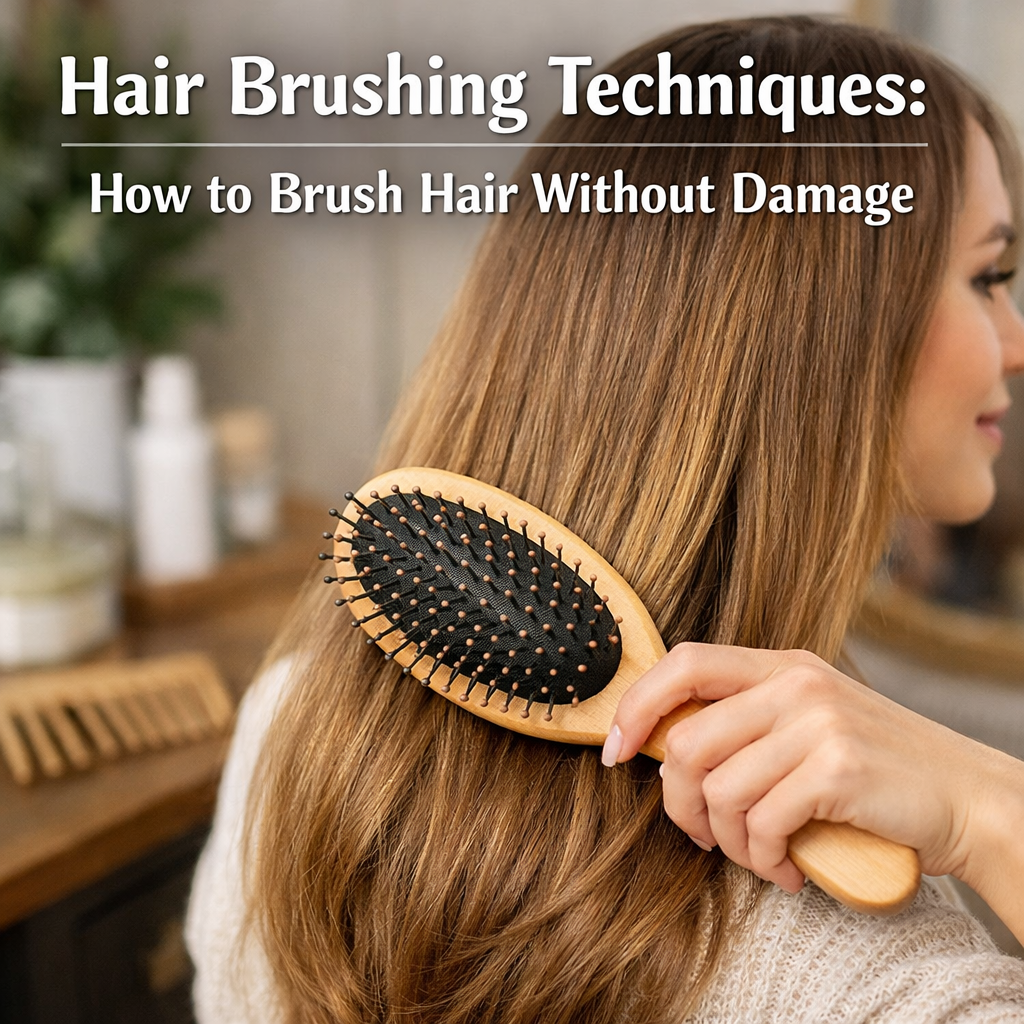
Brushing your hair seems simple, right? But done incorrectly, it can cause breakage, frizz, and even hair loss over time.
You brush your hair daily, yet still struggle with damaged strands because you’re using the wrong hair brushing techniques.
Here’s the truth: hair brushing techniques matter more than you think. Poor brushing habits can lift the hair cuticle, weaken strands, and lead to hair fall.
💇♀️ Brushing your hair shouldn’t cause damage, but for most people, it does.
Learning how to brush your hair properly is one of the easiest ways to protect it, improve shine, and prevent long-term damage.
It starts with understanding what’s happening to your hair when you brush it.
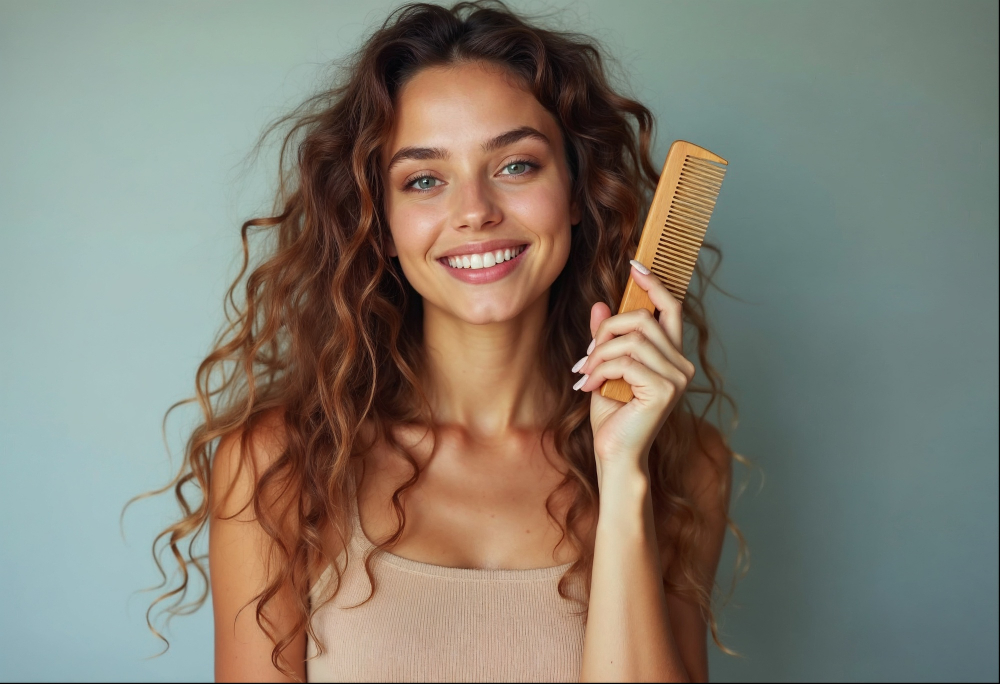
What Happens When You Brush Hair Incorrectly
Using the wrong hair brushing techniques doesn’t just cause tangles; it damages your hair’s structure.
Common Effects of Brushing Hair Wrong:
- Cuticle damage: leads to frizz and split ends
- Mechanical stress: causes strands to snap
- Brushing wet hair: hair stretches and breaks easily
🚫 Learn more about hair damage
🔬 The Science Behind It: Hair is made of keratin protein and held together by hydrogen bonds. When hair is wet, these bonds weaken, making strands more elastic but more fragile.
That means:
👉 Hair is strongest when dry
👉 Hair is most vulnerable when wet
Applying force while brushing, especially on tangled or wet hair, stretches and breaks those protein bonds, leading to visible damage over time.
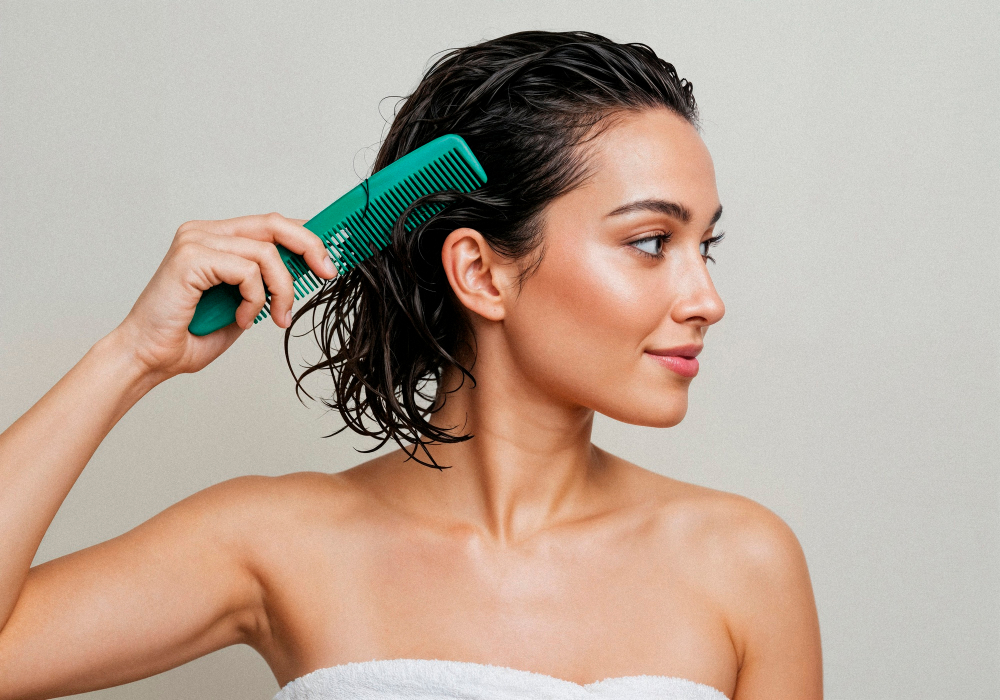
Wet vs Dry Hair: When Should You Brush?
When it comes to hair brushing techniques, understanding when to brush is important as well as how.
Avoid This:
- Brushing soaking wet hair with a regular brush
- Pulling through knots when hair is fragile
Do This Instead:
✅ Use a wide-tooth comb or detangling brush on damp hair
✅ Brush your hair before washing, not after
🧴 Apply conditioner and gently detangle your hair in the shower. It helps reduce friction and helps the brush glide through strands more easily.
👉 When you time your brushing routine correctly, it can prevent major breakage – learn more about other causes damaging your hair here.
Step-by-Step Hair Brushing Techniques
If you want to reduce breakage, improve shine, and protect your hair, follow these steps every time you brush.
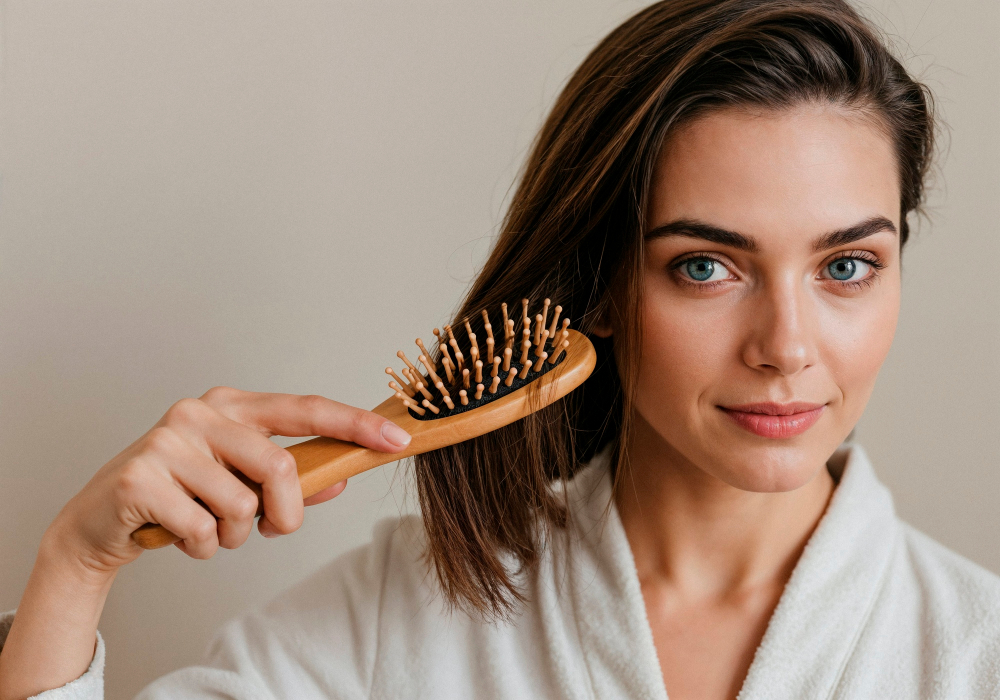
Step 1: Start at the Ends (Never the Roots)
Always begin brushing at the bottom of your hair, not the scalp.
Why? Knots tend to gather at the ends. If you start at the roots, you’ll drag those knots downward, causing tension and breakage.
💇♀️ Hold your hair in sections and gently work through the ends first before moving upward.
Step 2: Work Upward in Small Sections
Once the ends are smooth, gradually move your way up toward the roots in small sections.
Why this matters: Brushing in sections prevents you from forcing the brush through multiple tangles at once, which is one of the biggest causes of damage.
💇♀️ If you hit a knot, stop and gently loosen it with your fingers instead of pulling through it.
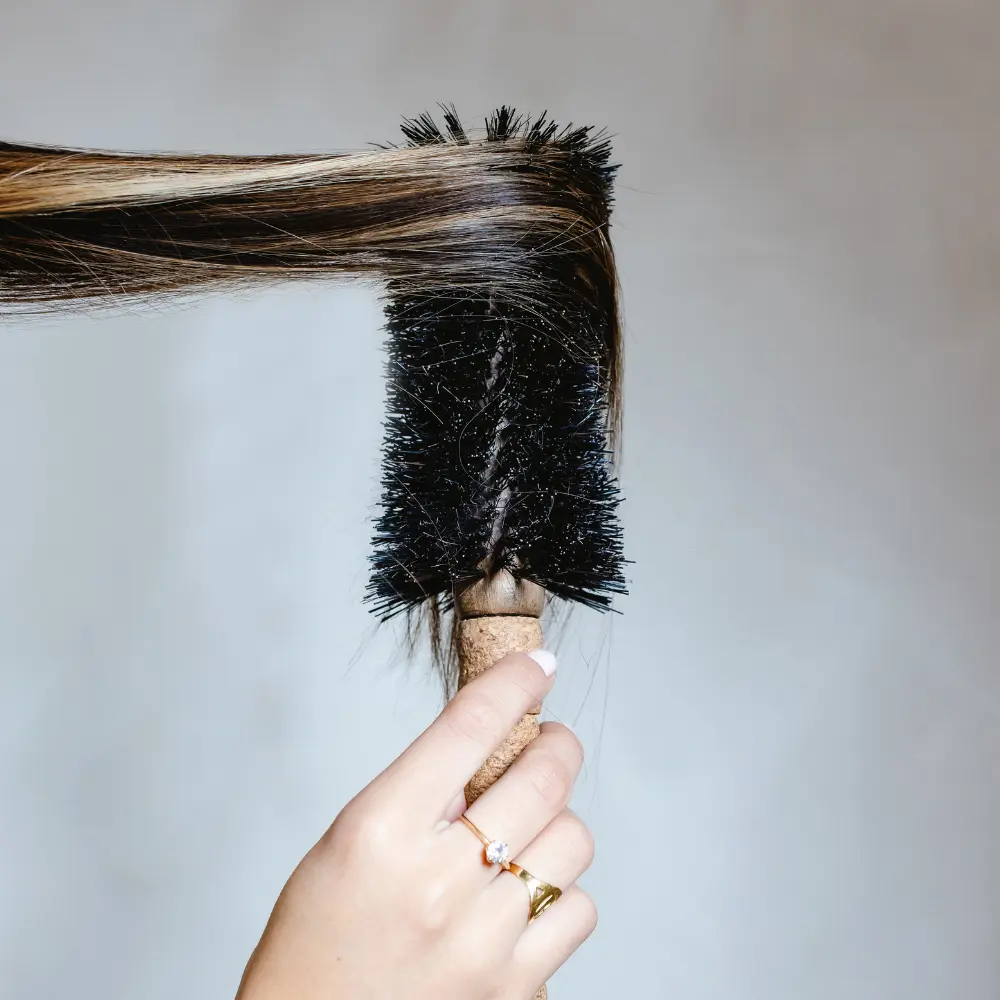
Step 3: Use Gentle, Controlled Strokes
Brushing should feel smooth, not aggressive.
Avoid:
- Fast, forceful strokes
- Yanking through tangles
- Repeated brushing over the same knot
Why? Excess force stretches the hair shaft and weakens the cuticle, leading to frizz and split ends.
✅ Rule of thumb: If you hear snapping or feel resistance, slow down.
Step 4: Support the Hair at the Roots
Place one hand near your scalp while brushing to hold the hair in place.
Why this works: It reduces tension on the roots and prevents unnecessary pulling on your scalp and strands.
It is especially important for:
- Long hair
- Fine or fragile hair
- Detangling knots
Step 5: Brush Only When Necessary
More brushing doesn’t mean healthier hair, especially with hair brushing techniques:
Over-brushing can:
- Cause breakage
- Disrupt natural oils
- Lead to frizz
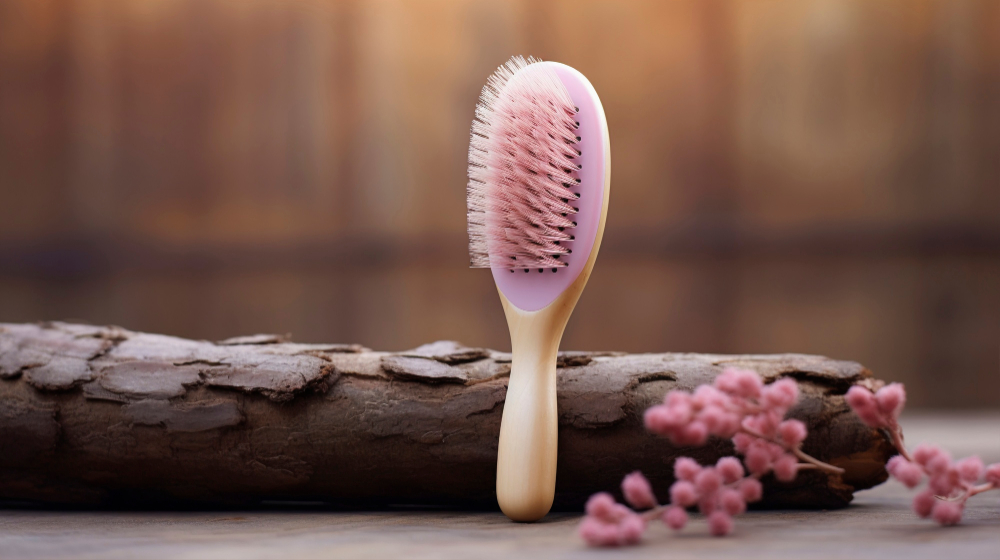
💇♀️ Best practice: Brush your hair only when you need to detangle or style, not out of habit.
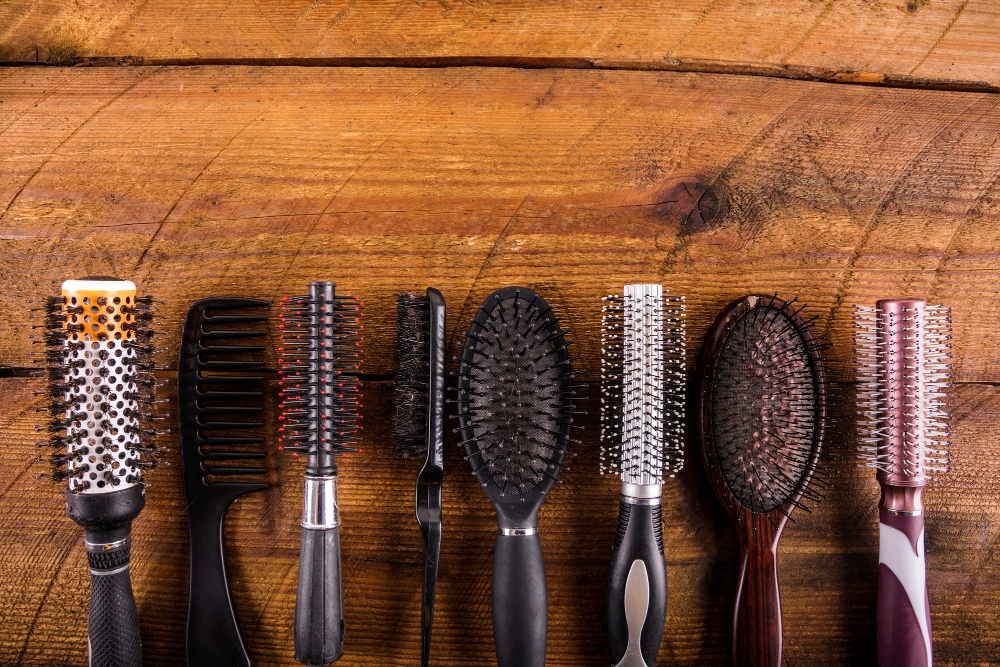
Step 6: Choose the Right Brush for the Situation
Technique alone isn’t enough; your tool matters too.
- Use a detangling brush for knots
- Use a wide-tooth comb for wet or curly hair
- Use a boar bristle brush for smoothing and shine
💇♀️ Using the wrong brush can undo even the best technique.
👉 Learn more about how to clean your hairbrush to keep your scalp and hair healthy
Step 7: Adjust Based on Hair Condition
Your brushing method should change depending on your hair’s state.
- Dry hair: Ideal for brushing and styling
- Damp hair: Be extra gentle and use the right tools
- Very tangled hair: Always detangle first with fingers
Think of brushing as a custom routine, not a one-size-fits-all step.

How Hair Brushing Techniques Change by Hair Type
While the core method of how to brush hair properly stays the same (ends → up → gentle), your hair type determines how often, when, and what tools you should use.
Curly Hair — Brush Less, Detangle More
Curly hair is naturally drier and more fragile, so that traditional brushing can cause frizz, breakage, and loss of curl definition.
✅ Best approach:
- Detangle only when wet or damp
- Use a wide-tooth comb or fingers
- Always apply conditioner or leave-in product first
❌ Avoid:
- Brushing dry curls (causes frizz explosion)
- Fine-bristle brushes
💇♀️ Pro Tip: Think detangle, not brush.
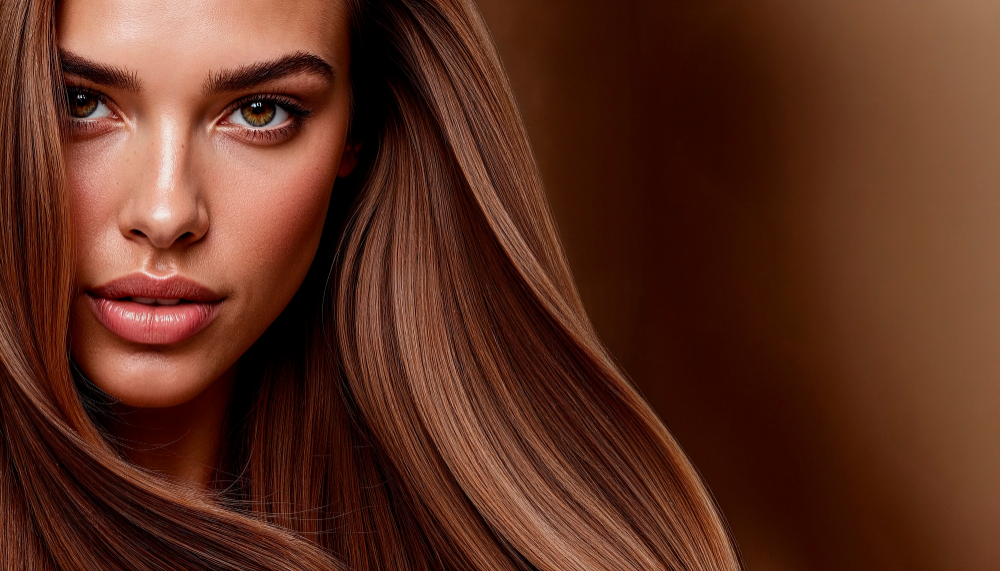
Straight Hair — Gentle Daily Brushing Works
Straight hair distributes oils more easily, so brushing can actually improve shine and smoothness.
✅ Best approach:
- Brush on dry hair
- Use a paddle brush or boar bristle brush
- Follow the ends-to-roots method
❌ Avoid: Over-brushing (can make hair oily faster)
💁♀️ Bonus: Straight hair benefits the most from proper brushing techniques.
Long Hair — Sectioning Is Everything
The longer your hair, the more likely it is to tangle and break, especially at the ends.
✅ Best approach:
- Always divide hair into sections
- Spend extra time on the ends (the oldest, weakest part)
- Use a detangling brush or paddle brush
❌ Avoid:
- Brushing large sections all at once
- Pulling knots downward
💁♀️ Pro Tip: Most breakage in long hair happens because people rush this step.

Short Hair — Less Brushing, More Styling
Short hair tangles less, so brushing is more about styling than detangling.
✅ Best approach:
- Use a soft brush or comb
- Brush lightly to shape and smooth
❌ Avoid: Over-brushing (not needed and can irritate the scalp)
💁♀️ Tip: Focus on scalp health rather than detangling.
Fine vs Thick Hair — Technique Adjustments
Fine Hair:
- More prone to breakage
- Use soft bristles and minimal force
- Avoid over-brushing
Thick Hair:
- More resistant but tangles easily
- Use sectioning + stronger detangling tools
- Take your time to avoid hidden knots
Quick Takeaway: No matter your hair type, the golden rule stays the same:
👉 Be gentle, start at the ends, and never force the brush through knots.
But how often you brush, when you brush, and what you use should always match your hair type.

Best Hair Detangling Techniques (Without Breakage)
Before brushing, proper detangling is essential — especially for preventing damage.
✔️ Best Hair Detangling Techniques:
- Start with finger detangling (especially for curly or textured hair)
- Section your hair to make it manageable
- Use a leave-in conditioner or detangling spray
- Work in small sections from ends to roots
⚠️ Detangling Mistakes That Cause Breakage:
- Rushing through knots
- Detangling dry, tangled hair without product
- Using force instead of patience
👉 This is a major content gap: most guides skip pre-brushing detangling, but it’s where most damage actually happens.

Choosing the Right Brush for Your Hair Type
Not all brushes are created equal, and using the wrong one can cause damage even with good technique.
Brush Comparison Table:
| Brush Type | Best For | Key Benefit |
| Boar Bristle Brush | Fine to normal hair | Distributes natural oils for shine |
| Paddle Brush | Long, straight hair | Smooths and detangles large sections |
| Detangling Brush | Wet or fragile hair | Minimizes breakage |
| Wide-Tooth Comb | Curly or thick hair | Gently removes knots |
Hair Type Guide:
- Curly hair: Wide-tooth comb + finger detangling
- Fine hair: Soft bristle brush
- Thick hair: Paddle or detangling brush
- Damaged hair: Always use gentle, flexible bristles
👉 Knowing when to use each tool is what most articles miss and what protects your hair long-term.
Benefits of Brushing Hair the Right Way
Using proper hair brushing techniques comes with real benefits:
- Smoother, shinier hair
- Natural oil distribution (acts like a conditioner)
- Fewer tangles and knots
- Improved scalp circulation
Myth Busted: Brushing your hair 100 strokes a day is outdated and unnecessary.
👉 Over-brushing can actually cause more harm than good.
Common Hair Brushing Mistakes to Avoid
Avoid these common hair brushing mistakes to protect your strands:
- Brushing wet hair aggressively
- Starting from the roots
- Using the wrong brush for your hair type
- Over-brushing throughout the day
- Ignoring knots and pulling through them
💁♀️ Quick Tip: If brushing hurts — you’re doing it wrong.

Bonus: Morning vs Night Brushing Routine
🌞 Morning Routine:
- Light brushing to smooth and style
- Focus on surface-level detangling
🌙 Night Routine:
- Gently detangle hair
- Prep for sleep with a loose braid or bun
💁♀️ Pair this with a nighttime routine to prevent damage while sleeping for even better results.
Simple Routine for Healthier Hair
Healthy hair doesn’t require complicated routines, just smarter hair brushing techniques.
Your 3-Step Routine:
- Detangle gently
- Use the right brush
- Avoid brushing wet hair
Small changes in your brushing routine can dramatically reduce breakage and improve hair health over time.
👉 Not sure what your hair needs? Book a consultation at Haste Urban Hair Spa and get expert advice tailored to your hair type.
FAQ
Is brushing hair every day good or bad?
Brushing your hair every day depends on your hair type; over-brushing can cause breakage, so only brush when needed.
Can brushing hair cause hair loss?
No, brushing your hair doesn’t cause hair loss, but improper brushing can cause breakage that looks like hair loss.
Should you brush hair wet or dry?
Brushing dry hair is safer as wet hair is more fragile and prone to damage.
What is the best brush for preventing breakage?
A detangling brush or wide-tooth comb works best for fragile hair to prevent breakage.
How often should you brush your hair?
Only brush your hair as needed; avoid excessive brushing as it can do more harm than good.