October 24, 2024
Hair Mask and Deep Conditioners: Important Tips & Uses
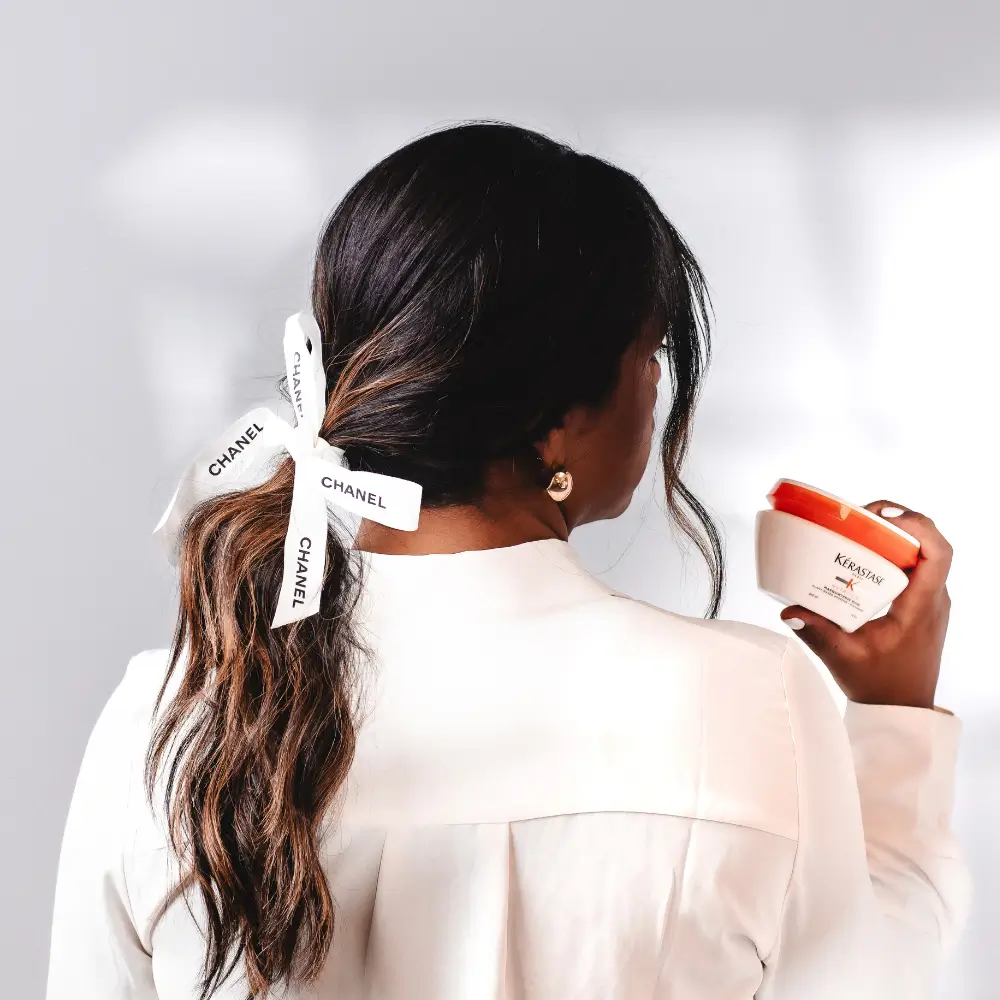
Confused about a hair mask and deep conditioners? Both improve hair health, but they serve different purposes. Hair masks penetrate to repair and nourish, while deep conditioners hydrate and soften the hair’s outer layer. Knowing when and how to use each ensures your hair stays strong, shiny, and manageable.
Hair Mask and Deep Conditioner: Quick Comparison
| Feature | Hair Mask | Deep Conditioner |
|---|---|---|
| Main Purpose | Deep repair & restoration | Moisture & softness |
| Texture | Thick & rich | Lightweight & creamy |
| Penetration | Into the hair shaft | Coats cuticle |
| Frequency | 1–2× per month | Weekly |
| Best For | Damaged, dry, color-treated hair | Normal to dry hair |
| Can Replace Conditioner? | ❌ No | ❌ No |
💡 Tip: If your hair feels rough after moisturizing, you likely need a mask. If it feels dry between washes, a deep conditioner is your best friend.
👉Learn more about how hard water affects your hair when it comes to moisture and techniques for dry ends and oily scalp
What is a Hair Mask?
A hair mask is a thick treatment designed to penetrate the hair shaft, repair damage, nourish, and restore moisture to dry or damaged hair.
Typically, hair masks contain concentrated ingredients such as proteins, oils (e.g., coconut and argan), and vitamins that strengthen hair from within.
Masks are usually applied less frequently, about once or twice a month, for care.
💡 Tip: Look for masks with natural ingredients like keratin, shea butter, or avocado oil for extra nourishment. For maximum hydration and repair, alternate between a hair mask and deep conditioners based on your hair’s needs
👉 For detailed tips on deep conditioning and its benefits for your hair, visit our deep conditioning guide.
👉 For intense hydration, try our specialized hydrating hair treatments that replenish moisture and strengthen hair.
What is a Deep Conditioner?
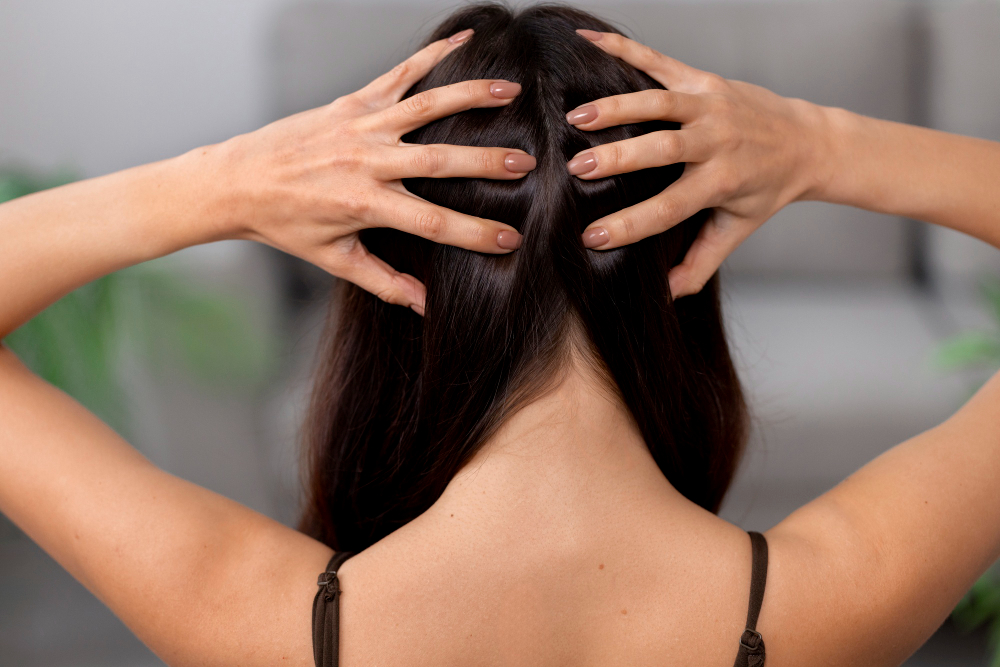
A deep conditioner is lighter in texture than hair masks and coats the hair’s outer layer (cuticle). It focuses on providing surface moisture and improving manageability.
Deep conditioners often contain humectants and oils that soften the hair and are ideal for weekly use as part of a regular maintenance routine.
💡 Tip: Use a deep conditioner weekly, especially after heat styling or chemical treatments, to maintain softness and shine. Check out these great products from Kerastase.
👉 Related Read: Hot Oil vs Warm Oil vs Deep Conditioning and Must-Have Winter Hair Care Products
Scientific Insight
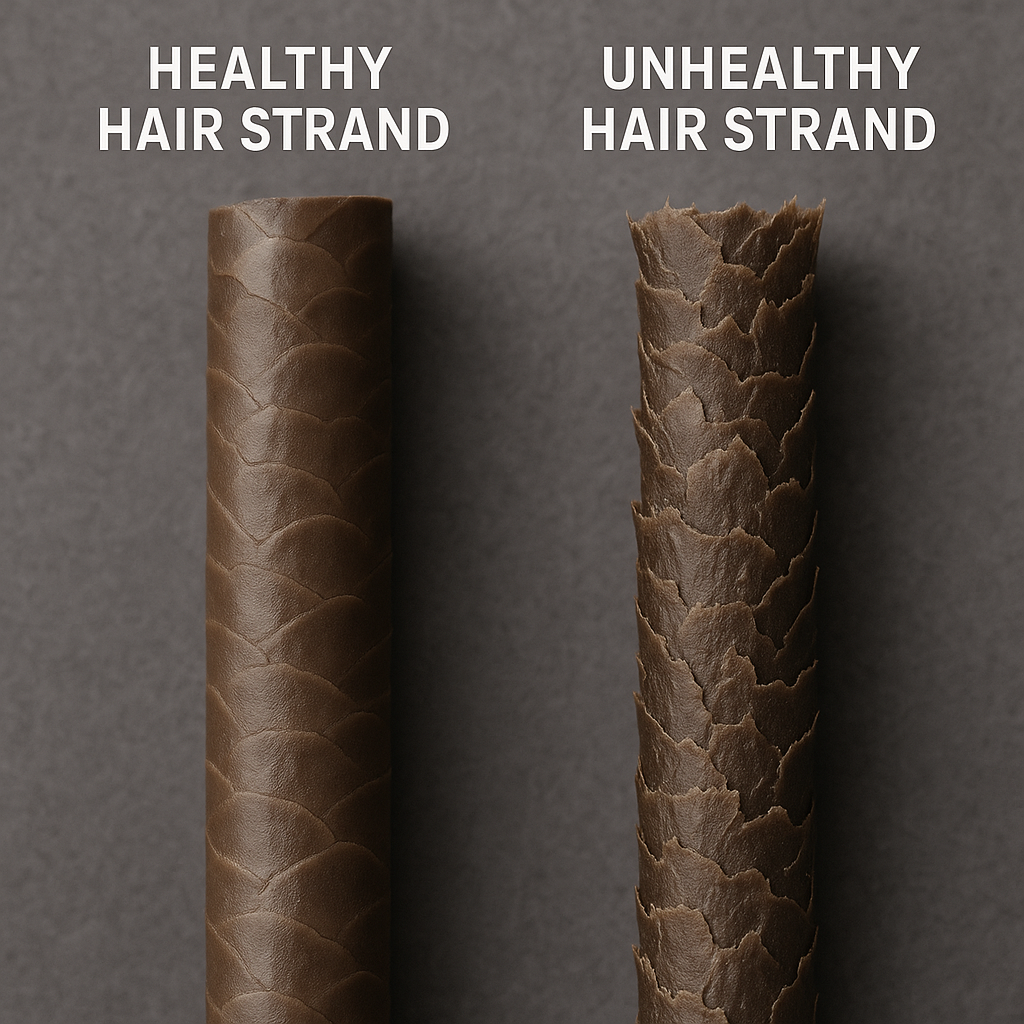
The hair strand consists of an outer protective cuticle and an inner cortex.
Hair masks are formulated to penetrate the cortex, repairing internal damage and replenishing amino acids lost due to styling or chemical treatments.
Deep conditioners mainly smooth and hydrate the cuticle, preventing moisture loss and making hair easier to detangle.
🔬 Tip: For damaged hair, select protein-enriched masks shown by research to rebuild hair structure and reduce breakage.
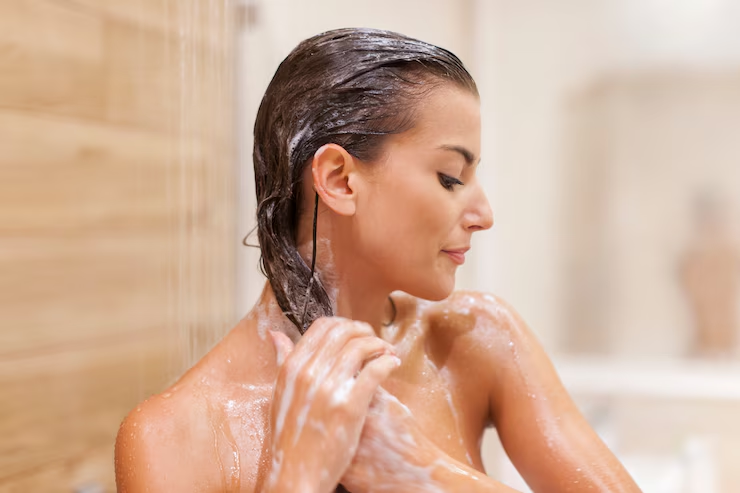
How to Use a Hair Mask and Deep Conditioner
| Feature | Hair Mask | Deep Conditioner |
|---|---|---|
| Texture | Thick, creamy, heavy | Thinner, lighter |
| Purpose | Deep repair, intense hydration | Surface moisture, manageability |
| Frequency of Use | 1–2 times per month | Weekly |
| Penetration | Deep into the hair shaft | Coats the outer cuticle |
| Best For | Dry, damaged, color-treated hair | Normal to dry hair needing moisture |
| Common Ingredients | Proteins, oils, butters | Oils, humectants, conditioning agents |
| Effect on Scalp | Can help soothe and nourish the scalp | Primarily, hair strand hydration |
💡 Tip: For maximum effect, apply masks and conditioners on clean, damp hair, and use a shower cap to enhance absorption with gentle heat.
👉 Learn more about the Kerastase Fusio-Dose Treatment and Scalp Barrier Repair

Tips for Best Results Using Hair Mask and Deep Conditioner
If you have curly hair, lightweight deep conditioners help retain moisture without weighing curls down. See our full curly hair moisturizing guide for more tips.
- Apply to clean, damp hair for optimal absorption. Washing first removes buildup, allowing treatments to penetrate more effectively.
- Use a wide-tooth comb to distribute the product evenly from roots to ends, ensuring thorough coverage.
- Cover hair with a shower cap or warm towel to trap heat and boost penetration—heat opens the hair cuticle.
- Follow recommended timings (usually 10-30 minutes); over-processing can cause buildup or weigh hair down.
- Avoid applying heavy masks directly on oily scalp; focus on mid-lengths and ends to prevent greasiness.
- Choose products with nourishing ingredients such as keratin, argan oil, shea butter, and fatty acids for optimal hydration and repair.
Use deep conditioners weekly for maintenance; reserve masks for monthly intensive treatments.
💡 Check out these holiday hair care tips
👉 Struggling to build the perfect hair routine? Check out our daily hair-care routine guide to simplify your routine.
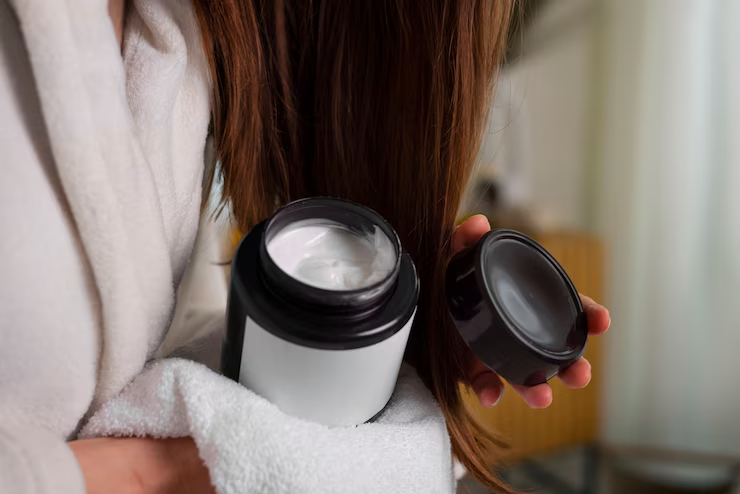
What to Expect
With consistent, proper use:
- Softer, shinier, and more manageable hair
- Reduced breakage and fewer split ends
- Improved curl definition and frizz control
- Longer-lasting, vibrant hair color
- A healthier scalp and overall hair appearance
🎉 Tip: Track your hair’s progress with photos and notes every few weeks to celebrate improvements and adjust your routine.
You can use a hair mask or deep conditioner if your hair is damaged and has split ends. If you want to restore your hair to its original state, you can use both.
You can start with your hair mask to nourish and repair the ends, then follow with your conditioner to make your hair more manageable.
🎁 Explore these tips to look your best during the festive season
Hair Mask and Deep Conditioners — Your Secret to Healthy Hair
Choosing between a hair mask and a deep conditioner doesn’t have to be confusing.
While both deliver moisture and nourishment, hair masks provide a deep, intensive treatment ideal for repairing damage and restoring shine. In contrast, deep conditioners are perfect for regular hydration and maintaining softness.
Incorporating these treatments into your hair care routine can transform dry, brittle strands into vibrant, manageable hair.
Remember, understanding your hair’s unique needs is key to selecting the right product and maximizing results.
Ready to elevate your hair care game with personalized recommendations?
At Haste Hair Salon near Medford, our expert stylists are here to guide you through choosing the best treatments for your hair type and concerns.
👉 Book your personalized hair consultation now! Let’s bring out the healthiest, most beautiful version of your hair together!
FAQ
Which is better: hair mask or deep conditioner?
Both are important for all hair types, and you should choose one based on your needs. For intense hydration, use a hair mask and deep condition to add moisture and shine, or to preserve your color-treated hair.
Can you use both a hair mask and a deep conditioner?
Both are great products to use, depending on your hair concerns. The mask helps nourish and repair your hair, while the conditioner adds moisture, making it more manageable. You can start with the mask and end it with the conditioner to seal in the goodness.
Can I leave a hair mask or deep conditioner on overnight?
Generally, no. Leaving products on too long can cause buildup or weigh hair down. Follow the recommended time on the product label, usually 10-30 minutes.
Which is better for curly hair: hair mask or deep conditioner?
Both. Use deep conditioners weekly to maintain moisture, and masks monthly to repair damage and define curls.
Can a hair mask replace conditioner for oily hair?
Use masks sparingly on the scalp area. Focus on hair lengths and ends to avoid excess oiliness.
Medford, MA
Hāste Urban Hair Spa