January 27, 2025
How Your Hair Changes as You Age & Growth Rate
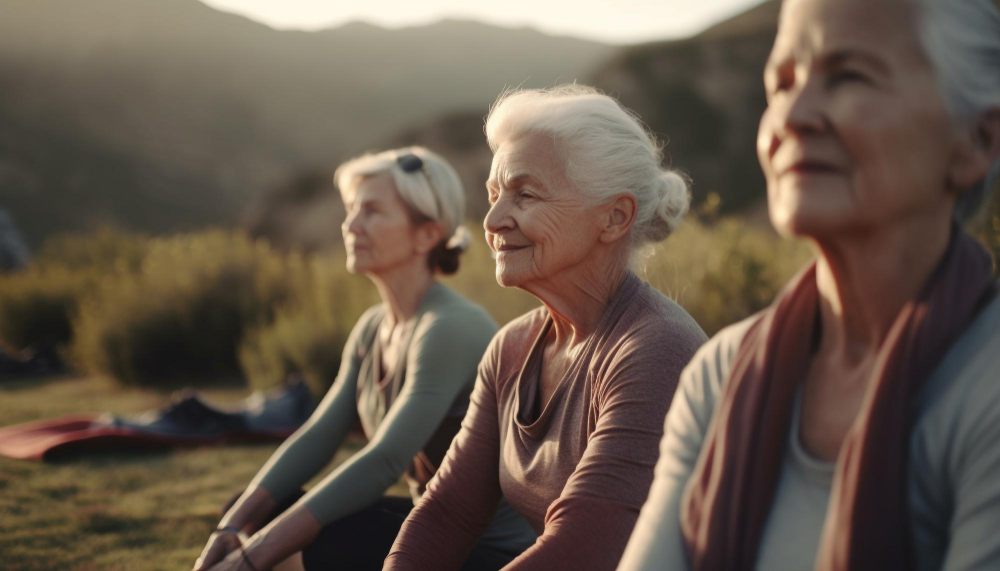
Hair aging is gradual, but changes can feel sudden. Thinning, dryness, slower growth, and shifts in texture often leave you wondering what’s happening.
Understanding how your hair changes as you age is the first step toward adapting your routine and maintaining strong, healthy strands over time.
While many people focus only on graying, aging affects much more than color. Hair density, growth rate, and strand thickness all evolve with time.
Knowing what’s normal can help you respond proactively instead of reactively.
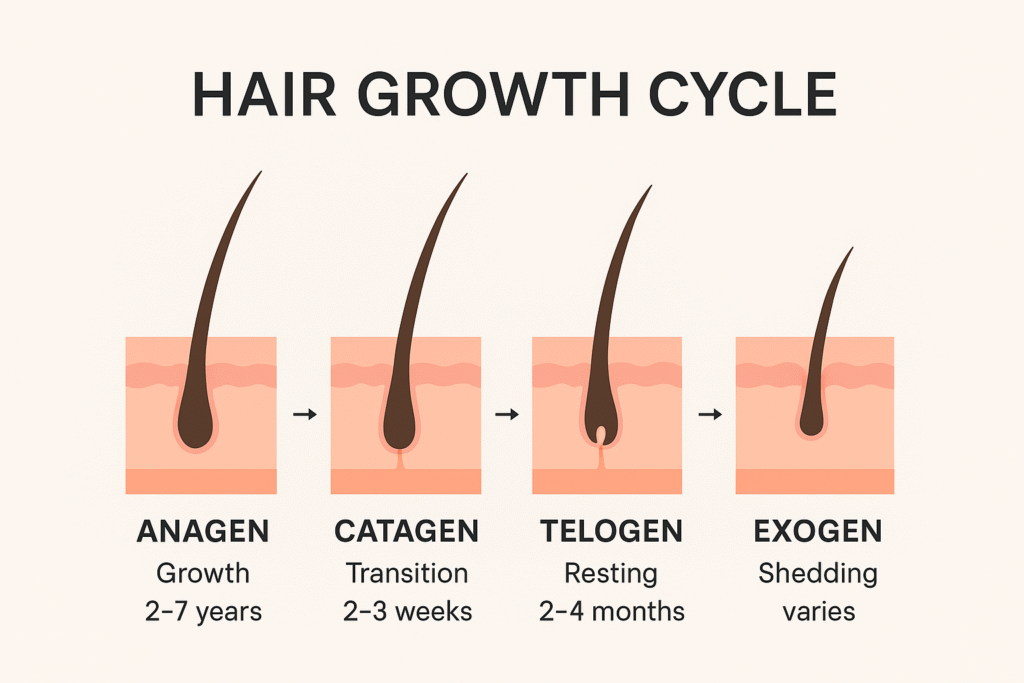
How Much Does Hair Grow in a Month?
On average, hair grows:
- About 0.5 inches per month
- Roughly 1 to 1.25 centimeters per month
- Around 6 inches per year
However, that’s only part of the story. Hair growth rate changes as you age because the hair cycle itself shifts.
How Your Hair Changes as You Age
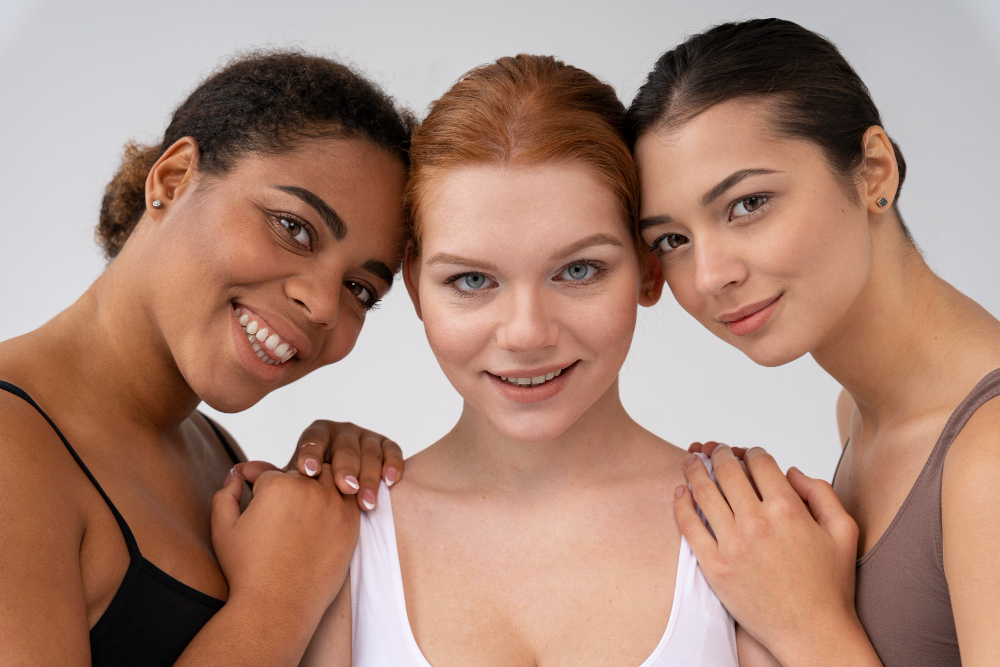
Your Hair in Your 20s: The Prime Years
Characteristics:
- Thick, strong, and full of life.
- Minimal graying or thinning.
Changes:
- Hair density peaks around age 27.
- Hormonal fluctuations can affect oil production.
Solutions:
- Maintain a balanced diet rich in vitamins and minerals.
- Use gentle hair care products to preserve natural oils.
- Avoid excessive heat styling to prevent damage.
💡 Tip: Start incorporating scalp care early with treatments like scalp therapy to support healthy growth.
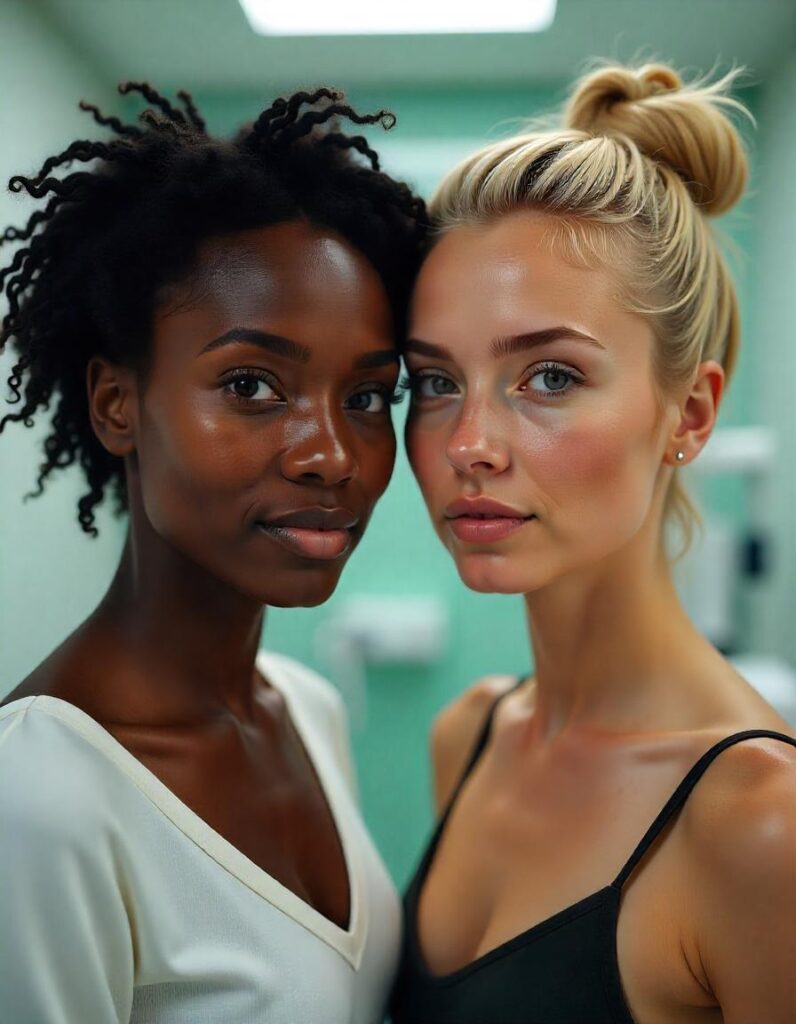
Your Hair in Your 30s: Early Signs of Changes
Characteristics:
- Slight graying may start at the temples.
- Hair may feel drier or more brittle.
Changes:
- Reduced melanin production leads to graying.
- Hair growth rate slows down.
Solutions:
- Regular trims can help maintain healthy ends.
- Use color-safe shampoos and consider temporary lowlights or highlights to blend grays.
- Incorporate deep conditioning treatments to restore moisture.
- Consider using products designed to enhance shine and reduce frizz.
Understanding how your hair changes in your 30s helps you prevent damage and maintain shine.
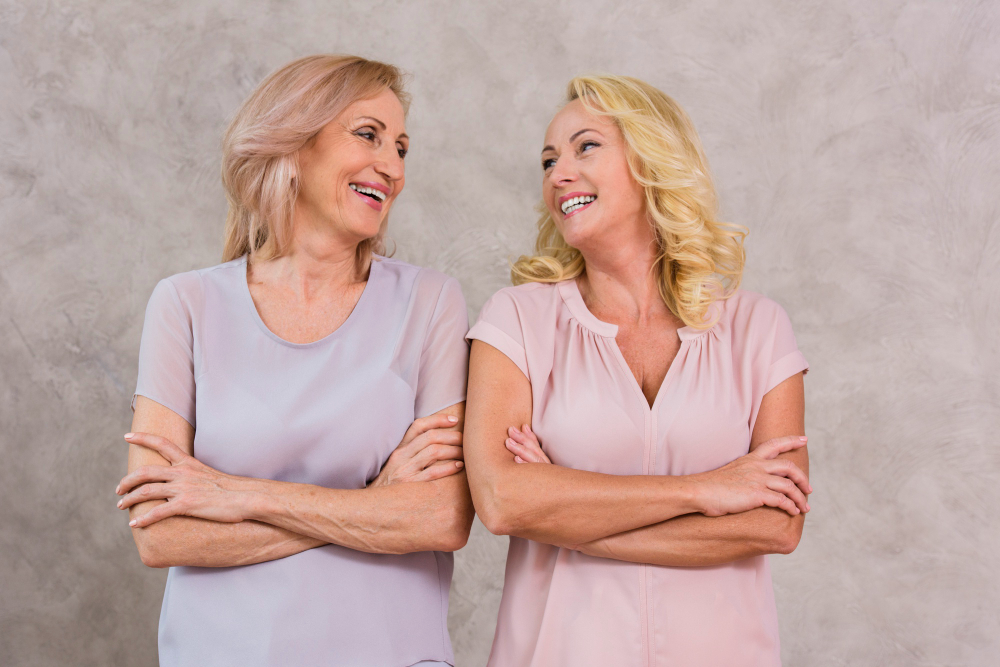
Your Hair in Your 40s: Noticeable Changes
Hair Characteristics: More noticeable graying, gradual thinning.
Common Changes:
- Dryness and brittleness due to reduced natural oils
- Frizz becomes more apparent
Solutions:
- Restore shine with a gloss treatment
- Repair and hydrate with hair oils
- Stimulate follicles with scalp massages to encourage healthy growth
💡 Tip: Consider growth-supporting products like minoxidil for thinning areas. Be patient, these solutions take time to show results.
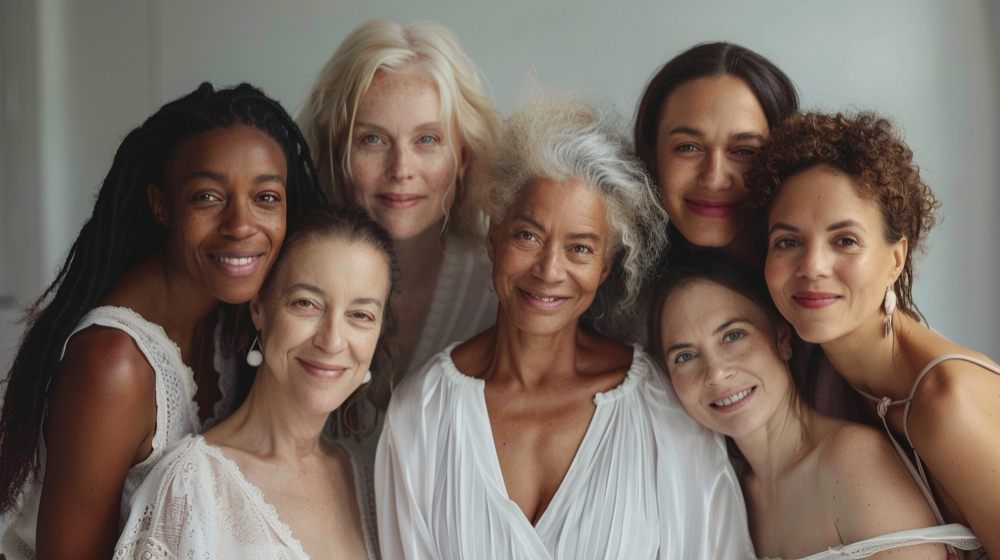
Your Hair in Your 50s and Beyond
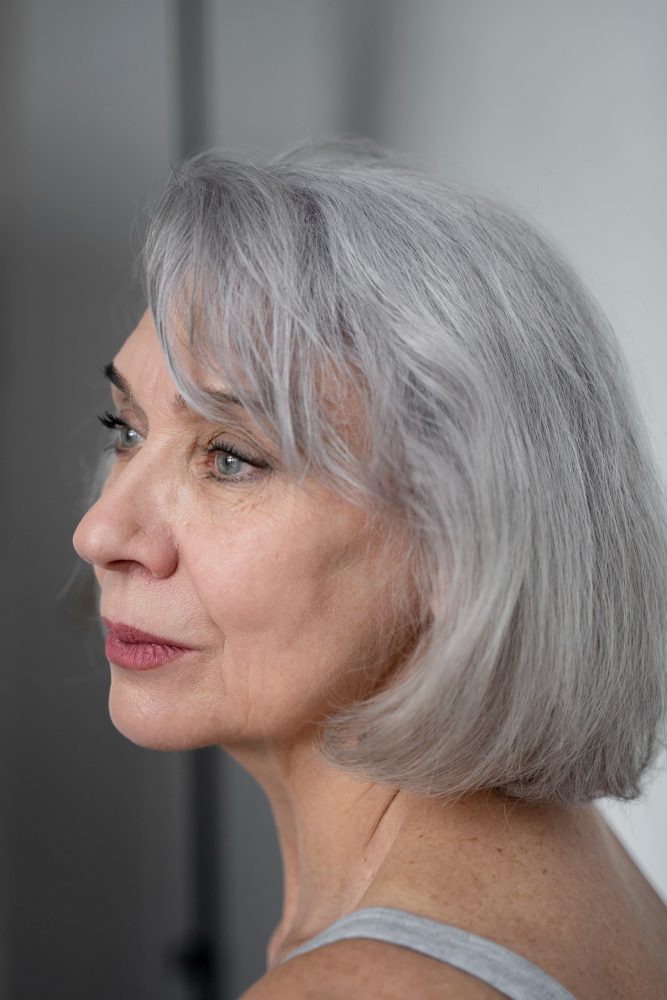
Hair Characteristics: Thinning, finer texture, and more pronounced grays.
Common Changes:
- Increased dryness
- Fragile scalp
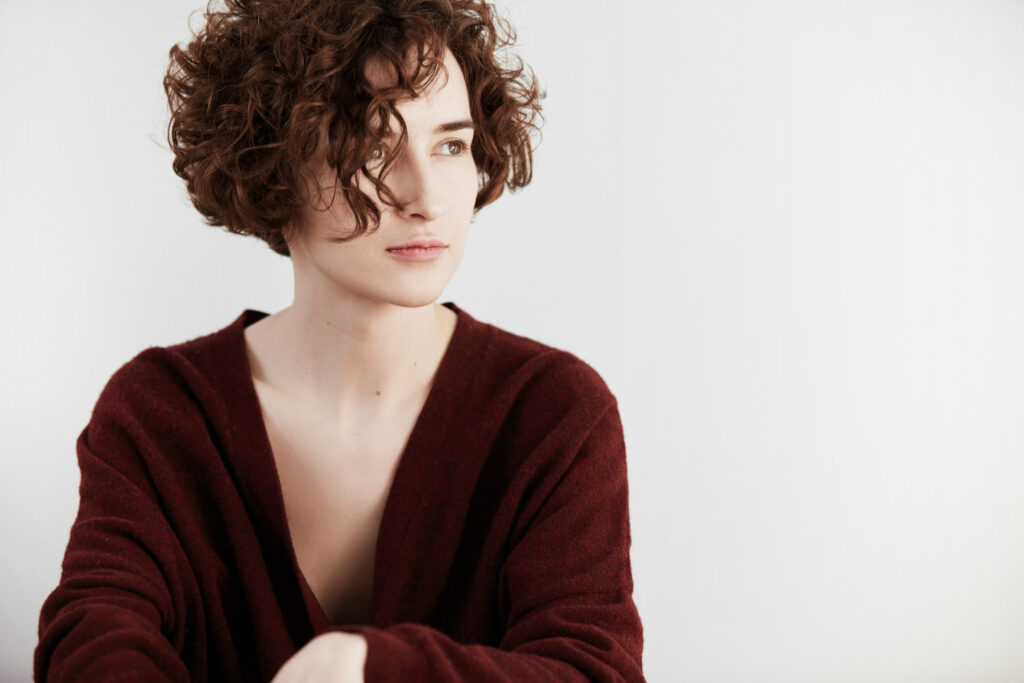
- Curl pattern changes
Solutions:
- Switch to hydrating shampoos and butter-based styling products for coarse hair.
- Adjust your wash routine to prevent dryness and frizz
- Embrace your natural texture and avoid over-processing
- Continue supportive treatments like scalp therapy and deep conditioning
💡 Tip: Work with a stylist to create a personalized routine that fits your lifestyle and hair type. Book a consultation here.
Common Hair Changes at Any Age
Even though the exact timing varies, there are some universal signs of how your hair changes as you age that almost everyone experiences:
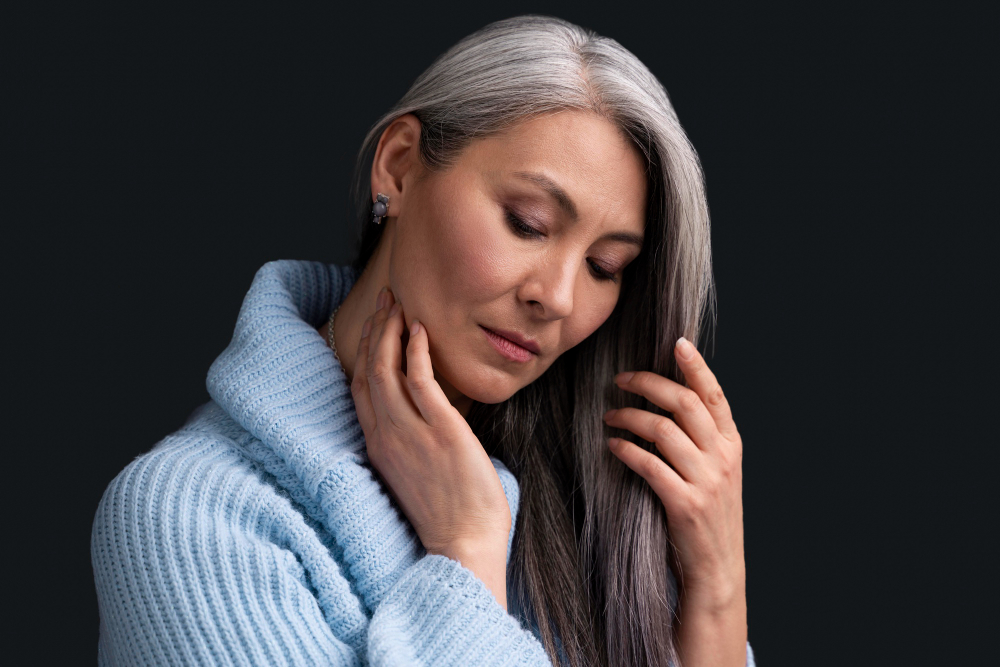
More Grays
Grays aren’t just a color change; the texture can become coarser and dull. Use temporary hair color or a gloss treatment to restore vibrance. While graying due to stress isn’t permanent, genetics plays a key role.
Hair Growth Slows Down
Aging slows growth to roughly 1 cm per month. Ensure you’re not deficient in iron, vitamin D, or biotin. Treatments include:
- Minoxidil
- Scalp therapy
- Regular trims
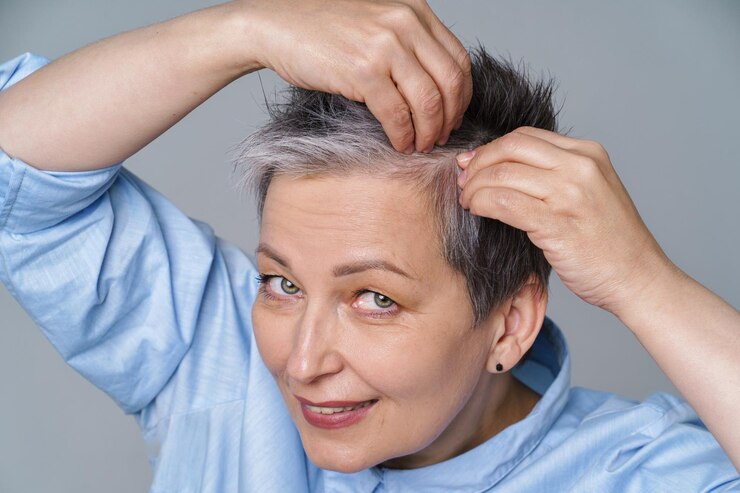
Hair Gets Thinner
Hair naturally thins with age. Adding biotin or natural oils can help retain volume. Topical minoxidil is effective even when oral options are restricted.
Hair Frizzes More
When it comes to how your hair changes as you age, one thing that happens is that it becomes dry, brittle hair, which leads to frizz. Combat this with leave-in conditioners, hair oils, and moisture-rich treatments.
Hair Loss
Hair shedding is normal. Products vary by gender; always check concentrations. Complement treatments with scalp massages to boost circulation and nutrient delivery.
Curl Pattern Changes
Hair texture can change over time. Adapt your routine:
- Fine hair → lightweight creams
- Coarse hair → butter-based products
- Deep conditioning once a week
Knowing how your hair changes as you age helps you adapt your care routine accordingly.
How to Support Aging Hair Growth and Health
While we cannot stop aging, we can absolutely support healthier hair cycles.
Focus on Scalp Health
Healthy follicles begin with a balanced scalp environment. Gentle cleansing and regular exfoliation can improve circulation.
Prioritize Protein and Nutrition
Hair is made of keratin, a protein. Adequate nutrition supports stronger growth cycles.
Avoid Overprocessing
Excessive heat, bleaching, and chemical treatments can weaken already delicate strands.
Maintain Moisture Balance
Aging hair needs hydration without buildup. Lightweight yet nourishing care makes a noticeable difference.
Embrace Your Hair at Every Age
Your hair evolves over the decades from grays and thinning to texture shifts and frizz.
While aging is inevitable, the proper care routine can keep your hair healthy and beautiful.
If you’re struggling to maintain your hair’s health, our stylists can craft a personalized care routine tailored to your hair type and lifestyle.
FAQ
Why does hair become drier as you age?
As you age, sebum production declines. With less natural oil, you get increased dryness, more frizz, a higher risk of breakage, and a loss of shine.
Does your hair color change beyond gray?
Yes, aside from graying, aging hair can appear duller, less vibrant, and slightly more translucent as melanin production decreases.
How much does hair grow in a month?
On average, hair grows about 0.5 inches (1 to 1.25 cm) per month. Growth may slow with age due to hormonal and follicle changes.
How long does it take to grow an inch of hair?
It takes about two months for most people to grow an inch of hair, depending on genetics, health, and age.
Why does hair thin with age?
Hair follicles start to shrink and produce finer strands while hormonal changes contribute to density loss.
Can aging hair grow as long as it did before?
It may not grow as long because the growth cycle becomes shorter. However, proper care can help maximize its potential length.
Medford, MA
Hāste Urban Hair Spa