Becoming a mom is one of life’s most incredible journeys, but the changes your body goes through can be surprising, especially when it comes to your hair.
If you’re noticing more hair in your brush, on your pillow, or in the shower, you’re not alone. Postpartum hair care is a real part of life after childbirth, and with the right support, your hair can rebound beautifully.
In our article, we’ll walk you through the why, when, and how of postpartum hair loss, plus actionable tips that go beyond the basics to help you feel confident and cared for during this phase.
What Is Postpartum Hair Loss and Why Does It Happen
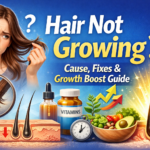
After pregnancy, many new moms experience noticeable hair thinning or hair loss.
This isn’t random; it’s a natural biological response. During pregnancy, high estrogen levels extend the hair’s growth phase, making locks look fuller and thicker.
Once the baby arrives, hormone levels return to pre‑pregnancy levels, and suddenly, many hairs enter the shedding phase all at once.
This phenomenon is medically known as telogen effluvium and is very common, affecting up to 90 % of new moms.
In simple terms:
- During pregnancy ➝ less shedding, thicker hair
- After pregnancy ➝ more shedding, thinner appearance
📊 Research shows that this shift usually begins about 2–4 months after giving birth, and most women experience noticeable shedding at this time.
This is a normal, biological response, not a sign that your hair is permanently damaged.

How Long Does Postpartum Hair Loss Last?
- Onset: Shedding typically begins around 6–12 weeks after birth.
- Peak Shedding: Most intense shedding happens between 3–6 months postpartum.
- Recovery: Hair usually starts regrowing and returning to normal fullness between 6–12 months postpartum, and often by your baby’s first birthday.
✨Good news: even heavy shedding is usually temporary, and hair grows back as your hormones balance out.
Top Postpartum Hair Care Tips for Faster Recovery
Here are evidence‑based ways to support your hair as it moves through its regrowth cycle:
1. Be Gentle With Hair Handling
Your hair is more delicate during postpartum hair loss. Avoid habits that put extra stress on fragile strands:
✔ No tight hairstyles such as high buns, tight ponytails, or constant traction styles — these can contribute to traction alopecia and exacerbate thinning.
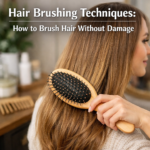
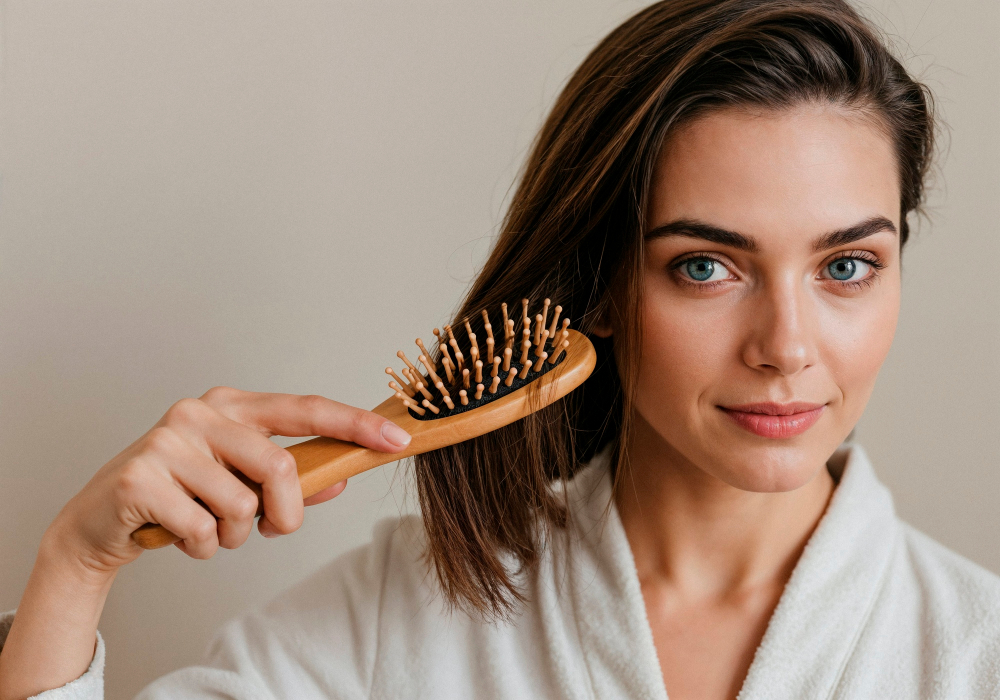
✔ Use wide‑tooth combs or soft-bristle brushes.
✔ Avoid brushing wet hair, which is weaker and easier to break.
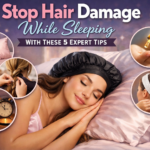
🌿 Silk or satin pillowcases reduce friction at night, helping to prevent breakage.
2. Wash Right With the Proper Products
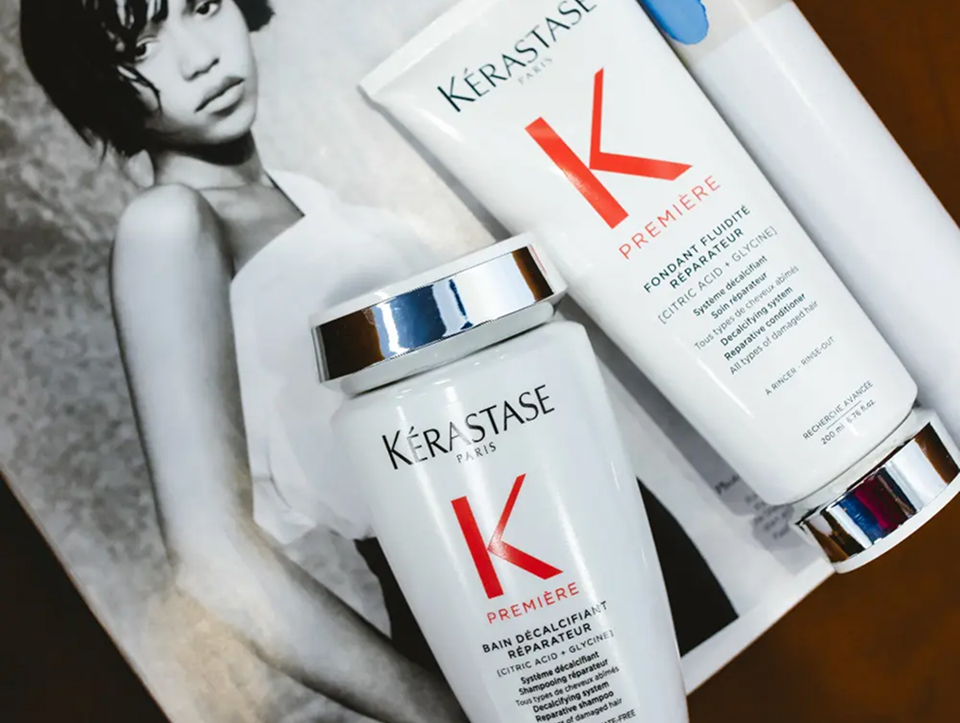
Choose shampoos and conditioners that support postpartum hair care:
- Sulfate‑free shampoos gently cleanse without stripping the scalp of natural oils.
- Volumizing shampoos help hair look fuller when it’s thin.
- Products with biotin, caffeine, and gentle botanical extracts can support hair strength and scalp health.
👉 Check out our Hair Treatment Services and Shampoo & Conditioning Rituals at Haste Urban Hair Spa for personalized product suggestions that suit postpartum needs.
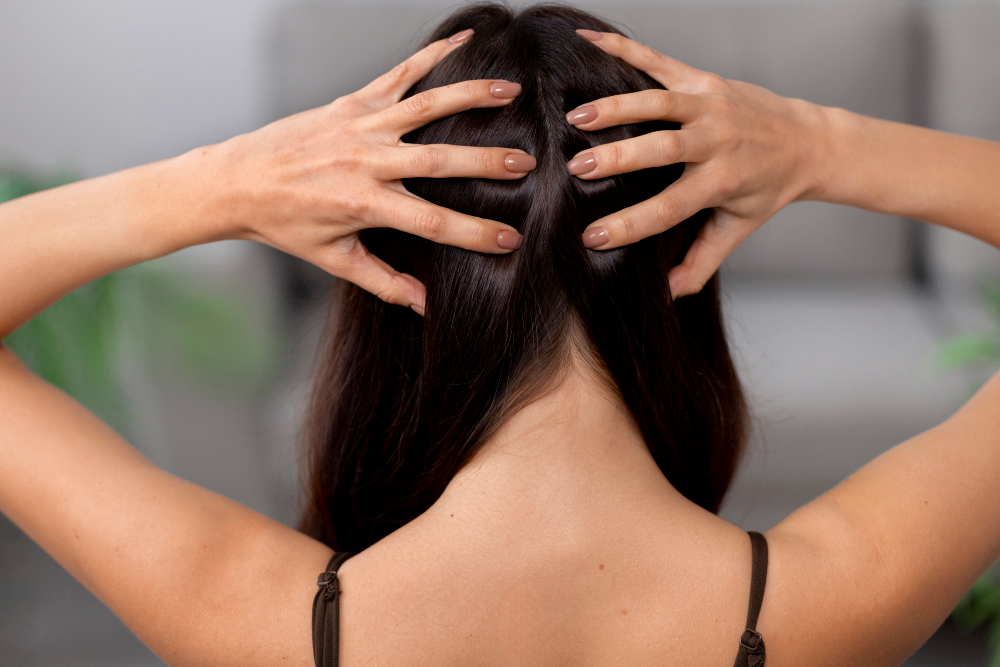
3. Scalp Massages for Better Circulation
Regular scalp massages can improve blood flow to hair follicles, a small but soothing step that many find helpful. Oils such as coconut, argan, or rosemary can provide nourishment as you massage.
How to do it:
- Warm a few drops of oil in your hands.
- Using your fingertips, gently massage your scalp in circular motions for 5–10 minutes.
- Incorporate it into your routine 2–3 times a week for the best results.
👉 Learn more about scalp massages
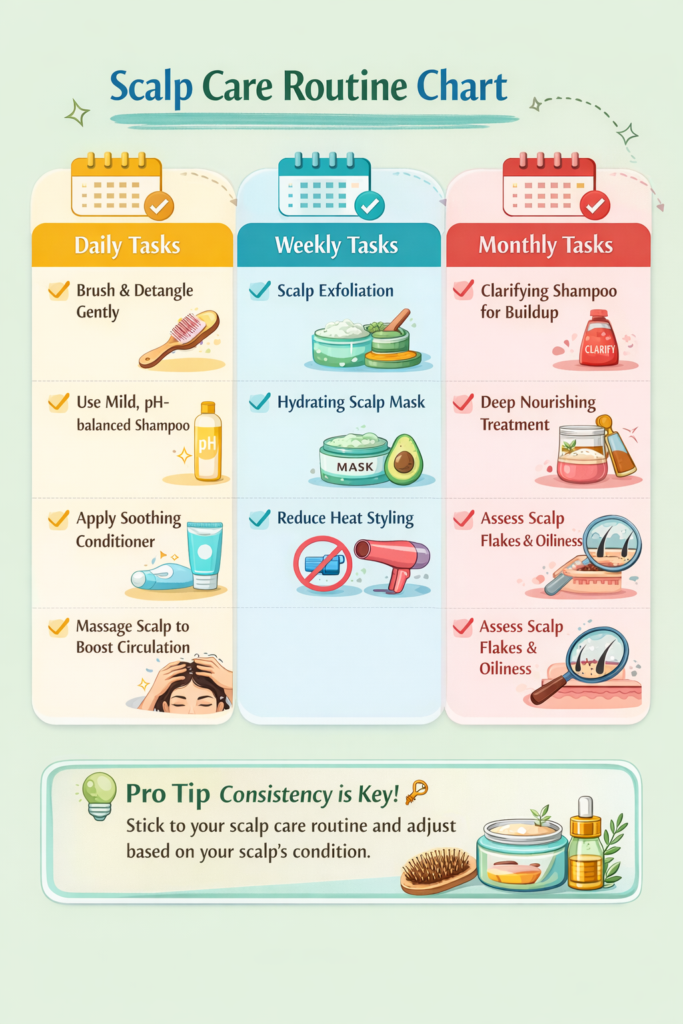
4. Nutrition: Feed Your Hair From Within
Diet plays an important role in postpartum hair care. After delivery, especially if you’re breastfeeding, your body’s nutrient demands are high.
Key nutrients for healthy hair:
- Protein – Hair is mostly keratin (a protein). Adequate protein supports strong strands.
- Iron & Ferritin – Low iron is one of the most common reasons shedding worsens postpartum, and nutritional support can help.
- Vitamin D & Zinc – Important for follicle cycling and tissue repair.
- Omega‑3 Fatty Acids – Reduce inflammation and support scalp health.
🥗 Superfood Meal Idea: Grilled salmon with spinach and quinoa — protein, iron, omega‑3s, and folate all in one.
5. When to Seek Professional Help
Although postpartum hair loss is common, certain signs should prompt a professional evaluation:
- Hair shedding that persists beyond 12–18 months
- Bald patches or rapid thinning in specific areas
- Extreme shedding with no signs of regrowth
In some cases, postpartum shedding may uncover underlying conditions such as female pattern hair loss or traction alopecia (hair loss caused by tension on hair roots).
These can appear more obvious once telogen effluvium begins.
Our Hair Consultation Services include expert scalp evaluations and personalized treatment plans.
6. Stress, Sleep & Hormones Matter Too
Sleep deprivation and stress are common in the postpartum period, and may increase levels of cortisol, a stress hormone that can extend the shedding phase and potentially slow regrowth.
Simple ways to support your overall well‑being:
- Prioritize short restorative naps
- Practice gentle breathing or mindfulness
- Take short walks outdoors
These actions support your emotional and physical balance, both of which contribute to healthier hair cycles.
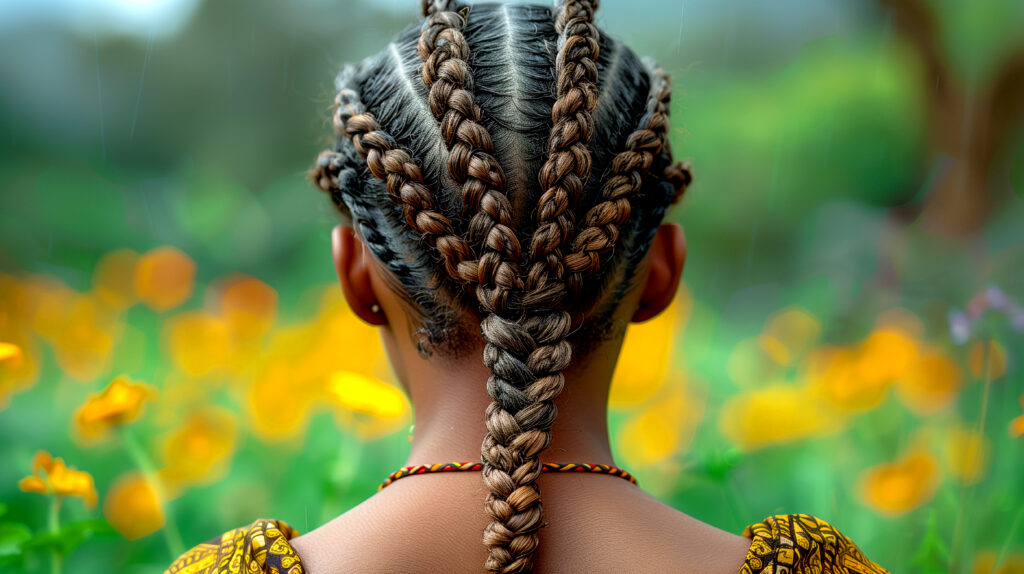
7. Stylish Do’s and Don’ts During Postpartum Hair Loss
Do:
- Wear loose, protective styles.
- Try volumizing dry shampoo for the body
- Add subtle layers for the illusion of thickness
Don’t:
- Use frequent heat styling
- Pull hair tightly with clips or bands
Remember, temporary styling techniques can boost confidence without stressing fragile strands.
Mom‑Approved Tips for Confidence
Postpartum hair loss can feel emotional. You’re not alone; many moms experience significant shedding and slowly grow lovely new hair in its place. Embrace styles that make you feel amazing in the meantime:
💖 Soft headbands or scarves
💖 Strategic layering or trims to add movement
💖 Texturizing sprays to enhance fullness
Your hair will grow back, and in time, the new growth can even look healthier than before. Still, if you find it difficult to grow your hair back, you can always switch to science-backed hair care methods for long-term results instead of just cosmetic fixes.
Ready to Reclaim Your Hair Confidence?
Postpartum hair care isn’t just about looks; it’s about nurturing yourself after one of life’s biggest changes.
Hair thinning after pregnancy is normal, temporary, and completely treatable with the right support.
At Haste Urban Hair Spa, we’re here to help you feel confident and cared for, from gentle hair care routines and nourishing treatments to expert consultations designed for postpartum needs.
Visit our salon or book an appointment online, and learn more about how we can help your hair feel its best.
FAQ
Can breastfeeding make postpartum hair loss worse?
No definitive evidence suggests breastfeeding prolongs shedding. The primary driver is hormonal changes after delivery.
How long will it take for my hair to return to normal?
Most women see regrowth beginning around 6 months and a return to pre‑pregnancy fullness between 9–12 months.
Are supplements safe while breastfeeding?
Always consult your healthcare provider before starting new supplements, especially while breastfeeding.
Are there safe salon treatments for postpartum hair regrowth?
Yes, low-level laser therapy, gentle scalp treatments, and professional trims can stimulate growth and improve hair volume without harming new hair. Always consult a stylist or dermatologist experienced in postpartum hair care.
How can I prevent damage while styling thin postpartum hair?
Use soft hair ties or scrunchies, avoid tight hairstyles, limit heat styling, and consider silk or satin pillowcases. Volumizing sprays and texturizing products can give the appearance of fuller hair while minimizing breakage.