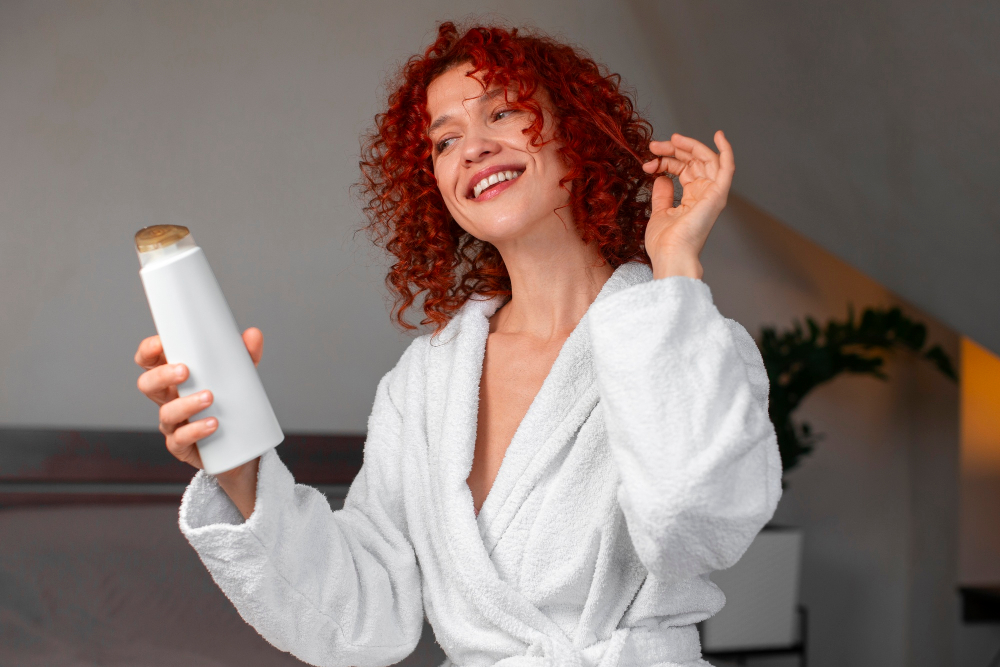
If your scalp feels itchy, tight, flaky, or uncomfortable after washing, your shampoo may be the problem, not your scalp.
Instead of reaching for stronger cleansers or dandruff shampoos, we recommend using the best shampoos for dry scalp. Why?
Dry scalp isn’t caused by excess oil. It results from moisture loss, harsh ingredients, over-cleansing, or product buildup.
For this reason, choosing the right shampoo for your dry scalp is the most crucial step you will take.
Below, we have some of the best tested shampoos for a dry scalp in 2026, followed by what to avoid and how to care for your scalp so dryness doesn’t keep coming back.
Top 10 Shampoos for Dry Scalp (Expert Picks)
Each of these shampoos for dry scalp was chosen based on hydration, scalp comfort, and cleansing, because relief should never come at the cost of damage.
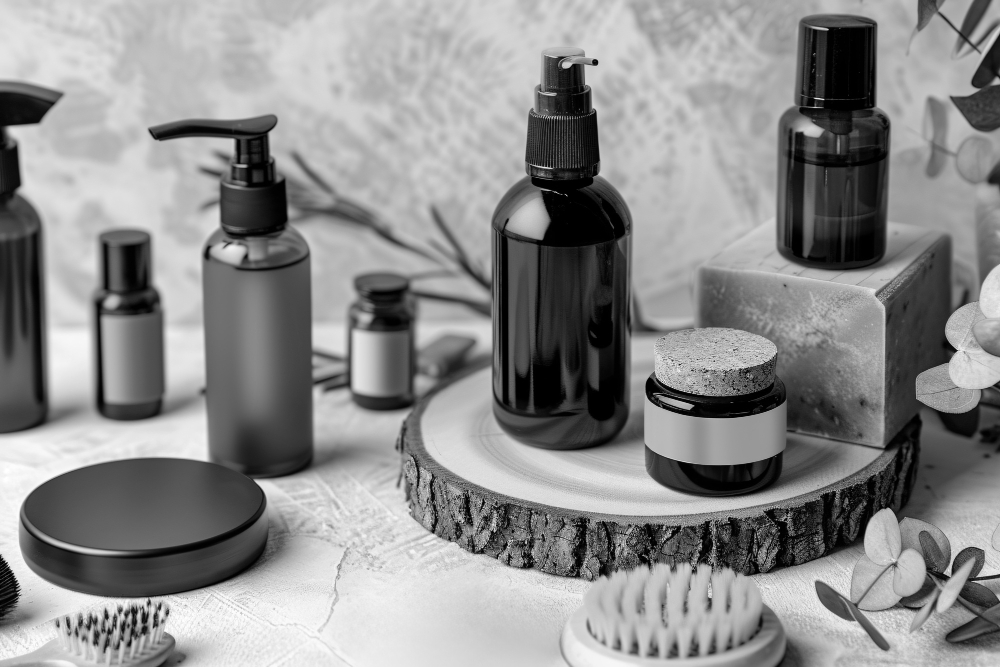
1. Briogeo Scalp Revival Charcoal + Coconut Oil Shampoo
Best for Dry Scalp + Flakes
This favorite blends detox + hydration, making it ideal if your dry scalp also flakes or feels itchy.
- Key ingredients: Charcoal, coconut oil, tea tree
- Why it works: Gently removes buildup while restoring moisture
- Best for: Dry scalp with occasional itch or flakes
- Pro tip: Always follow with a hydrating conditioner to lock in moisture
2. Bondi Boost Heavenly Hydration Shampoo
Best Overall Shampoo for Dry Scalp
A moisture-boosting formula that cleans without stripping, perfect if you wash often.
- Key ingredients: Aloe, gentle cleansers
- Why it works: Rehydrates the scalp without heaviness
- Best for: Normal to dry hair types with dry scalp
- Pro tip: Great for frequent washers and heat-styled hair
👉 Learn more about the must-have winter hair care products to add to your routine
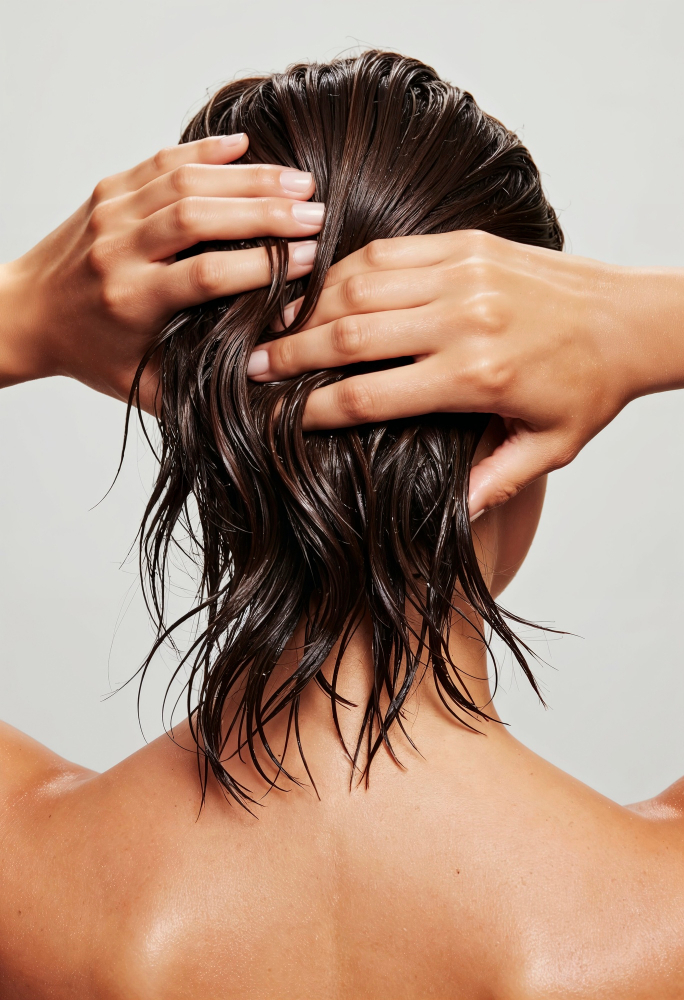
3. Goop G.Tox Himalayan Salt Shampoo
Best Exfoliating Shampoo for Dry Scalp
The scalp reset shampoo removes buildup that can block moisture absorption.
- Key ingredients: Himalayan pink salt, botanical extracts
- Why it works: It clears the scalp so that hydrating products can penetrate
- Best for: Dry scalp with product or oil buildup
- Pro tip: Use once weekly. Overuse can cause dryness.
4. CeraVe Baby Wash & Shampoo
Best for Ultra-Sensitive Dry Scalps
A practical option for adults with reactive scalps.
- Key ingredients: Ceramides, glycerin
- Why it works: Strengthens the scalp’s moisture barrier
- Best for: Allergy-prone or easily irritated scalps
- Pro tip: Pair with a lightweight scalp serum if dryness persists
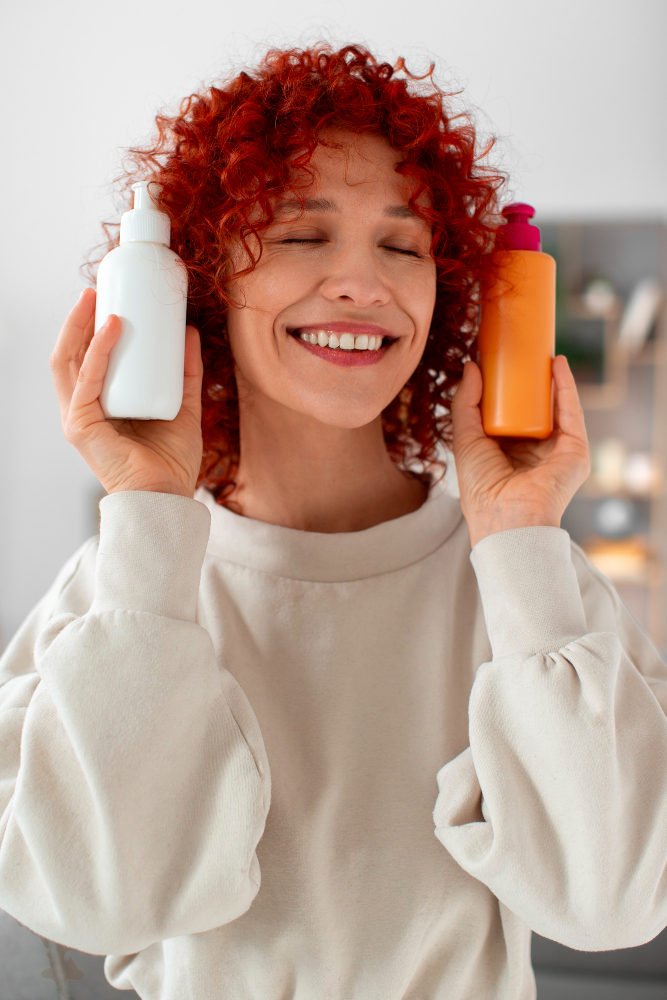
5. Davines Nounou Shampoo
Best for Dry Scalp + Damaged Hair
Perfect when your scalp is dry, and your hair needs repair.
- Key ingredients: Nourishing botanical extracts
- Why it works: Restores softness without buildup
- Best for: Color-treated or chemically processed hair
- Pro tip: A little goes a long way. This formula is concentrated
✍️ Discover the 10 best shampoos for color-treated hair
6. Sachajuan Scalp Shampoo
Best for Gentle Scalp Balance
Minimalist and practical, this shampoo calms dryness without weighing hair down.
- Key ingredients: Scalp-balancing actives
- Why it works: Soothes irritation while keeping hair light
- Best for: Sensitive or easily inflamed scalps
- Pro tip: Ideal if you dislike creamy or heavy shampoos
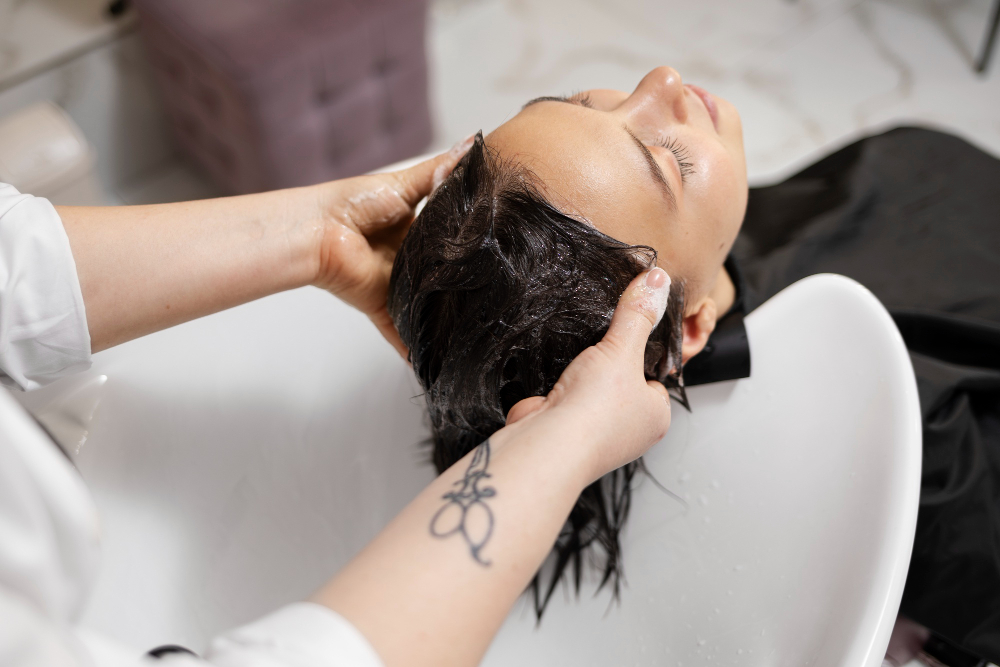
7. LivSo Moisturizing Shampoo
Best for Chronic Dry Scalp
Designed to support long-term scalp health.
- Key ingredients: Moisture-supporting botanicals
- Why it works: Helps maintain hydration over time
- Best for: Ongoing dryness and tightness
- Pro tip: Results improve with consistent use over several weeks
8. Bumble and Bumble Seaweed Shampoo
Best Lightweight Hydration
Hydrates without flattening fine hair or causing buildup.
- Key ingredients: Seaweed blend
- Why it works: Balances moisture levels naturally
- Best for: Fine to medium hair with dry scalp
- Pro tip: Great option if your roots get weighed down easily
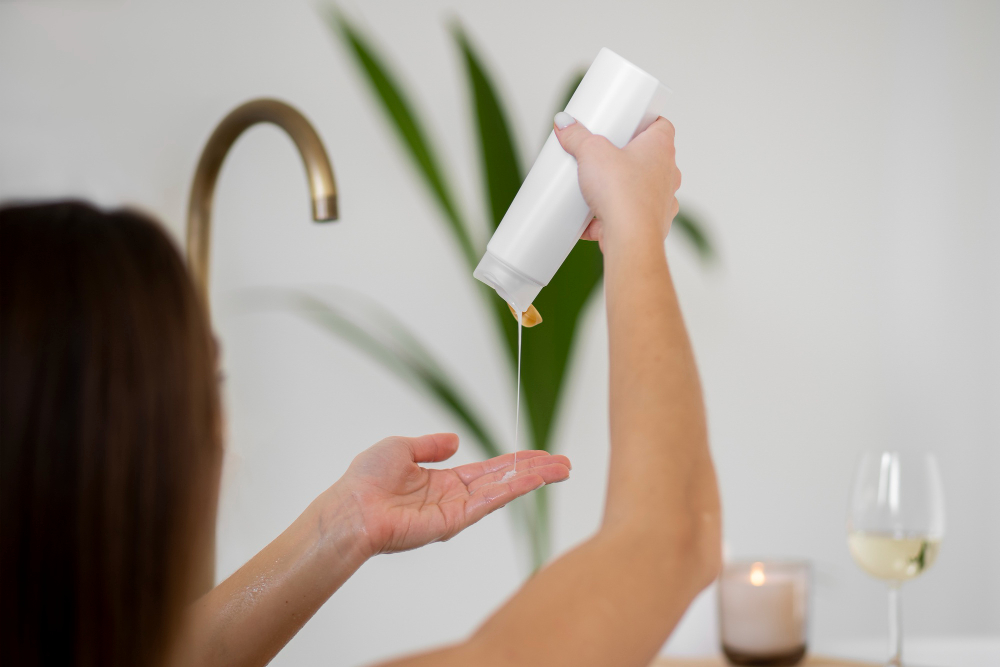
9. Jupiter Balancing Shampoo
Best for Scalp Maintenance
A modern formula that keeps dryness from returning.
- Key ingredients: Scalp-supporting actives
- Why it works: Maintains a healthy scalp environment
- Best for: Mild dryness and flaking
- Pro tip: Ideal as a “maintenance” shampoo between treatments
10. Dove DermaCare Anti-Dandruff Shampoo
Best Budget-Friendly Option
An accessible choice for mild dry scalp symptoms.
- Key ingredients: Zinc-based actives
- Why it works: Reduces flakes while maintaining comfort
- Best for: Mild dry scalp with visible flakes
- Pro tip: Limit use if scalp feels tight or overly dry
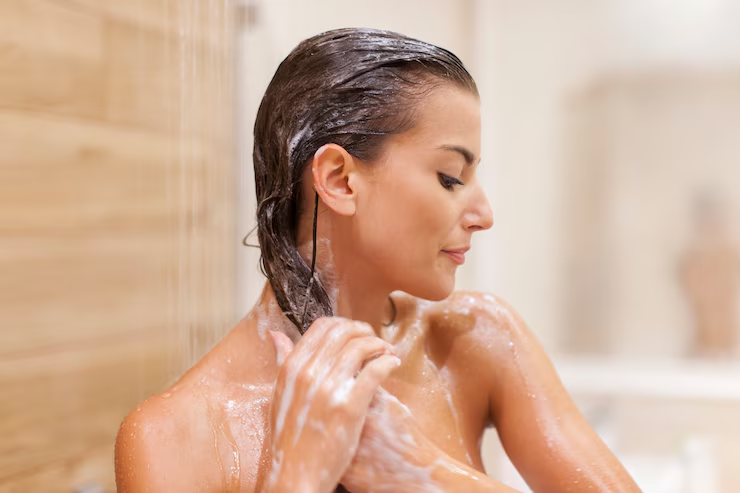
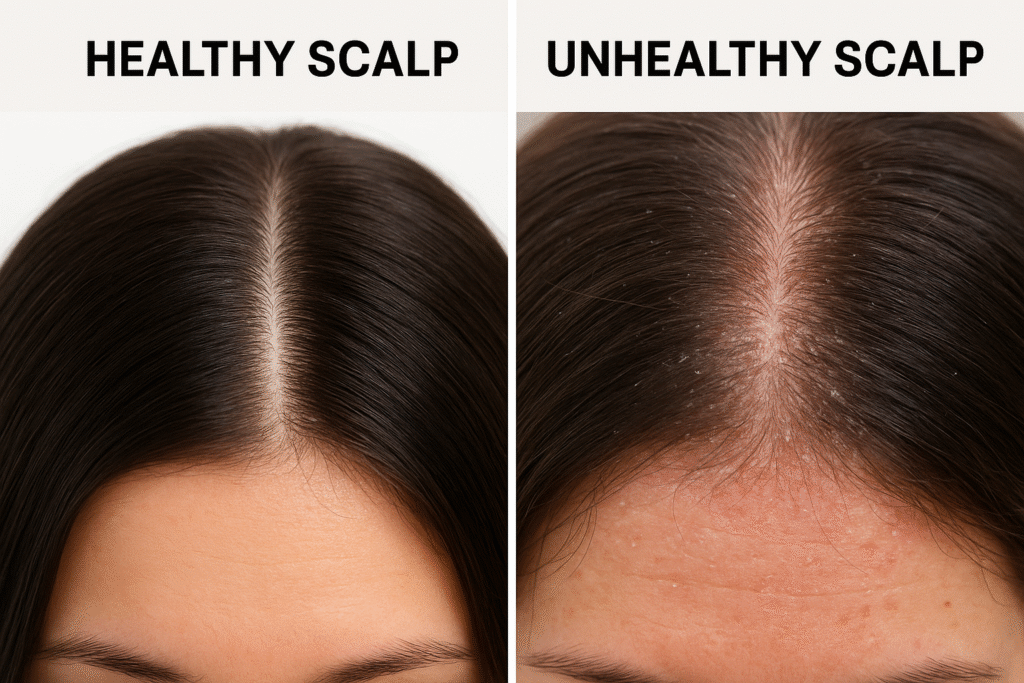
Dry Scalp vs. Dandruff: Why It Matters
One reason shampoos for dry scalp fail is misdiagnosis.
- Dry scalp is caused by a lack of moisture
- Dandruff is linked to an oil imbalance and yeast
🌿 Learn more about the difference between dry scalp and dandruff
Using dandruff shampoos on your dry scalp can strip moisture and worsen irritation. If flakes feel worse after washing, dryness is often the issue.
So, what are the signs of a dry scalp?
- Tight or itchy feeling after shampooing
- Small, white flakes
- Seasonal or year-round dryness
- No heavy oil at the roots
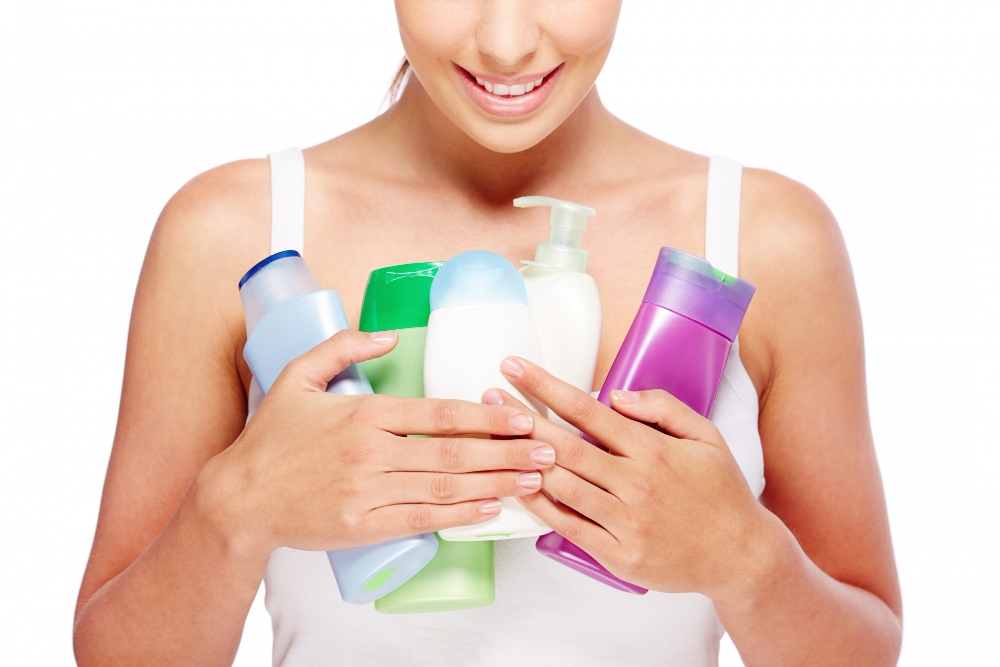
What Makes a Shampoo Good for a Dry Scalp
Ingredients to Look For:
- Gentle cleansers
- Humectants that draw moisture
- Scalp-soothing agents
- Barrier-supporting ingredients
Formula Tips
Creamy, hydrating shampoos for dry scalp are more effective than harsh gels. The goal is to cleanse your scalp without stripping.
🌿 Learn more about different shampoos
What to Avoid If You Have a Dry Scalp
Ingredients That Can Make Your Dry Scalp Worse
- Harsh sulfates
- High alcohol content
- Heavy fragrance
- Overuse of medicated ingredients
🌿 Learn more about why Salon Hair Products are the best
Common Shampoo Mistakes
- Washing too often
- Overusing clarifying shampoos
- Ignoring scalp care between washes
🌿 Learn more about no-poo hair care
How Often Should You Wash a Dry Scalp?
For most people, washing 2–4 times per week works best. Washing too little can cause buildup, while washing too often can worsen dryness. Balance is key.
🌿 Learn more about how frequently you should wash your hair by hair type

What If Shampoo Isn’t Enough?
If dryness persists even with the right shampoos for dry scalp:
- Add a scalp serum or mask
- Avoid heat directly on the scalp
- Seek professional guidance if irritation continues
DIY & Professional Scalp Care
Finding the right shampoos for dry scalp can be a total game-changer, but shampoo alone isn’t always the complete solution.
Dry scalp is often a sign that your scalp barrier is compromised, over-cleansed, or lacking proper nourishment.
When you choose gentle formulas, avoid stripping ingredients, and support your scalp consistently, you’ll notice:
- Less itching and tightness
- Fewer flakes
- Healthier-looking hair from root to ends
If dryness keeps returning, it may be time to go beyond at-home care and get professional insight.
Ready for a Healthier Scalp? Visit Haste Urban Hair Spa
At Haste Urban Hair Spa, we don’t guess, we assess.
Our scalp-focused approach helps identify why your scalp is dry and what it actually needs, whether that’s hydration, detoxing buildup, barrier repair, or a customized care routine.
What we help with:
- Persistent dry or itchy scalp
- Flakes that don’t respond to shampoo
- Scalp discomfort after washing
- Dry scalp paired with hair breakage or damage
📅 Book a professional scalp consultation and let our experts help you build a routine that truly supports long-term scalp health.
FAQ
What causes dry scalp?
Dry scalp is usually caused by a lack of moisture, not excess oil. Common triggers include harsh shampoos, over-washing, cold weather, heat styling, dehydration, and product buildup that blocks moisture from reaching the scalp.
How often should I wash my hair if I have a dry scalp?
Most people with dry scalp do best washing 2–4 times per week. Washing too often can strip natural oils, while washing too little can cause buildup that worsens dryness.
Are dandruff shampoos good for a dry scalp?
Not always. Dandruff shampoos are designed to treat oil-related flaking and yeast overgrowth. If your flakes are due to dryness, medicated shampoos can worsen symptoms if overused.
Can a dry scalp cause hair breakage?
Yes. A dry, unhealthy scalp can weaken hair at the root, making it more prone to breakage over time. Scalp hydration plays a key role in overall hair strength.
How long does it take for a dry scalp to improve?
With the right shampoos for dry scalp and consistent care, many people notice improvement within 2–4 weeks. Chronic dryness may take longer to resolve and may benefit from professional treatment.
Can diet affect dry scalp?
Yes, your diet can affect a dry scalp. You need enough hydration, omega-3 fatty acids, and vitamins A, D, and E to help support scalp health.
Are sulfate-free shampoos better for dry scalp?
Yes, sulfate-free shampoos are better for a dry scalp as they cleanse without stripping moisture.