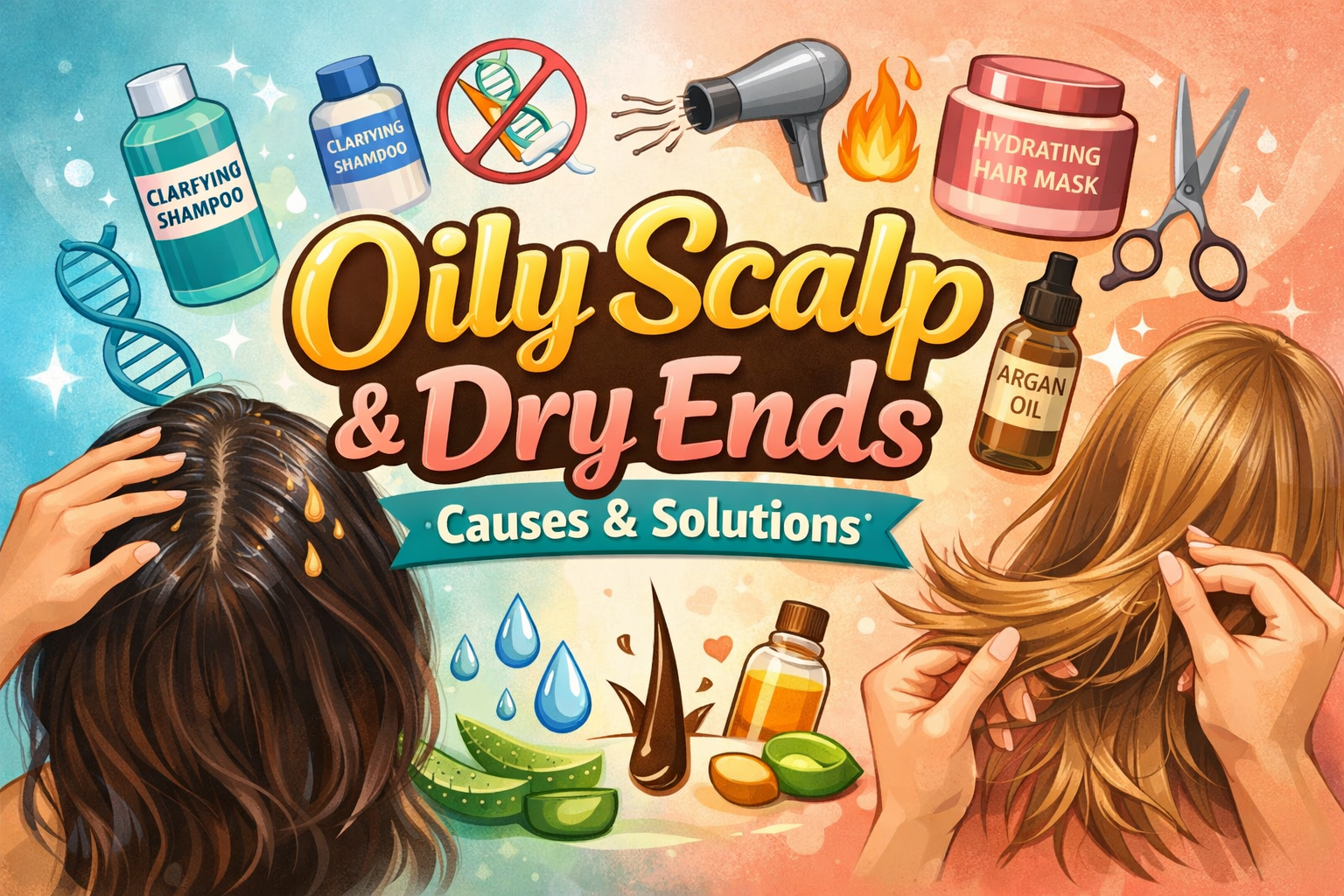
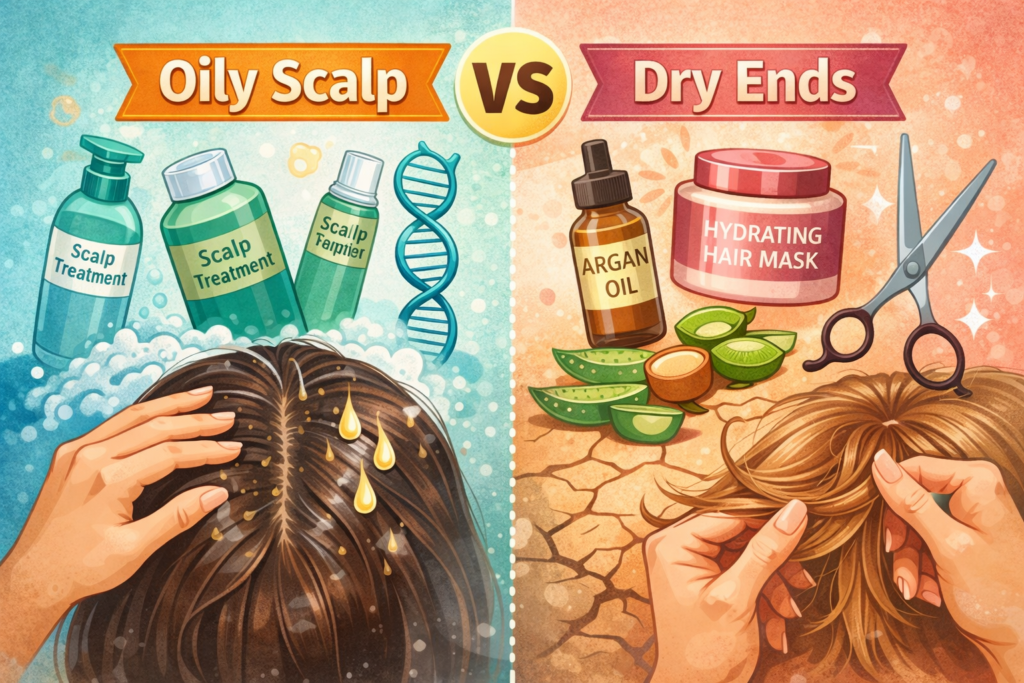
Do you struggle with an oily scalp and dry ends? The combination is more common than you might think.
Your roots get greasy fast, making your hair look flat and dirty, while the ends feel dry, frizzy, or brittle. It’s not just frustrating, it can make styling difficult and damage more likely.
The good news? With the right understanding, hair care routine, and professional guidance, you can balance your scalp oil and hydrate your ends for healthy, shiny hair from root to tip.
⚖️ Quick fact: Treat your scalp differently from your ends. Your roots need cleansing, while your ends need hydration.
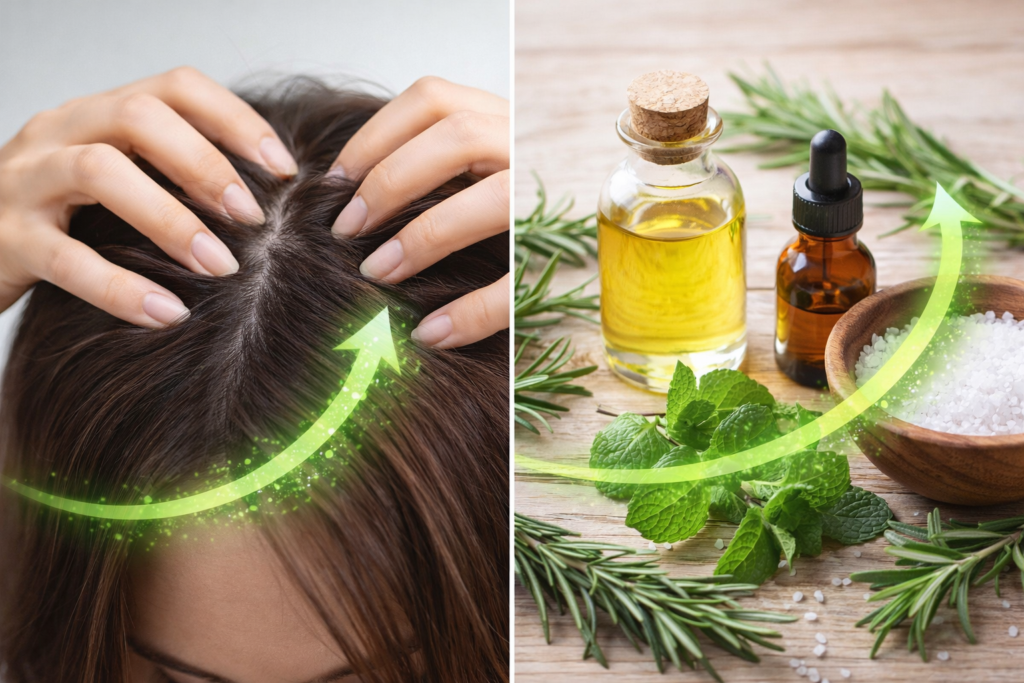
Understanding the Problem: Why You Have an Oily Scalp and Dry Ends
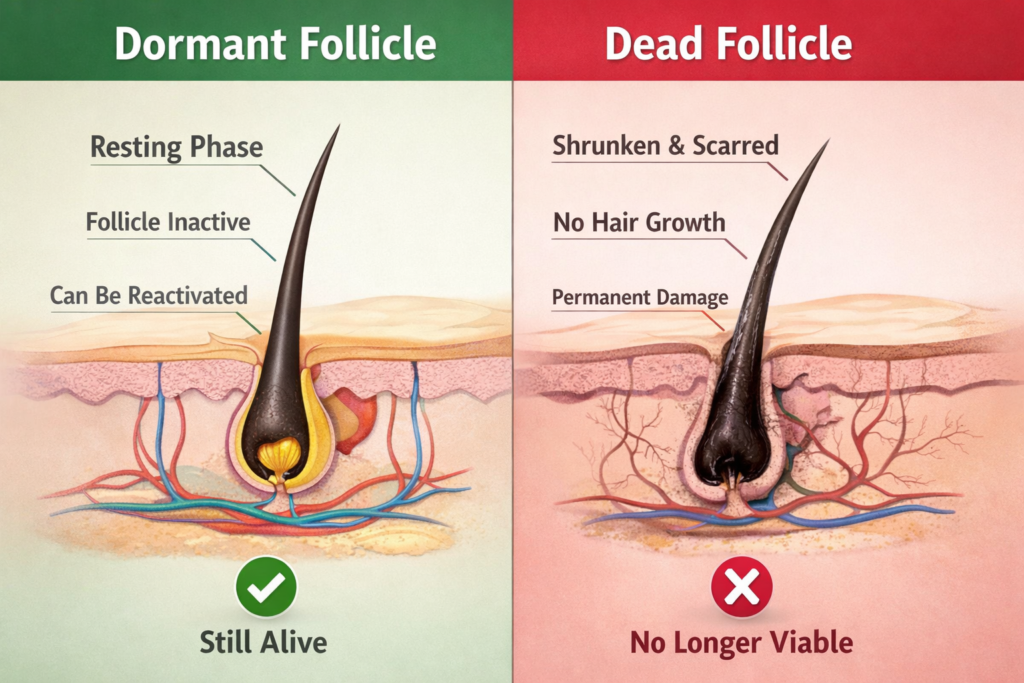
Scalp vs. Hair Strand Needs
The scalp naturally produces sebum, a protective oil that nourishes and shields the hair.
While this oil is great for keeping roots healthy, it often doesn’t reach the ends, especially if your hair is long, porous, chemically treated, or heat-styled.
With these conditions, it leads to greasy roots and dry ends, a classic combination hair problem.
🌤️ Salon Tip: Gently massage your scalp while shampooing to distribute sebum slightly along the shaft, but avoid the ends if they’re very dry.
👉 See more on healthy vs unhealthy scalp
Combination Hair Type
If you have combination hair with uneven oil distribution, a greasy scalp at the roots, and dry strands at the ends. Proper routines can help balance both. For tips on managing oiliness without drying out your ends, check out our article on the causes and treatments of oily hair.

Environmental and Lifestyle Factors
Several factors can worsen the imbalance of oily scalp and dry ends:
- Overwashing: Frequent washing strips moisture from the ends, triggering increased oil production on the scalp.
- Heat Styling & Chemical Treatments: Blow-drying, curling, straightening, and coloring damage ends.
- Pollution & UV Exposure: Can dry ends and irritate your scalp.
- Diet & Hydration: Lack of vitamins, minerals, and water can affect both the scalp and hair.
- Hormonal Changes: Pregnancy, menopause, or stress can increase sebum production.
👉 Unsure if your scalp or hair is causing the oiliness? Learn how to tell if it’s oily hair or an oily scalp.
Common Causes of Greasy Scalp and Dry Ends
Understanding why the scalp is oily but the hair is dry helps you target the right solution.
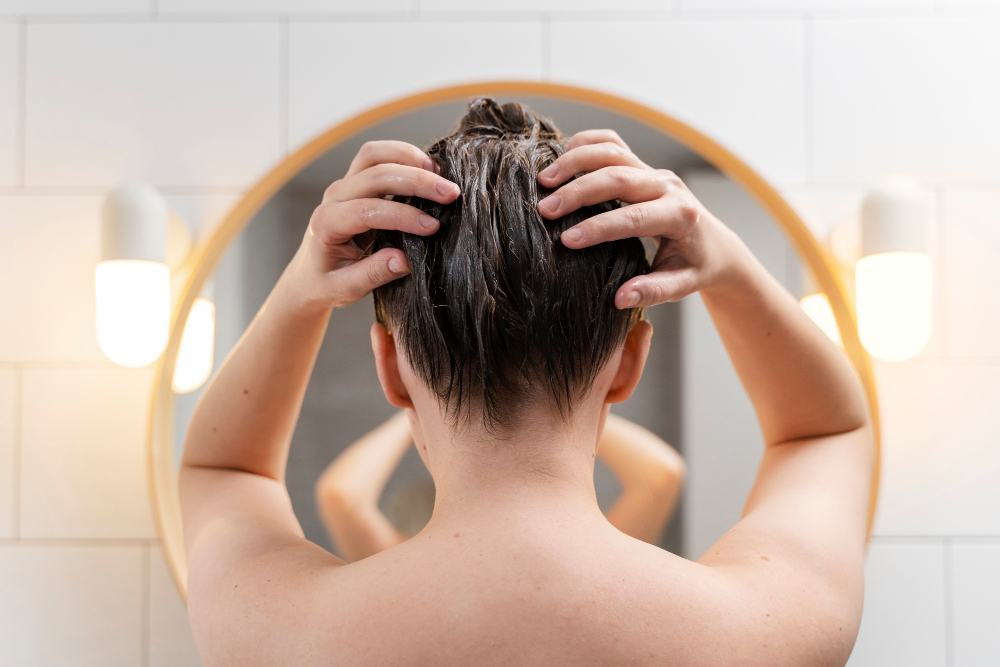
1️⃣ Overwashing and Harsh Shampoos
Frequent washing strips natural oils from the scalp, causing your sebaceous glands to go into overdrive and produce more oil.
Meanwhile, harsh shampoos with sulfates or strong detergents can dehydrate your hair ends, leaving them dry and brittle.
🧴 Wash your hair 2-3 times per week with a gentle, sulfate-free shampoo, focusing on the scalp only.
Less frequent overwashing also gives the ends a chance to retain moisture.
👉 See our guide on hydrating hair treatments
2️⃣ Product Buildup Near Roots
Styling products such as gels, mousses, or leave-in sprays can accumulate at the scalp, trapping oil and dirt. Over time, this buildup makes the roots appear greasier while the ends remain dry.
⚖️ Use a clarifying shampoo or scalp detox treatment once a week to remove buildup. Avoid applying heavy products near the roots; focus on mid-lengths and ends.
👉 Learn more about scalp detox vs clarifying shampoo
3️⃣ Heat Damage & Chemical Treatments
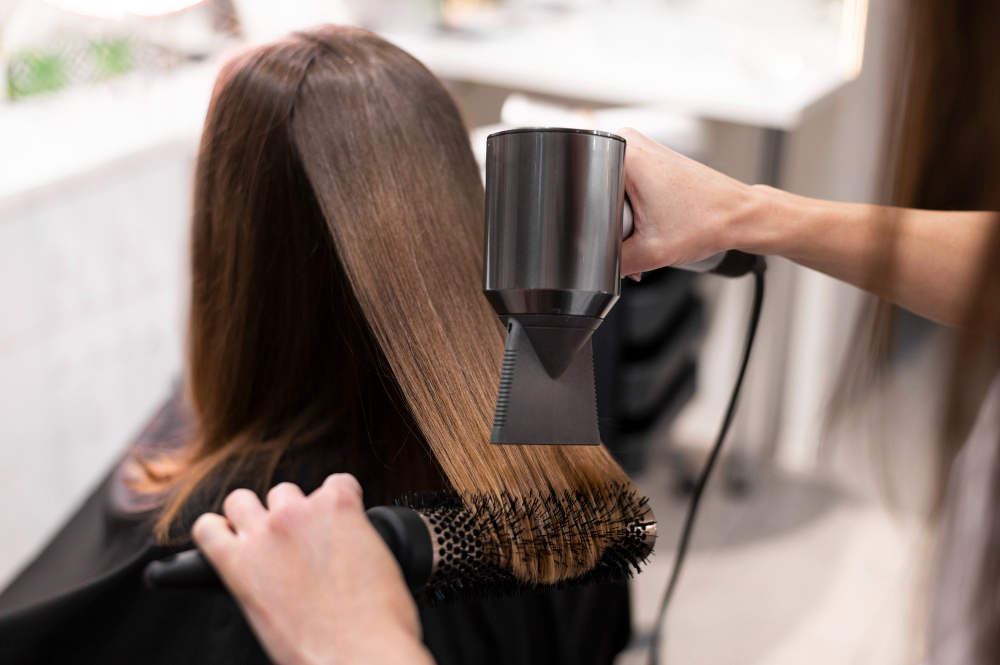
Excessive blow-drying, flat-ironing, curling, and chemical treatments (such as coloring, perming, or relaxing) weaken hair ends, causing breakage and dryness.
The roots may continue producing normal or excessive oil, creating an oily scalp and dry ends imbalance.
🔥 Always use heat protectant spray and limit styling to a few times per week. Deep-conditioning masks or treatments can help repair damage at the ends.
4️⃣ Genetics & Hormonal Imbalances
Sometimes you’re naturally prone to an oily scalp due to genetics, while others may experience dryness at the ends due to hair type or porosity.
Hormonal fluctuations during puberty, pregnancy, menopause, or even stress can increase oil production at the scalp, while the ends remain dry.
🧬 Tip: If you notice sudden changes in oiliness or dryness, it might be worth consulting a dermatologist or stylist to adjust your routine.
5️⃣ Scalp vs Hair Hydration Imbalance
A healthy scalp and well-hydrated ends require different care. Even if your scalp is producing oil, the ends may be porous, chemically treated, or exposed to environmental stressors, which can lead to dryness.
💧 Pair scalp treatments with deep conditioning masks for the ends. Use a lightweight leave-in serum oil or oil on mid-lengths and ends to lock in hydration without weighing down the roots.
👉 Learn more about the differences between hair serums and hair oils
⚖️ Quick Fact: Regular trims every 6-8 weeks prevent split ends from worsening dryness and maintain balance, healthy hair. Book a combination hair consultation today.
How to Balance an Oily Scalp and Dry Ends
Balancing oily roots and dry ends requires a dual approach, treating the scalp differently from the hair ends.
1️⃣ Adjust Your Shampoo Routine
- Focus shampooing only on the scalp. Avoid the ends.
- Use sulfate-free or gentle shampoos to prevent dryness.
- Wash 2-3 times per week for most hair types.
- Consider scalp exfoliating shampoos once a week to remove buildup.
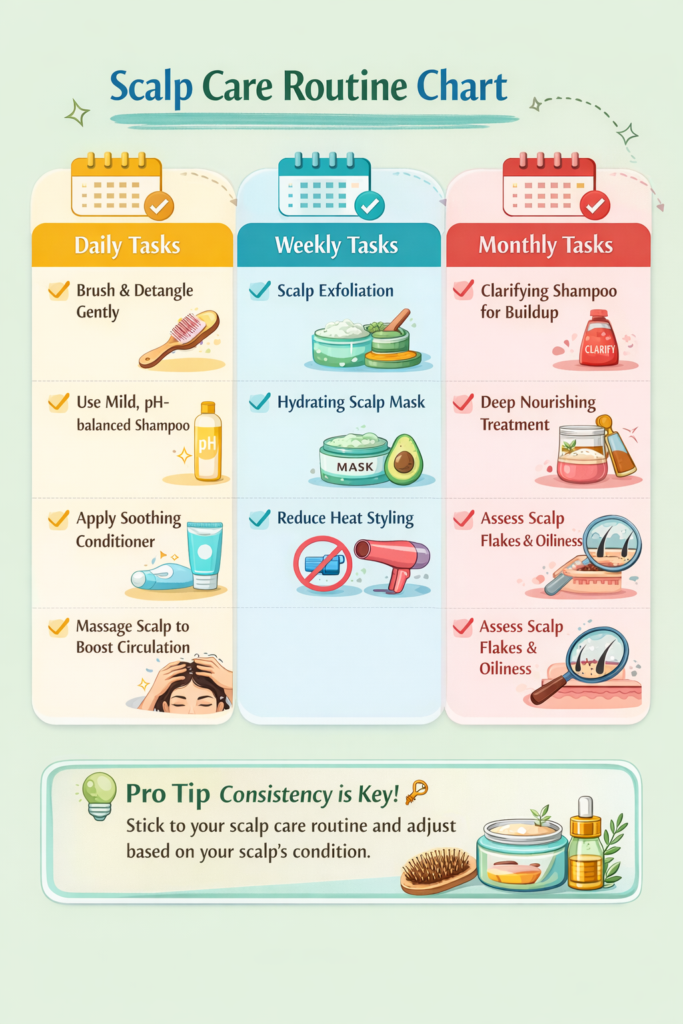
🧴 Gently massage your scalp while shampooing to stimulate circulation without over-stripping oils.
2️⃣ Conditioning Tips
- Apply conditioner only from mid-lengths to ends.
- Choose hydrating but lightweight formulas with ingredients like aloe vera, shea butter, or hyaluronic acid.
- Avoid applying conditioner to the scalp to prevent additional oiliness.
🧴 For a quick moisture boost, leave a tiny amount of conditioner on the ends after rinsing.
👉 Learn more in our conditioner vs leave-in conditioner guide
3️⃣ Weekly Treatments and Hair Masks
- Hair masks restore moisture to dry ends without overloading the scalp.
- Oils such as argan, jojoba, or coconut nourish the hair shaft.
- Leave-in serums protect hair from heat, pollution, and styling damage.
🥑 For long hair, split masks into scalp-safe and ends-focused portions, and massage the mask lightly on the scalp and on the ends.
4️⃣ Avoid Overwashing and Excessive Heat
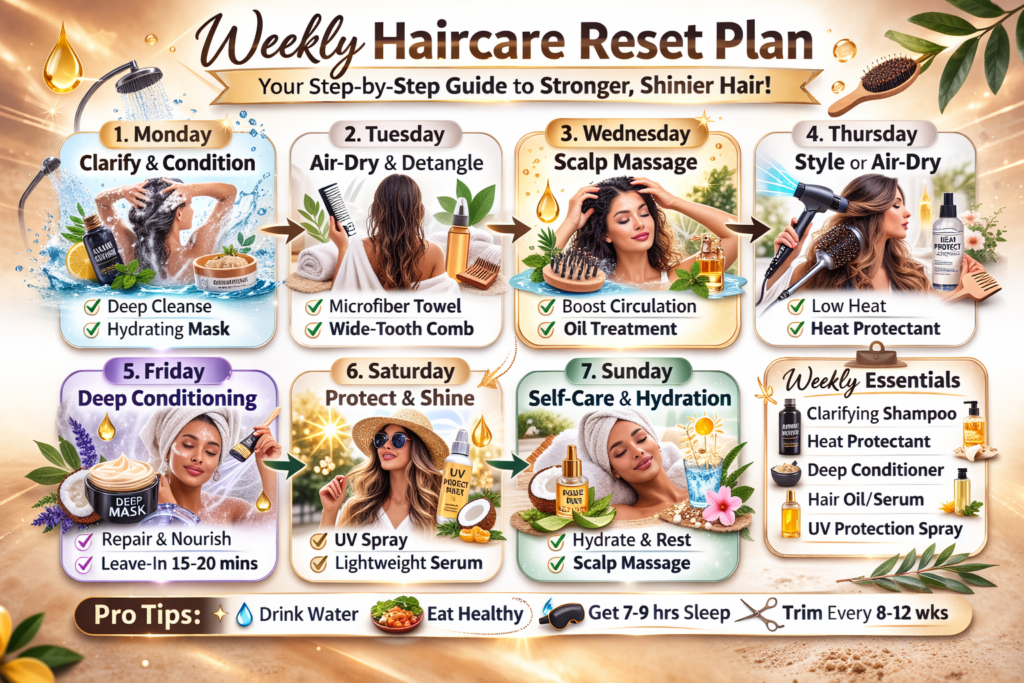
- Overwashing stimulates scalp oil production.
- Excessive heat worsens dryness at the ends.
- Try air-drying when possible and limit styling tools to a few times per week.
🔥 Use a microfiber towel or an old cotton t-shirt to gently dry hair, which reduces friction and breakage.
5️⃣ Targeted Serums and Lightweight Oils
- Use lightweight leave-in serums or oils on mid-lengths and ends to lock in moisture.
- Avoid applying heavy oils near the scalp to prevent greasiness.
💧 Serums with silicones or plant oils can smooth ends without weighing down roots.
👉 Learn more about the best scalp serums and scalp serum vs hair serum
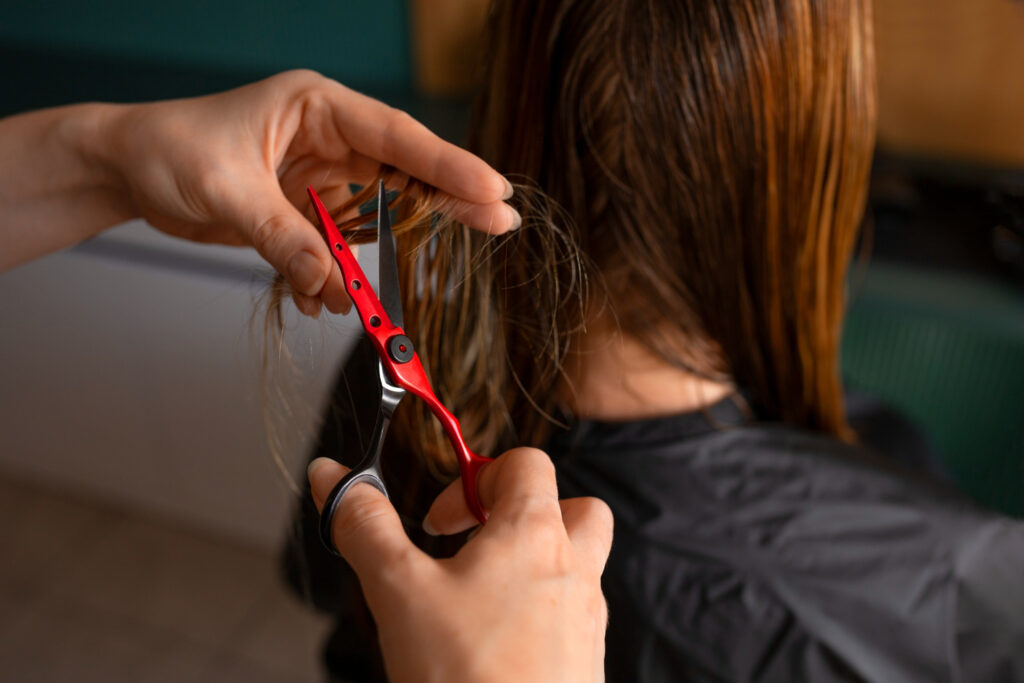
6️⃣ Regular Trims and Professional Care
- Trimming split ends every 6-8 weeks prevents dryness from traveling up the hair shaft.
- Professional treatments like deep conditioning, scalp detox, or hydrating masks can restore balance fast.
✂️ Ask your stylist for a customized combination hair routine that matches your scalp and hair needs.
⚖️ Extra Tip: Track your hair’s response over a few weeks. Sometimes, small adjustments to washing frequency, mask use, or product choice can make a huge difference.
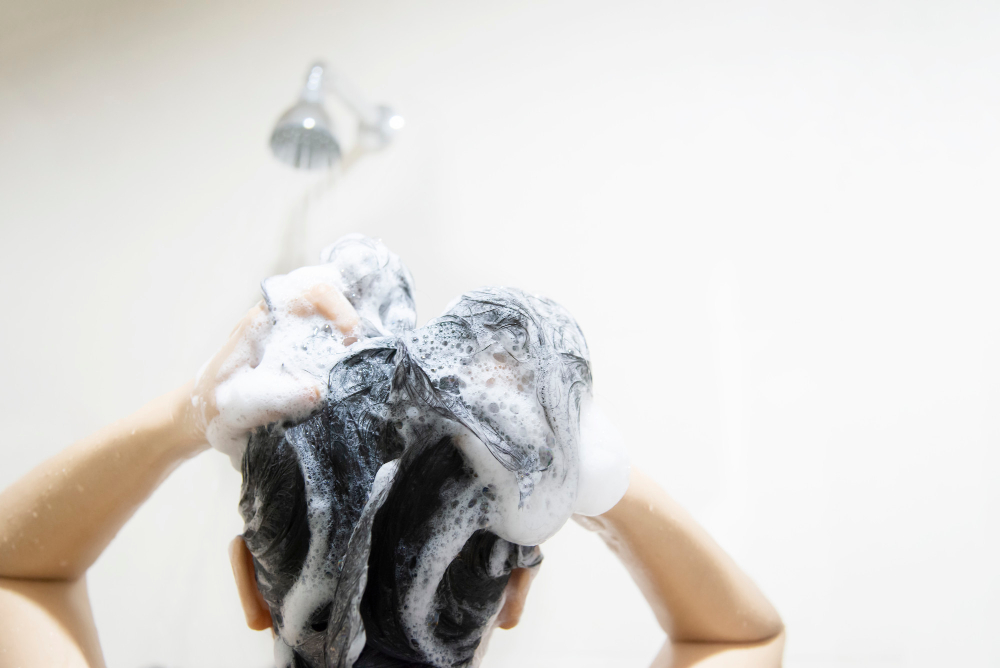
Recommended Products for Balancing Scalp Oil Production
Finding the right products can make all the difference for an oily scalp and dry ends. Focus on lightweight, hydrating, and targeted care:
1️⃣ Lightweight Shampoos for Oily Roots
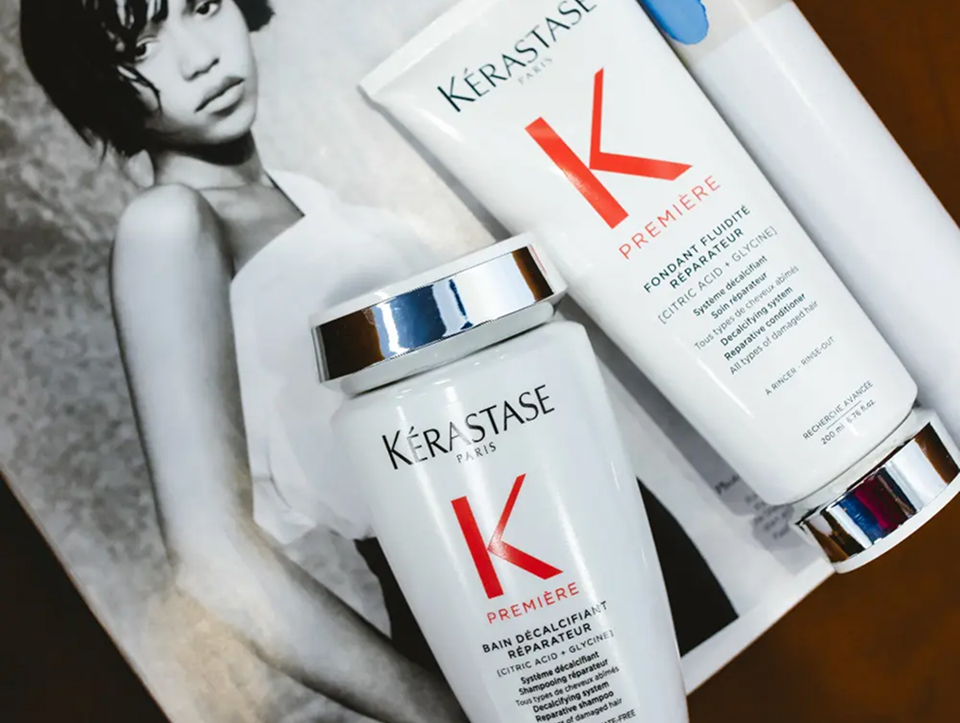
- Choose gentle, sulfate-free shampoos such as Kérastase Specifique Bain Divalent Balancing Shampoo that cleanse your scalp without stripping natural oils.
- Look for ingredients such as tea tree, salicylic acid, or citrus extracts to help regulate sebum production.
🧴 Massage shampoo into the scalp for 1-2 minutes to remove oil and buildup without affecting the ends.
2️⃣ Hydrating Conditioners for Dry Ends
- Apply hydrating conditioners such as Garnier Fructis Coconut Water Conditioner from mid-lengths to ends only.
- Ingredients such as shea butter, aloe vera, hyaluronic acid, or keratin help restore moisture.
🧴 Leave conditioner in for 2-3 minutes for best results. Avoid scalp to prevent extra oiliness.
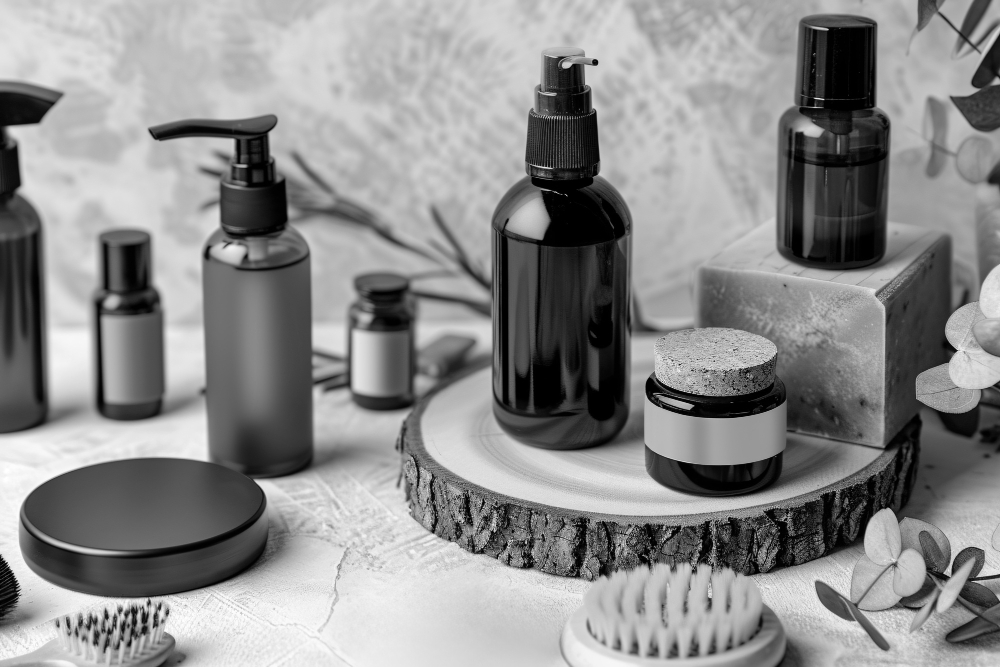
3️⃣ Weekly Masks & Treatments
- Use deep conditioning masks or hair treatments once a week to nourish dry ends.
- Oils like argan, jojoba, and coconut are perfect for hydrating ends without greasing the scalp.
🌿 Split your mask routine: scalp-safe on roots, heavier hydration on ends.
4️⃣ Leave-in Serums & Lightweight Oils
- Protect hair from heat, pollution, and dryness with a leave-in serum or light oil.
- Apply only to mid-lengths and ends to avoid greasy roots.
🌿 Serums with silicone or natural oils smooth ends, reduce frizz, and add shine.
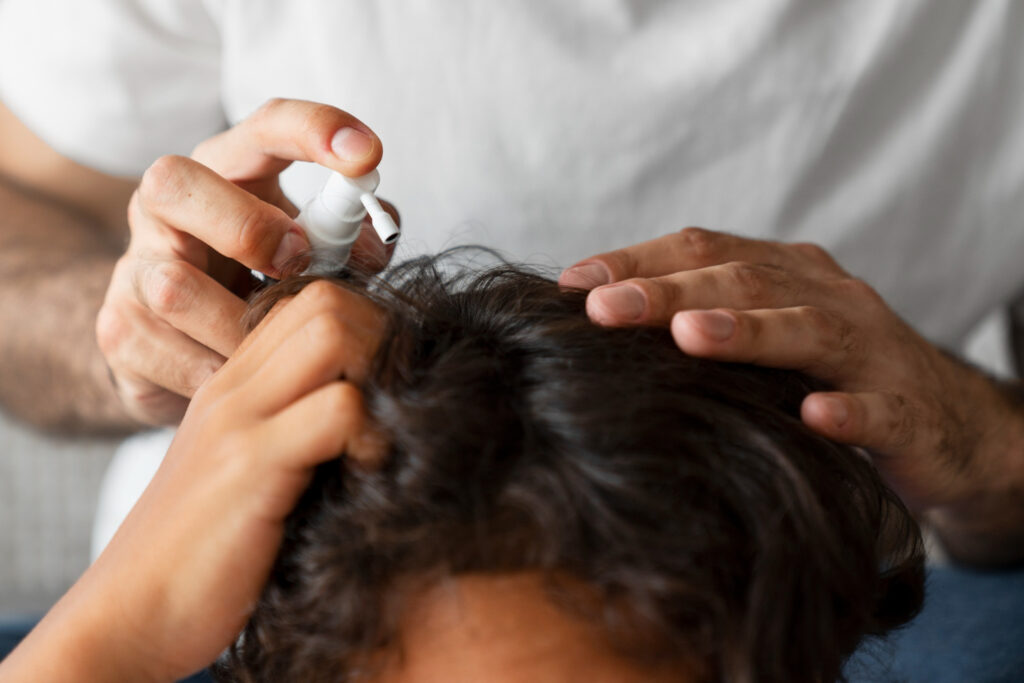
5️⃣ Targeted Scalp Treatments
- Use serums or scalp-focused treatments to regulate oil production and maintain scalp health.
- Ingredients such as niacinamide, salicylic acid, and botanical extracts help balance sebum production.
🧴 Apply scalp serums consistently after washing for long-term results.
👉 Learn more about scalp serums and hair oils
Professional Treatments That Help
Sometimes home care isn’t enough; professional treatments can quickly restore balance:
- Scalp Treatments: Remove buildup and regulate oil production.
- Deep Conditioning & Protein Treatments: Repair and hydrate ends.
- Trimming Split Ends: Keeps hair healthy and prevents further dryness.
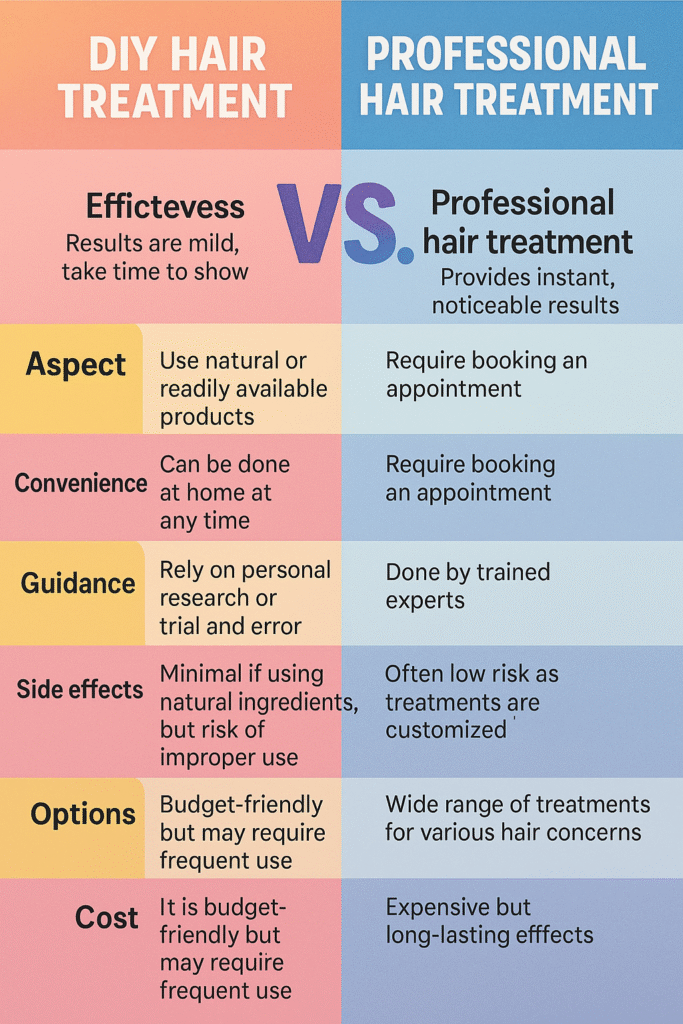
DIY vs. Salon Solutions
At Home:
- Dry shampoo for oily roots
- Weekly hair masks and hydration treatments
- Leave-in serums and gentle brushing
Salon Expertise:
- Tailored scalp and hair treatments
- Professional trims to maintain healthy ends
- Personalized advice on balancing oily scalp and dry ends
⚖️ Professional treatments complement your home care for long-lasting results.
Book a Personalized Hair Consultation at Haste Urban Hair Spa
Don’t let greasy roots and dry ends hold you back. At Haste Urban Hair Spa, we specialize in balancing oily scalps while nourishing dry ends with customized treatments and salon-quality products.
Book a personalized consultation today to discover the perfect routine for your hair type. Say goodbye to combination hair woes and hello to healthy, shiny, manageable hair!
👉 Book Your Hair Consultation Now
FAQ
Can dry ends make my scalp oilier?
Yes, dry ends, whether damaged or not, make your scalp oilier. More frequent washing can stimulate oil production.
How often should I wash my hair if I have an oily scalp and dry ends?
You can wash your hair 2–3 times per week with a gentle, scalp-focused shampoo.
Which shampoo is best for oily roots and dry hair ends?
A sulfate-free shampoo is best if you have oily roots with dry hair ends. You can also consider using sebum-regulated formulas, but avoid conditioning the roots.
Can diet affect oily scalp and dry ends?
Yes, diet can affect oily scalp and dry ends; deficiencies in vitamins, fatty acids, and hydration can worsen the imbalance.
Are professional treatments necessary for combination hair?
Professional treatments are optional but highly effective for long-term balance and hydration.