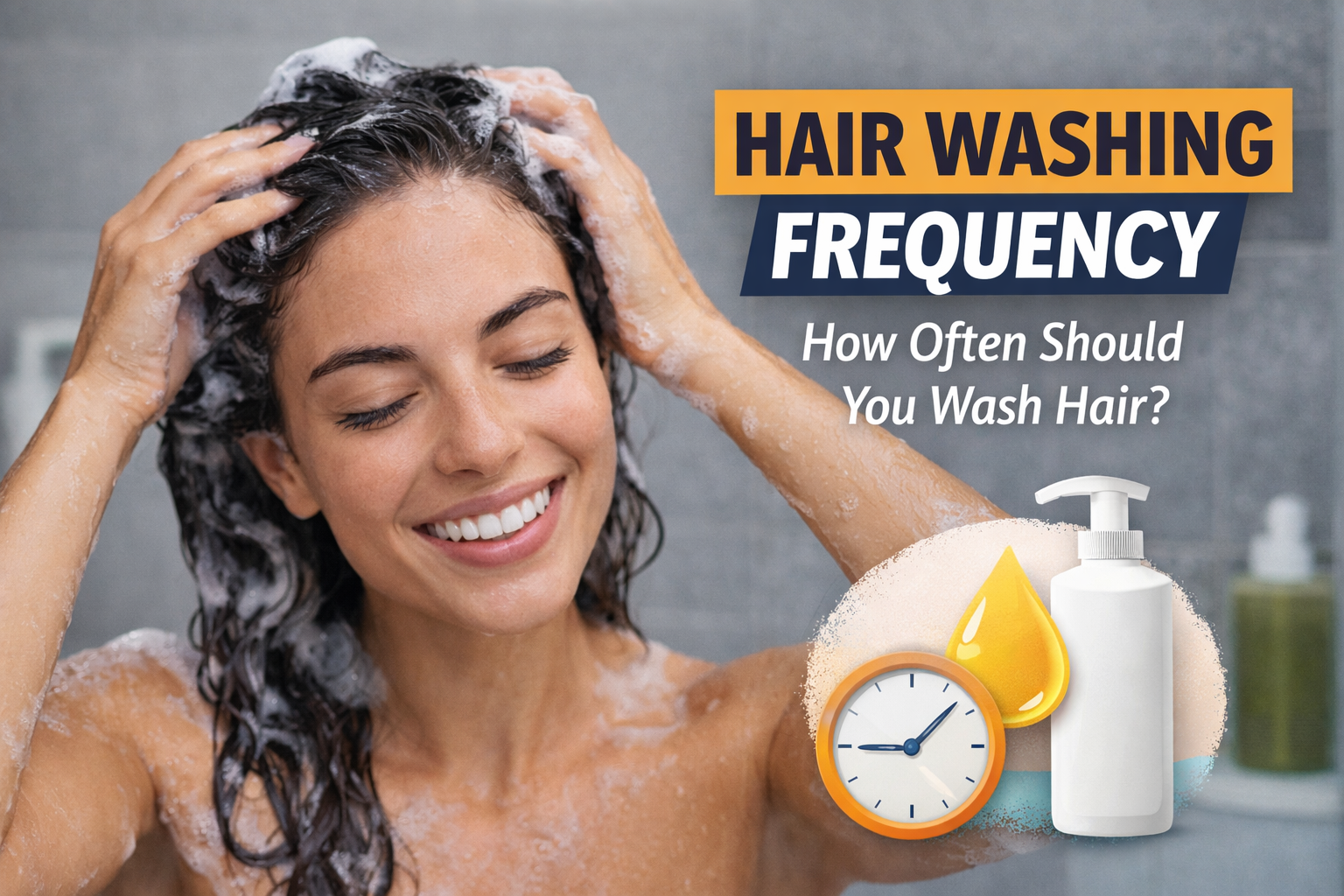
Knowing the right hair washing frequency is more than a beauty routine; it’s essential for keeping your scalp healthy, hair shiny, and your style looking fresh.
Too often, you either overwash, stripping natural oils, or go too long between washes, leaving buildup and dryness.
At Haste Urban Hair Spa, we’re here to break it down for you: the myths and a personalized approach that works for every hair type.
Why Hair Washing Frequency Matters
Your scalp naturally produces oils (sebum) that protect and nourish your hair. Washing too often can strip these oils, leaving your hair dry, brittle, or prone to breakage.
On the other hand, waiting too long to wash can lead to oil buildup, itchiness, and a dull appearance.
Understanding your hair washing frequency helps:
- Maintain scalp health
- Prevent dryness or oiliness
- Protect hair from damage caused by overwashing
🧴 Many people make mistakes by following a one-size-fits-all routine, but the best approach is to tailor your hair washing to your hair type, lifestyle, and scalp needs.
Key Factors That Influence Hair Washing Frequency

1. Hair Type
- Fine or straight hair: Oils move quickly down the hair shaft, so that frequent washing may be needed.
- Curly, wavy, coily hair: Sebum travels more slowly, allowing for longer intervals between washes.
- Thick or coarse hair: Naturally drier and often benefits from washing less often.
2. Scalp Condition
- Oily scalp: May need washing more frequently to prevent greasiness.
- Dry scalp: Less frequent washing with gentle shampoos helps maintain moisture.
- Special conditions: Dandruff or seborrheic dermatitis may require a specific shampoo regimen recommended by a professional.

3. Lifestyle & Environment
- Exercise & sweating: Frequent workouts may require more regular washing or a quick rinse.
- Climate & pollution: Living in humid or polluted areas can increase the need for cleansing.
4. Hair Length & Styling
- Long hair: Sebum spreads more slowly, so washing too often can cause dryness.
- Styling products: Gels, sprays, and heat tools may require targeted washing to remove buildup.
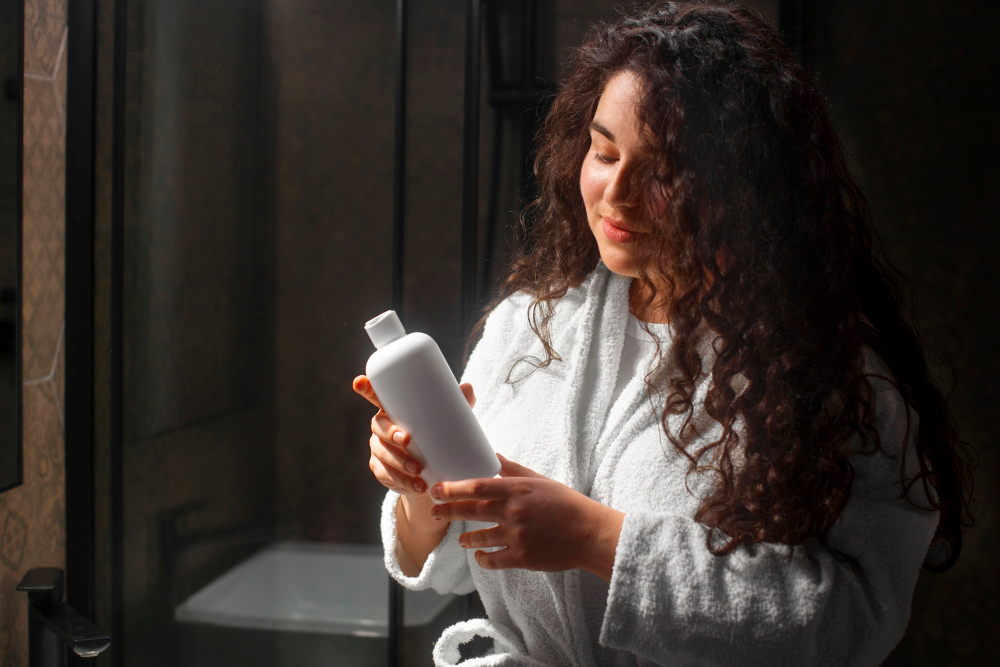
💦 Determine what shampoo works best for your hair
Recommended Hair Washing Frequency by Hair Type
Finding the right hair washing frequency is all about balancing scalp health with your hair’s natural needs. Here’s a deeper look at what works for different hair types:
Daily Washing
Washing your hair daily is ideal for fine, oily, or very straight hair that tends to get greasy fast. If you use styling products daily, washing every day prevents buildup and keeps your hair looking fresh. Use a gentle, sulfate-free shampoo to avoid stripping your natural oils, unlike sulfate shampoos.
Every Other Day
Every other day, washing is common for normal hair types that produce moderate oil. Washing every other day helps maintain shine, making your hair manageable while avoiding dryness. If you exercise regularly, a water rinse or light shampoo on non-wash days can keep the scalp healthy.
2-3 Times Per Week
Perfect for wavy, curly, or thicker hair types prone to dryness. Washing less often allows natural oils to nourish the hair shaft, reduce frizz, and improve curl definition. Consider using a co-wash or conditioner-only to cleanse between washes, refreshing without stripping moisture.
Once a Week or Less
Textured, coily, or very dry hair thrives on infrequent washing. Overwashing can lead to dryness and breakage. Use hydrating shampoo and deep conditioner during your wash day to maintain softness. Dry shampoo or scalp mist can help absorb oil and freshen hair between washes.
🧴 Always observe your hair’s response. If your scalp feels itchy, your hair looks limp, or your ends feel dry, adjust your hair washing frequency accordingly. There’s no single right schedule; personalization is key.

Common Hair Washing Mistakes
Even with the best intentions, you may unintentionally damage your hair or scalp because of simple mistakes in your shampoo routine.
1. Overwashing
Washing your hair too often, especially with harsh shampoos, strips away the scalp’s natural oils. It can trigger overcompensation, making your scalp produce more oil over time. Fine hair is particularly susceptible, but all hair types can suffer from dryness and breakage from overwashing.
2. Incorrect Shampoo Technique
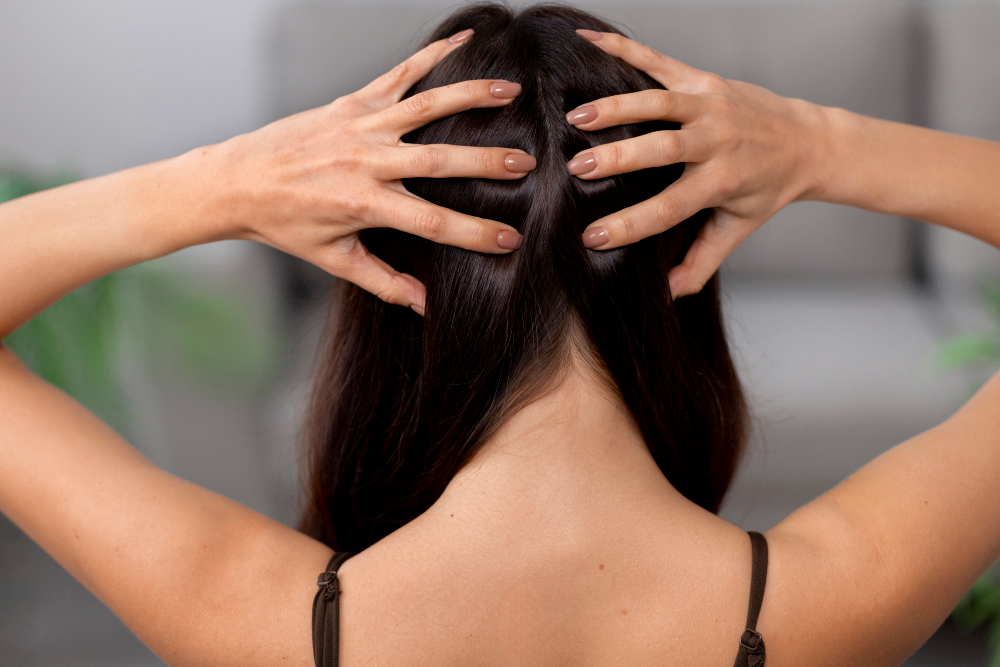
Many people apply shampoo to the tips of their hair instead of focusing on the scalp. Since oils accumulate on the scalp, this approach leaves buildup and may require extra washes, contributing to hair-washing mistakes. Always massage shampoo gently into the roots, letting the rinse carry suds through the lengths.
3. Skipping Conditioner or Not Using it Properly
Conditioner is not just for detangling your hair. It helps seal moisture, protect the hair shaft, and reduce frizz. Neglecting it or applying it to the scalp can make your hair look limp or greasy. Apply from mid-lengths to the ends for best results.
4. Believing in Scalp Training Myths
The idea that washing less will train your scalp to produce less oil is misleading. Scalp oil production is largely hormonal and genetic. Overwashing without proper maintenance can lead to buildup and a dry scalp from avoiding shampoo.
5. Ignoring Environmental and Lifestyle Factors
Pollution, smoke, sweat, and styling products all influence how often your hair needs cleansing. Failing to adjust your hair washing schedule for these factors is a common mistake. Quick rinses, scalp massages, or a light cleanse can prevent buildup without overwashing.
Alternatives & Enhancements to Shampooing
Not everyone needs to rely on shampoo every day. These alternatives and enhancements can help maintain clean, healthy hair while preventing over-washing hair damage:

1. Dry Shampoo – Quick Refresh
Dry shampoo absorbs excess oils and refreshes hair between washes. Perfect for:
- Busy mornings when a full wash isn’t feasible
- Post-workout hair that isn’t visibly dirty but feels greasy
- Maintaining styles without causing extra damage
🌀 Apply to roots, let it sit for a few minutes, then massage or brush through. Avoid overuse, as buildup can weigh down hair and irritate the scalp.
2. Co-Washing/No-Poo
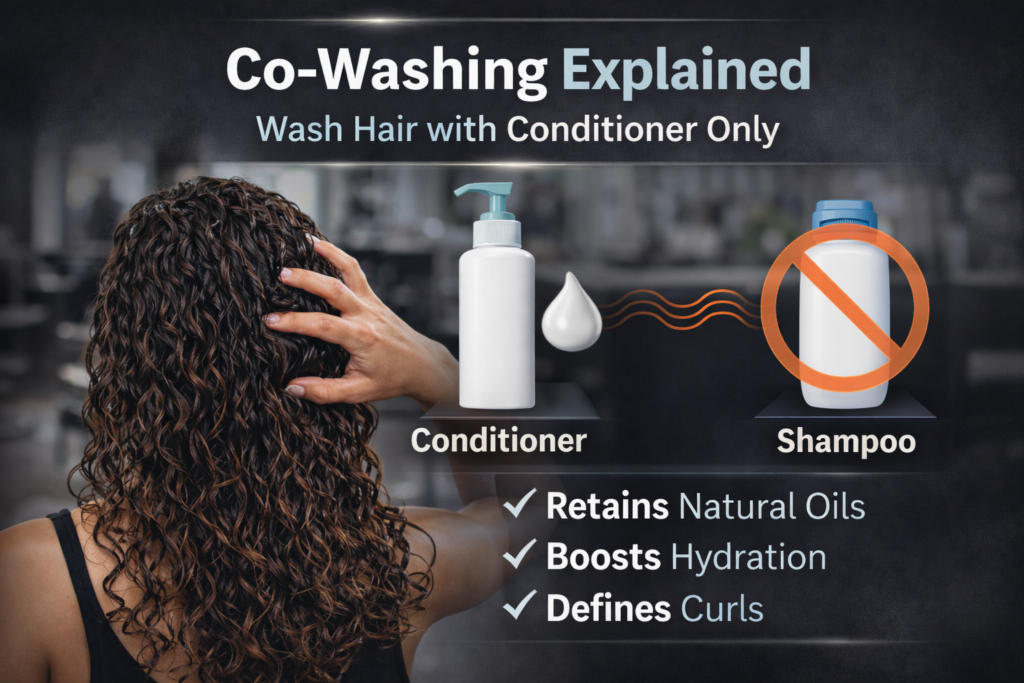
Co-washing uses conditioner instead of shampoo to cleanse hair, ideal for curly or dry hair types. Benefits include:
- Retains natural oils while removing light buildup
- Reduces frizz and dryness
- Improves curl definition
🌀 No-poo methods (using water-only or gentle alternatives) also work for scalp-sensitive hair, but results may vary depending on oil production and product use.
3. Clarifying Shampoos – Deep Clean Once in a While
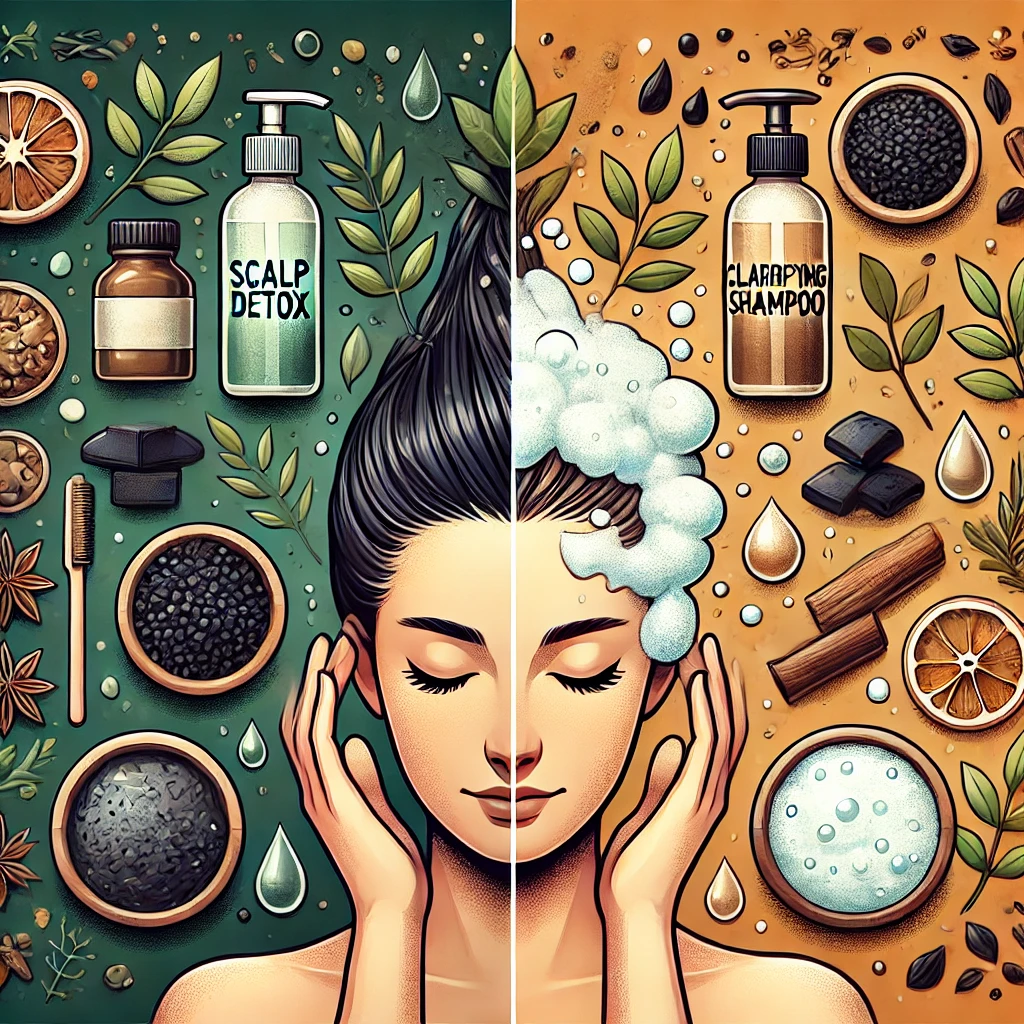
Clarifying shampoos remove product buildup, sweat, and environmental debris.
Recommended use:
- Once a week for oily hair
- Every 2-3 weeks for textured or dry hair
- Only when needed; overuse can strip moisture
🧴 Follow with hydrating conditioner to replenish moisture and protect the hair shaft.
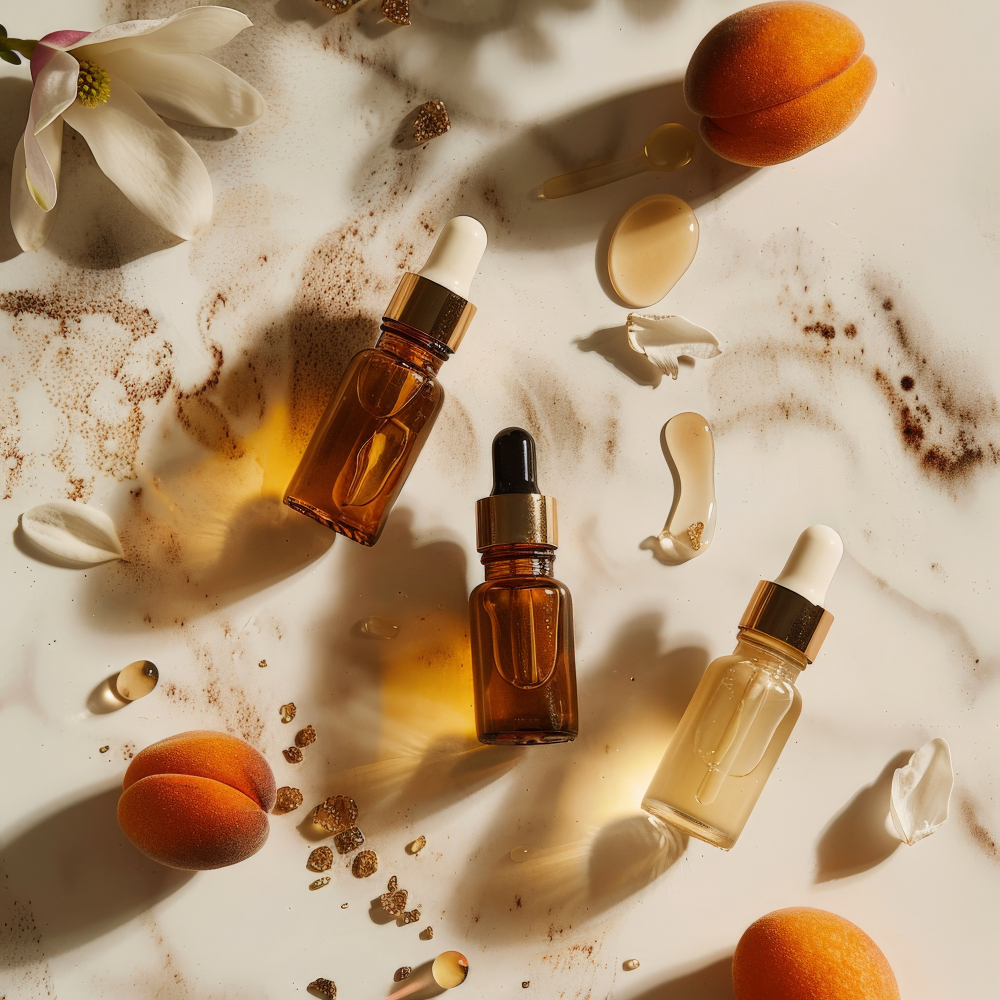
4. Scalp Treatments & Oils
Adding occasional scalp treatments or nourishing oils can reduce the frequency of your hair washes.
- Tea tree or salicylic acid treatments for oily or itchy scalps
- Lightweight oils such as argan or jojoba for dry ends
- Helps maintain scalp oil production balance without overwashing
5. Water-Only Rinses
A gentle rinse with water can refresh hair, remove light sweat, and reduce odor. Great for:
- Low oil production hair types
- Between shampoo days, maintain hair washing frequency without causing dryness
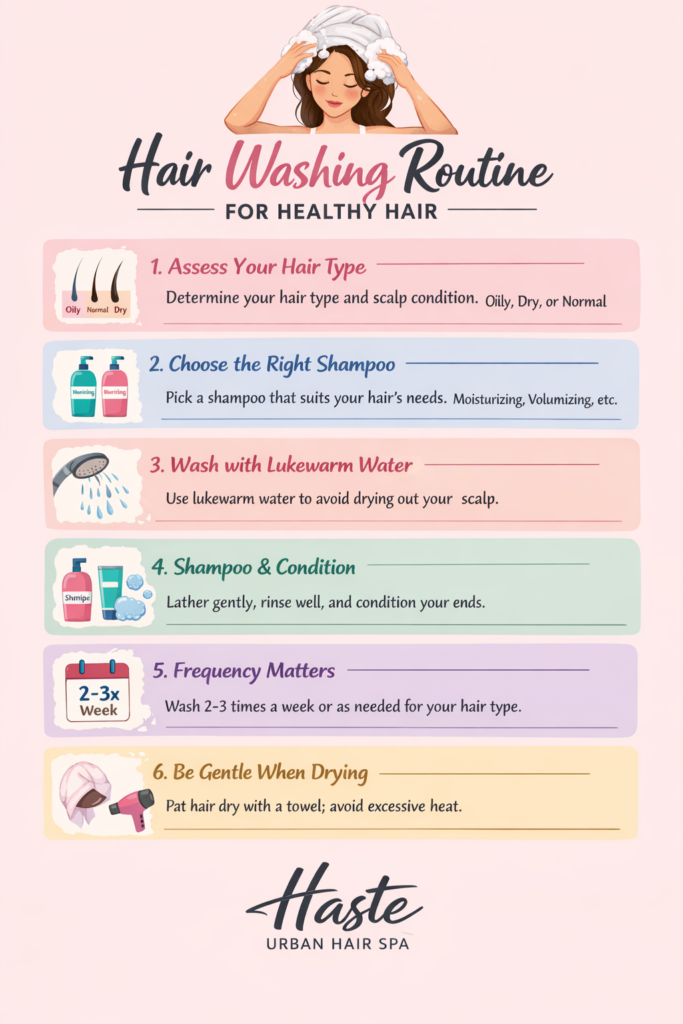
Hair Washing Routine for Healthy Hair
A well-planned shampoo routine can make all the difference, maximizing hair health while respecting your scalp’s natural oils:
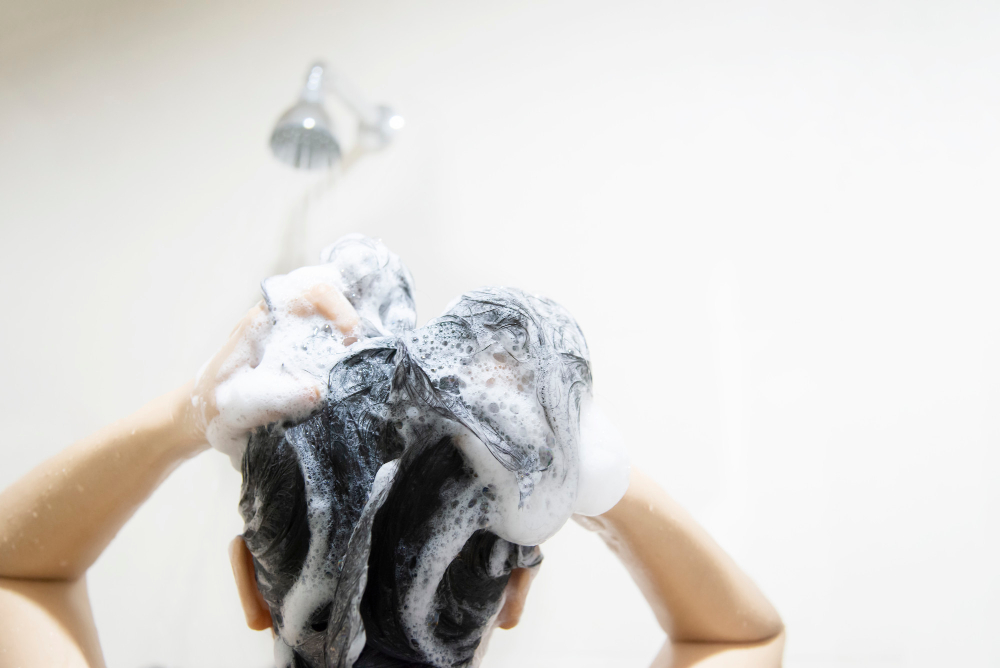
Step 1: Massage Shampoo Into The Scalp
- Focus on roots where oils and debris accumulate
- Use gentle, circular motions — avoid harsh scrubbing

Step 2: Rinse Thoroughly
- Let water flow from scalp to ends, carrying suds along
- Avoid leaving shampoo residue, which can weigh down hair
Step 3: Apply Conditioner Mid-Length to Ends
- Protects and moisturizes the hair shaft
- Prevents frizz and split ends
- Avoid applying conditioner directly to the scalp (can make hair greasy)
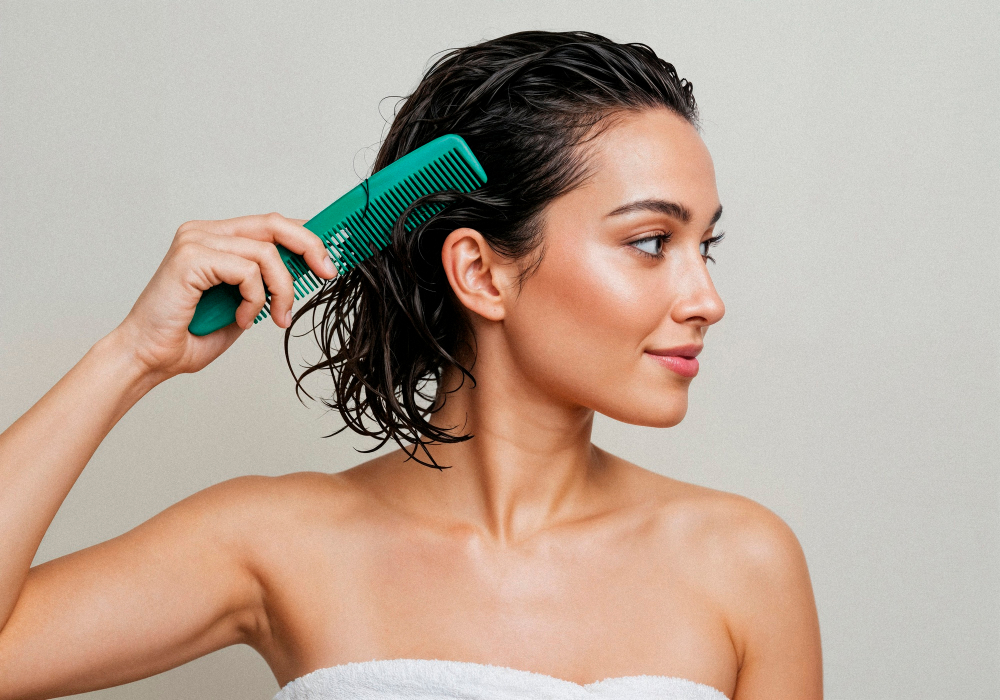
Step 4: Final Rinse with Cool Water
- Seals the hair cuticle
- Enhances shine and smoothness
Step 5: Adjust Frequency Based on Feedback
- Monitor scalp oiliness, dryness, and hair texture
- Adjust your hair washing frequency for lifestyle changes (exercise, pollution, styling)
Pro Tip:
- Use gentle, sulfate-free shampoos to minimize the effects of shampoo overuse.
- Incorporate leave-in conditioners or light oils for hydration
- Keep a weekly or bi-weekly clarifying session if using styling products
Experience Personalized Hair Care at Haste Urban Hair Spa
At Haste Urban Hair Spa, we tailor your hair washing routine to your hair type, scalp condition, and lifestyle.
Book a consultation with our experts today to discover your ideal hair washing frequency and unlock the healthiest, most vibrant hair you’ve ever had.
FAQ
How often should I wash my hair?
Washing your hair depends on your hair type, scalp oiliness, and lifestyle. Fine, oily hair may need daily washing, while curly or textured hair may only need it once a week.
Does washing hair daily strip natural oils?
Yes, washing your hair daily can strip natural oils, leading to dryness and breakage. Adjust your hair washing frequency to your hair’s needs.
Can washing your hair too often cause a dry scalp?
Yes, washing your hair often can cause a dry scalp, as using harsh shampoos frequently can irritate the scalp and reduce natural moisture.
How does sweat affect the washing schedule?
Sweating can make your hair feel greasy and itchy. A quick rinse or gentle shampoo may be needed after workouts.
Does hair type affect how often you wash?
Yes, your hair type determines how often you should wash. Fine or straight hair needs more frequent washing, while curly or thick hair needs less frequent washing.