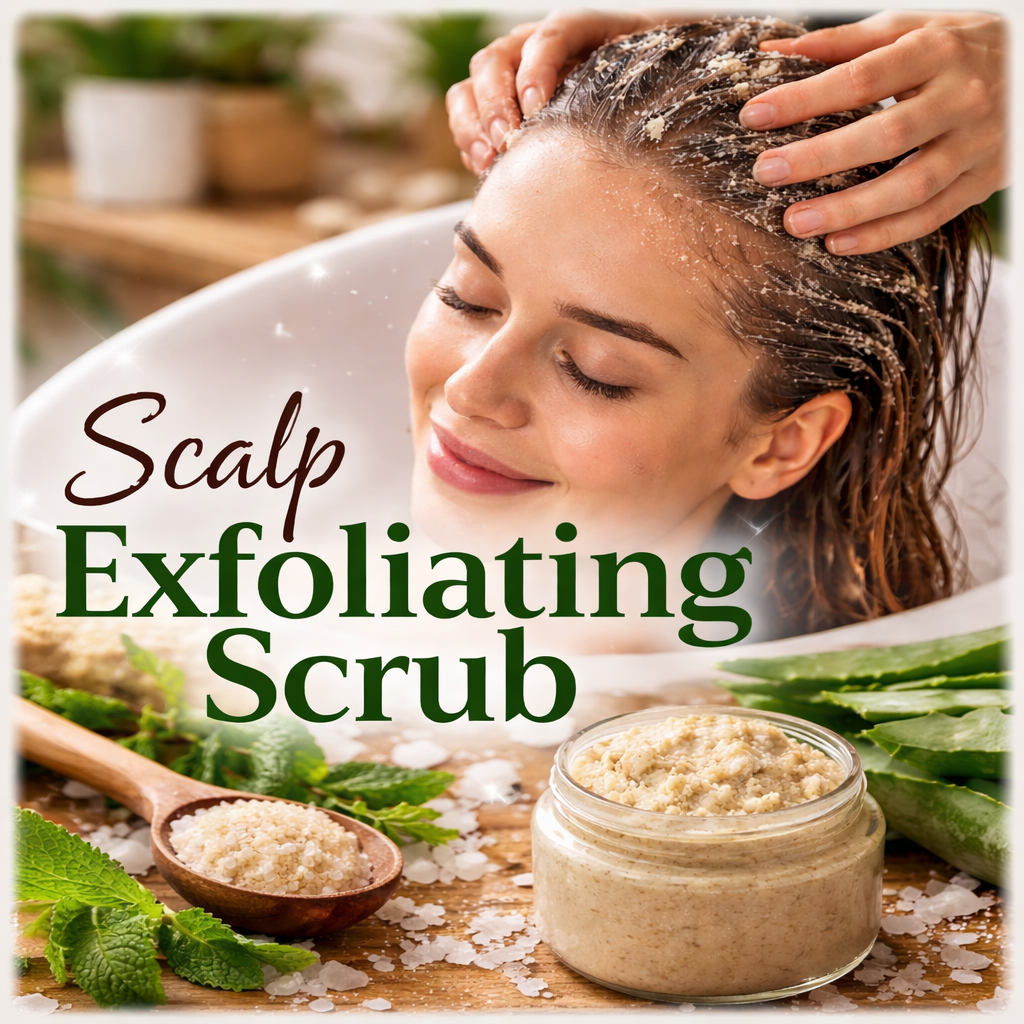
Healthy hair starts at the root. If your scalp feels oily, itchy, or your hair looks dull despite all the products you use, buildup might be blocking your hair follicles.
Over time, styling products, natural oils, and dead skin can clog your scalp, leading to scalp and hair problems.
A scalp exfoliating scrub targets these issues, cleansing while stimulating circulation, leaving your hair stronger, shinier, and healthier.
Whether you struggle with flakiness, excess oil, or hair that won’t grow, a good scalp scrub can act as a reset button for your scalp.

What Is a Scalp Exfoliating Scrub & Why You Need One
Your scalp collects dead skin cells, excess oil, and product residue over time. Without regular exfoliation, follicles can become clogged, contributing to dandruff, hair thinning, and hair loss.
A scalp exfoliating scrub works like a scalp therapy treatment, removing buildup and promoting a healthier scalp environment even for combination hair.
Benefits include:
- Removing buildup: Scrubs help clear away dead skin cells, oil, and product residue.
- Boosting circulation: Massaging stimulates blood flow, encouraging healthier hair growth.
- Preventing dandruff: Exfoliation reduces the risk of flakes and itchiness.
- Enhancing hair health: A clean, nourished scalp produces stronger, shinier hair.
🧴 Tip: Combine a scrub with a hydrating scalp treatment to alleviate dryness and maintain a balanced scalp.
Key Ingredients That Make Scalp Exfoliating Scrubs Work
Different scrubs target different scalp concerns. Understanding ingredients helps you pick the right one:
- Salicylic acid: Dissolves oil and buildup deep in follicles — ideal for oily or dandruff-prone scalps.
- Glycolic & lactic acids: Gently exfoliate the skin’s surface, loosening dead skin cells.
- Charcoal & clay: Detoxify and balance oil naturally.
- Tea tree & peppermint oil: Soothe irritation and fight microbial buildup.
- Niacinamide: Regulates oil and supports the scalp barrier.

Physical vs Chemical Exfoliation: Which Is Right for You?
| Type | How It Works | Best For | Caution |
|---|---|---|---|
| Physical | Scrubs away dead skin | Thick hair, heavy buildup | Can irritate sensitive scalps |
| Chemical | Dissolves dead skin & oil | Sensitive or flaky scalp | Avoid overuse, follow instructions |
Physical scrubs give immediate cleansing and volume, while chemical exfoliants gently dissolve buildup for sensitive scalps. Many users combine both methods once or twice a week for optimal results.
How to Choose the Best Scalp Scrub for Your Hair Type
No single scrub works for everyone. Match your scalp exfoliating scrub to your hair type and scalp condition:
- Oily scalp? Look for scrubs with salicylic acid or charcoal.
- Dry or flaky scalp? Opt for hydrating formulas with sugar, aloe vera, or jojoba oil.
- Sensitive skin? Choose fragrance-free, non-abrasive scrubs with calming ingredients like oat or chamomile.
- Curly or textured hair? Cream-based scrubs are gentler and more moisturizing.
🧴 Tip: Test a small amount first, especially if you have sensitive skin, to avoid irritation.
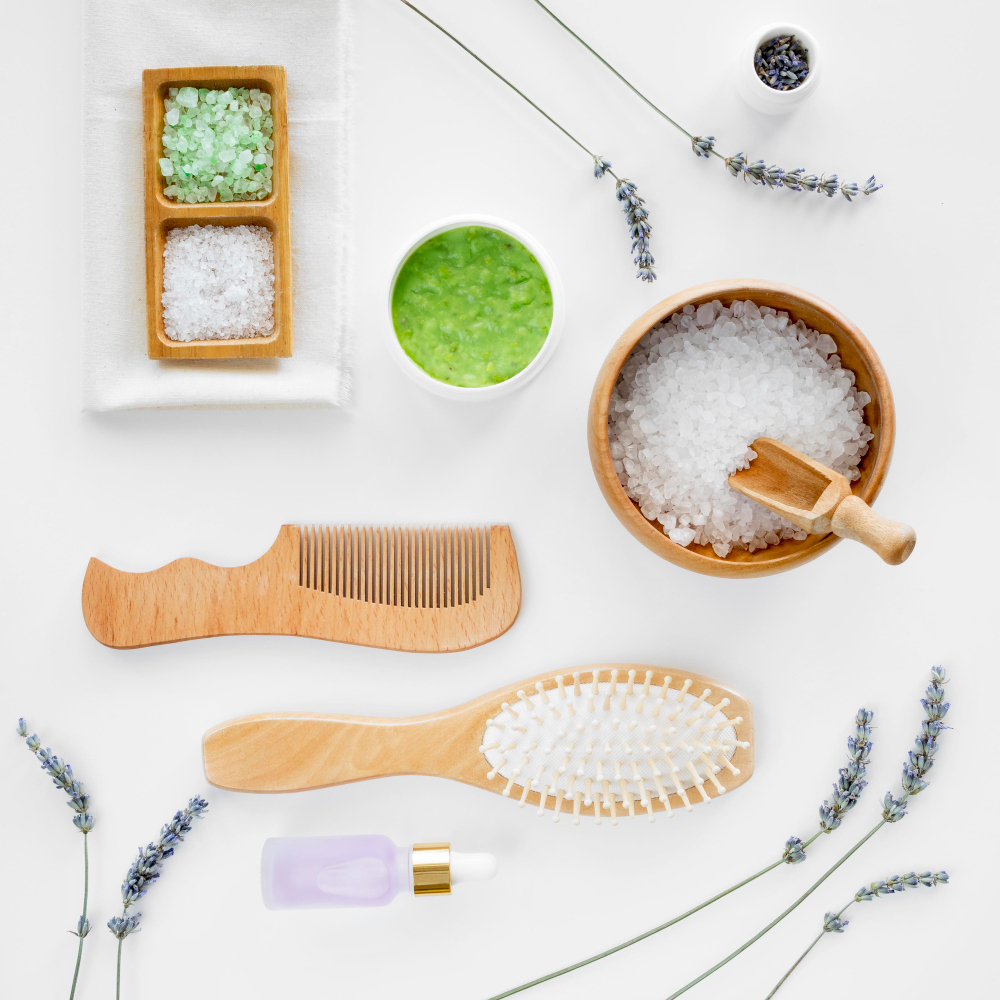
How to Use a Scalp Exfoliating Scrub at Home
Using your scrub correctly ensures maximum benefit:
- Prep Hair: Wet hair thoroughly so the scrub spreads easily. Section hair for even application.
- Apply Scrub: Massage a small amount into your scalp using circular motions. Focus on areas with more buildup, like the crown and hairline.
- Massage: Continue for 2–5 minutes to loosen dead skin cells, oil, and residue.
- Rinse Thoroughly: Remove all scrub traces with lukewarm water. Residue can irritate the scalp.
- Follow-Up: Use a gentle shampoo and nourishing conditioner to lock in hydration.
- Style: Air dry or style as desired for a fresh, voluminous feel.
🧴 Tip: Exfoliating before shampooing allows your cleanser to work more effectively.
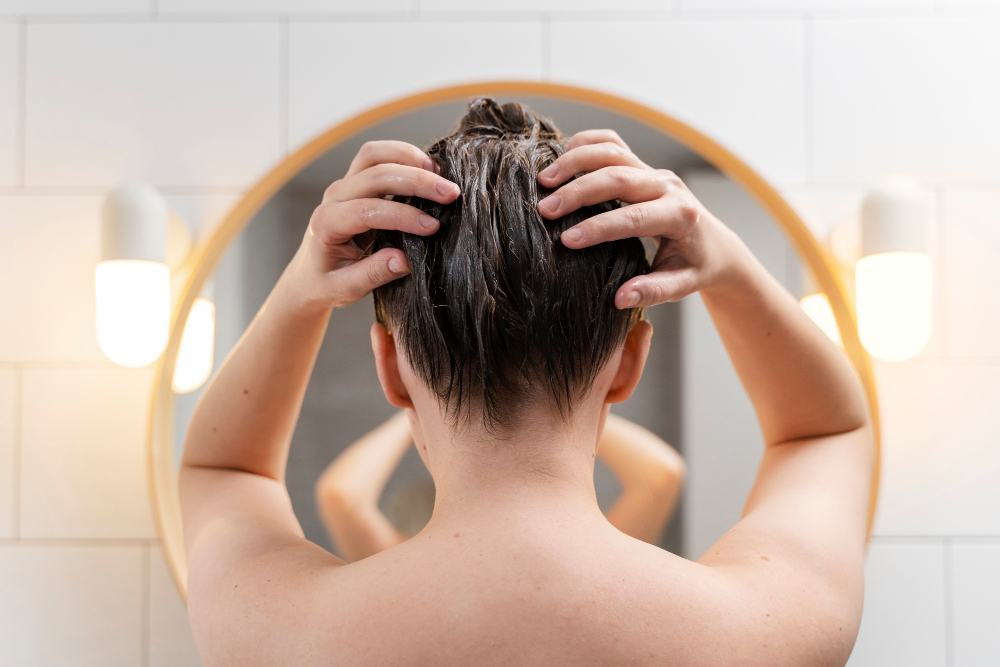
Who Should Use a Scalp Scrub?
Scalp exfoliating scrubs are suitable for most people, especially:
- Oily Scalps: Regular exfoliation can help keep your scalp balanced and prevent greasiness if you struggle with excess oil production.
- Experiencing Product Buildup: If you frequently use styling products like gels, mousses, or dry shampoos, a scrub can effectively remove residue and keep your scalp clean.
- Dandruff or Flakiness: A scalp scrub can help reduce flakiness. It removes dead skin cells to promote healthier hair.
- Experiencing Hair Thinning: Maintaining improved scalp health through exfoliation can encourage growth by creating a clean environment free from clogged hair follicles.
- Dry or Itchy Scalps: A gentle scalp scrub can alleviate itching and dryness by removing dead skin cells and enhancing moisture absorption.
Avoid scrubs if:
- You have sensitive or irritated scalp conditions (psoriasis, eczema).
- You have open wounds or cuts on the scalp.
Malibu C Scalp Therapy: Professional Treatment
Malibu C is a specialized scalp therapy targeting itching, flaking, and buildup. Its natural formula includes vitamin C, botanical extracts, and antioxidants—free of parabens, sulfates, and harsh chemicals.
How Malibu C Works:
- Prep Hair: Wet thoroughly to open scalp pores.
- Mix Treatment: Combine the powder and water to form a paste. Salons prepare it professionally.
- Apply: Massage gently into the scalp for 2–3 minutes.
- Process: Let it sit 5–10 minutes to detoxify, remove buildup, and soothe irritation.
- Rinse & Condition: Rinse with lukewarm water, follow with gentle shampoo and conditioner.
Best For:
- Dry or irritated scalps
- Dandruff or psoriasis
- Product buildup or exposure to hard water
🧴 Check ingredients if you have allergies and consult a dermatologist for severe scalp conditions.

Scalp Therapy Shampoo & How to Use It
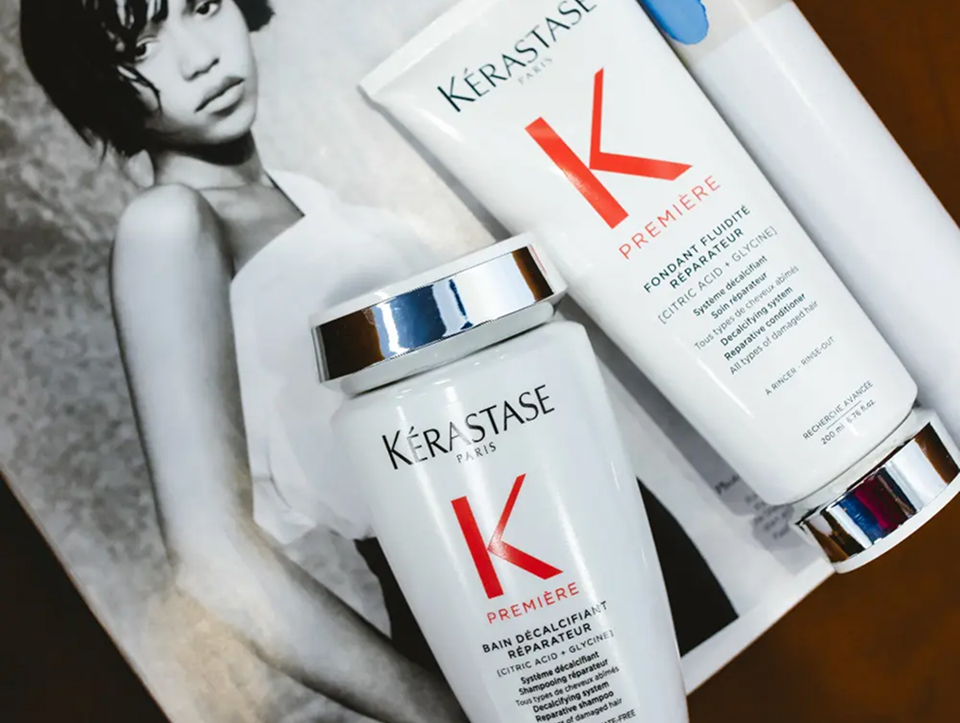
A scalp therapy shampoo deeply cleanses while treating dandruff, oiliness, or itchiness. Key ingredients often include salicylic acid, tea tree oil, or zinc pyrithione.
Usage Steps:
- Wet hair with warm water.
- Apply shampoo and massage for 2–3 minutes to exfoliate and stimulate circulation.
- Rinse thoroughly.
- Apply hydrating conditioner mid-length to ends.
Who Benefits Most:
- Dandruff or seborrheic dermatitis
- Oily or product-heavy scalps
- Irritated scalps needing gentle exfoliation

Frequency:
- Normal/oily scalp: Once a week
- Dry/sensitive scalp: Every 2–3 weeks
- Heavy product users: 1–2 times per week
🧴 Tip: Avoid over-exfoliating. Always follow with hydration.
Signs Your Scalp Needs Exfoliation
- Your hair feels flat or greasy, even after washing.
- You notice flakes or itchiness on your scalp.
- You struggle with hair thinning or breakage.
- Your hair lacks shine or appears dull.
If any of these sound familiar, it’s time to give your scalp the love it deserves.
📅 Book your scalp exfoliation treatment with us today.
Ready to Refresh Your Scalp? Book with Us
A healthy scalp means better hair—fuller, shinier, and stronger. Whether you exfoliate at home or book a professional detox with Malibu C, regular scalp care can transform your hair journey.
✨ Book a scalp treatment at Haste Urban Hair Spa and let our experts reset your roots.
FAQ
What is a scalp exfoliating scrub, and how does it work?
The scalp exfoliating scrub helps remove dead skin cells, product buildup, and scalp oil. It typically contains gentle exfoliants, such as salt, sugar, or natural beads, that help cleanse and stimulate the scalp. When massaged into the scalp, the scrub boosts circulation, promotes hair growth, and enhances overall scalp health.
How often should I exfoliate my scalp?
Once a week is ideal. If your scalp is oily or you use a lot of products, washing it 1–2 times per week is acceptable, but avoid overwashing.
Can a scalp scrub help with dandruff?
Regular scalp exfoliation can help prevent dandruff by removing dead skin cells and buildup that contribute to flakes. It also maintains a healthy scalp, reducing itching and flakiness over time.
Is a scalp scrub safe for all hair types?
Scalp exfoliation benefits all hair types. Choose a gentle scrub with smaller exfoliants if you have fine or thinning hair. A more robust scrub can help tackle product buildup effectively for thick or curly hair.
Does scalp exfoliation promote hair growth?
Scalp exfoliation can promote hair growth by removing dead skin cells, unclogging hair follicles, and stimulating circulation. This can lead to healthier hair growth. However, it’s essential to exfoliate gently to avoid irritation.
Should I exfoliate my scalp before or after shampooing?
It is best to exfoliate your scalp before shampooing. This helps remove any buildup of dead skin cells and product residue, allowing the shampoo to cleanse the scalp better.
What should I do if I experience irritation after using a scalp scrub?
If you experience irritation after using a scalp exfoliating scrub, discontinue use and consult a dermatologist.