Flakes, itchiness, and greasy roots can make it hard to tell whether you’re dealing with dandruff vs product buildup.
Dandruff usually shows as dry or oily flakes accompanied by scalp irritation, while product buildup often leaves your hair feeling coated or weighed down without inflammation.
Although they may look similar at first glance, these two scalp issues have very different causes, and treating the wrong one can make symptoms worse.
Understanding the difference between dandruff and product buildup is the key to choosing the proper treatment, calming your scalp, and restoring healthy hair without trial and error.
Dandruff vs Product Buildup: What’s The Difference?
What is Dandruff?
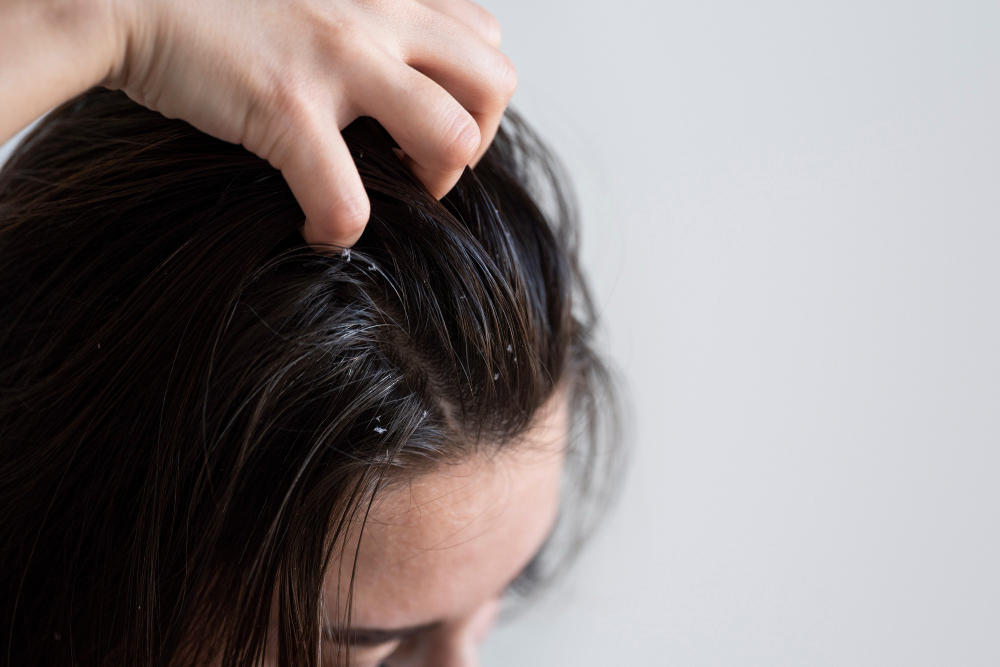
Dandruff is a common scalp condition characterized by the shedding of dead skin cells. It’s often accompanied by itching and can be either dry or oily.
🔬 Studies show that dandruff affects nearly 50% of adults worldwide at some point, while product buildup is one of the most common reasons for dull, heavy hair in regular haircare routines.
Causes
- Malassezia Yeast Overgrowth: This naturally occurring fungus feeds on scalp oils, leading to irritation and flaking.
- Dry Skin: Cold weather or dehydration can make the scalp dry and flaky.
- Oily Skin: Excess oil production can lead to seborrheic dermatitis, a more severe form of dandruff.
- Sensitivity to Hair Products: Certain shampoos or styling products can cause scalp irritation.
- Other factors, such as stress, hormonal changes, and diet, can also contribute to dandruff. Check out our article on common scalp conditions to determine if you have dandruff.

Symptoms
- Dry Dandruff: Small, white flakes with mild itching.
- Oily Dandruff: Larger, yellowish flakes with intense itching and possible scalp redness.
Treatment Options
- Medicated Shampoos: Look for ingredients such as zinc pyrithione, ketoconazole, or selenium sulfide.
- Home Remedies: Tea tree oil or apple cider vinegar rinses may help alleviate symptoms.
- Professional Treatments: Consult a dermatologist for persistent or severe cases.
🧴 For more detailed information, visit our guide on Dandruff Control.
What is Product Buildup?
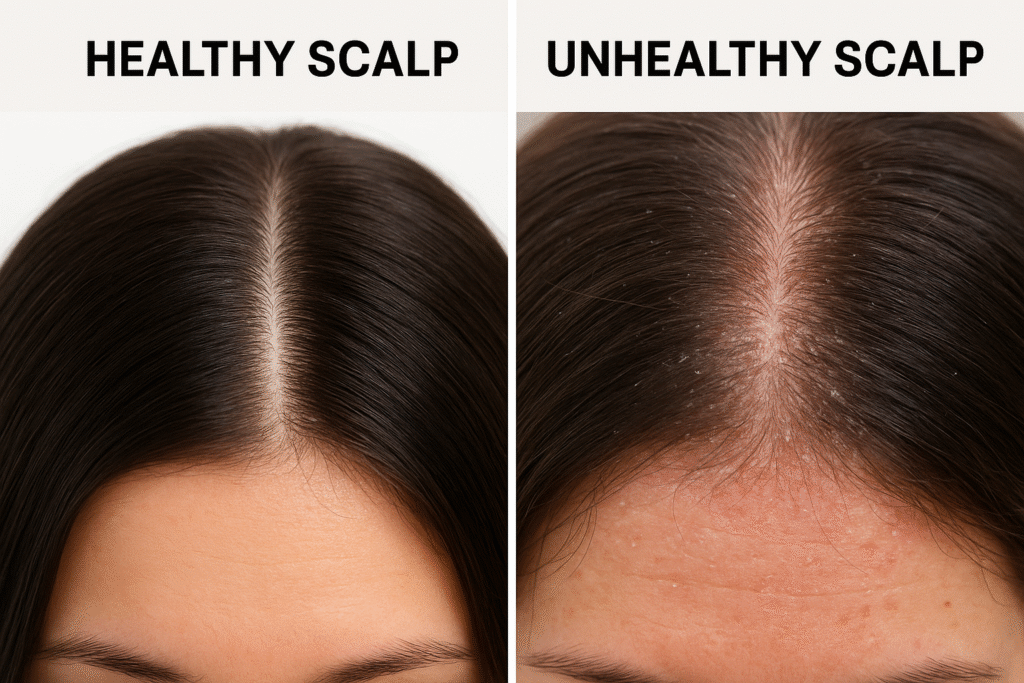
Product buildup refers to the accumulation of styling products, oils, and residues on the scalp and hair, leading to a greasy appearance and potential scalp issues.
Causes
- Overuse of Styling Products: Frequent application of gels, sprays, and leave-in conditioners can lead to residue buildup.
- Infrequent Washing: Not washing hair regularly allows product buildup on the scalp.
- Use of Non-Water-Soluble Products: Some products don’t rinse out easily, leading to buildup.
Symptoms
- Greasy Appearance: The hair appears weighed down and lacks volume.
- Itchy Scalp: Accumulated products can irritate the scalp.
- Dull Hair: Product residue can make hair appear lifeless.
Treatment Options
- Clarifying Shampoos: Use products designed to remove buildup without stripping natural oils.
- Home Remedies: Apple cider vinegar rinses can help dissolve residue.
- Regular Washing: Shampoo hair regularly to prevent accumulation.
🧴 For more information, check out our article on How to Choose the Right Dandruff Shampoo.
How to Tell If It’s Dandruff or Product Buildup (Quick Test)
If you’re unsure which condition you’re dealing with, ask yourself:
- Do flakes improve after washing with a clarifying shampoo? Likely product buildup
- Do flakes return quickly with redness or itching? More likely dandruff
- Do flakes feel oily or yellowish? Oily dandruff
- Does your hair feel coated, waxy, or heavy? Product buildup
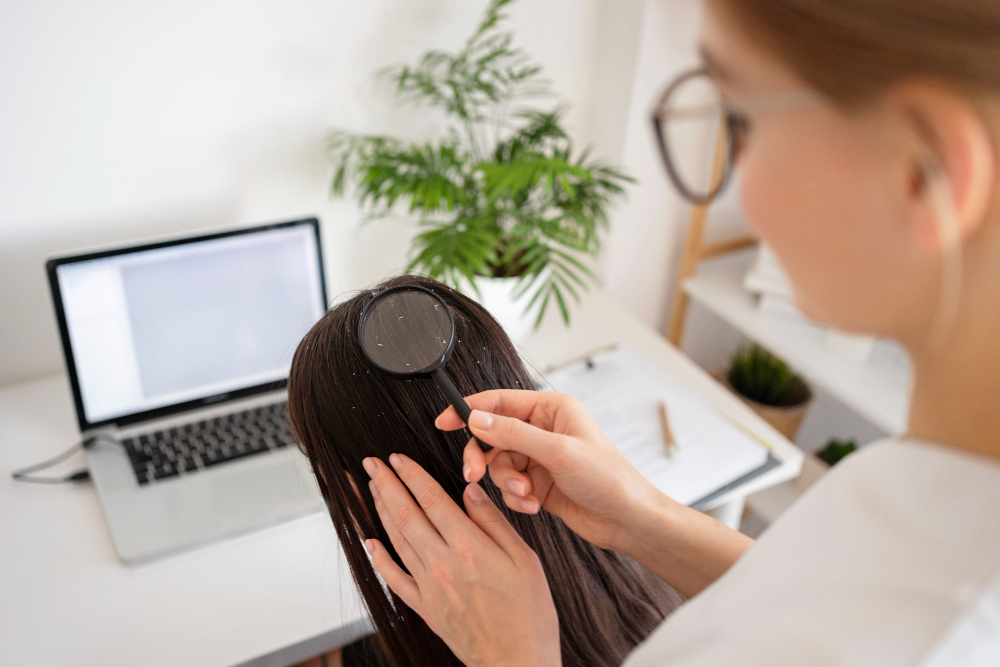
Dandruff vs Product Buildup: Side-by-Side Diagnosis Guide
| How to Identify It | Dandruff | Product Buildup |
|---|---|---|
| Root cause | Scalp condition (yeast, inflammation) | Residue from products, oils, minerals |
| What flakes look like | White or yellow, dry or oily | Sticky, waxy, or film-like |
| Scalp reaction | Itchy, irritated, sometimes red | Heavy or coated feeling |
| Does it wash out easily? | ❌ No | ✅ Yes |
| Best first treatment | Medicated dandruff shampoo | Clarifying shampoo |
| Can it return quickly? | Yes (chronic without care) | Only if the buildup continues |
🧴 For a visual comparison, visit our Dandruff vs. Dry Scalp guide.
When to Seek Professional Help
If you’re experiencing persistent symptoms or if over-the-counter treatments aren’t effective, it may be time to consult a professional.
A dermatologist or trichologist can provide a proper diagnosis and recommend appropriate treatments.
Consider booking a Scalp Therapy Service at Haste Urban Hair Spa for personalized advice.
Additional Tips for Long-Term Scalp Health
Whether dealing with dandruff, product buildup, or both, maintaining a clean, balanced scalp is key to preventing future flare-ups. Here are some dermatologist-approved tips and professional insights to keep your scalp and hair in top condition 👇
1. Wash with Intention, Not Just Habit
Overwashing or underwashing can both lead to scalp issues.
- If you have dandruff, use a medicated shampoo 2–3 times a week to control Malassezia yeast.
- If you have buildup: Incorporate a clarifying shampoo once every 1–2 weeks to remove residue and restore scalp balance.
💡 Tip: Alternate between your medicated and regular shampoo to prevent dryness or irritation.
2. Clarify Naturally with Home Remedies
Gentle, natural rinses can help reset your scalp’s pH and dissolve product film.
- Mix 1 part apple cider vinegar with two parts water, then use as a post-shampoo rinse.
- Try a baking soda scrub once a month to gently exfoliate dead skin cells.
🧴 Note: Always follow with conditioner to keep hair hydrated. For oily scalps, check out How to Treat Oily Dandruff.

3. Don’t Skip Scalp Exfoliation
Just like your skin, your scalp needs exfoliation.
- Use a scalp scrub or a shampoo brush to lift flakes, oil, and residue.
- Massage gently in circular motions to stimulate circulation.
💡 Bonus: Regular exfoliation enhances shampoo effectiveness and promotes healthy hair growth.
4. Feed Your Scalp from the Inside Out
Your diet directly impacts scalp health.
- Eat foods rich in zinc, omega-3 fatty acids, and B vitamins, which help regulate oil production and reduce inflammation.
- Stay hydrated—dehydration can worsen dryness and flaking.
- Try adding salmon, avocados, nuts, and leafy greens to your weekly meals.
5. Manage Stress and Lifestyle Factors
Stress is a silent trigger for dandruff flare-ups.
- Incorporate relaxation techniques like yoga, meditation, or breathing exercises.
- Get 7–8 hours of quality sleep each night.

6. Consider Climate and Environment
Your scalp’s needs can change with the seasons.
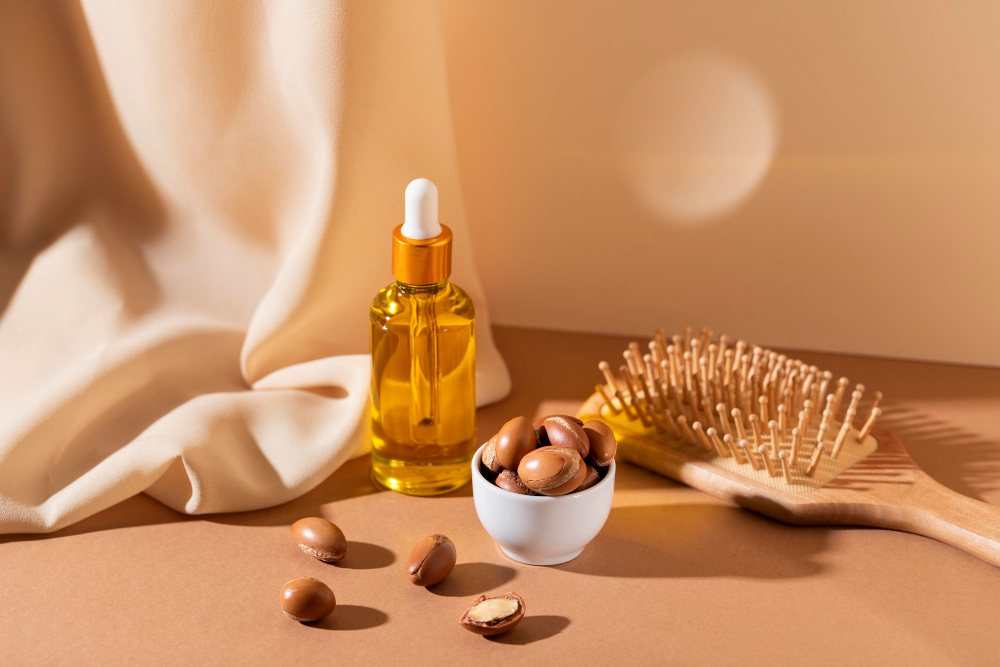
- In cold or dry climates, moisturize the scalp with lightweight oils, such as jojoba or argan.
In humid areas: Focus on clarifying treatments to prevent buildup from sweat and pollution. - Environmental factors, such as hard water, can also contribute to residue. To reduce mineral deposits, consider using a filter showerhead.
7. Choose Professional Scalp Care
Sometimes, the most effective solution comes from expert hands.
- Schedule a scalp detox or consultation to analyze your scalp type and product usage.
- Professionals can recommend tailored treatments, such as exfoliating peels, hydrating serums, or micro-mist therapies.
✨ For expert scalp analysis and tailored treatments, visit Haste Urban Hair Spa.
8. Keep a Consistent Routine
Consistency is the key to lasting results.
- Stick to your chosen products for at least 3–4 weeks before switching.
- Track your scalp’s response and note any triggers (new shampoo, diet changes, stress).
📔 Maintaining a “scalp journal” can help you identify what works best for your hair type.
9. Know When It’s Time to Seek Help
Professional evaluation is the next step if flakes, redness, or buildup persist despite home care.
A scalp specialist or dermatologist can help identify:
- Seborrheic dermatitis
- Psoriasis
- Contact dermatitis
- Fungal overgrowth
Don’t wait for discomfort to escalate—book a professional scalp consultation near you to receive the right treatment plan.
Achieving a Healthy Scalp
Understanding the differences between dandruff and product buildup is the first step toward achieving a healthy scalp.
By identifying the root cause of your symptoms and implementing the appropriate treatments, you can restore balance to your scalp and enjoy healthy, vibrant hair.
For personalized scalp treatments and expert advice, visit Haste Urban Hair Spa. Our team is dedicated to helping you achieve your hair and scalp goals.
FAQ
How can I tell if my flakes are from dandruff or just product buildup?
If flakes are oily, yellowish, and your scalp feels inflamed, it’s likely dandruff. If they’re sticky, cling to hair shafts, and wash out with a clarifying shampoo, it’s likely due to expected product buildup.
Can product buildup cause dandruff?
Product buildup itself doesn’t directly cause dandruff, but it can trap oils and irritants that worsen scalp yeast overgrowth, thereby contributing to dandruff.
How often should I use a clarifying shampoo vs a dandruff shampoo?
For product buildup, use a clarifying shampoo about once every 1–2 weeks. For dandruff, use a medicated dandruff shampoo 2–3 times a week (or as directed) until symptoms improve.
Are heavy styling products always the cause of product buildup?
Can I treat both dandruff and product buildup simultaneously?
Yes—start by clarifying to remove residue, then switch to a dandruff-targeted shampoo and maintain a preventive regimen to manage both triggers simultaneously.
What’s the difference between dandruff and shampoo residue?
Shampoo residue is a form of buildup and disappears after clarifying. Dandruff persists even with regular washing.