October 23, 2024
Hair Gloss And Glaze: Differences, Benefits & Hair Safety
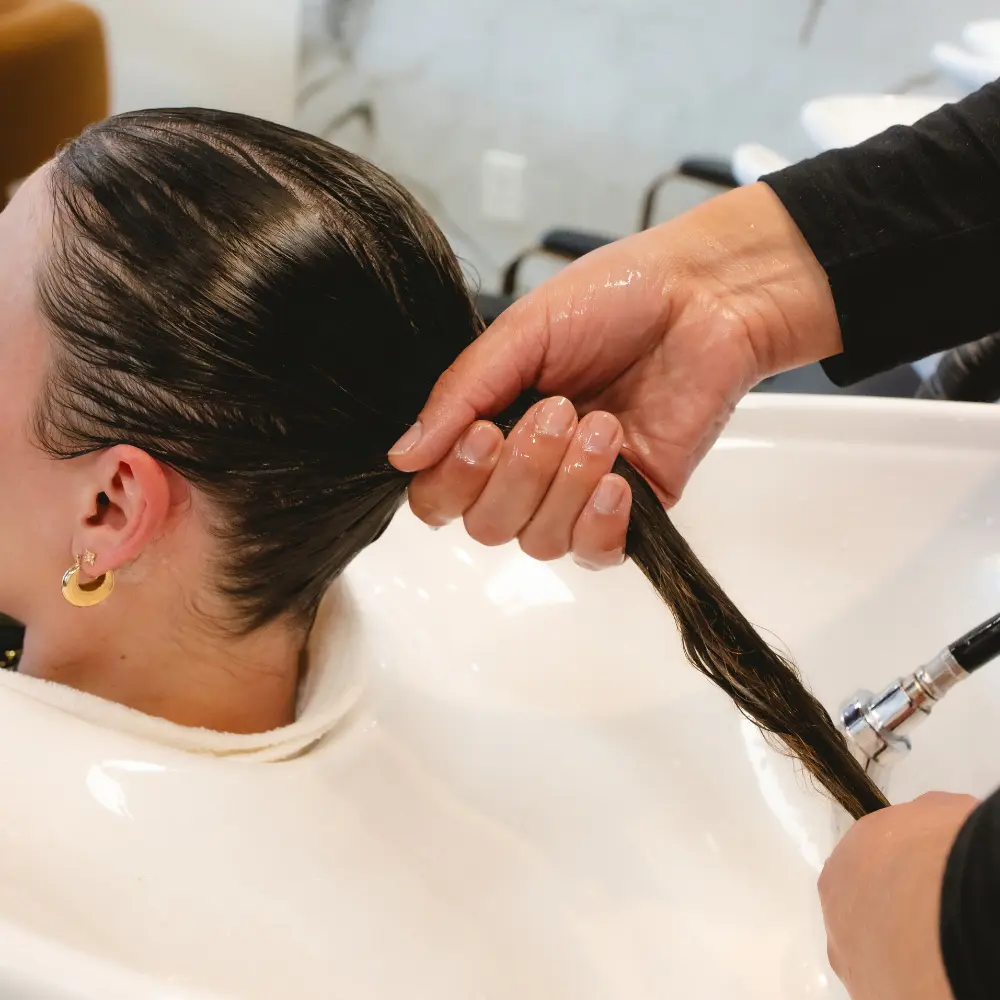
Hair Gloss and Glaze treatments are two of the most popular ways to boost shine, refresh color, and smooth frizz.
Yet, they’re often confused. While both deliver glossy, healthy-looking hair, they work differently and serve different goals.
In our guide, we break down the difference between hair gloss and glaze, explain their benefits, answer whether they damage hair, and help you choose the right treatment for your hair type and lifestyle.
Hair Gloss vs Hair Glaze: What’s the Difference?
The main difference between hair gloss and glaze lies in how deeply they penetrate the hair and how long the results last.
What is Hair Gloss?
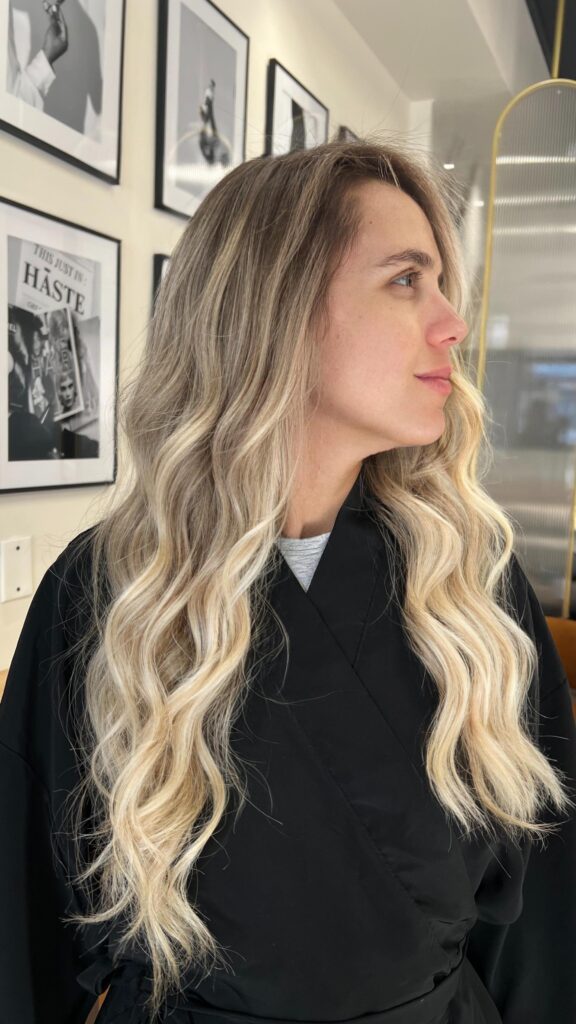
With a hair gloss treatment, you get a semi-permanent color treatment to help enhance the texture of your hair. The gloss is safe for all hair types, whether natural or chemically treated.
The treatment aims to add shine, refine the tone, and create a multi-dimensional look while combating dryness, frizz, and split ends. Hence, it is a form of toner, and while all glosses contribute to the hair, each serves a different purpose.
Some can add tone to gold or ash hair, while others can minimize the tone. You can also find clear glosses to give your hair a healthy appearance. You can find glosses that help refresh faded ends, gently darkening the color or even camouflaging gray in a single process.
Still, most glosses contain a small amount of ammonia, which helps deposit the tone into the hair strands. Regardless of the changes, hair gloss leaves your hair moisturized and shiny. A gloss treatment can last 4 to 6 weeks.
What is Hair Glaze?
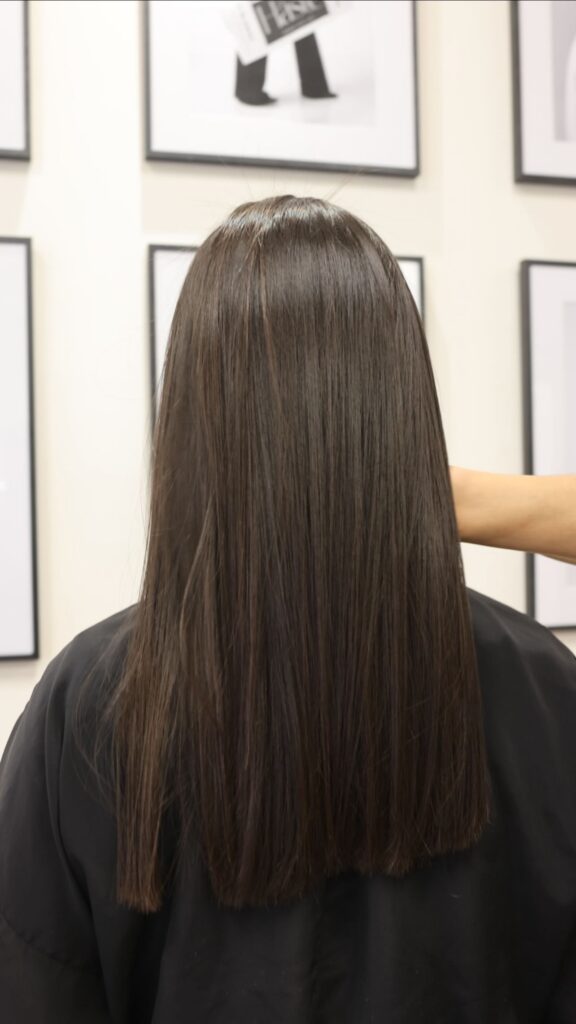
Compared to hair gloss and glaze, the latter is a non-permanent, ammonia-free, peroxide-based hair treatment that sits outside the hair cuticle. Hence, it coats the outer layer of your hair strands.
The result is that a hair glaze offers minimal tonal change but excels at adding conditioning and shine. Thus, it creates significant stains rather than toners, adding a temporary tint to the hair without profoundly affecting your natural color.
We are not saying a glaze cannot transform your hair color; it depends on the dosage and how sheer or pigmented it is when applied. An added benefit is that you mix glazes with your conditioner to help maintain a specific tone with highlights.
For instance, you can use a gold glaze at home to achieve a gold shade that fades over time. Hair glaze treatments last from one to two weeks.
Hair glaze lasts 1-2 weeks.
Hair Gloss And Glaze: How Do They Differ?
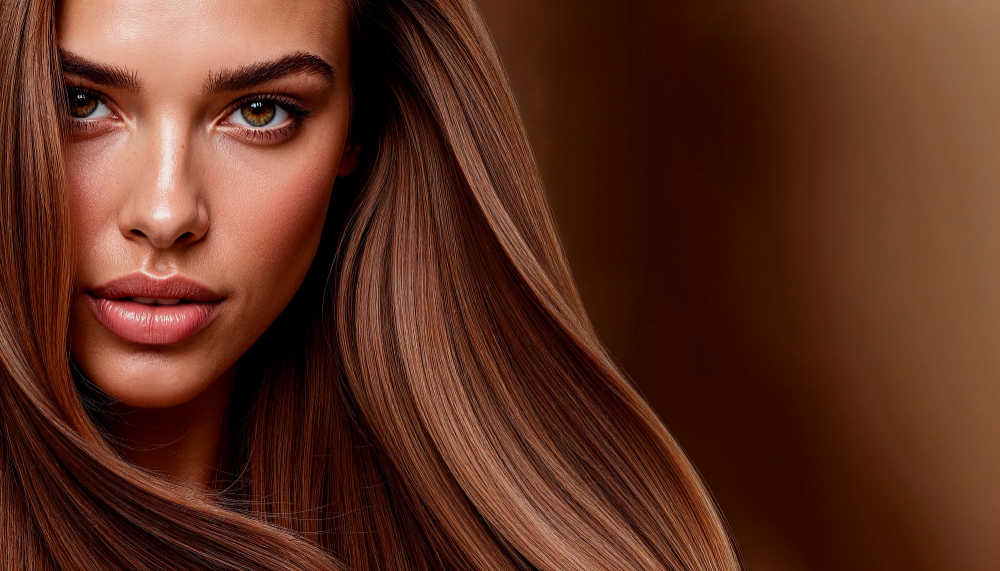
A hair gloss and glaze can provide the same results by adding shine and helping improve hair health. Still, there are a few key differences:
| Hair Gloss | Hair Glaze | |
| Color | It gives an incredible shine, frizz, control, and conditioning | Minimal to no toning effects |
| Formula | A small amount of ammonia | Ammonia-free |
| Offers | Can change the overall color | It gives a great shine, frizz, control, and conditioning |
| Penetration | Deposits color directly within the cuticle | Cannot penetrate the cuticle |
| Timing | It takes time to process | It takes less time to process |
| Lasts | 4-6 weeks | 1-2 weeks |
| Usage | Professional-grade salon treatment | You can use it at home |
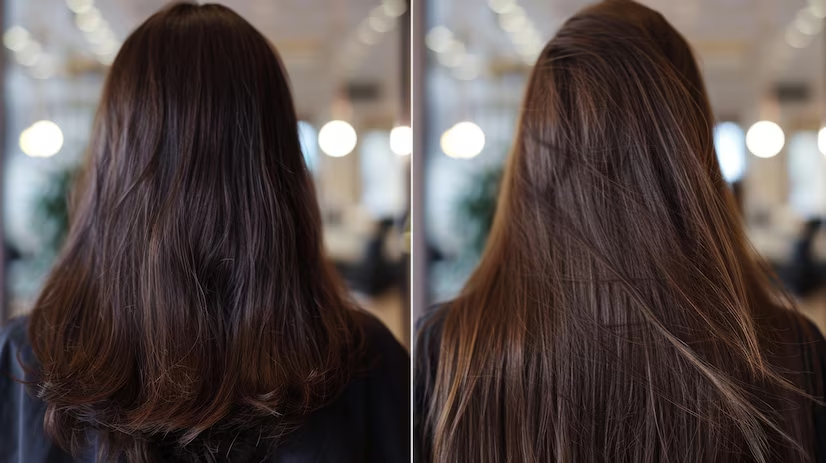
Benefits of Hair Gloss and Glaze
Both these hair treatments present you with unique benefits:
Hair Gloss
- You can use a hair gloss to experiment with colors before fully committing to coloring your hair.
- You can use it to tweak or tone color or cover gray hair.
- A hair gloss seals the cuticle surface, leaving it smooth and enhancing its light-reflecting properties.
- A hair gloss can be applied every six weeks to revitalize dull hair, leaving it smooth and frizz-free.
Hair Glaze
- A hair glaze can help you change an unwanted hair color or provide gray coverage.
- It functions as a deep conditioning treatment, similar to applying a hair mask.
- A glaze contains no harmful chemicals and fills gaps in damaged hair, closing the cuticle and leaving a smooth texture.
- It prevents hair tangling and works well on coarse hair.
👉 Check out our hair gloss service and book your appointment today for a mirror-shine finish.
Is Hair Gloss or Glaze Bad for Your Hair?
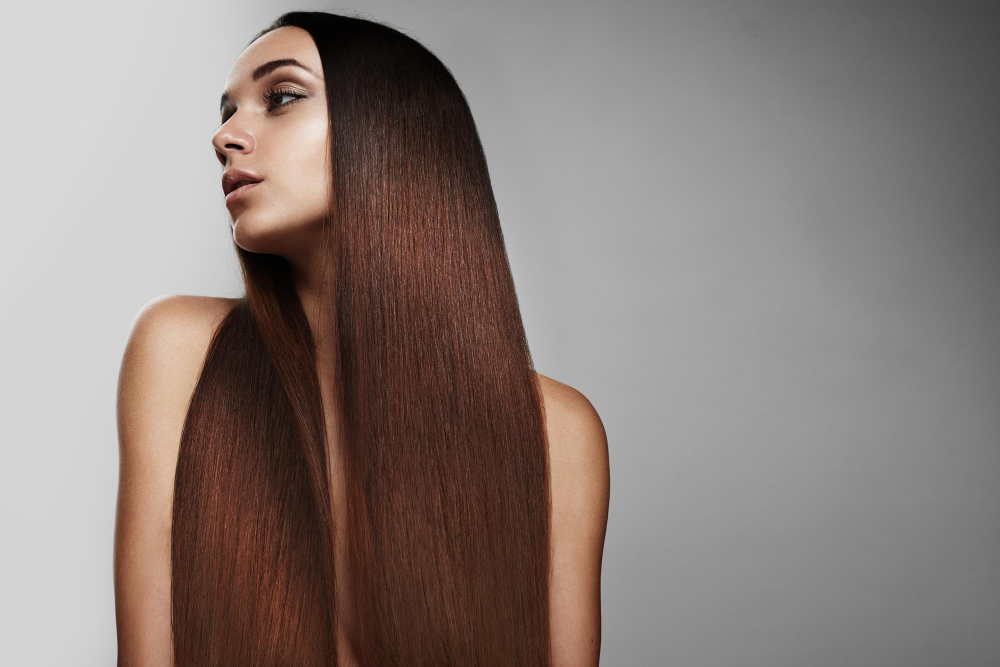
One of the most common concerns is whether hair gloss or glaze damages your hair. The short answer: when done professionally, neither treatment is damaging.
Most salon-grade gloss and glaze treatments are:
- Ammonia-free
- Peroxide-free or very low impact
- Designed to improve hair condition, not compromise it
In fact, many formulas contain conditioning agents that help:
- Smooth the cuticle
- Reduce frizz
- Improve softness and manageability
Damage typically occurs only when treatments are overused or applied incorrectly at home. A professional stylist ensures the right formula and timing for your hair type.

Hair Gloss and Glaze: Which One Should You Choose?
If you want a quick color pick-me-up, a hair glaze is the best choice because it helps reduce frizz. A gloss is a long-term fix for lackluster hair.
While hair gloss and glaze can be used at home, they can also completely change hair color.
For instance, if you have professional highlights, we would not recommend using them at home. Therefore, we suggest visiting one of our colorists.
A noteworthy tip is to apply a glaze to clean, damp hair while in the shower and leave it on for up to 10 minutes before rinsing.
Another worthy option is a keratin treatment. Learn more about the difference between hair gloss and keratin here.
Hair Gloss and Glaze: Your Perfect Finish Starts Here
Deciding between a hair gloss and a glaze is an important choice with slight differences.
If you want to change your hair color or neutralize brassiness, a hair gloss offers a semi-permanent treatment that helps blend in grown-out roots and enhance shine.
However, if you want to increase shine and tame frizz without too much toning, opt for a hair glaze instead. The main differences are the ingredients, color options, usage, and longevity of the powder.
While a glaze is suitable for home use, we recommend booking an appointment for your gloss treatment.
FAQ
Which is better, hair gloss or glaze?
If you do not want to damage your hair, choose a hair glaze, as it does not open hair cuticles and leaves a lower risk. If you want a permanent finish, choose hair gloss, which also provides a color payoff.
Is hair glaze or gloss better for natural hair?
Both are great for natural hair. Gloss brings out the shine but does not reflect light. Glaze is not harmful to hair and helps fill gaps in damaged hair.
Can hair gloss and glaze damage your hair?
No, when used correctly, they cannot damage your hair. However, hair gloss contains a small amount of ammonia, while hair glaze is gentler.
Does hair glaze help with frizz?
Yes, hair glaze smooths the hair cuticle, which reduces frizz and flyaways.
Can hair gloss or glaze cover gray hair?
Gloss can blend grays, while glaze enhances shine but does not provide coverage.
Medford, MA
Hāste Urban Hair Spa