October 15, 2024
Hair Treatments for Every Hair Type: Repair, Hydrate & Shine
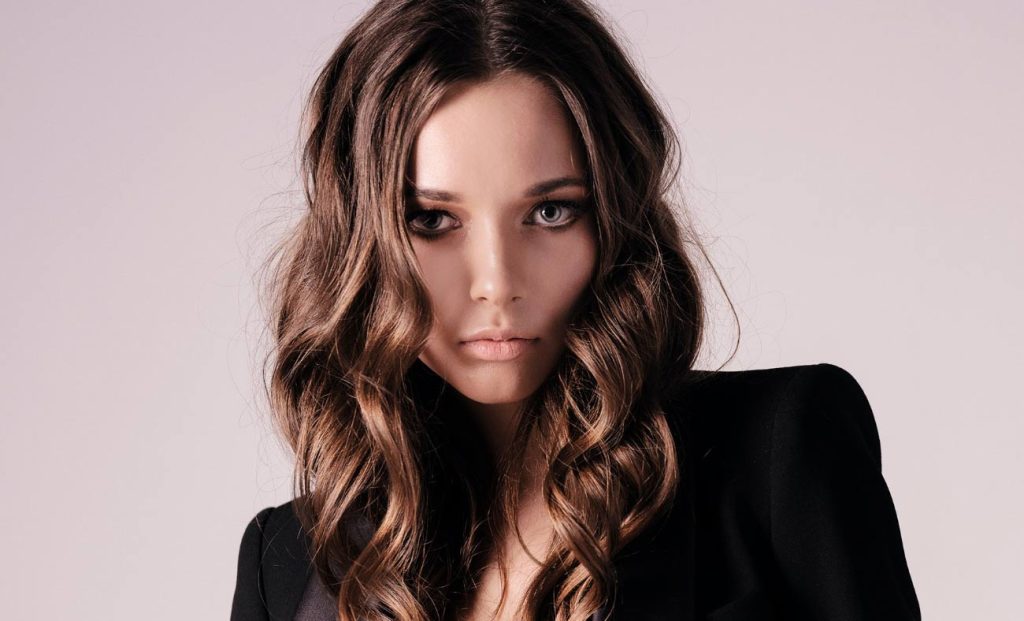
Hair treatments go far beyond your regular shampoo and conditioner; they are specialized solutions that restore moisture, repair damage, smooth frizz, strengthen strands, and nourish your scalp.
Whether you have dry, frizzy, thinning, or chemically treated hair, the right treatment can transform your hair health from the inside out.
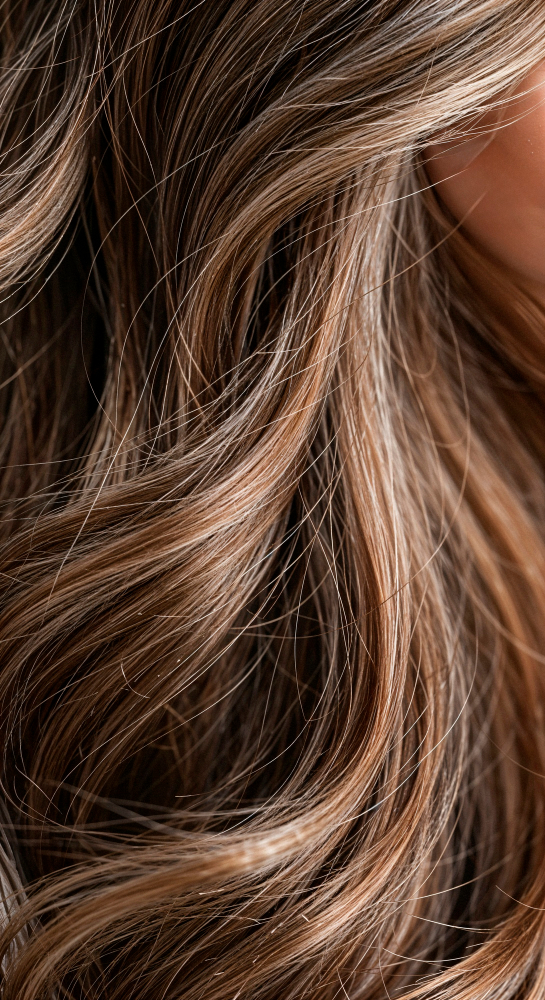
What Are Hair Treatments?
A hair treatment is a targeted procedure or product designed to address hair and scalp concerns that everyday care products can’t fix.
Treatments work on a deeper level to repair, hydrate, smooth, or strengthen your hair.
Common benefits of hair treatments include:
- Restoring moisture and softness
- Strengthening damaged strands
- Enhancing shine and vibrancy
- Balancing scalp health and reducing oiliness
Types of Hair Treatments
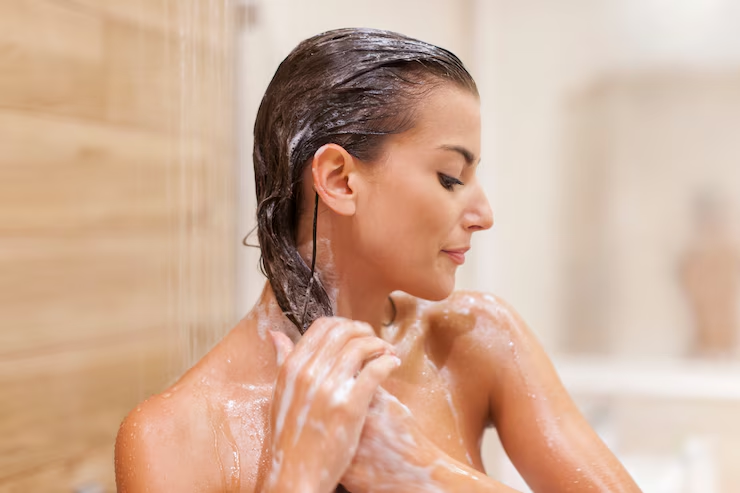
Deep Conditioning Treatments
Deep conditioning restores hydration and softness, revitalizing your brittle or dry hair caused by heat styling or environmental damage.
Pros: Intensive moisture, improved manageability
Cons: Can weigh down fine hair if overused
🧴 Learn more about deep conditioning treatments
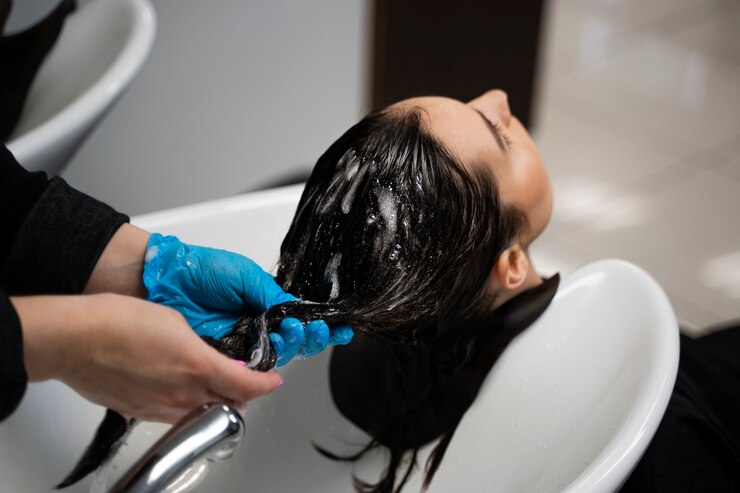
Protein Treatments
Protein treatments repair and strengthen hair by restoring lost keratin. Ideal for chemically treated or fragile hair.
Pros: Reduced breakage, stronger hair
Cons: Overuse may cause stiffness
🧬 Learn more about protein filler treatments
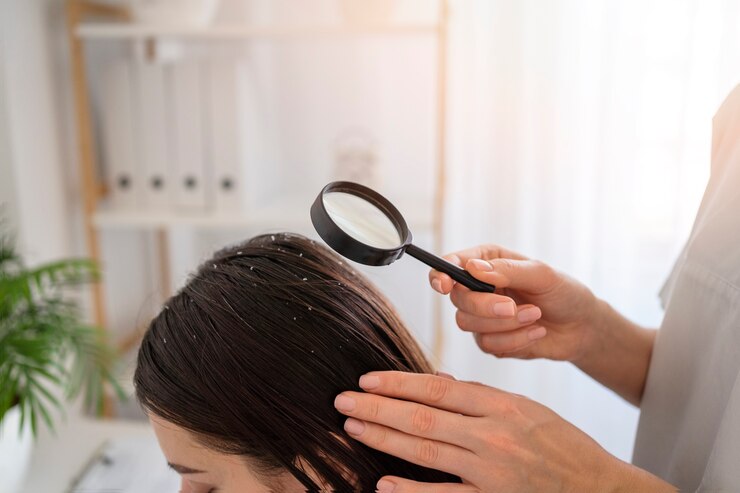
Scalp Treatments
The scalp treatment targets oily, dry, or itchy scalps. Helps reduce buildup and dandruff and supports healthy hair growth.
Pros: Balanced scalp, healthier growth
Cons: Exfoliating treatments may irritate sensitive skin
🔬 Learn the difference between Hair and Scalp Treatments
Gloss Treatments
Gloss treatments add shine and refresh or slightly adjust hair color without permanent dye.
Pros: Adds shine, revitalizes color
Cons: Effects fade within a few weeks
💫 Learn the difference between gloss treatments and glaze treatments
Keratin Treatments
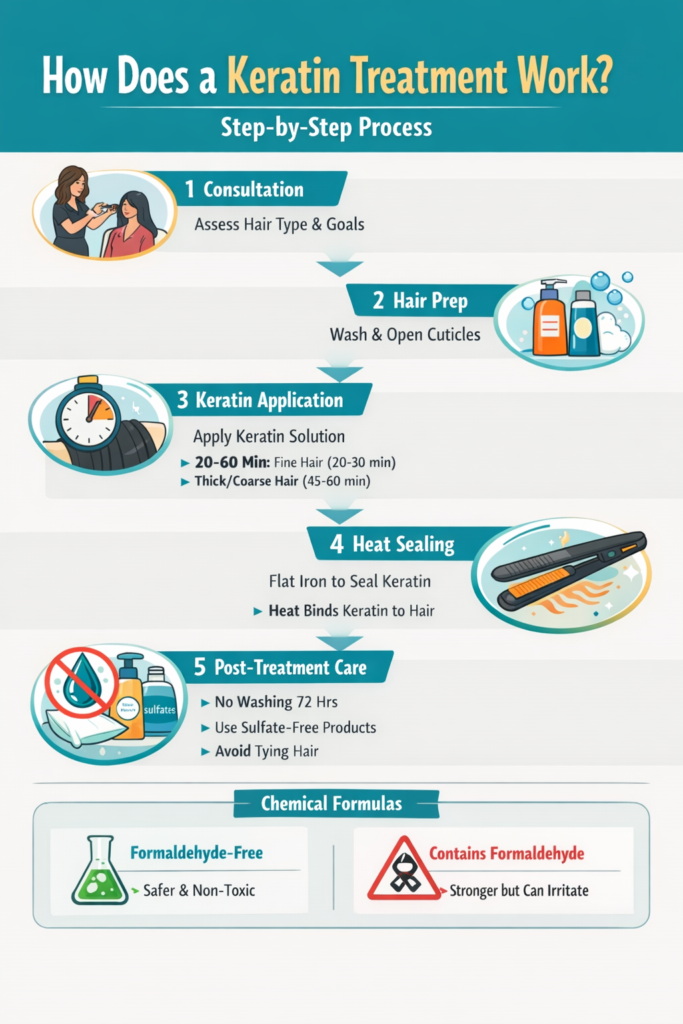
Keratin treatments smooth and strengthen your hair while reducing frizz. It works best on unruly or curly hair.
Pros: Long-lasting smoothness, easier styling
Cons: Some formulas contain chemicals — always consult a stylist
📝 Discover how a Nanoplastia treatment compares to Hair Botox
Hair Botox
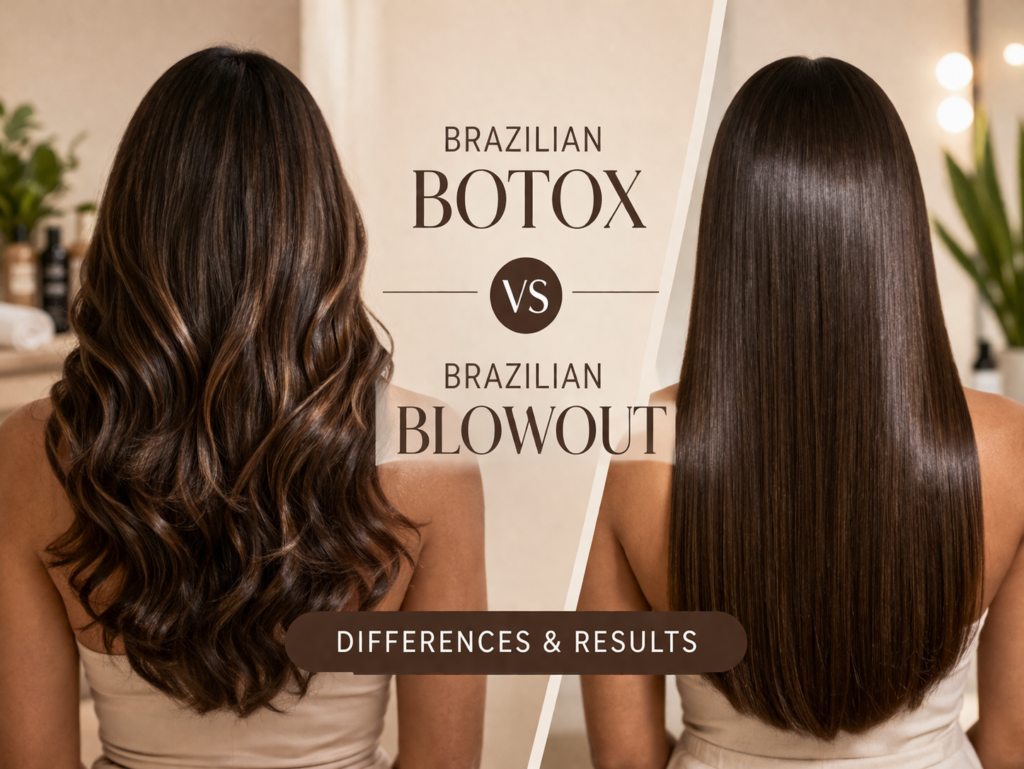
Hair Botox, better known as Brazilian Botox, is another deep conditioning treatment that helps make hair healthier and look smoother and shinier. The product has no harmful toxins and penetrates the hair shaft to repair it from the inside out.
👉 Check out the difference between Japanese and Brazilian hair straightening
Hydrating Treatments
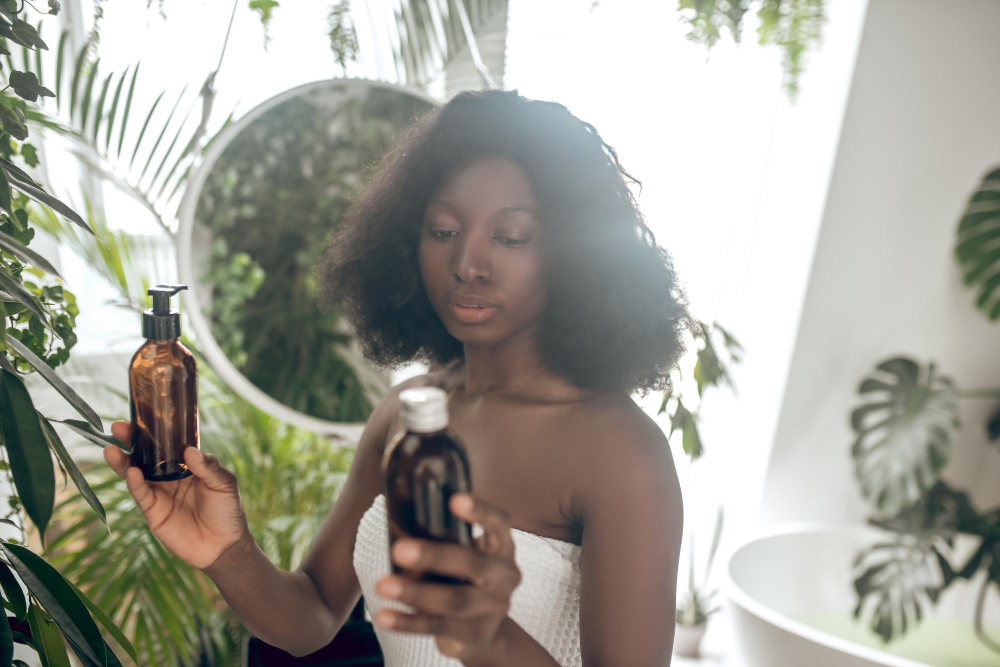
A hydrating hair treatment replenishes moisture in brittle or dry hair using nourishing oils and butters.
Pros: Soft, manageable hair
Cons: Needs regular application for long-term results
Also, check out the latest hair treatment, the Kerastase Caviar Treatment, to help prevent hair aging.
How to Choose The Right Hair Treatment
Understanding Your Hair Type
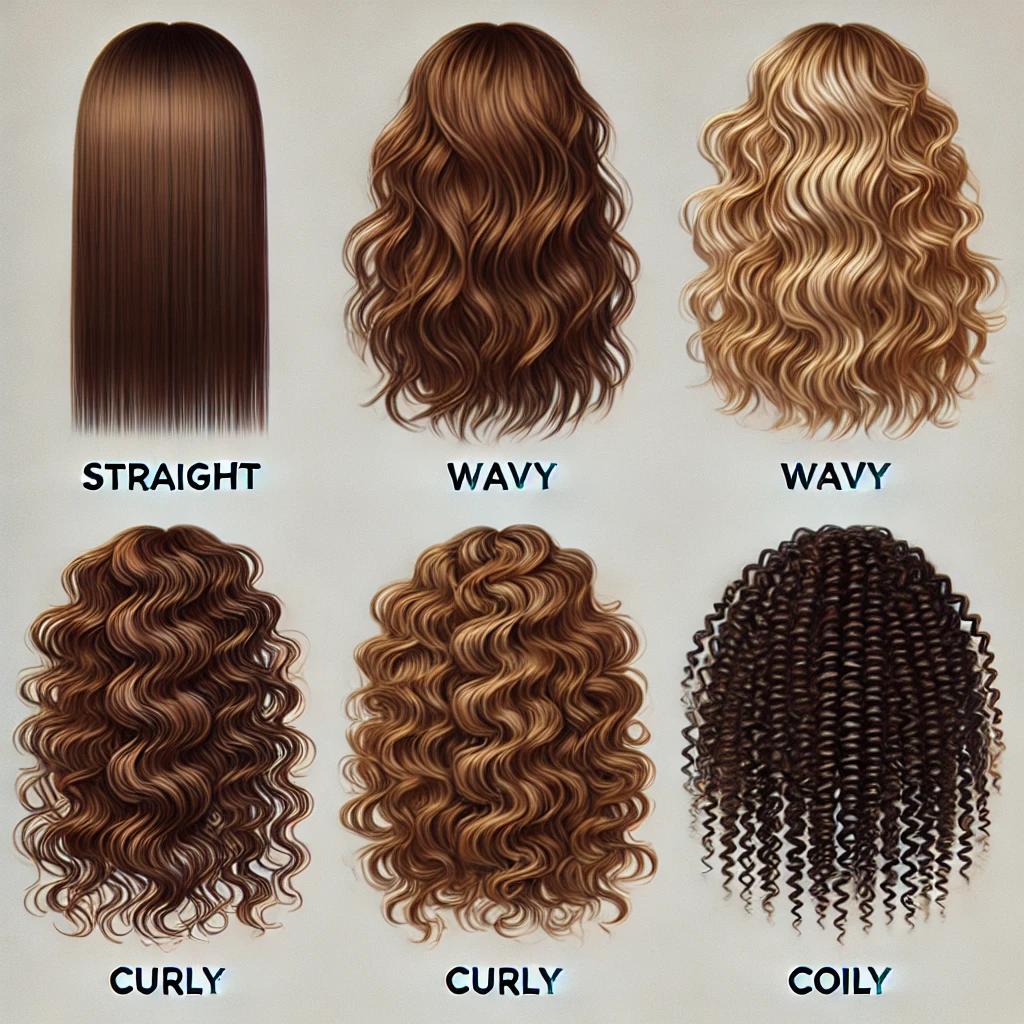
Before deciding on a hair treatment, the vital thing is to know your hair type, which is usually categorized by the following factors:
- Hair Texture: Your hair can be curly, straight, coily, or wavy.
- Hair Thickness: You can have thick, fine, or medium hair.
- Hair Porosity: The ability of hair to absorb moisture effectively. If the hair has high porosity, it absorbs moisture quickly, while low porosity slows down the process.
- Scalp Condition: Dry or oily scalps are common, and it’s essential to understand which treatment best suits your scalp condition.
👉 Look at these great travel hair care tips here
Match Treatments to hair Concerns
Once you understand your hair type and texture, you need to determine what kind of hair treatment you need based on the following:
Dry And Damaged Hair
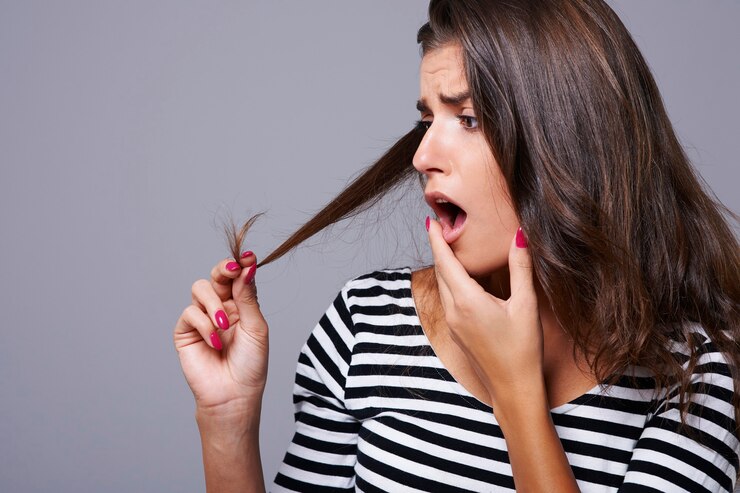
Your hair needs hydration and nourishment if it is brittle, damaged, or dry.
Several factors can cause dry hair, including overwashing, exposure to harsh weather, and frequent use of heat-styling tools.
To help revive your dry hair, you can do the following hair treatments:
- Deep Conditioning: A moisturizing treatment can nourish your hair and restore moisture. At Haste, we recommend using hydrating masks tailored to your specific needs, featuring ingredients like argan or avocado oil.
- Leave-In Conditioners: A leave-in conditioner can add an extra layer of protection, like moisture, that lasts throughout the day. The conditioner also softens the hair, making it more manageable.
- Protein Treatments: Dry and damaged hair often lacks protein. Protein is essential for hair strength and can help repair damaged hair while reducing breakage.
Frizzy Hair
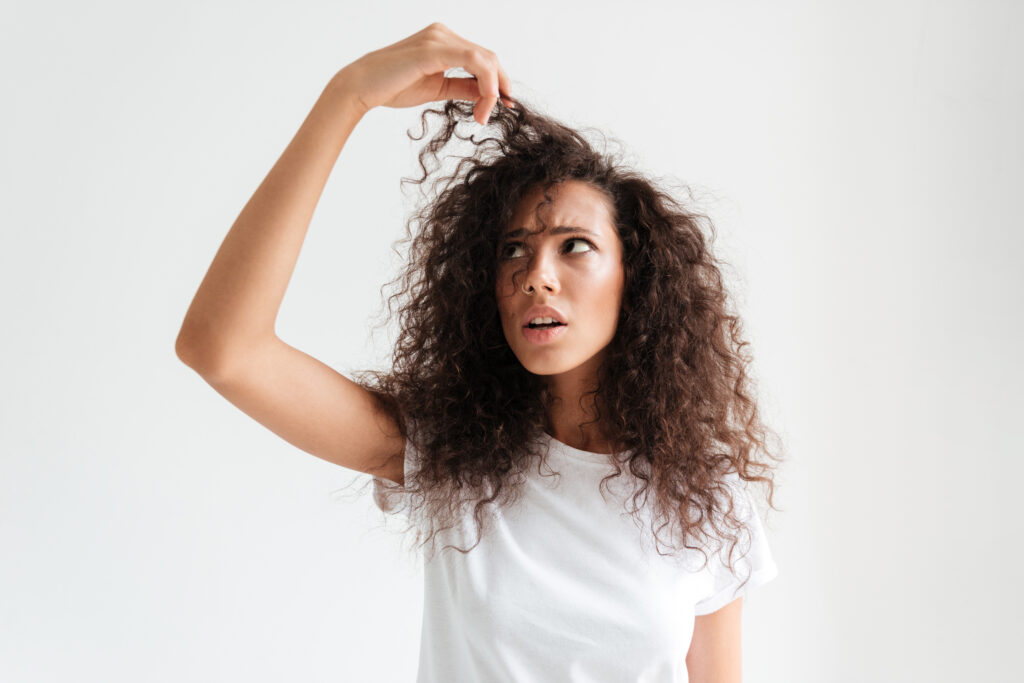
When it comes to frizzy hair, you are more likely to experience it if you have curly hair, which tends to require more moisture than straight hair. To keep your hair defined and healthy, we recommend the following hair treatments:
- Deep Conditioning: This treatment helps lock in the moisture your hair needs to stay hydrated and healthy. Some great ingredients to look for in products include honey and coconut oil, which help enhance shine and soften your hair.
- Curl-Enhancing Products: You can choose cream or gels to help define those curls, as they will not make your hair crunchy or stiff.
- Keratin Treatment: If your hair tends to frizz, especially in humid conditions, we can provide a keratin treatment using serums or creams to keep your hair defined and smooth.
👉 Did you know you can also get Brazilian Botox or rebonding for your hair? Learn the difference to decide which one will work better for you.
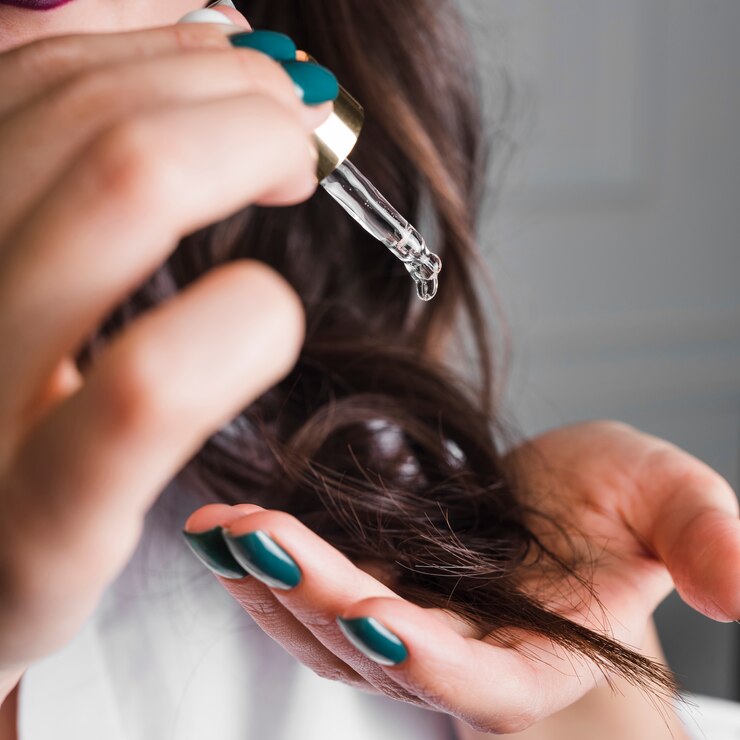
Oily Hair or Scalp
If your hair is oily after washing, it typically occurs when your scalp produces excessive sebum, which weighs it down and makes it appear flat.
- Lightweight Conditioner: We recommend using a lightweight conditioner and avoiding heavy products, such as oils and thick creams, for oily hair.
- Clarifying Treatments: Consider investing in a clarifying shampoo to help remove excess oil and product buildup. Still, use them sparingly, as they can strip your scalp of natural oils.
- Scalp Treatment: Treating your scalp is essential for managing oily hair. You can book an appointment with us or invest in a scalp scrub to help balance the oil production.

Colored or Chemically-Treated Hair
If you have colored or highlighted your hair and want to maintain the vibrancy while preventing damage, it helps to have the following color treatments:
- Hydrating Treatment: Coloring your hair can cause it to dry quickly; therefore, deep hydration is essential. We recommend using conditioners and masks filled with argan oil or coconut milk to help restore moisture.
- UV Protection: You can also use a product that provides UV protection to help prevent color fading. We recommend a UV protection leave-in spray.
- Color-Safe Treatment: We recommend using color-safe shampoos and sulfate-free conditioners, as they are gentle on the hair.
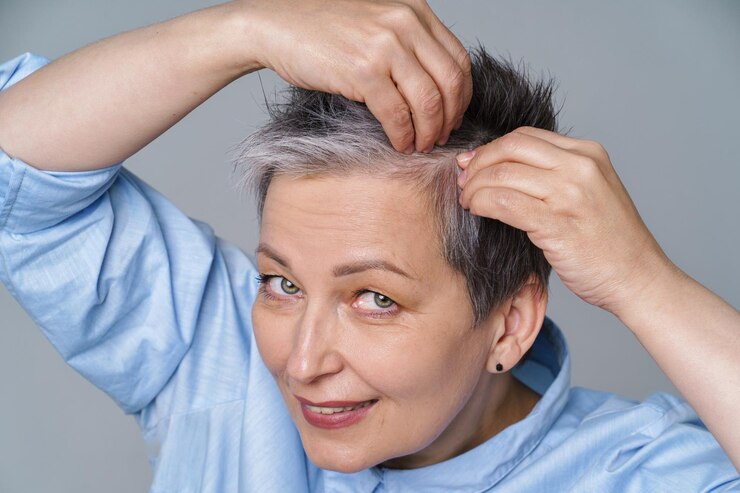
Fine or Thinning Hair
Fine and thinning hair often lacks volume and becomes weighed down by heavy products. However, you can add body to your hair while strengthening it.
- Volumizing Treatment: Use a volumizing shampoo, lightweight conditioners, and mousses for fine hair.
- Lightweight Serums: These products also work well for fine hair, as they do not make the hair greasy and add softness.
- Strengthening Treatments: If your hair is prone to breakage, we recommend a treatment that helps maintain its health, such as a keratin treatment.
- Scalp Massage: Regular scalp massages using nourishing oil can increase blood circulation in the scalp and help encourage hair growth. You can use a scalp massage combined with hair masks rich in proteins and vitamins.
Salon vs At-Home Hair Treatments
The primary difference between hair treatments lies in their effectiveness and application methods. At-home treatment is more affordable, less invasive, and more convenient.
While it provides basic care and maintenance for your hair, it does not offer the same intensity or longer-lasting results as salon treatments.
On the other hand, salon treatments are performed by professionals who use potent products and advanced techniques.
They can deliver a more profound, targeted result for serious hair concerns, but are more time-consuming and expensive. So, even though they are more costly, they are longer-lasting.
👉 Book your hair treatment with one of our professional stylists today.
Tips For Maintaining Your Hair Treatment
- Invest in sulfate-free hair care products to prevent the treatment from being stripped from the hair.
- Using heat-styling tools can damage hair; it is best to minimize their use and to apply a heat-protectant product.
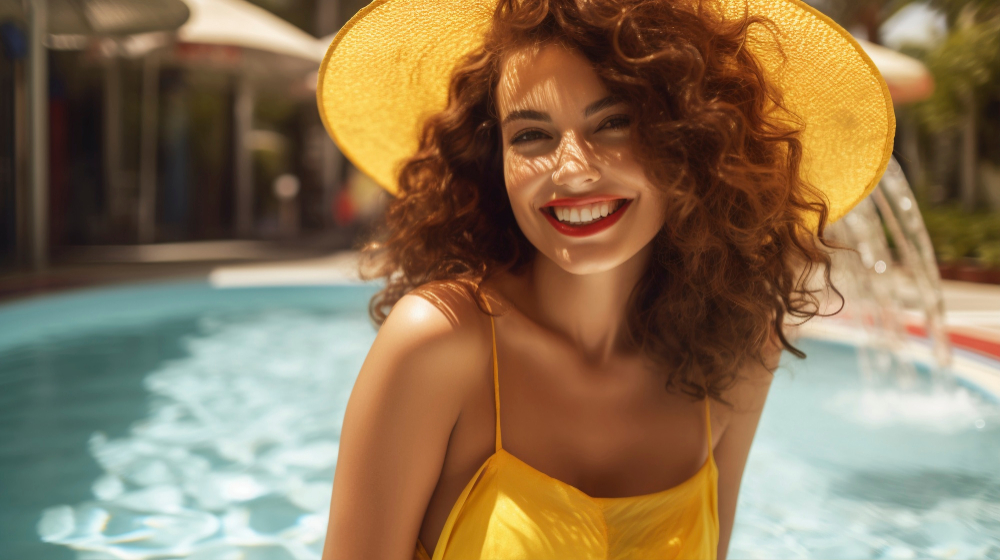
- Also, wearing a hat or a UV protection spray is best to protect your hair from UV rays that can damage the treatment.
- You should deep condition your hair at least once a week to nourish and hydrate it.
- Avoid overwashing your hair, as it can strip away the natural oils. Instead, wash your hair twice or thrice a week.
- Lastly, wear regular trims to help prevent split ends and maintain your hair’s health.
What Hair Treatment Is For You?
Your hair treatment will depend on your hair type and how it transforms when styled. At Haste Hair, we are dedicated to helping you achieve healthy and vibrant hair with our expert treatments.
Whether you have curly, dry, thinning, or oily hair, we can provide the proper treatment to help you maintain it.
Book an appointment online or visit us today to begin your incredible journey to finding the perfect hair treatment for your specific hair type.
FAQ
Why is it important to get professional guidance with hair treatments?
It is essential to seek professional guidance when choosing the right hair treatment. A hair salon expert can assess your hair condition and type and provide the desired outcomes.
What impacts do the different hair treatments have on various hair types?
Hair treatments have different effects on hair types. Deep conditioning is excellent for damaged or dry hair, while a keratin treatment helps manage unruly, frizzy hair.
What are the common misconceptions about hair care treatments?
One misconception is that people believe a treatment will leave their hair greasy or cause product buildup. The fact is that, depending on the hair treatment, it is the opposite.
Medford, MA
Hāste Urban Hair Spa