If you’ve ever stood in the haircare aisle wondering keratin vs collagen, you’re not alone.
These two ingredients show up everywhere, but choosing the wrong one can leave your hair feeling dry, flat, or overloaded instead of healthy and balanced.
The simple truth is that keratin strengthens and repairs while collagen provides hydration, elasticity, and volume.
Understanding the difference helps you choose products that match your hair goals rather than work against them.
Let’s break it down so you can decide what your hair needs.👇
Keratin vs Collagen: What’s The Difference?
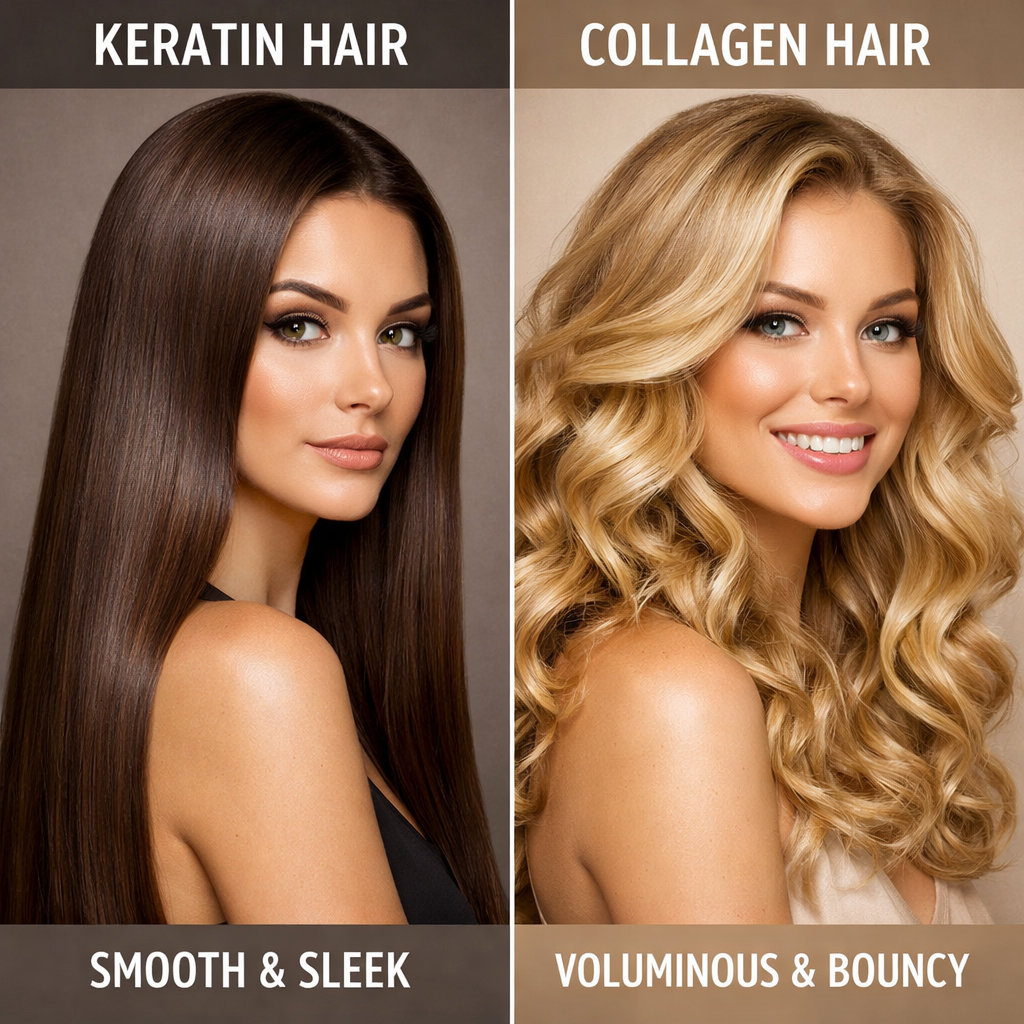
What is Keratin in Hair Products?
Keratin is a natural structural protein that makes up your hair.
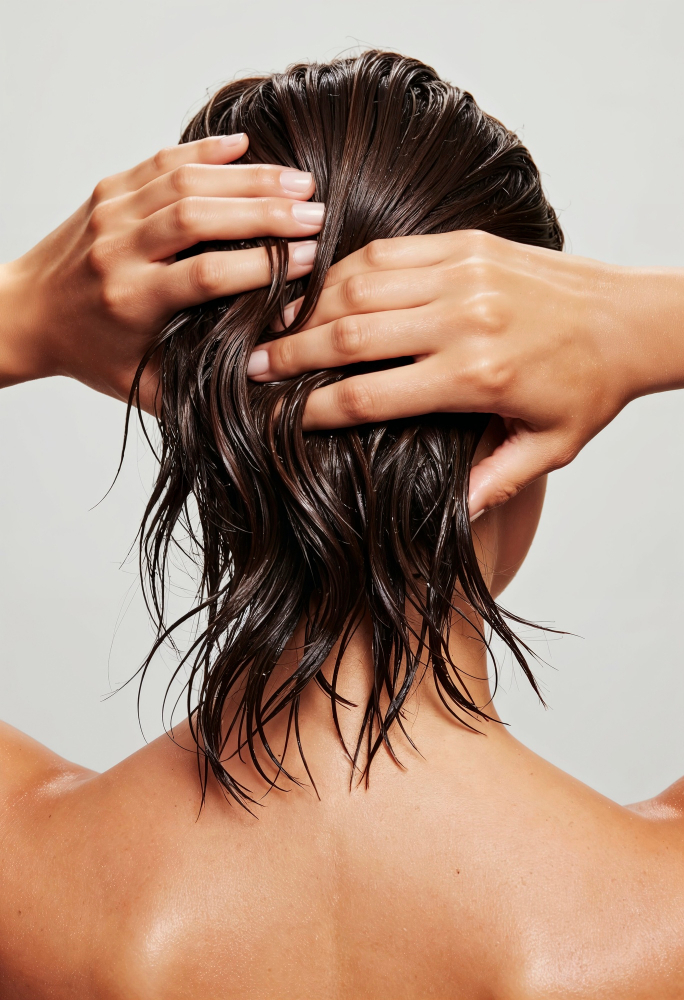
When your hair is damaged by heat, chemical services, or environmental stress, the protein in your hair breaks down.
Keratin-based products help by:
- Filling in weak or damaged areas of the hair shaft temporarily.
- Improves smoothness and shine.
- Strengthens hair that’s been chemically processed.
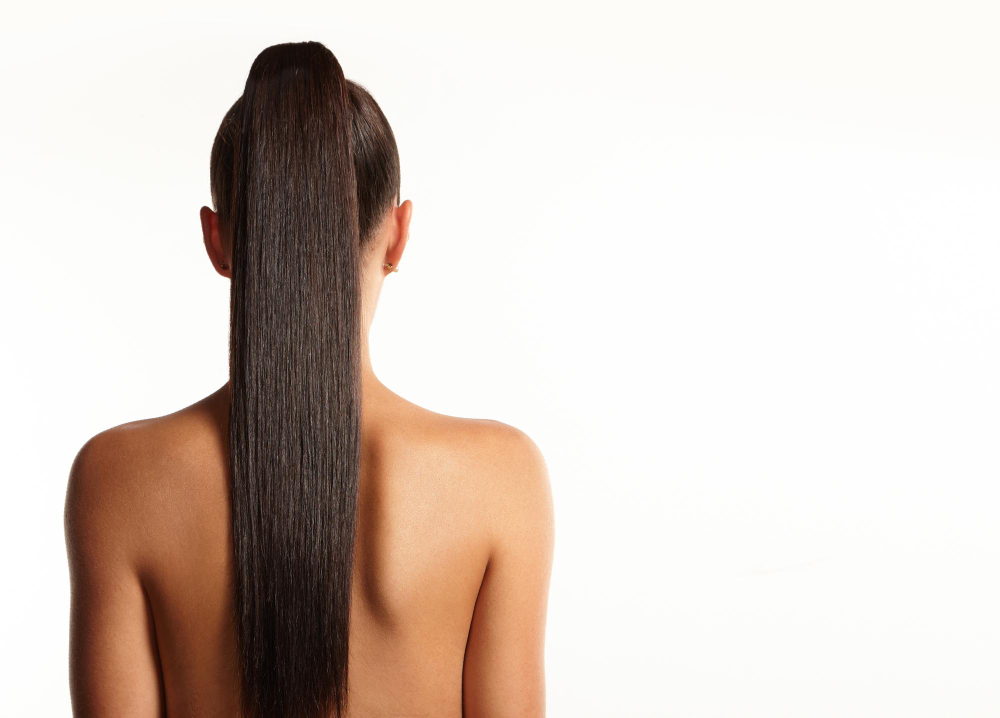
👉 Best for:
- Brittle or rough
- Over-processed
- Prone to breakage
✏️ Tip: Keratin is amazing for repair, but too much can make your hair feel stiff if moisture isn’t balanced correctly.

What Is Collagen in Hair Products?
Collagen works a little differently. While it’s also a protein, collagen in hair products is more about support, hydration, and fullness rather than repair.
Collagen helps by:
- Improving your hair’s elasticity
- Making hair appear fuller and more voluminous
- Supporting moisture retention

Best for:
- Fine or limp hair
- Dry but not too much damaged
- Hair lacking volume
👉 Think about collagen as a hydration and volume booster, not a deep repair tool.
Did you know that Brazilian Botox often includes collagen?
Keratin vs Collagen: Side-by-Side Comparison
| Feature | Keratin | Collagen |
|---|---|---|
| Main Benefit | Repair & strength | Hydration & volume |
| Best For | Damaged hair | Fine/dry hair |
| Effect | Smooth, strong | Soft, fuller |
| Risk | Can feel stiff if overused | Minimal when balanced |
👉 Neither is better; it depends on your hair goals.

Which One is Better for Your Hair Type?
Here, we encourage you to get intentional.
If your goal is repair and smoothing, Keratin-based products are the better choice, especially if your hair has gone through chemical services or frequent heat styling.
If your goal is hydration and fullness, Collagen-based products work well, especially for fine or aging hair that needs a little lift.
If your goal is balanced, healthy hair, you might do best by alternating using keratin occasionally for strength and collagen for everyday hydration.
✏️ Tip: Your hair goals may change with the season, stress, or services your products should evolve to.

Can You Use Keratin and Collagen Together?
Yes, but balance everything.
Some hair products combine keratin and collagen to support both strength and hydration. It can work well if your hair isn’t protein-sensitive.
Signs you may be overloading protein:
- Your hair feels stiff or straw-like
- Hair breaks instead of stretching
👉 When in doubt, always pair protein products with moisturizing shampoos, conditioners, or masks.
How to Choose The Right Hair Products
When shopping for hair products:
- Look beyond buzzwords and check ingredient placement
- Match the product to your current hair condition, not just your long-term goal
- Avoid stacking too many protein products at once
At Haste Urban Hair Spa, we always guide our clients based on their hair history, texture, and goals, not trends.
That’s why understanding ingredients like keratin and collagen matters; it helps you make smarter choices at home.
Common Myths About Keratin and Collagen
Keratin is only for straight hair.
Not true. Keratin supports strength and smoothness for many hair types.
Collagen repairs damaged hair.
Collagen supports hydration and elasticity, but it doesn’t repair damage the way keratin does.
More protein means healthier hair.
Balance always wins. Too much protein without moisture can backfire.
Expert Insight: Healthy hair needs both strength and flexibility. Protein without moisture or moisture without structure can lead to breakage over time.
Keratin vs Collagen Isn’t About Better—It’s About Better for You
When it comes to keratin vs collagen in hair products, the honest answer depends on your hair’s needs right now. Repair, hydration, volume, or maintenance each point to a different solution.
If you’re ever unsure, we always recommend stepping back, reassessing your hair goals, and making intentional adjustments. Your hair will tell you what it needs; you have to know how to listen.
Or book an appointment with one of our stylists for a professional scalp and hair analysis.
FAQ
Is keratin or collagen better for damaged hair?
Keratin is typically better for damaged or chemically treated hair because it helps reinforce weak areas of the hair shaft.
Can keratin make hair dry or brittle?
Yes, if used too often or without enough moisture. Always balance keratin products with hydrating treatments.
Is collagen good for fine hair?
Yes. Collagen is often ideal for fine or limp hair because it helps improve fullness and elasticity without weighing hair down.
Can I alternate keratin and collagen products?
Indeed. Many people see great results by alternating based on how their hair feels week to week.
How often should I use protein-based hair products?
It depends on your hair’s condition. Damaged hair may benefit from weekly treatments, while healthier hair may only need protein occasionally.
How often should I use keratin treatments?
If your hair is damaged, use it weekly; for healthy hair, use it occasionally.