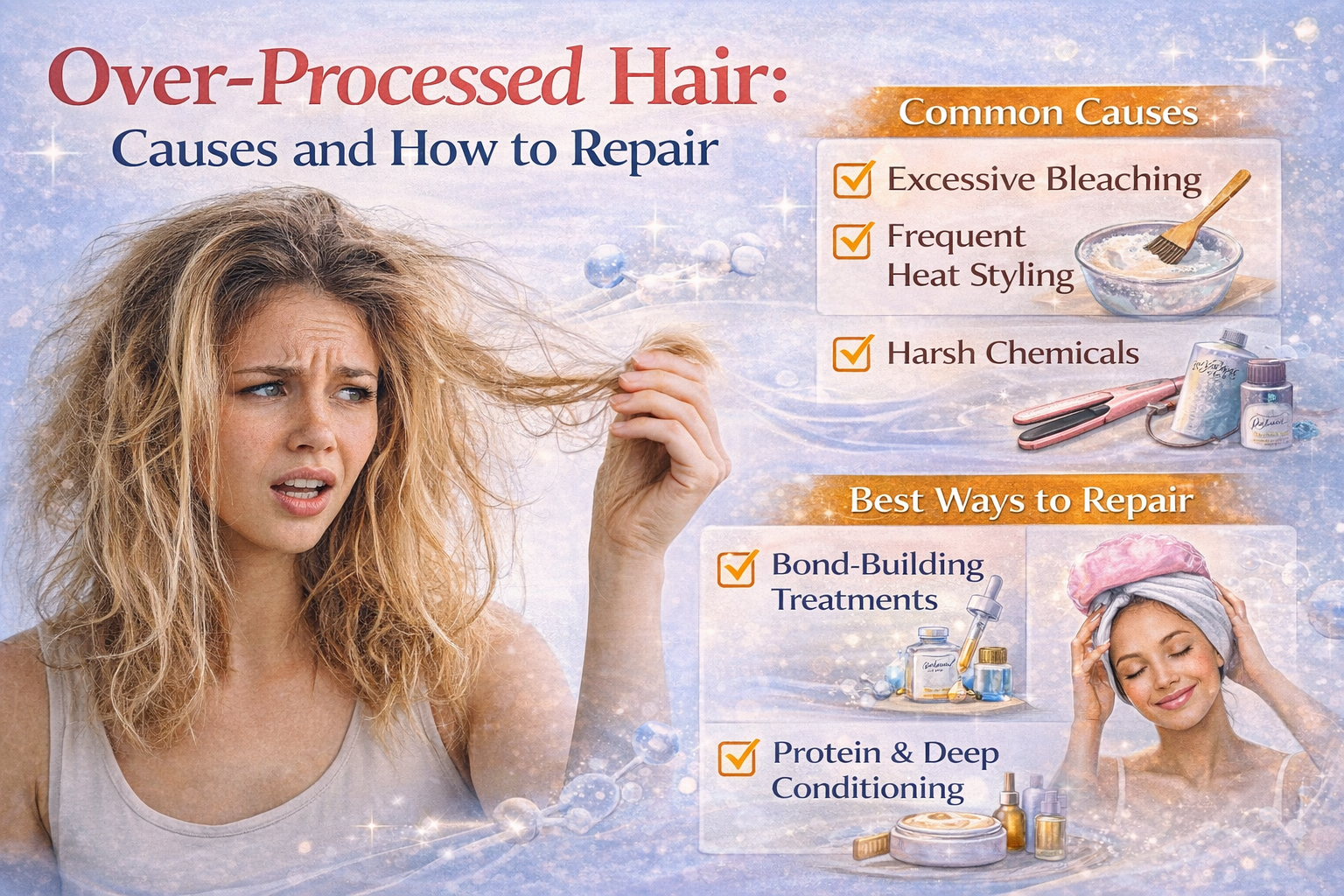
Hair coloring, bleaching, smoothing treatments, and frequent heat styling can transform your look, but they can also push your hair past its limits.
When hair is exposed to too many chemical or heat processes, the result can be over-processed hair.
If your strands feel dry, brittle, stretchy, or prone to breaking, your hair may be suffering from chemical damage.
The good news? While hair cannot technically heal, there are proven ways to repair, strengthen, and restore damaged hair so it looks and feels healthy again.

What is Over-Processed Hair?
Over-processed hair occurs when hair undergoes excessive chemical treatments or intense styling, weakening the strand’s internal structure.
Hair is made of three layers:
🧬 Cuticle: The protective outer layer that shields the hair shaft
🧬 Cortex: The middle layer responsible for strength, elasticity, and color pigments.
🧬 Medulla: The innermost structure that supports the hair fiber.
Chemical services such as bleaching or relaxing lift the cuticle layer, allowing the chemicals to penetrate the cortex. When this happens repeatedly, the structure becomes weakened and porous.
👉 If you’re unsure whether your hair is healthy or struggling, you can compare signs of healthy vs damaged strands in our helpful guide.
Common Causes of Over-Processed Hair
Understanding the causes of damage is the first step toward repairing chemically damaged hair.
Excessive Bleaching
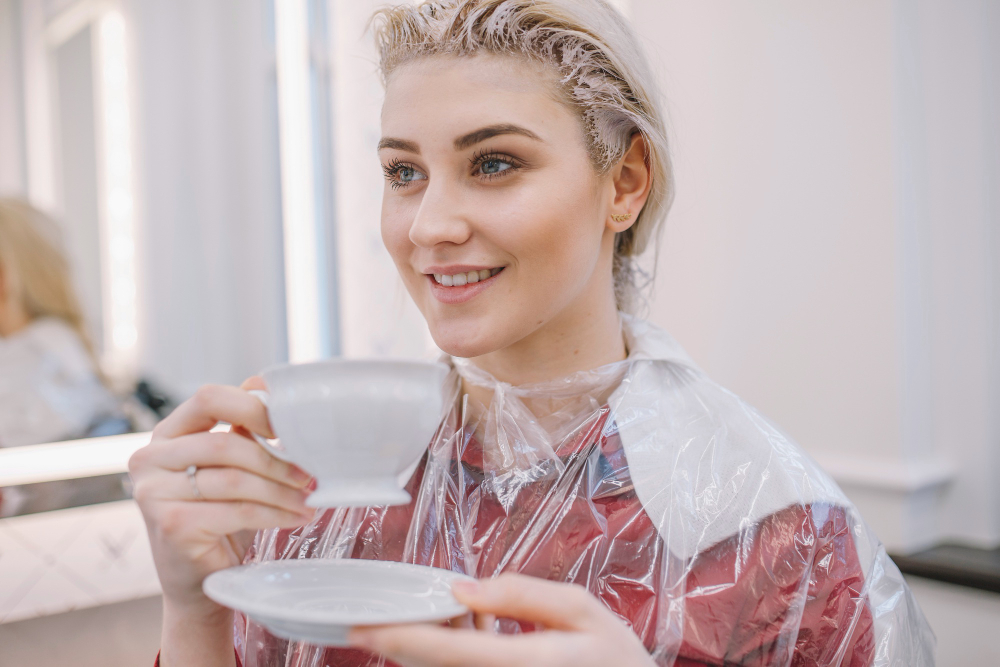
Bleach is one of the biggest contributors to over-processed hair.
It works by breaking down natural pigments in the cortex. Unfortunately, this process also weakens protein bonds that give hair strength.
Repeated bleaching can cause:
- Dryness
- Extreme breakage
- Rubbery hair when wet
🎨 If you highlight or lighten your hair frequently, our guide on hair care for highlighted hair can help protect it.
Heat Styling Damage
Frequent use of hot tools can worsen chemical damage.
Examples include:
- Flat irons
- Curling wands
- Blow dryers without heat protection
🔥 Heat weakens the protein structure of hair and accelerates moisture loss. Lowering styling temperatures can reduce hair breakage.
Chemical Treatments Too Close Together
You may unknowingly over-process hair by scheduling services too close together.
Risky combinations include:
- Bleaching followed by toning and relaxing
- Multiple color treatments in a short time
- Combining smoothing treatments with bleach
Allowing time between services can help with repairing bleach-damaged hair.
Harsh Hair Products
Certain shampoos and styling products can worsen chemical damage. Some shampoos strip away natural oils and protective lipids. If you’re unsure about shampoo ingredients and their effects on hair health, our article explains more.
Signs Your Hair is Over-Processed
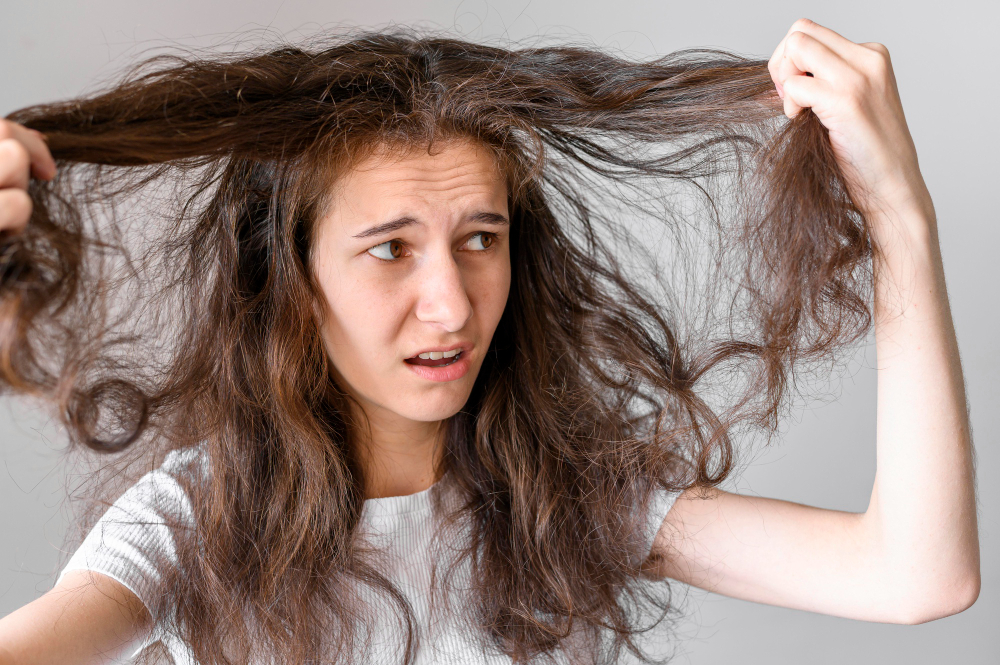
You may not realize your hair is damaged until the signs become severe.
🚩 Extreme Dryness: Your hair may feel rough, brittle, or straw-like even after conditioning.
🚩 Breakage and Split Ends: Hair snaps easily during brushing and styling.
🚩 Loss of Elasticity: Healthy hair stretches slightly before returning to its original shape. Over-processed hair often snaps rather than stretches.
🚩 Dull Appearance: Damaged cuticles scatter light instead of reflecting it. For this reason, chemically damaged hair often looks lifeless.
🚩 Tangling and Frizz: Rough cuticles cause strands to catch on one another, leading to tangles and frizz.
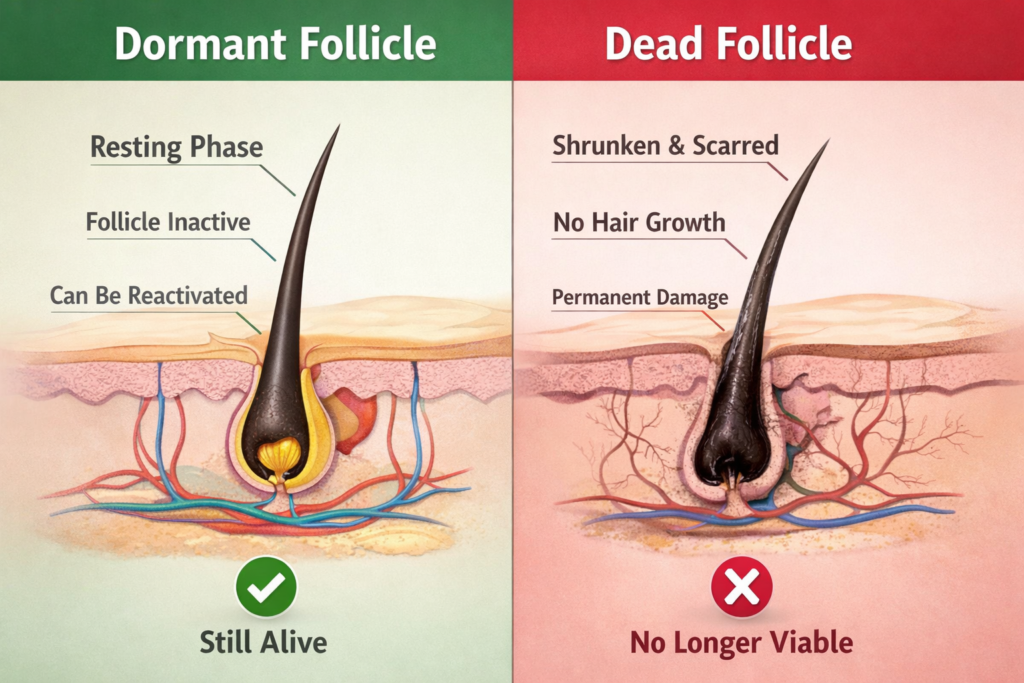
How Chemical Damage Affects Hair at the Molecular Level
To truly understand over-processed hair, it helps to understand what happens inside the strand. Hair contains disulfide bonds, which are protein bonds responsible for strength and elasticity.
Chemical treatments like bleaching break these bonds. When too many bonds break, hair becomes:
- Weak
- Porous
- Prone to snapping
For this reason, there are modern treatments to help focus on bond repair.
👉 If you’re curious about how these systems work, our guide explains everything. Bond-building treatments are now considered among the most effective hair repair options available.
Can Over-Processed Hair Be Repaired?
The truth is:
Hair is non-living tissue, so it cannot regenerate like skin. However, modern treatments can restore damaged hair by:
✔ reinforcing weakened bonds
✔ restoring moisture balance
✔ smoothing the cuticle layer
✔ improving strength and elasticity
With the right treatments and care routine, damaged hair can look and feel healthier.
Best Treatments for Repairing Chemically Damaged Hair
Professional and at-home treatments can both help repair over-processed hair.
Bond-Building Treatments
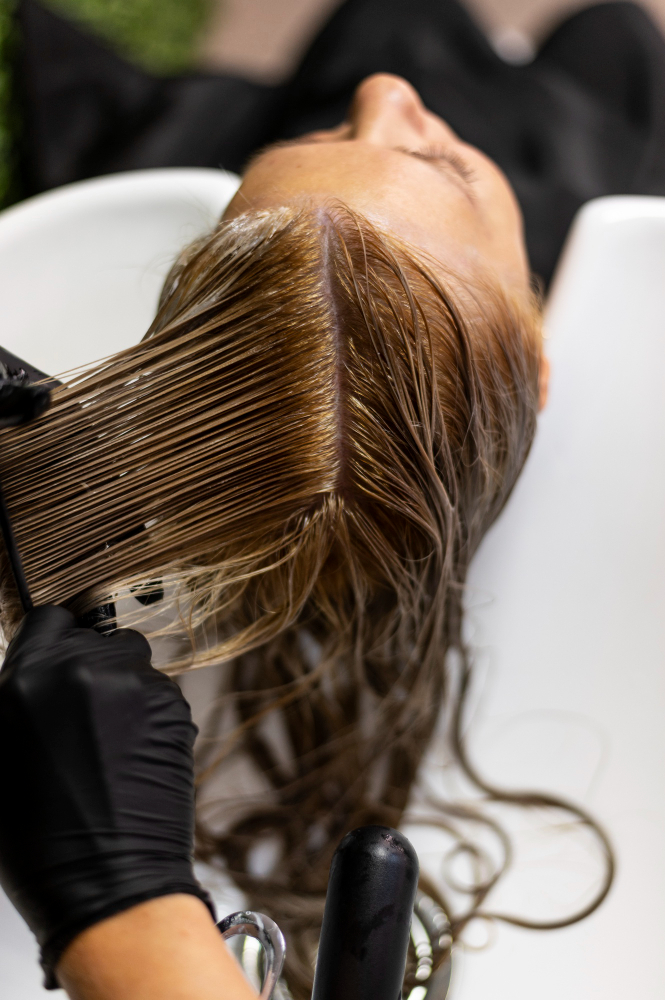
Bond builders work by reconnecting broken protein bonds inside the hair.
Benefits include:
- Stronger hair fibers
- Reduced breakage
- Improved elasticity
Bond-building treatments are often recommended after bleaching or chemical services.
Protein Treatments For Damaged Hair
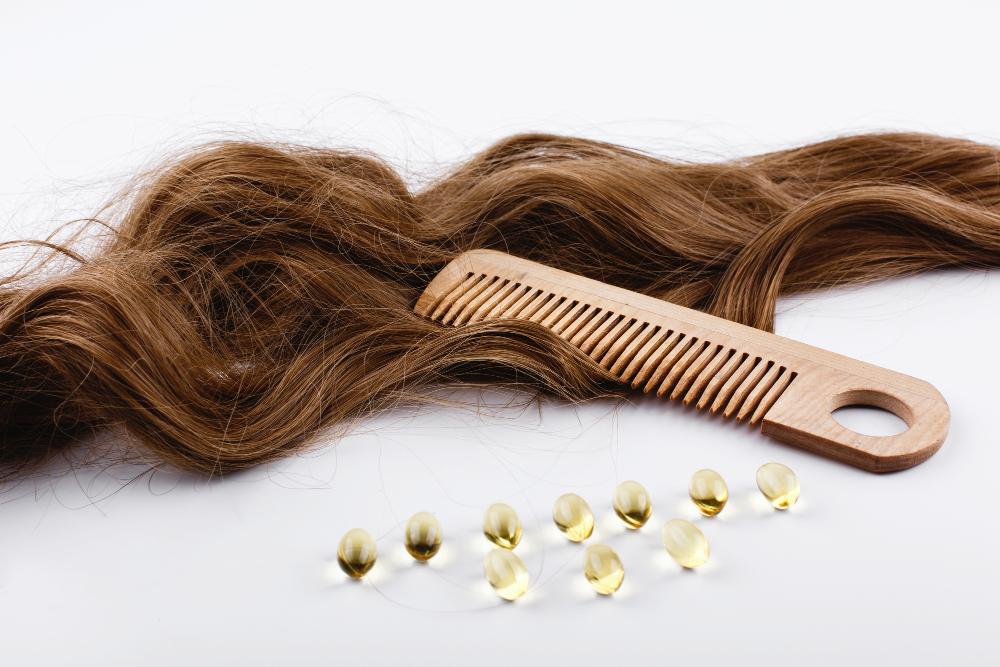
Protein helps rebuild the structure of weakened hair strands. These treatments fill gaps in damaged cuticles and reinforce the hair shaft.
Benefits include:
- Increased strength
- Improved elasticity
- Reduced breakage
👉 You can learn more about how these treatments work in our protein treatment guide, or you can compare them in our keratin vs protein treatment guide.
🧬 Too much protein can make hair stiff, so balancing protein and moisture is essential.
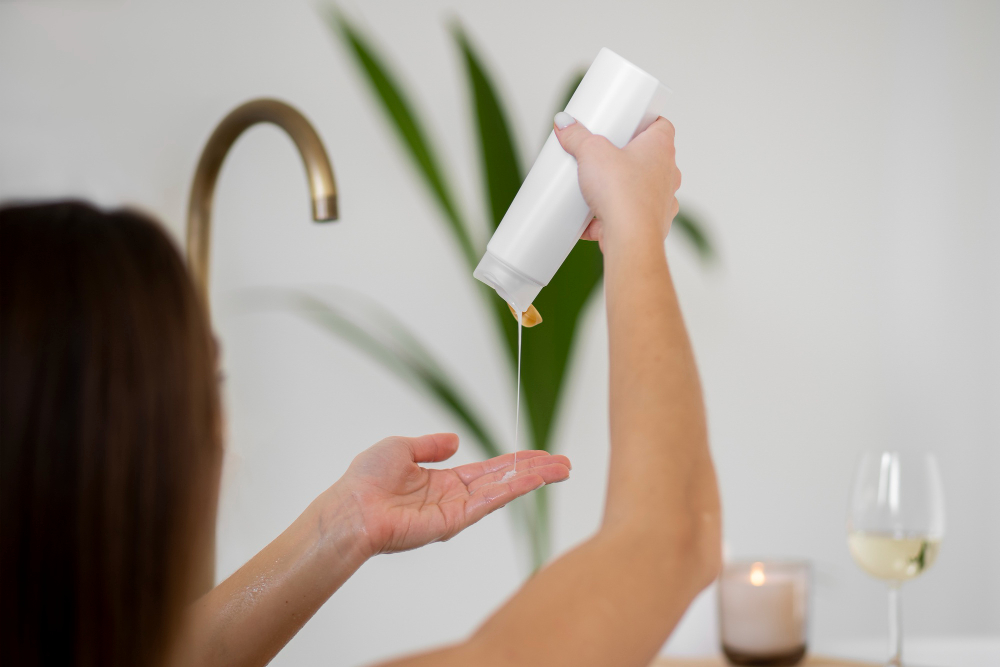
Deep Conditioning Treatments
Another great treatment to help restore damaged hair is a deep conditioning treatment that restores hydration and flexibility.
Hair masks often contain nourishing ingredients such as:
- Argan oil
- Shea butter
- Keratin
- Amino acids
💧 For a detailed explanation, check out our article on hair masks vs deep conditioners. Deep conditioning is essential when restoring damaged hair.
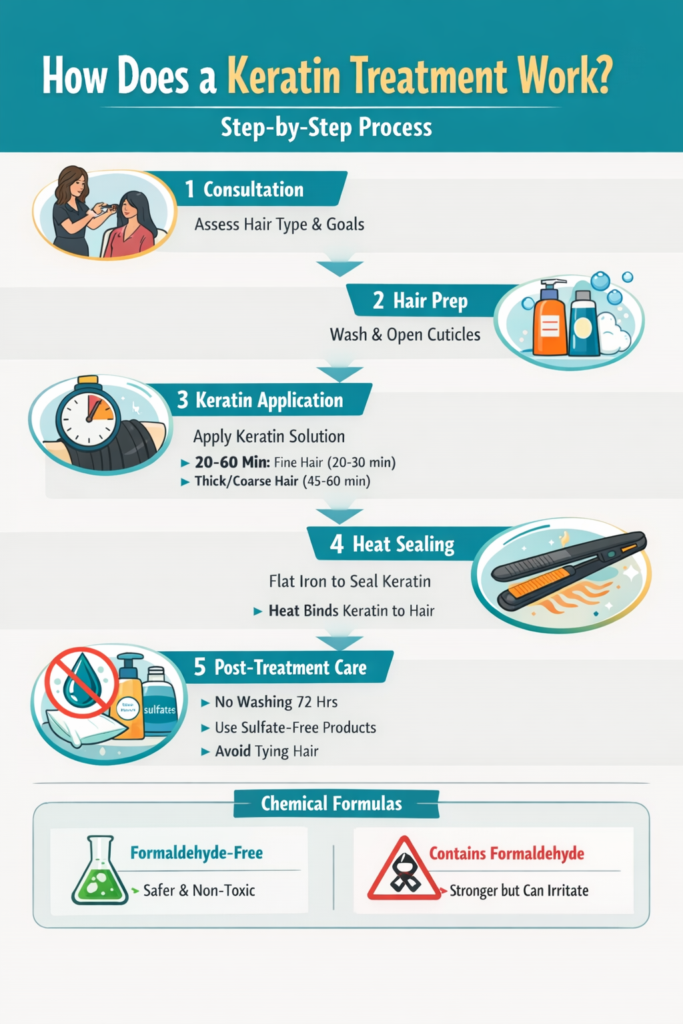
Keratin Smoothing Treatments
Keratin treatments coat the hair shaft with protein to improve smoothness and shine. They are helpful for:
- Frizz control
- Improving texture
- Temporarily strengthening damaged strands
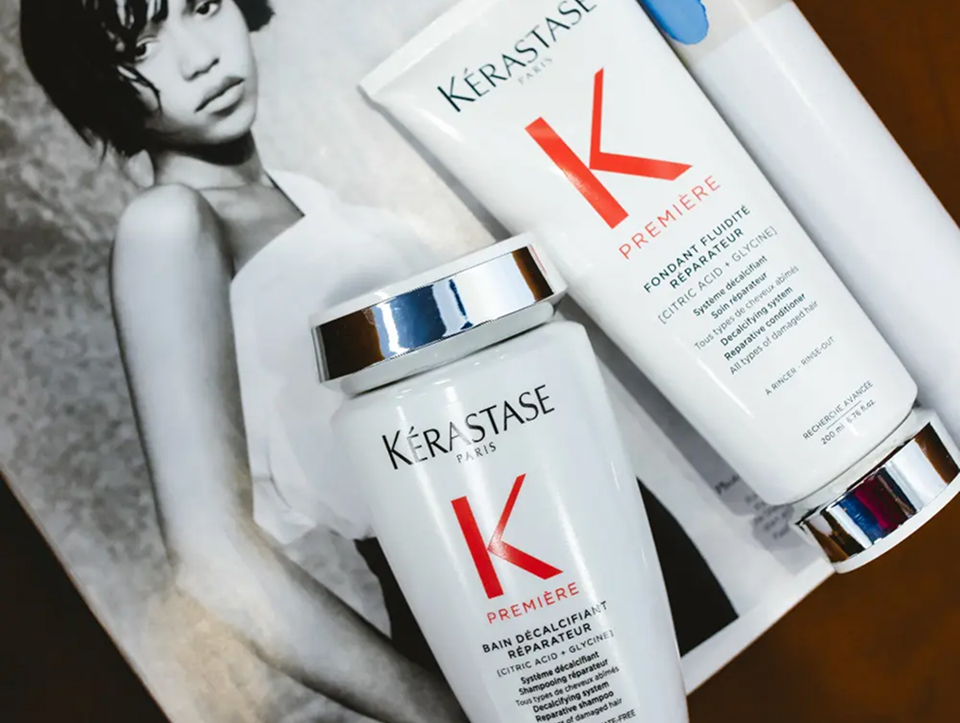
Luxury repair treatments such as the Keraste Caviar Treatment can provide intensive nourishment.
At-Home Care for Over-Processed Hair
Salon treatments work best when combined with proper home care.
Use Gentle Hair Products
Look for formulas that are:
✔ sulfate-free
✔ moisturizing
✔ protein balanced
🧴 Understanding hair ingredients and terminology can help you choose better products. This hair care glossary is a helpful resource.
Reduce Heat Styling
Limiting the use of hot tools allows hair to recover. Use heat protectants whenever styling.
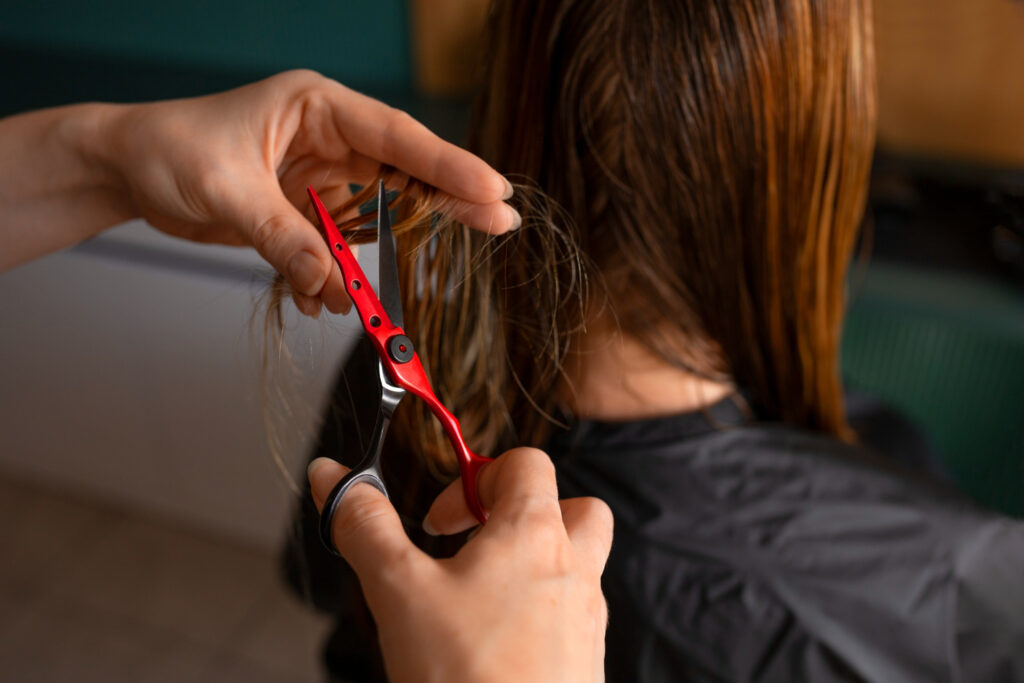
Trim Regularly
Trimming damaged ends prevents split ends from traveling up the strand.
Protect Hair While Sleeping
Silk pillowcases and satin wraps reduce friction and breakage overnight.
When to Seek Professional Hair Repair Treatments
Some damage requires professional intervention.
You may need salon treatment if your hair:
- Feels gummy when wet
- Snaps easily when brushed
- Breaks excessively after bleaching
Hair professionals can analyze your hair’s porosity, elasticity, and level of damage to recommend the best solution.
👉They can also suggest treatments that improve volume and density if damage has caused thinning.
How to Prevent Over-Processing Your Hair
Prevention is the best strategy for maintaining healthy hair.
- Space Out Chemical Treatments: Most stylists recommend waiting 6–8 weeks between services.
- Strengthen Hair Before Bleaching: Using bond-building or protein treatments beforehand can protect hair.
- Choose Experienced Stylists: Professional stylists know how to process hair safely without causing excessive damage.
Restore Your Hair’s Strength and Shine
Dealing with over-processed hair can feel frustrating, but the right treatments can make a dramatic difference.
With proper care, professional repair treatments, and a balanced routine, it’s possible to restore softness, strength, and shine even after significant chemical damage.
If your hair feels brittle, dry, or weak after coloring or bleaching, a professional hair consultation can help identify the best repair treatments for your specific hair type.
FAQ
What is over-processed hair?
Over-processed hair occurs when repeated chemical treatments weaken the hair’s internal protein structure.
Can damaged hair from bleach be repaired?
While damage cannot be completely reversed, treatments like bond builders and protein therapies can significantly improve hair strength.
What is the best treatment for chemically damaged hair?
Bond-building treatments, protein treatments, and deep conditioning masks are among the most effective options.
How long does it take to repair damaged hair?
With consistent treatment, noticeable improvements may occur within 4–8 weeks.
Should I cut over-processed hair?
Trimming damaged ends helps prevent further breakage and improves overall hair health.