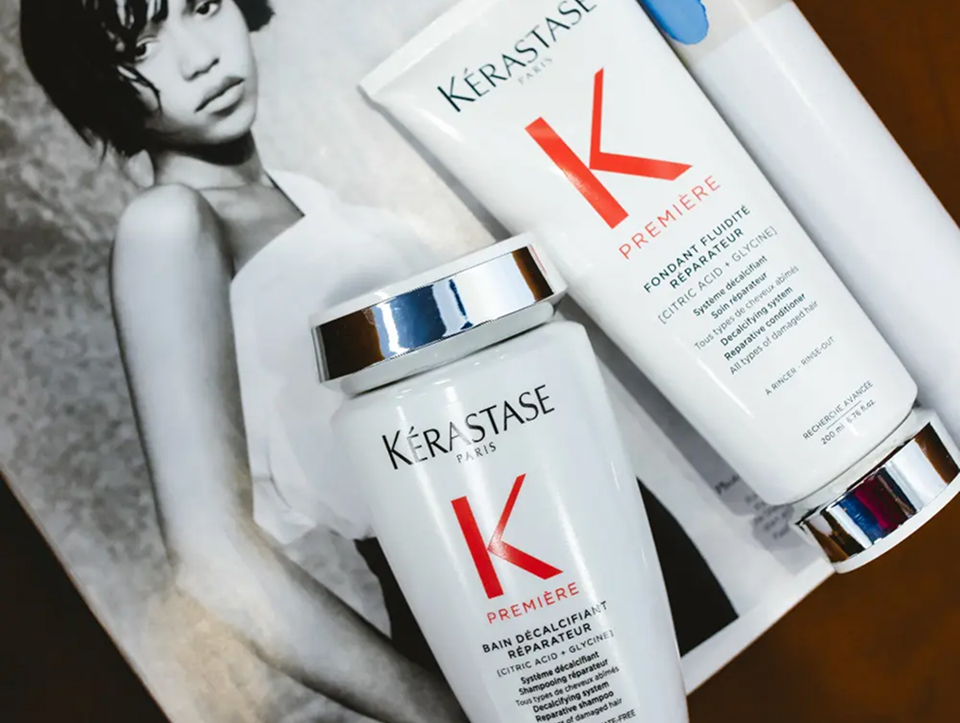
Protein is often praised as the secret to strong, healthy hair, and for good reason. But as with skincare or nutrition, too much of a good thing can backfire.
When you receive more protein than it needs, it can become dry, brittle, and prone to breakage. It’s known as protein overload in hair, and it’s more common than you realize.
If your hair feels stiff, rough, or unmanageable despite using strengthening products, protein overload may be the culprit.
Let’s break down what it is, how to spot it, and, importantly, how to repair it.
What Is Protein Overload in Hair?
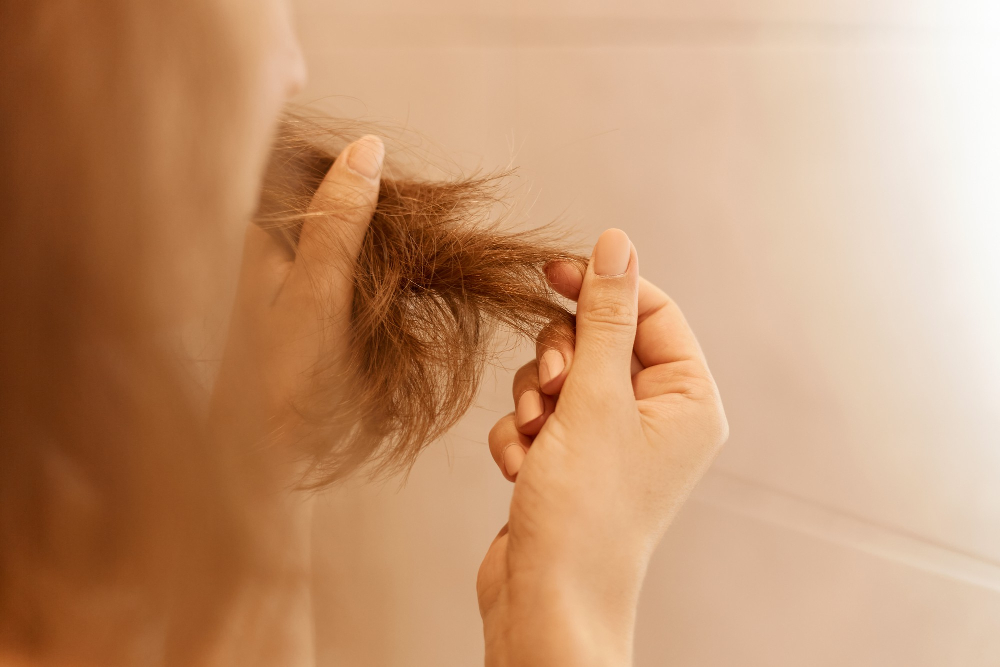
Protein overload happens when your hair absorbs excess protein without enough moisture to balance it.
Your hair is made of keratin (protein), so protein-based products can help reinforce weak or damaged strands.
However, when you layer protein too often or without hydration, your hair becomes rigid instead of resilient.
Healthy hair needs flexibility. When there’s too much protein, the cuticle hardens, making hair unable to bend or stretch, leading to breakage.
🌿 Learn more about other hair breakage causes and discover the difference between hair growth and retention
💡 Salon Insight: Strong hair isn’t stiff hair. Strength comes from balance, not overload.
How to Know If Your Hair Has Protein Overload
One of the most common questions we hear at Haste Urban Hair Spa is: How do I know if my hair has protein overload?
These signs are very noticeable once you know what to look for.
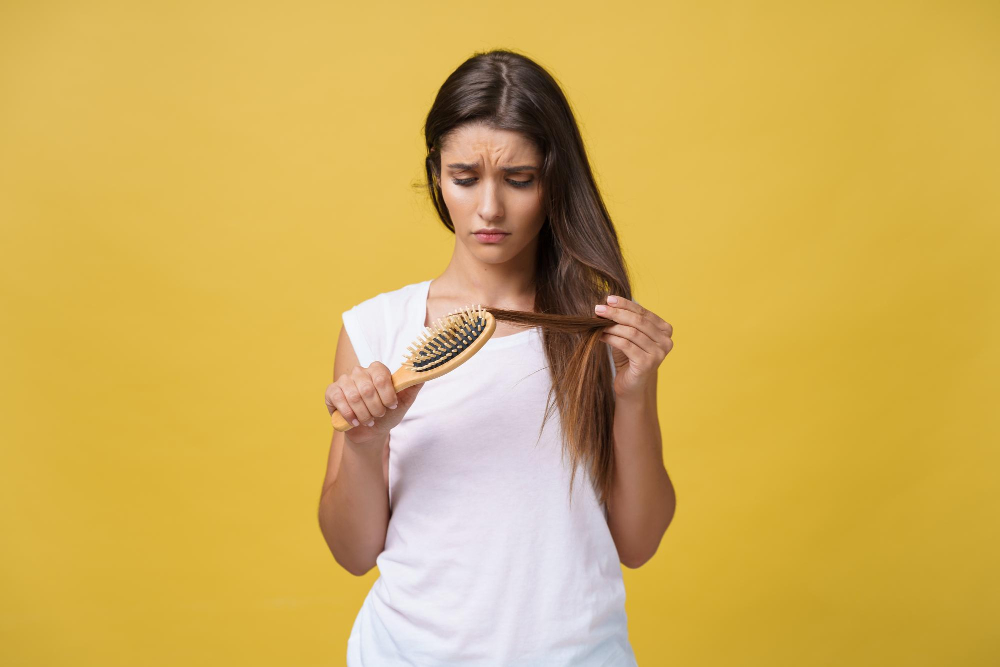
Common Signs of Protein Overload:
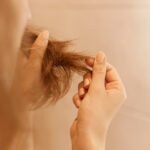
- Your hair feels dry, rough, or straw-like
- Increased breakage, especially during brushing or styling
- Your hair snaps easily instead of stretching
- Lack of softness and shine
- Tangling more than usual
- Hair feels hard or stiff when wet
👉 Learn more about how hard water affects your hair when it comes to moisture
The Stretch Test (Easy At-Home Check)
Gently stretch a wet strand of hair:
- If it snaps, protein overload is likely
- If it stretches and returns, moisture and protein are balanced
🌿 Learn more about protein and moisture
Does Protein Overload Cause Hair Loss?
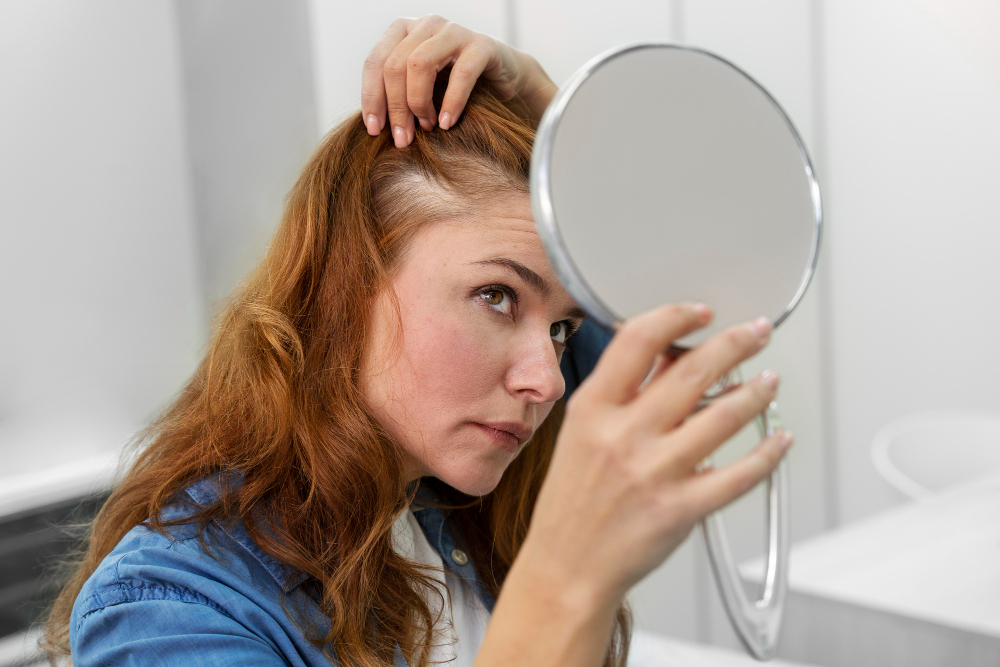
An overload of protein does not cause hair loss from the scalp, but it can cause severe breakage that often appears as hair loss.
When hair becomes too rigid from excess protein, it breaks along the mid-lengths and ends. Over time, this can make hair appear thinner or uneven.
💡 Important Notice: If you notice excessive shedding from the root, that’s a different issue and should be assessed professionally.
Protein Overload vs Moisture Overload
Understanding the difference between protein overload and moisture overload is essential because they require opposite solutions.
Protein Overload
- Hair feels dry, hard, and brittle.
- Snaps easily when stretched
- Lacks shine and softness
- Needs hydration and moisture
Moisture Overload
- Your hair feels overly soft, limp, or mushy
- Stretches too much and doesn’t bounce back
- Lacks structure and holds
- Needs light protein reinforcement
💡 Balance is the goal. Most healthy hair routines include both protein and moisture, just not in excess.
👉 Learn when your hair needs a keratin or collagen treatment
What Causes an Overload of Protein in Hair?
Protein overload often occurs unintentionally. Some of the common causes include:
- Overusing strengthening or repair shampoos
- Frequent keratin or bond-building treatments
- Layering multiple protein-rich salon hair products
- Not rotating in moisturizing products
- Following trends instead of your hair-specific needs
💡 Tip: Ingredients like keratin, collagen, silk protein, wheat protein, and amino acids all contribute to protein buildup.
How to Fix Protein Buildup in Hair
The good news? Protein buildup is fixable with the right approach.
Step-by-Step Recovery Plan:
1. Stop Protein Products Immediately: Pause all strengthening, repair, and bond-building treatments.
2. Focus on Moisture: Switch to hydrating shampoos and conditioners designed to restore softness.
3. Deep Condition Regularly: Use a moisture-rich hair mask 1-2 times per week.
4. Be Gentle: Avoid aggressive brushing, tight styles, or excessive heat while hair recovers.
5. Limit Clarifying: Over-clarifying can worsen dryness and slow recovery.
💡 Salon Tip: Leave-in conditioners and lightweight oils help restore elasticity faster.
How Long Does It Take to Recover From Protein Overload?
Most hair starts to feel better within 1 to 3 weeks, depending on severity and consistency. Signs of recovery include:
- Softer texture
- Improved elasticity
- Less breakage
- Easier styling
Patience is essential as your hair needs time to rebalance.
How to Prevent Protein Overload in the Future
Prevention is easier than repair. To keep your hair healthy long-term:
- Rotate protein and moisture products
- Avoid using protein treatments weekly unless advised
- Read ingredient labels carefully
- Don’t stack multiple protein products in one routine
- Get professional guidance for your hair type
✨ Salon Expert Advice: What works for one person’s hair may damage another’s—customization matters.
Protein Balance Is the Secret to Healthy Hair
Protein plays an essential role in hair strength, but balance is everything. Too much protein can undo all your hard work, leaving hair fragile and dull.
By understanding your hair’s needs and adjusting your routine, you can restore softness, shine, and strength without the guesswork.
If your hair feels off and you’re unsure whether it needs protein or moisture, a professional consultation can save time, money, and unnecessary damage.
FAQ
How do I know if my hair needs protein or moisture?
If your hair snaps easily and feels stiff, it needs moisture. If it feels limp or overly stretchy, it may need protein.
Can protein overload permanently damage hair?
No. Protein overload is not permanent and can be reversed with proper hydration and care.
How often should I use protein treatments?
Most hair types only need protein every few weeks or less. Frequency depends on hair condition and chemical processing.
Can salon hair products cause protein overload?
Yes, especially if multiple protein-rich salon hair products are layered without moisture balance.
Is protein overload more common in curly or color-treated hair?
Yes. Curly, textured, and color-treated hair is more prone to dryness due to frequent strengthening treatments.