March 13, 2025
Scalp Care Under Extensions: How to Protect Your Scalp

Scalp care under extensions and wigs is essential to maintain healthy hair. While extensions and wigs are a stylish way to switch up your look, improper care can lead to scalp irritation and hair damage.
At Hāste Urban Hair Spa, we specialize in extensions and scalp treatments, helping clients maintain healthy hair and a comfortable scalp while enjoying their favorite styles.
Understanding The Impact of Extensions On Your Scalp Health

We love giving our clients extensions, as they are handy. However, if you do not follow proper aftercare, it can affect your scalp’s natural health.
The reason, especially with wigs, is that the material used provides a tight fit and prevents your scalp from breathing, unlike extensions. When you do not follow a scalp care routine, that blockage can lead to problems.
When your scalp is not breathing, dead skin cells, oil, sweat, and a buildup can form, which can also happen when wearing extensions. The buildup clogs hair follicles, preventing new growth and causing discomfort.
Furthermore, when extensions are not dried properly, they can create damp areas that allow fungi and bacteria to grow, leading to scalp irritation and infections.
Common Scalp Issues Caused by Extensions
At our hair wellness spa, one common issue we see with extensions or wigs is traction alopecia.
It happens when you constantly pull your hair follicles, which can lead to hair loss. You find this mostly with braids or wigs that sit too tightly, or with heavy extensions or styles that pull your hair at the hairline.
Besides causing traction alopecia, friction can cause scalp irritation. Your scalp may become itchy, bumpy, red, or dry. This irritation can result from the wig material rubbing against your scalp or from leftover glue.
For this reason, when you visit us for hair extensions, we always advise you to follow a proper scalp care routine to prevent these issues. By spotting these issues, you can treat them as early as possible.
Also, if you continue to feel discomfort or notice unusual changes, we recommend removing the wig or extensions and visiting us for a scalp detox in Massachusetts.
After a consultation, we can provide a customized treatment or advise you to see a dermatologist instead.
Handling Itchy Scalp With Extensions
Many people experience itchiness when wearing extensions, sew-ins, or wigs. This usually happens due to trapped sweat, friction from the extension base, or a lack of moisture reaching the scalp.
To calm an itchy scalp, use a light, non-greasy scalp mist or tonic made for extensions. Avoid scratching; instead, press gently on the area or massage with your fingertips.
If the itch persists or becomes painful, it may be a sign you need a scalp detox or adjustment.
Preventing Scalp Damage
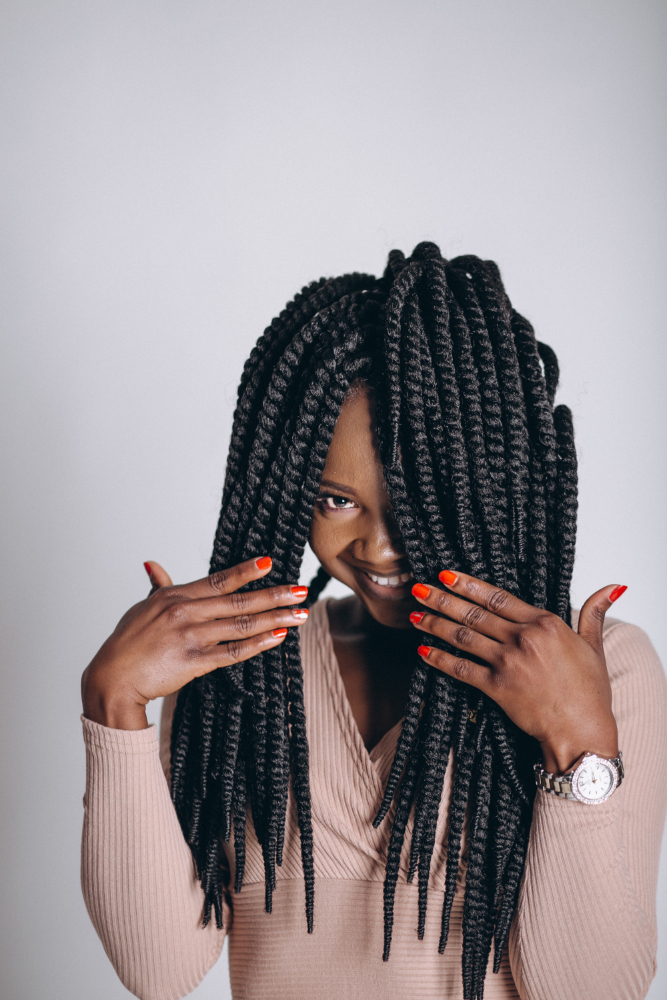
Regarding scalp care under extensions and wigs, it all starts with a proper fit and the material you choose. It’s also essential to have it professionally done, as a too-tight extension or wig can block blood flow.
It can slow down hair growth and cause hair loss, while a loose wig can rub against your scalp, leading to hair breakage and irritation. The same can happen when you invest in cheap extensions and wigs, as the material can hurt your scalp.
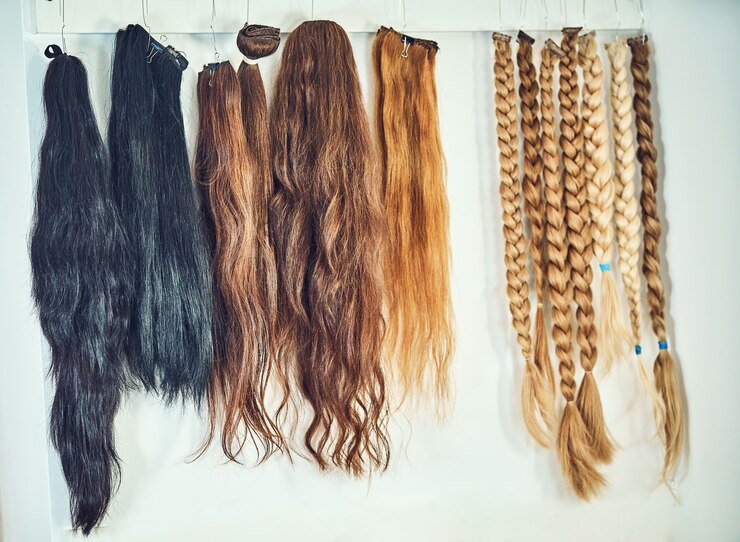
It is helpful to choose a breathable wig material, such as a lace-front or vented style, to promote airflow and reduce irritation and sweating. We believe in providing ethically sourced human hair extensions when you visit us.
These extensions reduce the risk of an allergic reaction and are more beneficial for your scalp health than synthetic options.
Tips For Scalp Care Under Extensions and Wigs
Your scalp requires special care when wearing extensions or wigs. First, you must follow a scalp detox treatment to keep your scalp clean and create a healthy environment for hair growth.
Therefore, you must follow the best self-care hair treatment practices, including using the correct products.
Practice Daily Scalp Cleansing to Remove Buildup
When it comes to scalp care with extensions and wigs, it’s essential to clean your scalp regularly. Not following the best hair care routine for a healthy scalp can lead to bacterial growth. The buildup of products, sweat, and oil on the scalp is a breeding place for germs.
Scalp problems can slow down the growth of natural hair. Therefore, we recommend that our clients choose a gentle, sulfate-free shampoo. This way, you can wash your scalp and human extensions without stripping away the natural oils.
Another great option is to invest in a clarifying shampoo to remove buildup at least once or twice a month.
Steps to clean your scalp while wearing a wig:
- Before you put on a wig, we recommend washing your hair with a mild shampoo. Focus on the back of your neck and hairline, where buildup is most noticeable.
- When you remove your wig, clean your scalp to remove any product buildup it may have left behind.
- Then, once or every other week, perform a deep-cleansing treatment with a clarifying shampoo to remove dirt and buildup from your scalp.
Steps to clean your scalp and extensions:
- Start with a pre-shampoo treatment. Apply a scalp serum before you shampoo your hair. This will nourish the skin and prepare it for washing.
- Then, gently massage your sulfate-free shampoo and human hair extensions into your scalp. The next step is crucial: clean and rinse the residue from your scalp and hair. Additionally, perform a scalp massage, as it helps to clean the scalp.
- If you decide to use a scalp scrub now, gently rub it into your scalp with your fingertips.
- You can also use a scalp massager to stimulate the scalp for blood circulation in the follicle area, which is a great way to relax.
- Additionally, consider using an oil treatment with jojoba, rosemary, or argan oil, and gently massage a few drops into the scalp. However, this is not recommended if you wear tape-in extensions, as they can slip off.
How to Wash Your Scalp With Extensions Without Loosening Them
When washing your scalp with extensions, use a nozzle-top bottle or foam shampoo to target the roots without soaking the bonds. Use your fingertips—not nails—to gently lift buildup. Always rinse thoroughly, especially around rows, wefts, or tapes. Avoid aggressive scrubbing, which can cause slippage or tangling.
Prevent Scalp Dryness
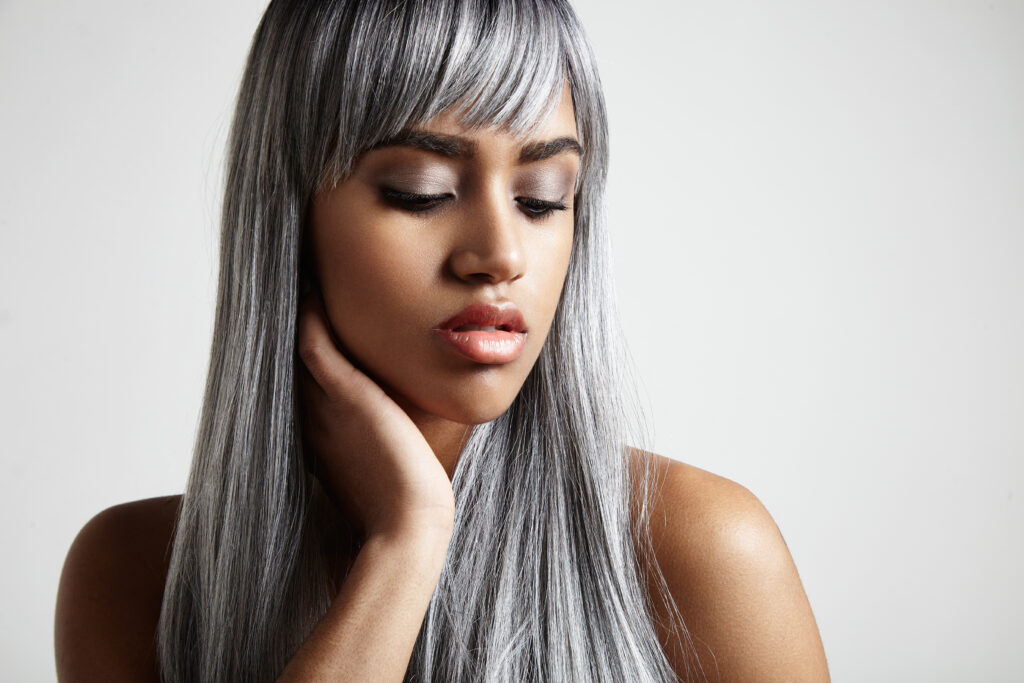
Like your face and skin, your scalp needs hydration. Protective hairstyles, extensions, and wigs can remove natural scalp moisture, leading to discomfort, dryness, and itchiness.
So, add a moisturizing routine to nourish your scalp. We recommend using non-greasy products, as they will not clog pores or make your extensions feel heavy.
You can treat an itchy scalp by massaging a couple of drops of moisturizer or conditioner into it. Focus on dry spots. Doing this regularly helps keep your scalp balanced and prevents flakiness.
Did you know that extensions can be made from virgin hair? If you’re not sure what that is, check it out here.
Can You Oil Your Scalp While Wearing Extensions?
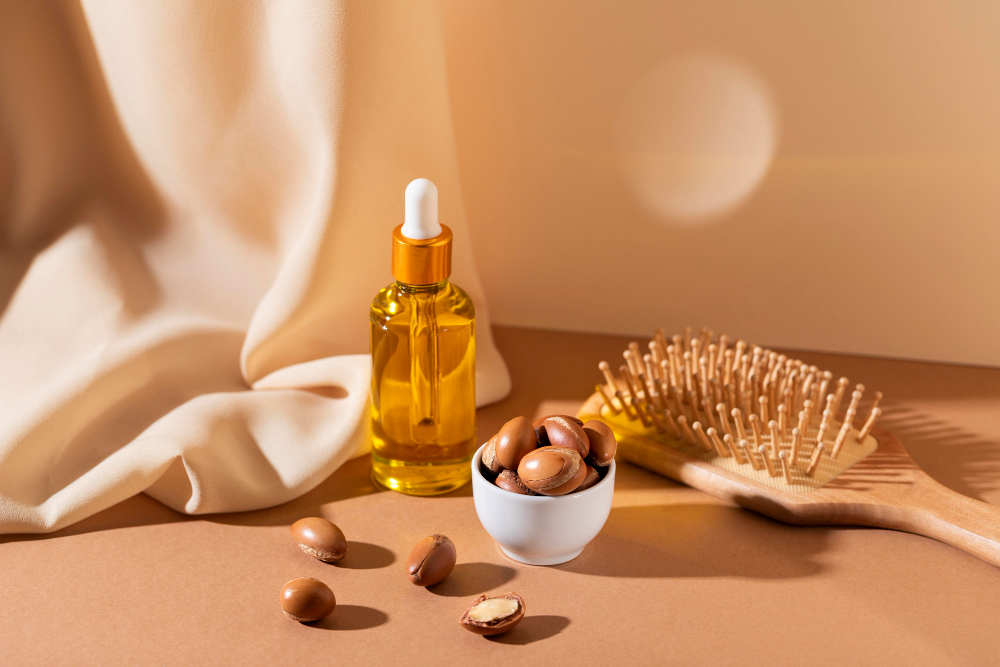
Light oils can be used on certain extension types, but avoid applying oils directly to tape-ins, keratin bonds, or adhesives. If you have sew-ins or micro-links, you can use a few drops of jojoba, grapeseed, or rosemary oil with a dropper.
Apply only to the visible scalp and massage gently. Heavy oils and butters should be avoided, as they trap heat and worsen buildup.
📋 Can You Get a Scalp Massage or Head Spa With Extensions? Yes, you can still enjoy a relaxing scalp massage or head spa treatment while wearing extensions.
However, the techniques must be gentle around the attachment points. A scalp wellness spa can safely detox your scalp, cleanse buildup, and hydrate without disturbing your extensions.
Scalp Care Under Extensions and Wigs
Implementing scalp care under extensions and wigs will keep your skin and hair healthy. Always keep your scalp clean and moisturized.
This helps prevent issues such as itching and dryness. Understanding how extensions and wigs can impact scalp health can help prevent damage. Following a scalp health treatment can keep your scalp looking great while wearing extensions or wigs.
However, if you are still undecided about getting extensions done and are unsure about what they entail, why not book an appointment with us today?
We will provide consultation, professional scalp treatment, and hair extensions to make you feel special and look fantastic.
FAQ
How do you wash your scalp while wearing extensions?
Use a sulfate-free, extension-safe shampoo and apply it with a nozzle bottle to reach the scalp without disturbing the bonds. Focus on the roots, massage gently with your fingertips, and rinse thoroughly. Avoid harsh scrubbing or pulling, as this can cause slippage or tangling.
How do you treat dandruff with extensions?
Choose a lightweight, extension-safe dandruff shampoo. Look for ingredients like pyrithione zinc or tea tree, and avoid heavy formulas that can leave residue. Clarify once or twice a month and keep your scalp hydrated with a light, non-greasy moisturizer.
Why does my scalp itch when I wear extensions?
Extensions can trap heat, sweat, and product buildup against the scalp. They can also cause friction depending on the installation method. Keeping your scalp clean, hydrated, and buildup-free will help minimize itchiness. A scalp detox treatment is helpful if the itching persists.
How often should I shampoo my scalp under extensions?
Most people need to cleanse their scalp 1–2 times per week depending on sweat, oil, and activity level. Weekly cleansing prevents buildup and helps maintain a healthy environment for hair growth.
How do salons maintain scalp health during an extension installation?
A good salon will start with a scalp analysis, ensure proper tension during installation, and avoid overly tight attachments. They may also recommend a scalp detox, serum, or pre-shampoo treatment to keep the scalp balanced before and after your appointment.
Medford, MA
Hāste Urban Hair Spa