Have you ever felt your hair is growing at the roots but never seems to get longer?
You’re not alone. Many people struggle with hair that feels stuck in length, and most don’t realize that hair growth vs hair retention are two different things.
Hair growth is what happens at the follicle, the root of the hair, while retention is about keeping that hair intact to see it grow in length.
Understanding the difference is essential to longer, stronger hair. We found that many haircare articles only focus on one side of the equation, usually growth, leaving you frustrated when you still face breakage and shedding.
Today, we share both concepts and practical routines and tips to maximize growth and retention.
Hair Growth vs Hair Retention: Quick Comparison
| Feature | Hair Growth | Hair Retention |
| Definition | Production of new hair at the follicle | Keeping existing hair intact and preventing breakage |
| Goal | Stimulate follicles to produce hair | Reduce breakage, shedding, and split ends |
| Influencing Factors | Genetics, hormones, diet, scalp health | Moisture, protective styling, gentle handling, heat/chemical damage |
| Visible Result | New strands emerging from the scalp | Longer hair over time without breakage |
| Common Myths | Trimming speeds up growth | Protective styles always guarantee length |
| Quick Tip | Support follicles with nutrition & scalp care | Handle hair gently, moisturize, and use protective styling |
Why Your Hair Isn’t Growing Longer
Even if your roots grow, breakage can prevent visible length when comparing hair growth vs. hair retention. The problem isn’t growth, it’s retention.
Common signs you’re not retaining length:
- Hair breaks at the ends frequently
- Hair feels brittle or dry despite growth at the roots
- Protective styles cause tension instead of retention

Hair Growth Explained
Hair growth occurs at the follicle and follows a natural cycle with three main phases when comparing hair growth vs. hair retention:
- Anagen (Growth Phase): Active growth, lasting 2-7 years depending on genetics and hair type. Most of your scalp follicles are in this phase.
- Catagen (Transition Phase): Hair stops growing, and the follicles shrink, a process that can last 2-3 weeks.
- Telogen (Resting/Shedding Phase): Your hair rests and eventually falls out, a process that lasts around 3 months.
✏️ Learn more about Hair Growth and Why Your Hair is Not Growing
On average, hair grows about 1cm per month, but this can vary with genetics, age, hormones, and overall health.
Factors That Affect Growth
- Genetics: Your DNA determines your growth potential and cycle length.
- Hormones: Thyroid, estrogen, and testosterone affect hair follicle activity.
- Scalp Health: A clean, balanced scalp ensures follicles function well.

Tips for Boosting Hair Growth
- Eat a balanced diet with eggs, salmon, spinach, and berries
- Massage your scalp 2-3 times per week to improve circulation.
- Reduce stress through meditation, yoga, or adequate sleep.
✏️ Learn more about How Stress Affects Your Scalp
Products That Support Growth
While routine and nutrition are the foundation, some products can help:
- Topical growth serums (e.g., minoxidil for certain cases)
- Nourishing oils such as castor, coconut, and jojoba for scalp health
- Low-level laser devices for follicle stimulation
Internal health (diet, vitamins) plus external care (scalp, products) maximize growth results.
👉 Discover the best dermatologist-approved scalp serums

Hair Retention Explained
Hair retention is about keeping hair intact so the length shows. Without it, your hair may grow at the roots but break before it reaches long lengths.
Factors Affecting Retention
- Moisture Balance: Your hair’s brittle and prone to breakage.
- Mechanical Damage: Rough detangling, tight hairstyles, and frequent brushing increase breakage.
- Chemical & Heat Damage: Relaxers, dyes, and hot styling tools weaken the hair shaft.
- Protective Styling Mistakes: Styles such as braids, buns, and twists can protect hair when applied gently, but tight tension can cause breakage.
Step-by-Step Hair Retention Routine
Daily:
1️⃣ Moisturize and seal ends with oils
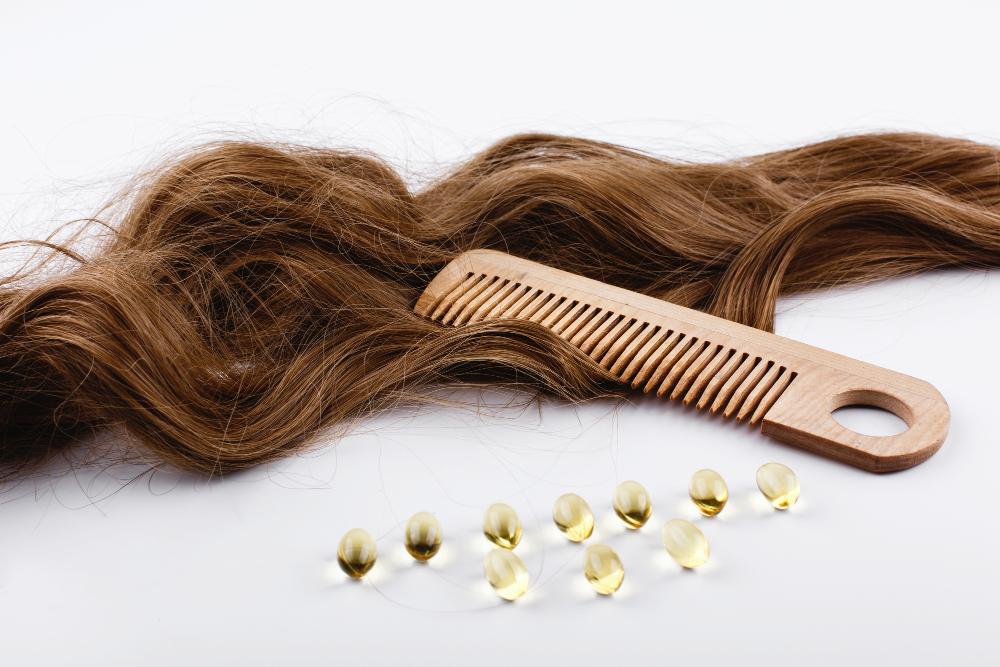
2️⃣ Detangle gently with a wide-tooth comb
Weekly:
3️⃣ Deep condition
4️⃣ Scalp massage
Monthly:
5️⃣ Protective style rotation
6️⃣ Trim split ends
✂️ Skipping trims can sabotage hair health. Read our guide on common haircare mistakes to learn why trims matter.
Tips for Retention
- Use a satin or silk pillowcase to help reduce friction while sleeping.
- Limit heat styling and, when necessary, use heat protectants.
- Detangle your hair in sections using a wide-tooth comb, always starting from the ends.
✏️ Learn more about protein and moisture for your hair and the signs of a protein overload
Retention is often the missing piece: if you see growth at the roots but struggle to gain length.
👉 For more length retention tips, read our article here
Combining Growth and Retention for Long Hair
Success comes from balancing growth and retention when it comes to hair growth vs. hair retention:
- Growth without retention means your hair breaks, and there is no length
- Retention without growth, your hair remains healthy, but won’t increase in length
Routine:
- Daily: Moisturize and detangle
- Weekly: Deep condition and scalp massage
- Monthly: Protective style rotation and trims
Combining a growth-focused routine with retention practices helps your hair grow longer over time.
✏️ Learn how you can do scalp barrier repair and what foods to eat for healthy hair

Tips for Hair Growth and Hair Retention
Nutrition for Hair
- Protein: Builds hair structure
- Iron: Supports follicle function
- Omega-3s: Nourish scalp
- Vitamins A, C, D, E, B-complex: Support growth
Scalp Care
- Keep scalp clean, avoid buildup
- Massage 2–3x per week to stimulate blood flow
✏️ Learn more about how you can maintain scalp health
Low Manipulation
- Reduce brushing
- Avoid tight hairstyles that stress hair
- Use satin/silk accessories

Protective Styling
- Loose braids, twists, buns
- Rotate styles to prevent tension and breakage
Moisture and Conditioning
- Daily hydration with water-based leave-in conditioners
- Seal ends with oils for moisture retention
- Weekly deep conditioning treatments
Common Myths
- Trimming speeds up growth → False. It prevents breakage, aiding retention.
- Natural products alone fix hair → Only a complete routine of growth + retention works.
- Protective styles always guarantee length → Styles help retention only if done correctly.
When to See a Professional
Consult a dermatologist or trichologist if:
- Excessive shedding (>100–150 hairs/day)
- Sudden thinning or patchy hair loss
- Scalp irritation or discomfort
They can help identify hormonal issues, nutritional deficiencies, or scalp disorders.
Focus on Both for Length
When it comes to hair growth vs hair retention, understanding the difference is essential to achieving long, healthy hair.
Growth fuels potential length, while retention preserves it. Building routines that address both will help you finally see the results you’ve been waiting for.
Ready to take action? Book a personalized consultation at Haste Urban Hair Spa to create your ideal growth and retention plan.
FAQ
What’s the difference between hair growth and hair retention?
Growth is hair production at the follicle; retention is keeping hair intact and preventing breakage.
How fast does hair grow?
Around 1 cm per month, influenced by genetics, diet, and scalp health.
Does trimming make hair grow faster?
No, trimming your hair prevents breakage, which helps retain length.
How can I improve hair retention?
Moisturize regularly, use protective styles, minimize heat/chemical damage, and handle hair gently.
Can diet affect hair growth?
Yes, protein, iron, vitamins, and omega-3s support follicle function and reduce shedding.
How do I know if my hair isn’t retaining length?
If your ends break frequently or hair doesn’t appear longer despite growth at the roots, retention is likely the issue.