Your hair strands get all the attention, but the scalp barrier is the real foundation for healthy, long-lasting hair.
When this protective layer becomes damaged, your hair can become dry, brittle, and prone to breakage.
Scalp barrier repair is not just a trend; it’s an essential part of maintaining your scalp health and ensuring your hair grows strong and resilient.
In our guide, we’ll break down what it is, the signs of damage, the causes, and the ways to restore it.
By the end, you’ll know how to restore your scalp and keep your hair thriving.
What Is the Scalp Barrier?
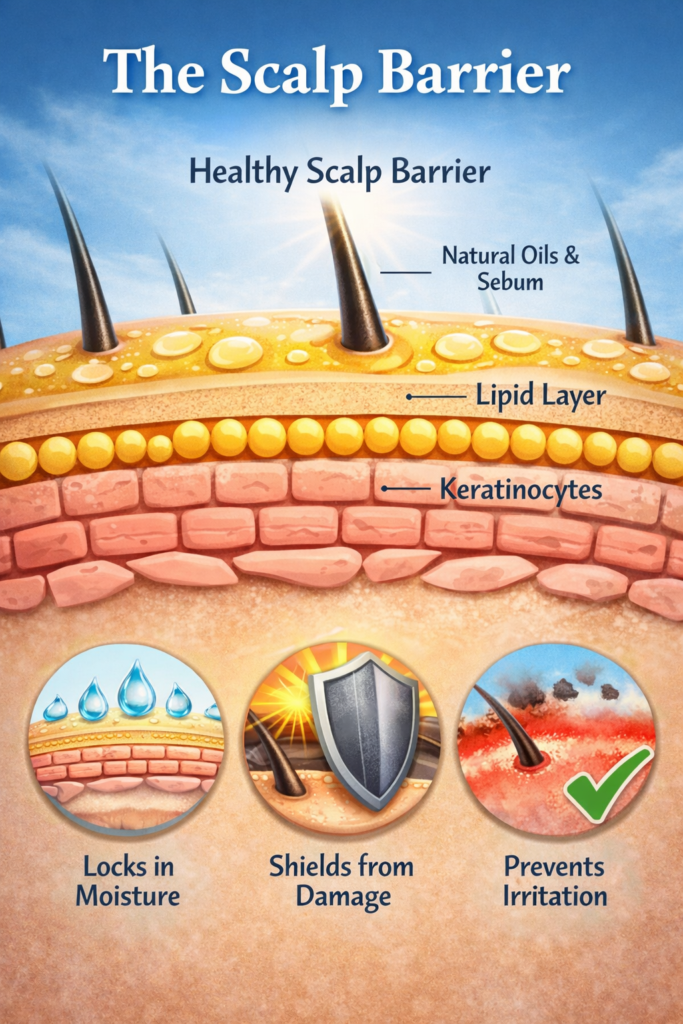
The scalp barrier is a protective layer of lipids, natural oils, and keratinocytes.
It functions like your skin barrier, shielding your scalp from environmental damage, retaining moisture, and preventing irritation.
💡 Think of it as your scalp’s invisible shield; without it, your hair struggles to thrive.
Why it matters:
- Protects follicles from buildup and irritation
- Maintains hydration for healthy strands
- Supports hair growth and retention

Signs Your Scalp Barrier is Damaged
Recognizing damage early is essential for scalp barrier repair, and here are some common signs to look out for:
- Redness, irritation, or inflammation
- Excessive flaking or dry patches
- Sensitivity to products
- Slow hair growth or brittle strands
✏️ If you notice the above symptoms, it’s time to consider scalp barrier repair.
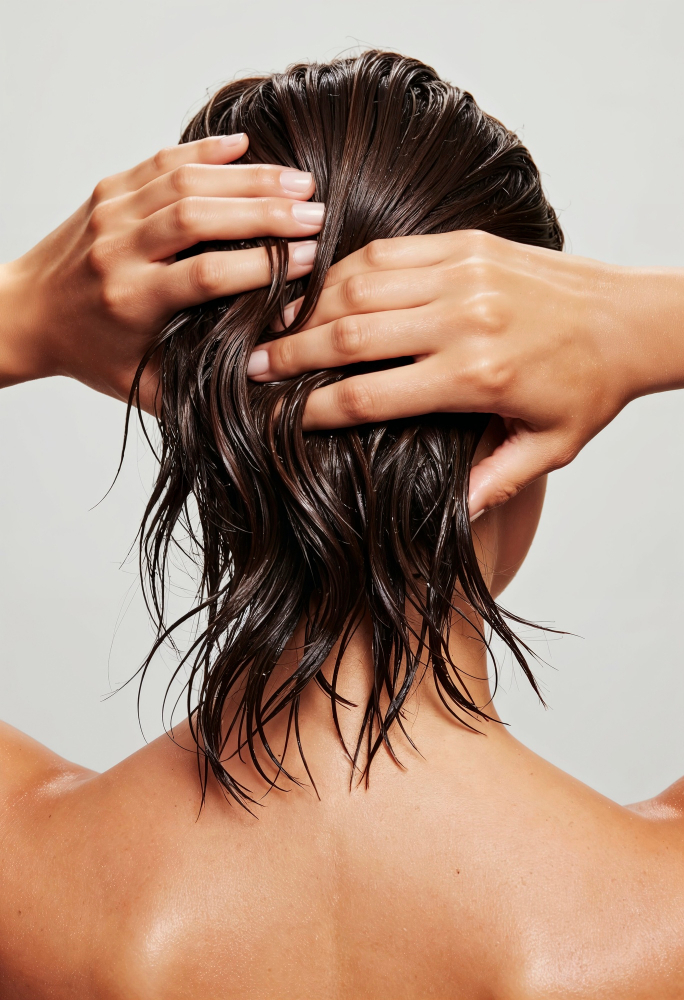
Common Causes of Damage
Several lifestyle and environmental factors can compromise your scalp barrier:
- Over-washing or using harsh sulfates
- Excess heat from styling tools
- Chemical treatments (bleach, relaxers, perms)
- Environmental stressors: sun, wind, pollution
- Product buildup from heavy oils or styling gels
🧴 Tip: Even water can strip your scalp if used excessively.
👉 Learn more about product buildup and how to prevent it
How Scalp Barrier Repair Works (Step-by-Step)
Repairing restores balance, hydration, protective lipids, and your scalp’s natural pH, the foundation for stronger hair.
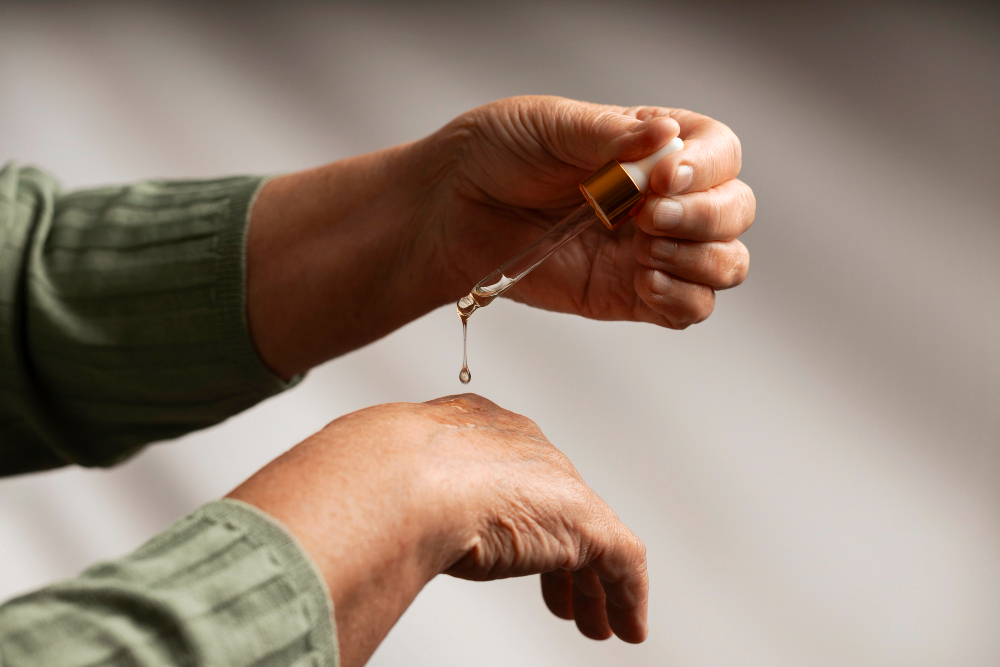
1️⃣Restore the Protective Lipid Layer
Replenish lipids broken down by heat, chemicals, or harsh shampoos:
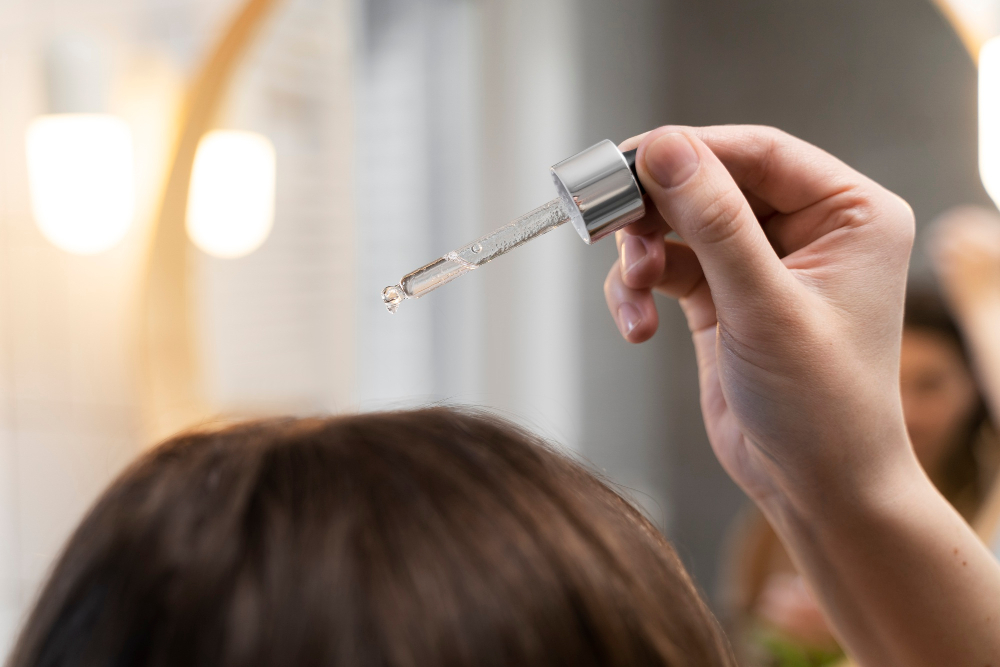
- Lightweight oils (grapeseed, jojoba)
- Cermide-containing serums or treatments
- Fatty acid-rich scalp creams
🧴 Tip: Apply these after cleansing to seal in moisture without clogging follicles.
👉 Explore these scalp treatments and discover the best dermatologist-approved scalp serums
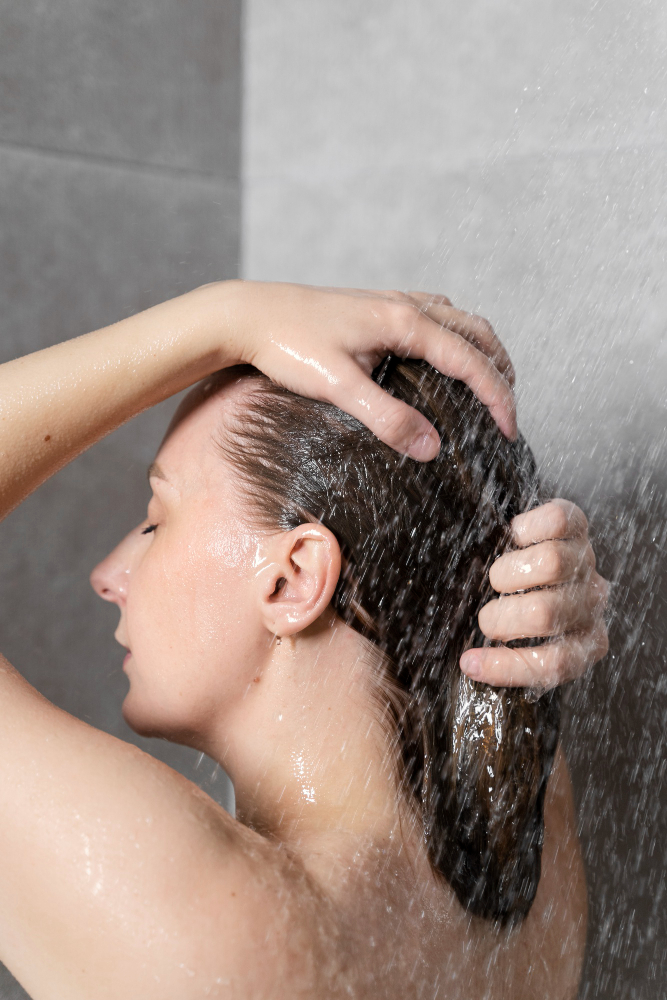
2️⃣Gentle Cleansing
You can’t repair a barrier if your routine keeps stripping it. Gentle cleansing is essential:
- Use sulfate-free shampoos
- Avoid overwashing (2-3 times per week is ideal for most hair types)
- Opt for hydrating cleansers with humectants like glycerin in moderation
🧴 Tip: Always rinse your hair well to avoid residue buildup that can irritate a weakened barrier.
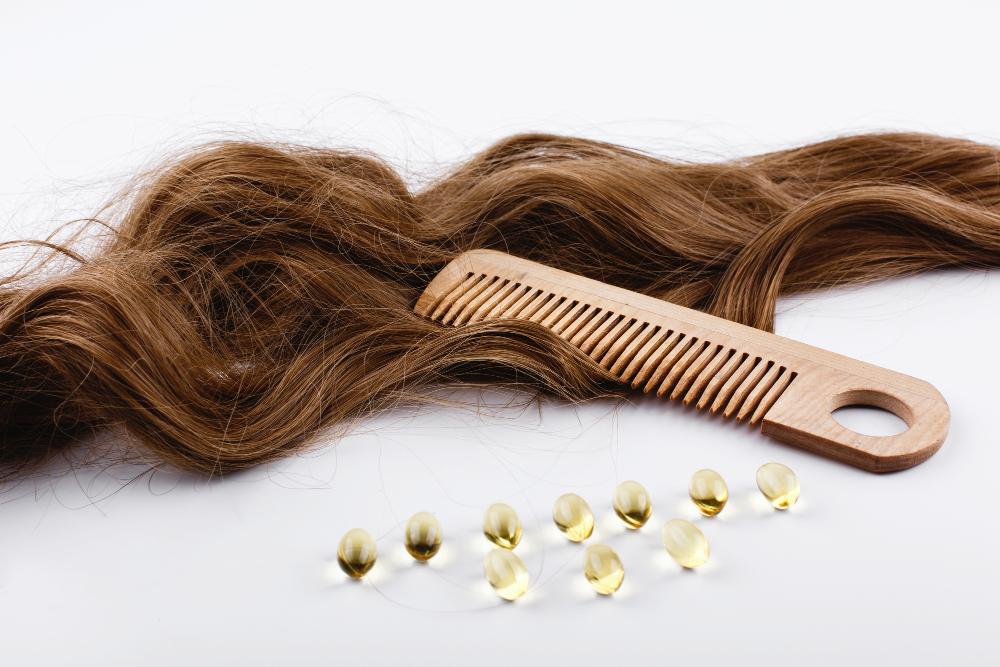
3️⃣Hydrating Without Overload
Humectants are moisture-attracting ingredients, such as glycerin and hyaluronic acid. They pull water into the scalp, but they work best layered properly:
- Apply a water-based leave-in or serum to a damp scalp
- Follow with emollients (oils or creams) to lock in moisture
- Avoid heavy products that can suffocate low porosity or sensitive scalps
⚠️ Warning: Overusing humectants in dry environments can worsen dryness.
👉 Learn more about different scalp conditions

4️⃣Calming Inflammation
A damaged scalp barrier often triggers inflammation, redness, or itching. Anti-inflammatory and soothing ingredients can accelerate repair:
- Aloe vera
- Panthenol (pro-vitamin B5)
- Niacinamide (vitamin B3)
🧴 Tip: Short daily scalp massages improve circulation and help active ingredients penetrate better.

5️⃣Lifestyle & Environmental Support
Repair isn’t just about topical products. Your environment and habits matter:
- Maintain hydration with adequate water intake
- Limit excessive heat styling
- Protect your scalp from sun exposure- learn more about hair sunscreen
- Eat a balanced diet rich in omega-3 fatty acids
🧴 Tip: Even a minor lifestyle adjustment, such as using a cold water rinse after your shampoo, can support barrier recovery.

Best Ingredients for Scalp Barrier Repair
| Type | Ingredients | Benefit |
|---|---|---|
| Lipids & Protective Agents | Ceramides, fatty acids | Rebuild barrier |
| Humectants | Glycerin, hyaluronic acid | Hydrate scalp |
| Soothing Agents | Aloe vera, Panthenol, Niacinamide | Reduce inflammation |

Scalp Care Routine (Daily & Weekly)
Implementing a daily and weekly habit can make a huge difference:
- Cleanse gently: Use sulfate-free, pH-balanced shampoos
- Hydrate: Apply a water-based leave-in or serum
- Layer properly: Follow humectants with emollients
- Seal: Use lightweight oils or scalp treatments
- Lifestyle matters: Stay hydrated, sleep well, and maintain a balanced diet
Common Mistakes That Slow Scalp Barrier Repair
To help with recovery, avoid these:
- Over-exfoliating or scrubbing
- Using harsh chemical treatments
- Heavy conditioning without proper cleansing
- Ignoring lifestyle factors
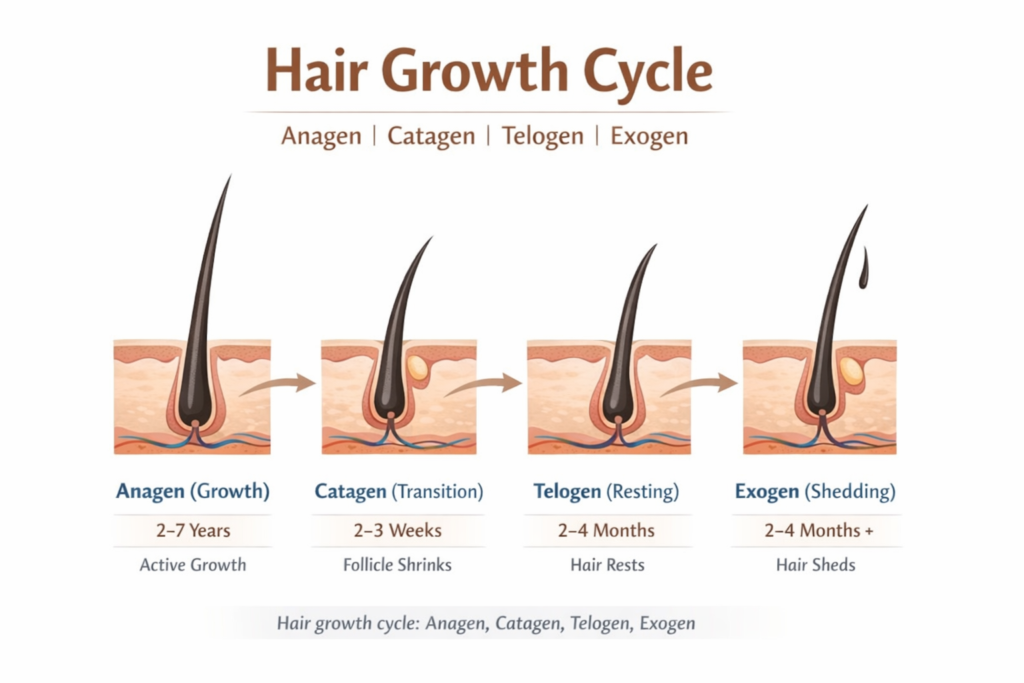
Scalp Barrier Repair and Hair Growth
A healthy scalp barrier supports follicle health, reduces breakage, and improves overall hair retention.
Repairing your barrier ensures that hair follicles receive adequate nutrients and hydration, which promotes thicker, stronger strands.
Great, but what about professional scalp treatments vs at-home care?
Professional treatments can accelerate repair:
- Scalp serums and masks
- Dermarolling for barrier stimulation
- Trichologist-guided routines
At-home care remains essential for maintenance and should be personalized for your scalp type.
Healthy Hair Starts at the Scalp
Your hair’s health starts with a strong, well-maintained scalp barrier. Using gentle products and maintaining a mindful routine can restore your scalp, reduce irritation, and support optimal hair growth.
Book a consultation at Haste Urban Hair Spa to assess your scalp barrier and receive a customized repair routine. Protect your scalp, strengthen your hair, and restore your natural glow.
FAQ
What is scalp barrier repair?
A process to restore the protective layer of the scalp, keeping it hydrated and healthy while preventing irritation.
How long does it take to repair a damaged scalp barrier?
Depending on severity, it can take 2–8 weeks with consistent care and proper products.
Can a damaged scalp barrier affect hair growth?
Yes, it can lead to inflammation, dryness, and breakage — slowing growth and reducing retention.
What ingredients are best for repairing the scalp barrier?
Ceramides, fatty acids, humectants (glycerin, hyaluronic acid), soothing agents like aloe vera and panthenol.
Can I repair my scalp barrier at home?
Yes, with gentle cleansing, hydration, emollient layering, and a healthy lifestyle. Professional treatments can speed up the repair.