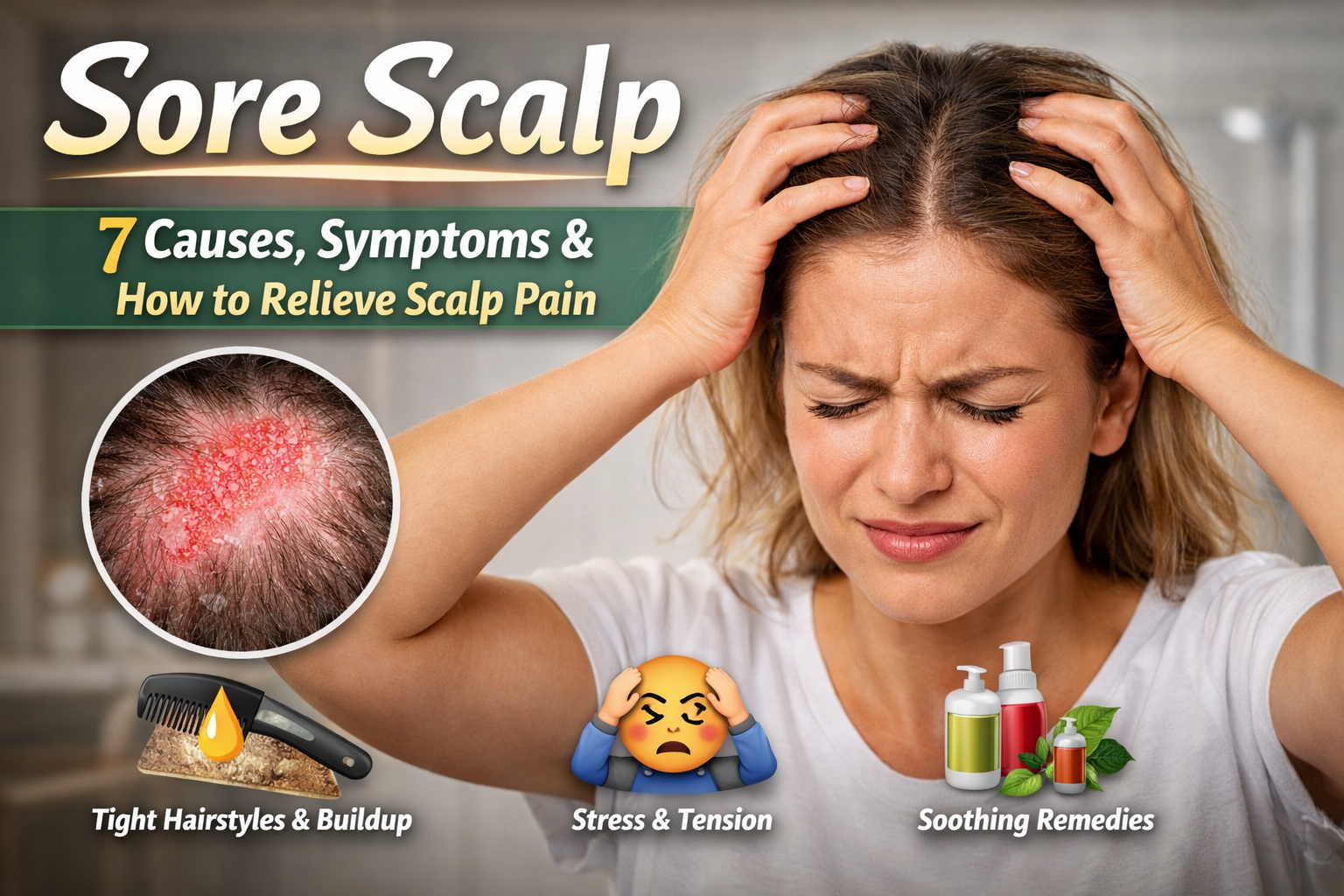
A sore scalp can be surprisingly uncomfortable. You may notice tenderness when brushing your hair, washing your scalp, or even lightly touching your roots.
For some people, the pain feels like burning, tightness, or sensitivity in the scalp roots. If you’re wondering why your scalp hurts, you’re not alone. Many people experience scalp tenderness due to irritation, product buildup, stress, or scalp inflammation.
In some cases, the pain may even appear after wearing tight hairstyles or after a scalp massage.
The good news is that most causes of scalp soreness are manageable once you understand what is triggering the discomfort. Let’s look at these symptoms and effective ways to relieve a sore scalp.
Why Does My Scalp Hurt?
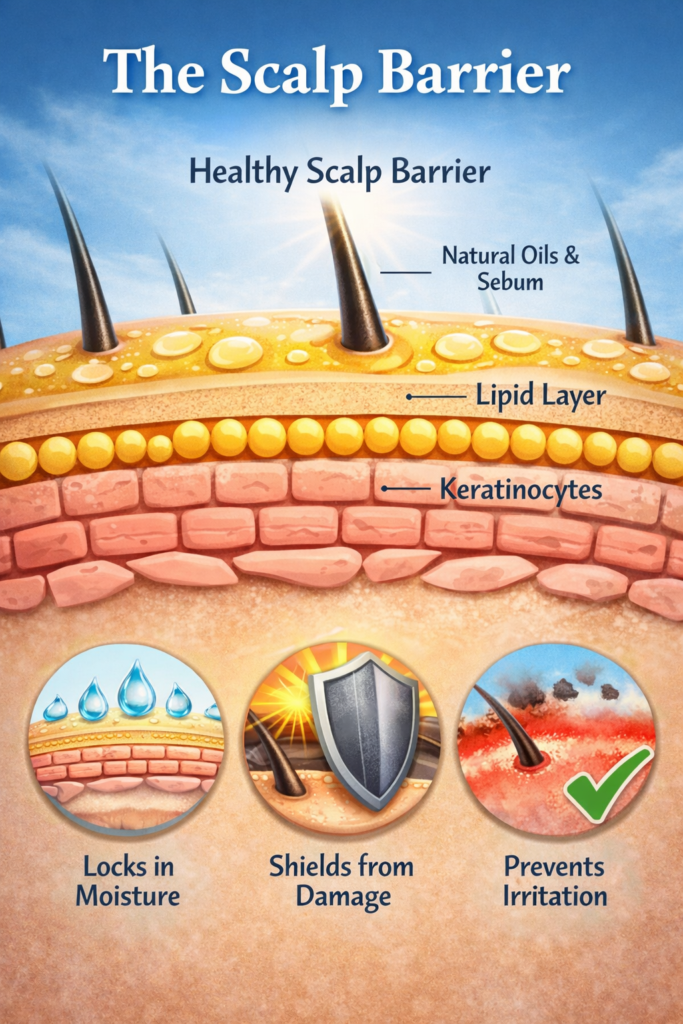
A sore scalp usually occurs when the hair follicles or skin on the scalp become irritated, inflamed, or stressed.
When this happens, the nerves surrounding the hair follicles become sensitive, which can make simple activities like brushing or touching your hair feel painful.
Common sore scalp causes include:
- Tight hairstyles that pull on the roots
- Product buildup is blocking the follicles
- Oily scalp and clogged pores
- Scalp irritation or inflammation
- Stress and scalp muscle tension
In many cases, the discomfort improves once the underlying cause is addressed and the scalp is given time to recover.
👉 To learn more about a thriving scalp environment, check out these common signs
What Is a Sore Scalp?
A sore scalp refers to tenderness or pain felt in the skin of the scalp or around the hair follicles. Many people describe it as:
- Scalp tenderness when touched
- Painful scalp roots
- Burning or tight sensations
- Sensitivity when brushing or washing hair
Because your scalp contains thousands of nerve endings and hair follicles, even minor irritation can trigger discomfort.
When your scalp becomes inflamed or irritated, the follicles and surrounding tissue may become hypersensitive. For this reason, you must maintain a proper scalp care routine for long-term hair health.
👉 If your scalp frequently feels irritated or reactive, you may want to explore our guide on dealing with a sensitive scalp.
Common Symptoms of a Sore Scalp
Scalp tenderness rarely appears alone. Many people notice several symptoms developing at the same time.
Common sensitive scalp symptoms include:
- Tenderness when touching your scalp
- Painful scalp roots when moving your hair
- Burning or stinging sensations
- Itching or irritation
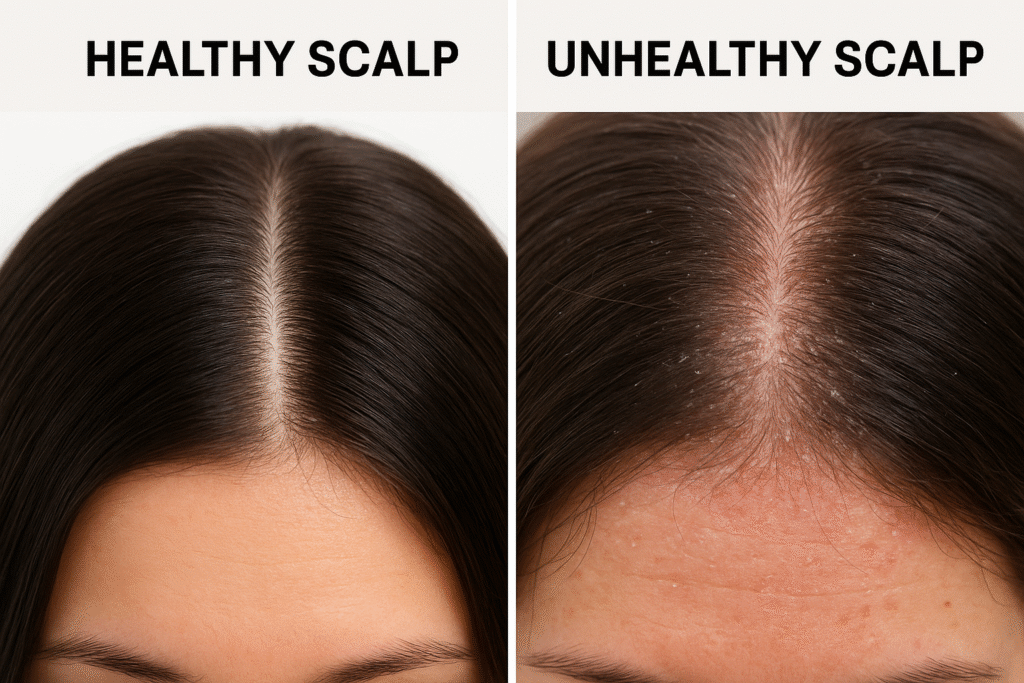
- Redness or inflammation
- Flakes or dryness on the scalp
- Mild headaches around the scalp
🔥 Sometimes dryness plays a bigger role than people realize. A dry, dehydrated scalp can easily become irritated, leading to tenderness and flakes.
👉 If you’re unsure whether dryness could be contributing to the discomfort, our guide on what causes a dry scalp can explain the most common triggers.
7 Common Causes of a Sore Scalp
Understanding the root cause of scalp pain is the first step toward relief. Several everyday factors can trigger scalp tenderness.
1️⃣ Tight Hairstyles and Hair Tension
A hairstyle that pulls tightly on the hair roots can place excessive stress on the hair follicles.
Common examples include:
- Tight ponytails
- Braids
- Buns
- Hair extensions
Over time, this tension may lead to painful scalp roots and soreness, especially when the hairstyle is removed.
🌿 Giving your hair occasional breaks from tight styles helps reduce follicle stress and keeps your scalp comfortable.
2️⃣ Product Buildup on the Scalp
Styling products, oils, and dry shampoo can accumulate on the scalp over time. When residue builds up around hair follicles, it may trigger irritation and tenderness.
Common buildup symptoms include:
- Greasy or flaky scalp patches
- Itching or irritation
- Clogged follicles
- Sore or tender scalp areas
🌿 Sometimes, buildup can even mimic dandruff. If hair follicles become clogged, learning how to address them can help restore scalp balance.
3️⃣ Stress and Scalp Muscle Tension
Stress affects the body in many ways, including the scalp.
When the body is under pressure, the muscles around the scalp can tighten. This tension may cause:
- Scalp tenderness
- Soreness around the crown
- Tension headaches
For this reason, many people experience sore scalp stress symptoms during difficult or demanding periods. You can explore this connection further in our article on 👉 Stress and Scalp Health.
4️⃣ Oily Scalp and Blocked Follicles
Excess oil can trap dirt, dead skin cells, and product residue on the scalp. When this mixture builds up, follicles may become clogged and irritated.
Signs of an oily or congested scalp include:
- Tender follicles
- Greasy patches
- Sore bumps on the scalp
🌿 A consistent scalp cleansing routine helps keep follicles clear and healthy.
5️⃣ Scalp Inflammation or Skin Conditions
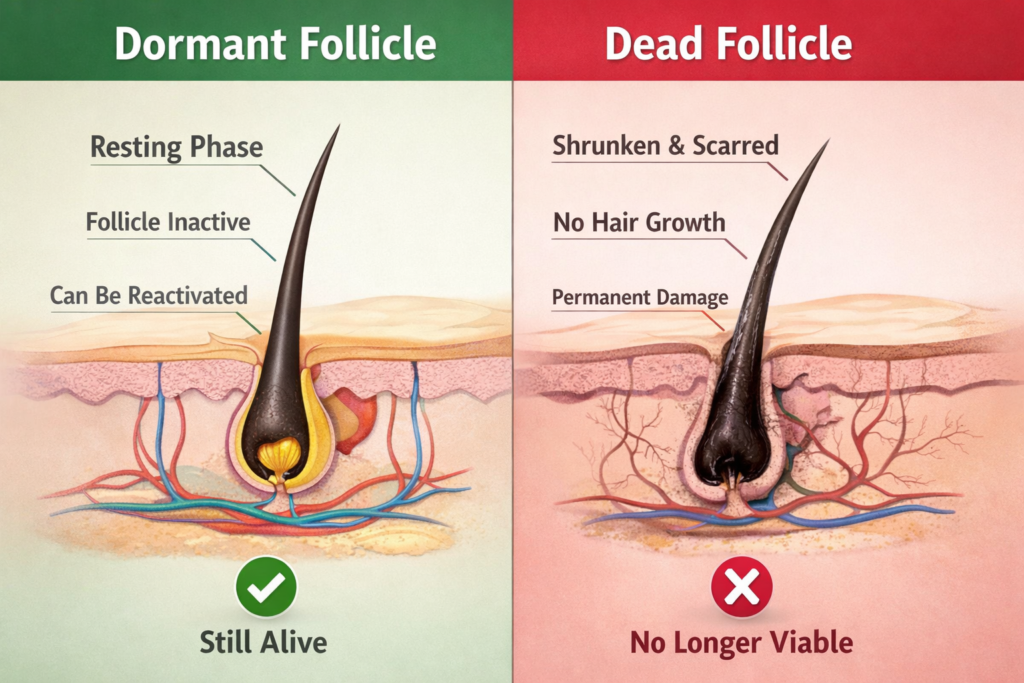
Certain scalp conditions may trigger irritation, redness, or tenderness.
Examples include:
- Dermatitis
- Dandruff
- Fungal infections
- Allergic reactions
👉 These conditions can cause red sore scalp patches or flaky areas. If you’re not sure what scalp disorder you have, learn more in our article on scalp conditions.
6️⃣ Harsh Hair Products or Shampoo
Some shampoos and styling products contain ingredients that may irritate sensitive scalps.
Potential irritants include:
- Sulfates
- Strong fragrances
- Alcohol-based sprays
🌿 Using gentler products can help protect the scalp barrier.
Learn more in our guide 👉 Is Shampoo Bad for Your Hair? It will help you understand how shampoo ingredients affect scalp health.

7️⃣ Poor Scalp Health and Lifestyle Factors
Your overall health also influences your scalp condition. Nutrition, circulation, and blood sugar balance all affect follicle health. Poor diet choices or excessive sugar intake may contribute to scalp inflammation.
Worthy Reads:
👉 How Your Diet Affects Scalp Health
👉 Hair Loss and Sugar: What’s the Link
🌿 Healthy lifestyle habits support both scalp comfort and hair growth.
Why Your Scalp May Hurt After a Massage
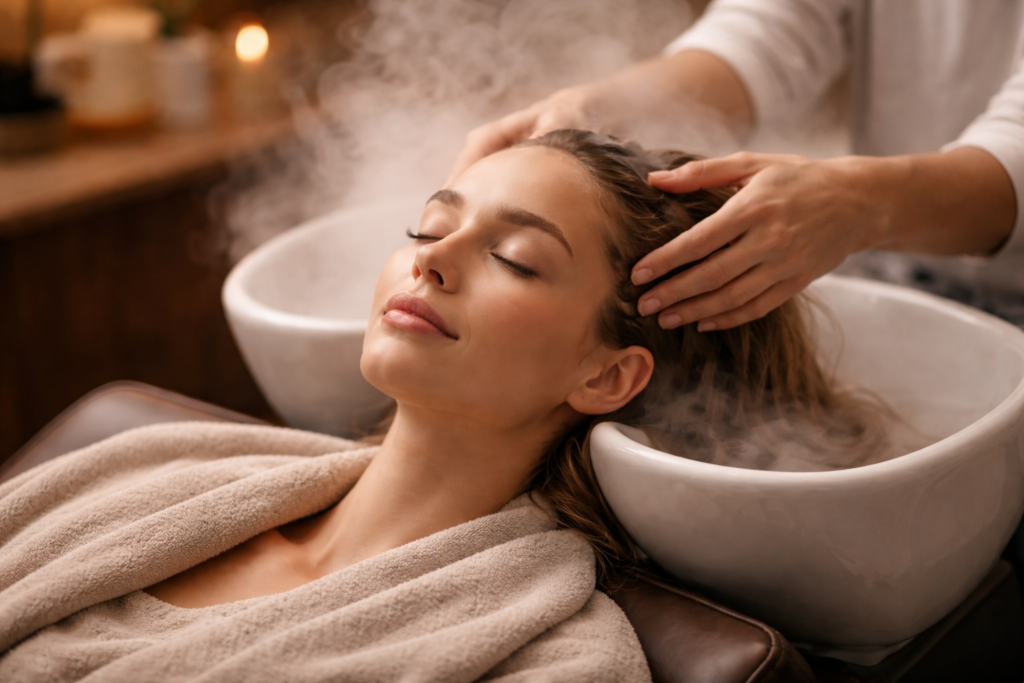
Many people feel concerned when they experience a sore scalp after a massage. In reality, mild tenderness may occur because of massage:
- Stimulates blood circulation
- Activates nerve endings
- Releases tension in scalp muscles
The temporary sensitivity usually fades quickly and is often a sign that circulation has improved.
If you want to explore the benefits further, our article on 👉 Scalp Massage explains how proper massage techniques can support healthier hair.
Can a Sore Scalp Affect Hair Growth?
Occasional scalp soreness usually does not lead to hair loss. However, chronic irritation or inflammation around the follicles can weaken hair growth over time.
When follicles remain irritated, they may struggle to produce strong hair strands. Maintaining a balanced scalp environment is essential for healthy hair growth.
Quick Ways to Relieve a Sore Scalp
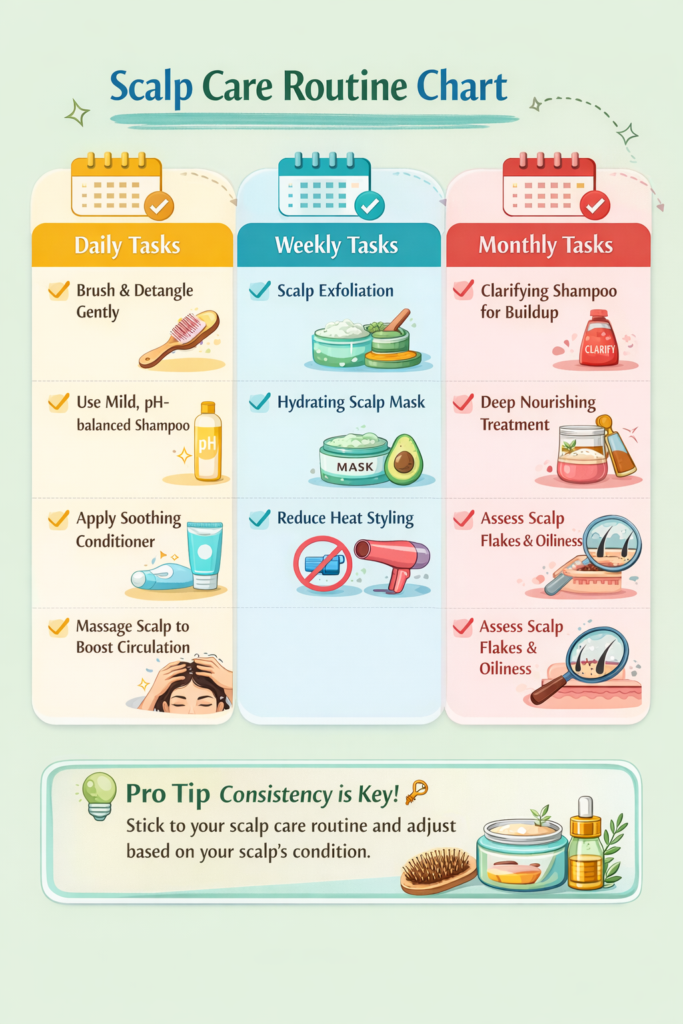
If your scalp feels tender or painful, several simple changes can help soothe irritation.
✔ Use Gentle Hair Care Products: Switch to mild shampoos designed for sensitive scalps to reduce irritation.
✔ Remove Scalp Buildup: Exfoliating the scalp occasionally helps remove residue and dead skin cells.
✔ Improve Scalp Circulation: Gentle massage improves blood flow and may reduce scalp tension.
✔ Address Dryness: Dry scalp can increase irritation and sensitivity. Natural treatments may help restore moisture balance.
✔ Reduce Stress: Stress management helps relax scalp muscles and prevent tension-related soreness.
Natural Remedies for a Sore Scalp
Some natural remedies may help soothe scalp discomfort and support recovery.
Popular options include:
- Aloe vera for calming inflammation
- Tea tree oil for cleansing the scalp
- Warm oil treatments for dryness
- Gentle scalp massage to release tension
Natural remedies work best when combined with good scalp hygiene and balanced hair care routines.
When to Seek Professional Help
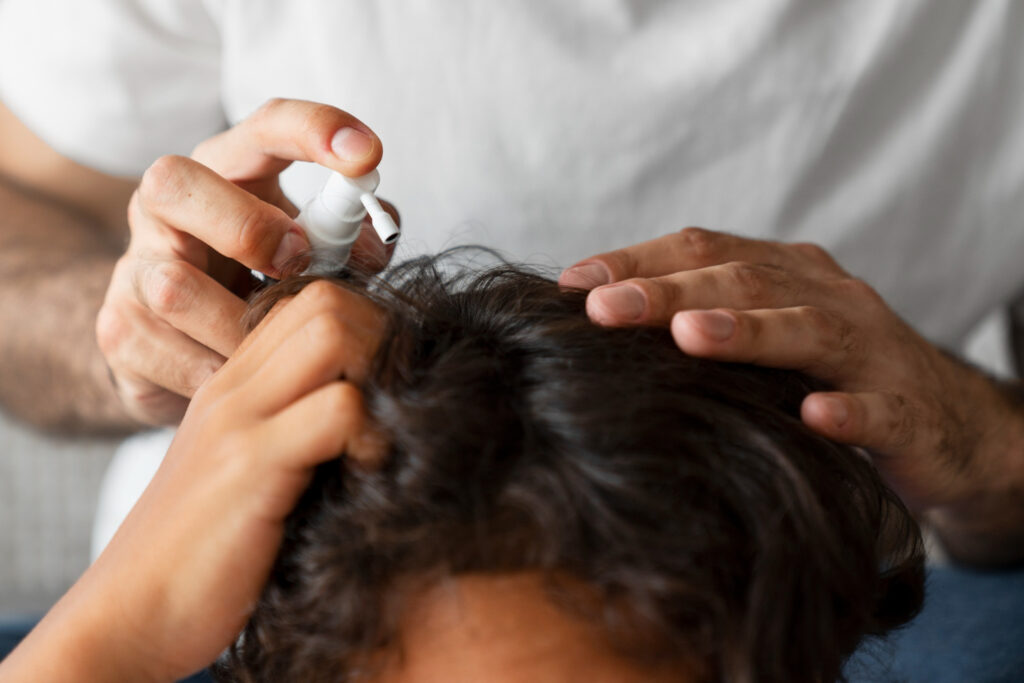
Occasional soreness is normal, but certain symptoms may require professional attention.
Seek expert help if you experience:
- Persistent scalp pain
- Red sore scalp patches
- Bumps or inflammation
- Severe itching
- Unusual hair thinning
A professional scalp assessment can identify underlying issues and recommend effective treatments.
Restore Your Scalp Health at Haste Urban Hair Spa
A healthy scalp is the foundation of healthy hair. When your scalp becomes irritated, congested, or sensitive, addressing the problem early can prevent long-term damage.
At Haste Urban Hair Spa, our professional scalp treatments are designed to:
✨ Deeply cleanse clogged follicles
✨ Remove buildup and impurities
✨ Stimulate healthy hair growth
✨ Restore scalp balance and hydration
If you’re experiencing ongoing scalp tenderness or discomfort, our specialists can assess your scalp and recommend the best treatment for your needs.
👉 Book your professional scalp consultation today and give your scalp the care it deserves.
FAQ
What causes a sore scalp?
A sore scalp can be caused by tight hairstyles, product buildup, scalp irritation, stress, or excess oil blocking the hair follicles.
Why does my scalp hurt when I touch my hair?
When the hair follicles become irritated or inflamed, the nerves around them become sensitive. This can make touching or brushing your hair feel painful.
How do you relieve a sore scalp?
Relief often comes from gentle cleansing, removing buildup, reducing stress, avoiding tight hairstyles, and improving scalp circulation through massage.
What shampoo is best for a sore scalp?
A gentle, sulfate-free shampoo designed for sensitive scalps is usually best. These products help cleanse the scalp without stripping its natural protective barrier.
Can stress cause a sore scalp?
Yes. Stress can tighten the muscles around the scalp and increase nerve sensitivity, which may lead to tenderness or headaches.