Hair coloring is more than just a way to change your look; it’s a way to express yourself.
Whether you’re going for subtle highlights, a bold new shade, or covering grays, hair coloring can transform your style.
However, achieving vibrant, long-lasting color requires more than the dye itself; it requires understanding the process and proper care for your color-treated hair.
In this guide, we’ll break down the types of hair coloring, why salons wash your hair afterward, and all the tips you need to keep your hair healthy and radiant.

What Is Hair Coloring?
Hair coloring is the process of changing the natural pigment of your hair using specialized products.
Whether you’re looking for a subtle enhancement, covering grays, or a bold new hue, hair coloring gives you the freedom to refresh or completely transform your look.
The Science Behind Hair Coloring
Hair dyes work through a combination of chemicals that interact with the proteins in your hair to alter its color.
Most professional dyes are oxidative, meaning they rely on a chemical reaction to deposit and lock in color. Key components include:
- Ammonia (or ammonia-free alternatives): Opens the hair cuticle, allowing the color to penetrate deeply.
- Hydrogen peroxide: Activates the dye and can lighten natural pigment when necessary.
- Oxidative dyes: The actual color molecules that bond to the hair shaft.
Permanent hair color typically lasts 4–6 weeks, depending on your hair type and the frequency of maintenance.
Meanwhile, semi-permanent dyes fade more quickly but can still provide long-lasting vibrancy with proper care.
💡 Tip: Prepping your hair with deep conditioning treatments and post-color protection can reduce damage and extend the life of your color.
Explore our deep conditioning tips here and discover professional recommendations for hair color protection and conditioning products.
👉 What are salon hair products, and are they worth buying?
Types of Hair Coloring (And How Long They Last)
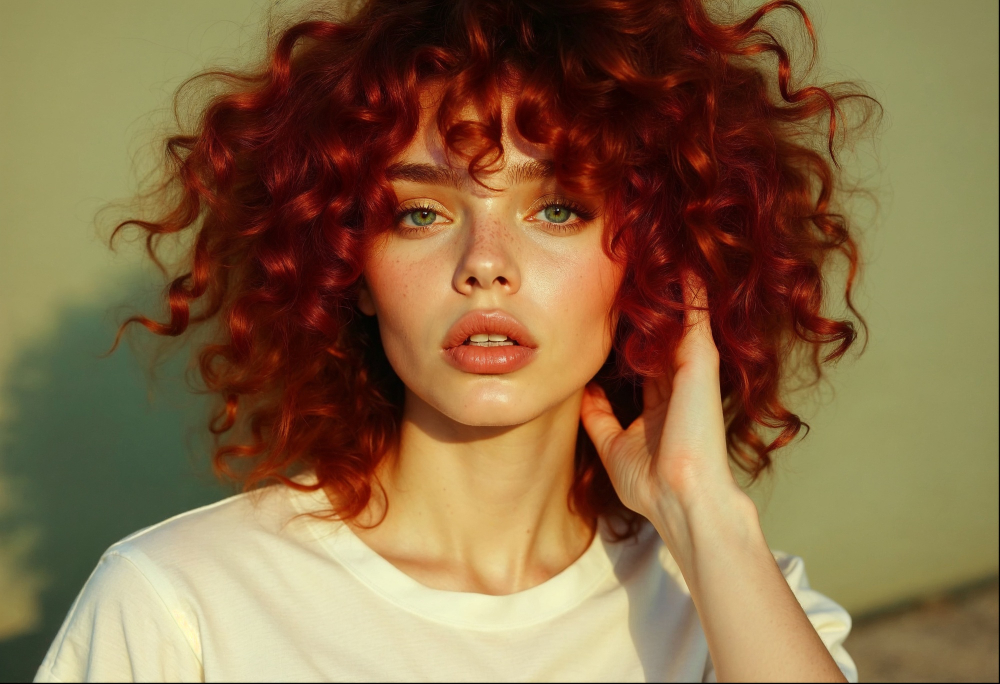
Understanding the type of hair color you choose helps set realistic expectations for maintenance and longevity:
- Permanent Hair Color: Penetrates the hair shaft and lasts until it grows out. Requires regular root touch-ups.
- Demi-Permanent Hair Color: Blends grays and enhances tone while fading naturally over time.
- Semi-Permanent Hair Color: Coats the hair shaft and fades after several washes.
- Temporary / Color Wash: Sits on the surface and washes out quickly, ideal for short-term changes.
How Hair Coloring Works
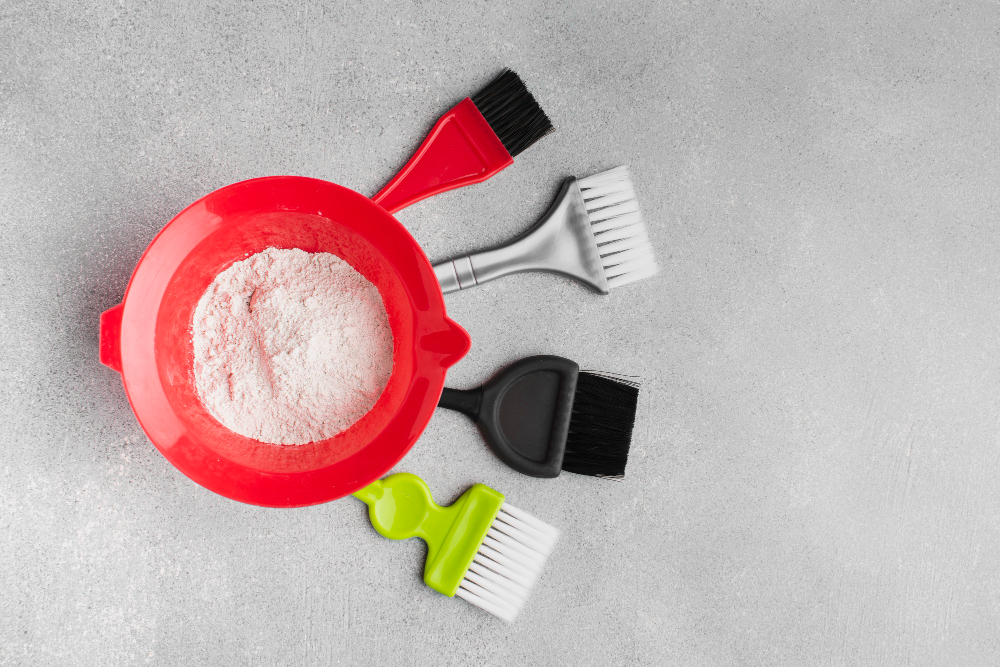
Hair coloring isn’t just about applying dye; there’s a precise process to achieve long-lasting, vibrant results:
- Consultation: Your colorist will discuss your hair goals, current color, and maintenance expectations. Learn more about what a hair colorist does.
- Prepping the Hair: Clean, dry hair ensures even color application. Sometimes a protective treatment is applied.
- Applying the Color: The dye is applied evenly, section by section.
- Processing Time: Chemicals react with the hair to deposit the color. Timing varies depending on the formula and desired results.
- Rinsing and Conditioning: Hair is rinsed and treated with conditioners to lock in color and restore moisture.
- Styling: Your hair is dried and styled to reveal the final look.
💡 Tip: For virgin hair, the process may be slightly different. Check our guide on coloring virgin hair for expert tips.
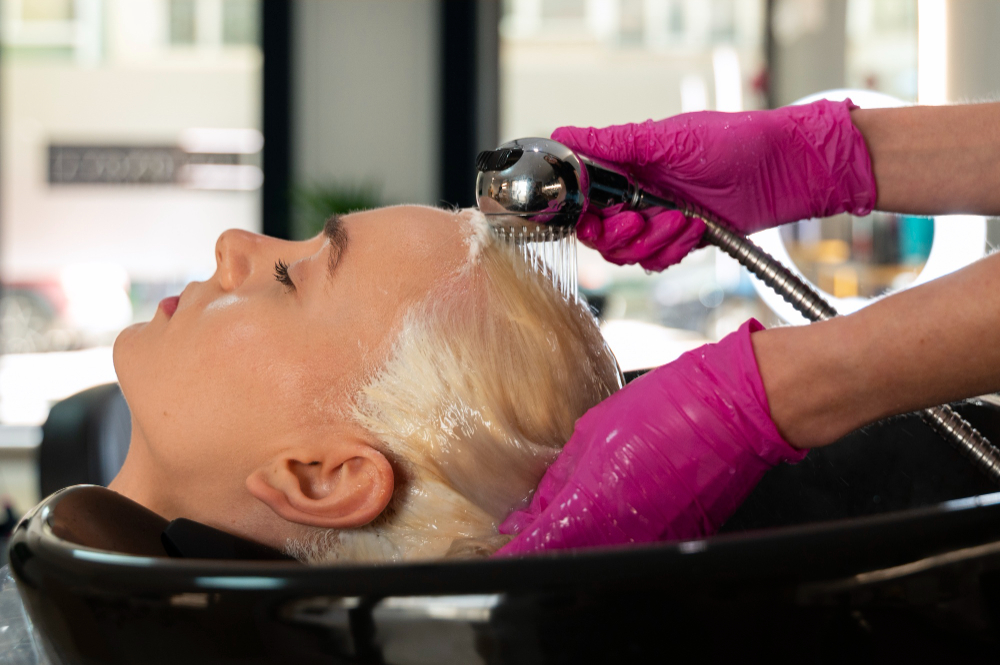
Should You Wash Your Hair Before Coloring?
In most cases, you should not wash your hair immediately before coloring. Natural oils help protect the scalp during the coloring process and can reduce irritation.
However, if your hair has heavy product buildup, your stylist may recommend washing it 24 hours before your appointment.
When Should You Wash Your Hair After Coloring?

Many questions come up around washing hair post-color:
- Wait at least 48 hours before shampooing after a fresh color to prevent premature fading.
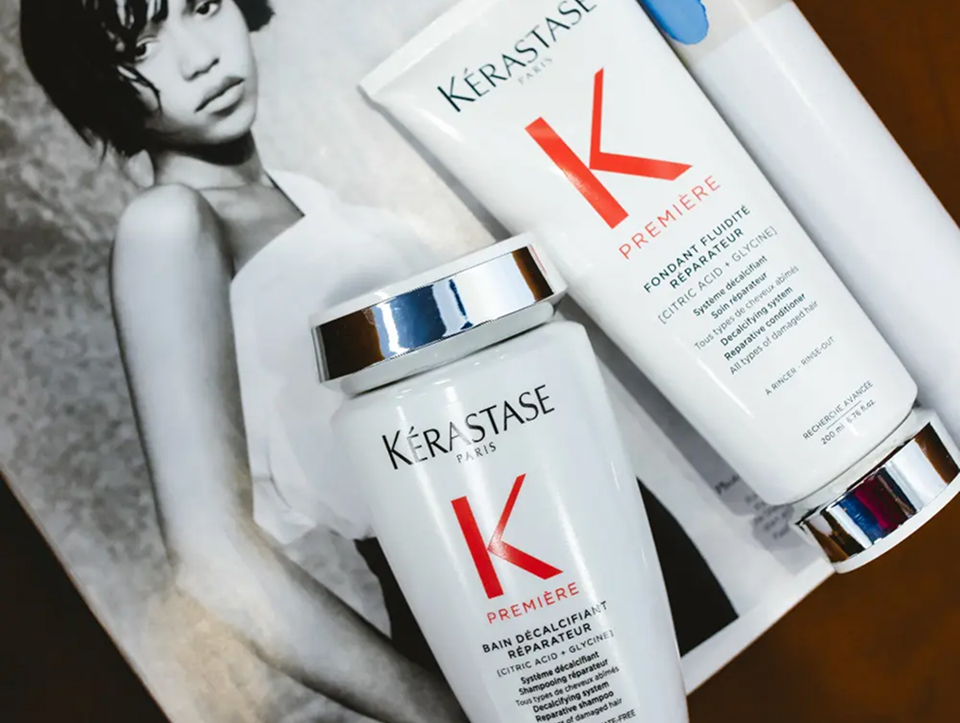
- Use a gentle, color-safe shampoo, such as Kerastase Hair Color Protection Shampoo.
- Avoid using hot water, as it can cause cuticle opening and color loss.
💡 Tip: Dry shampoo is a great way to extend time between washes without sacrificing style. Also, check out when the right time is to color your hair before your wedding.
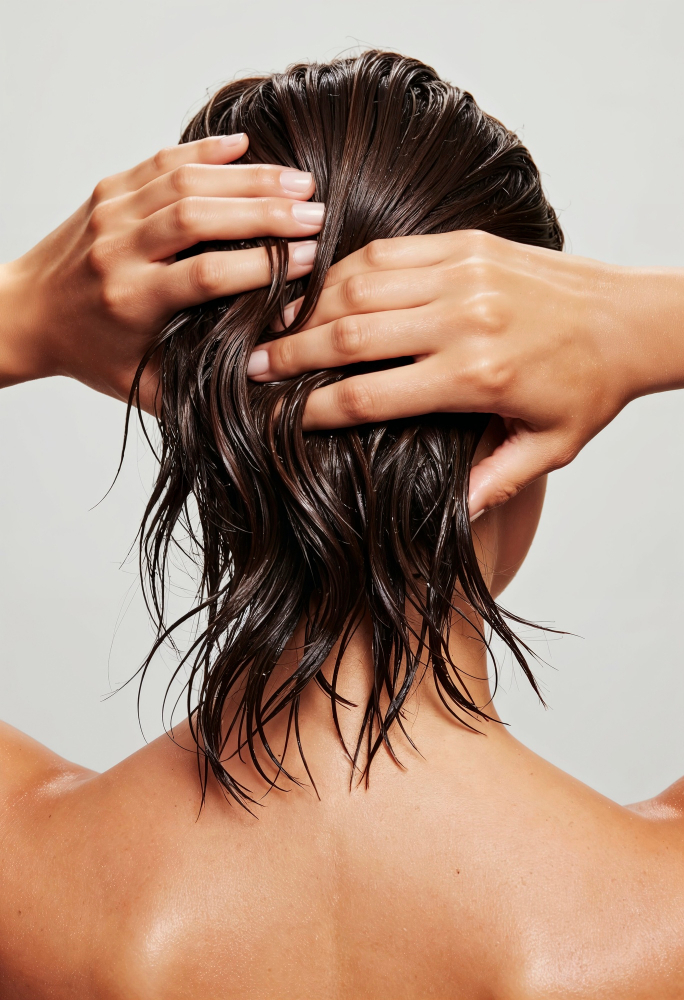
Why Do Salons Wash Your Hair After Coloring?
Salons wash hair after coloring to remove excess dye, chemicals, and residue that could irritate the scalp or affect color longevity.
This step also allows professionals to apply conditioning treatments that help seal the cuticle and restore moisture.
How to Wash Color-Treated Hair Properly
Washing dyed hair correctly is just as important as waiting the right amount of time:
- Use sulfate-free, color-safe shampoo
- Massage gently—avoid aggressive scrubbing
- Focus shampoo on the scalp, not the ends
- Always follow with a nourishing conditioner

Caring for Color-Treated Hair
Proper care after coloring is crucial to maintain your hair’s vibrancy, strength, and health. Here’s a detailed guide:
1. Use Color-Safe Products
Choose shampoos and conditioners specifically formulated for color-treated hair. These products help maintain pigment and reduce fading. Look for sulfate-free formulas, like Kerastase Hair Color Protection Conditioner, which also nourish and strengthen strands.
2. Deep Conditioning Treatments
Coloring can leave hair dry or brittle. Regular deep conditioning treatments help restore moisture, smooth the cuticle, and improve manageability.
3. Minimize Heat Styling
High heat from straighteners, curling irons, and blow dryers can cause color to fade faster and weaken your hair. When styling, always use a heat protectant spray and select lower-temperature settings.
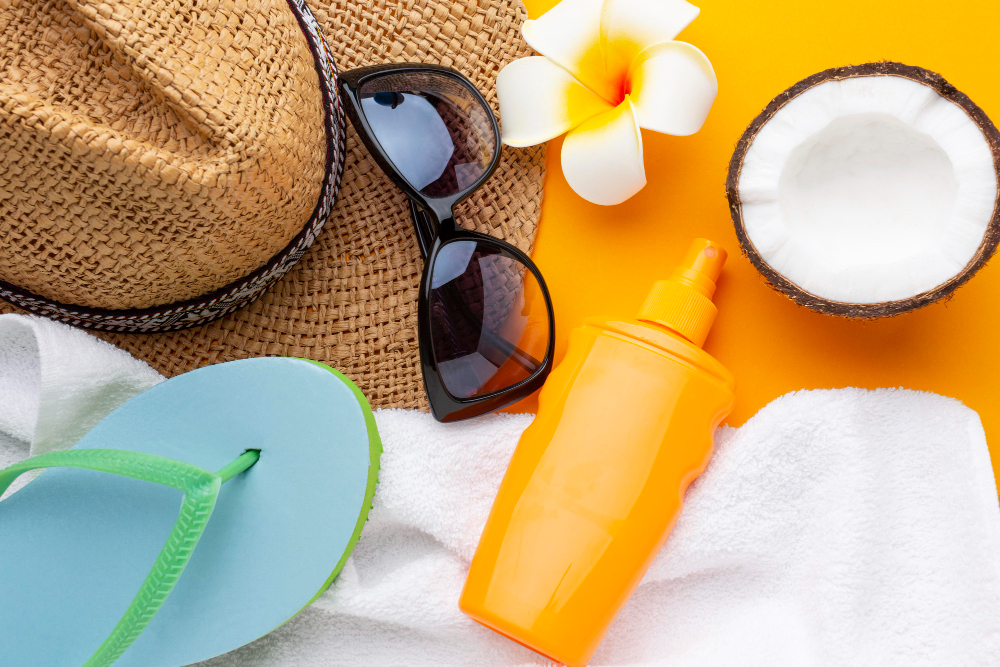
4. Protect Your Hair from Sun & Environmental Damage
UV rays can bleach hair and fade color. Wearing a hat, using UV-protectant sprays, or staying in the shade can help preserve your vibrancy. Chlorine and salt water can also strip color, so rinse hair with fresh water before swimming and consider a protective leave-in treatment.
5. Wash Hair Less Frequently
Frequent washing removes natural oils and pigment from your hair. Try washing your hair 2–3 times per week and use dry shampoo in between washes to keep it looking fresh.
6. Schedule Regular Touch-Ups
Hair grows, and roots will eventually show. Depending on the color type, schedule salon visits every 4–8 weeks.
💡 Tip: Sleeping on a silk pillowcase reduces friction and helps maintain your color longer. Pair this with occasional hair masks to keep your strands soft, shiny, and strong.
👉 Learn more about the latest hair trends in Massachusetts for 2026
Keep Your Hair Color Vibrant
Hair coloring is both an art and a science. With the right techniques, proper aftercare, and professional advice, your hair can look vibrant and healthy for weeks.
Book a consultation with a professional to personalize your color journey: Book Now.
💡 Pro Tip: Pair your coloring routine with professional treatments and conditioners to maintain shine, reduce breakage, and ensure long-lasting results. Also, learn more about the new color-melting technique.
FAQ
Why do salons wash your hair after coloring?
Salons wash your hair after coloring to remove excess dye and chemicals that can irritate your scalp or cause uneven color. It also ensures your hair is properly conditioned and ready for styling.
Should you shampoo your hair after dying it?
It’s usually best to wait at least 48 hours before shampooing after coloring to allow the cuticle to seal in the pigment. It helps maintain vibrant color for longer and prevents premature fading.
How do you take care of your hair after coloring?
Use color-safe shampoos and conditioners, such as Kerastase Color Protection, and limit heat styling to preserve your color. Regular deep conditioning treatments and gentle handling will keep your hair soft, shiny, and healthy.
Can I wash my hair 24 hours after coloring?
Yes, but waiting closer to 48 hours can help improve color longevity, especially for permanent dyes.
What does color-treated hair mean?
Color-treated hair refers to hair that has been dyed using permanent, demi-permanent, or semi-permanent color and requires special care to prevent fading.