Over the years, as a hair and scalp spa, Haste has witnessed the profound impact of diet on overall health and scalp condition. While scalp therapy treatments are highly effective, your diet can play an equally important role in maintaining a healthy scalp.
What you put inside your body is just as important as what you put on it. This guide highlights foods that promote scalp health, foods that can cause problems, and actionable tips for maintaining a healthy scalp.
Understanding Scalp Health
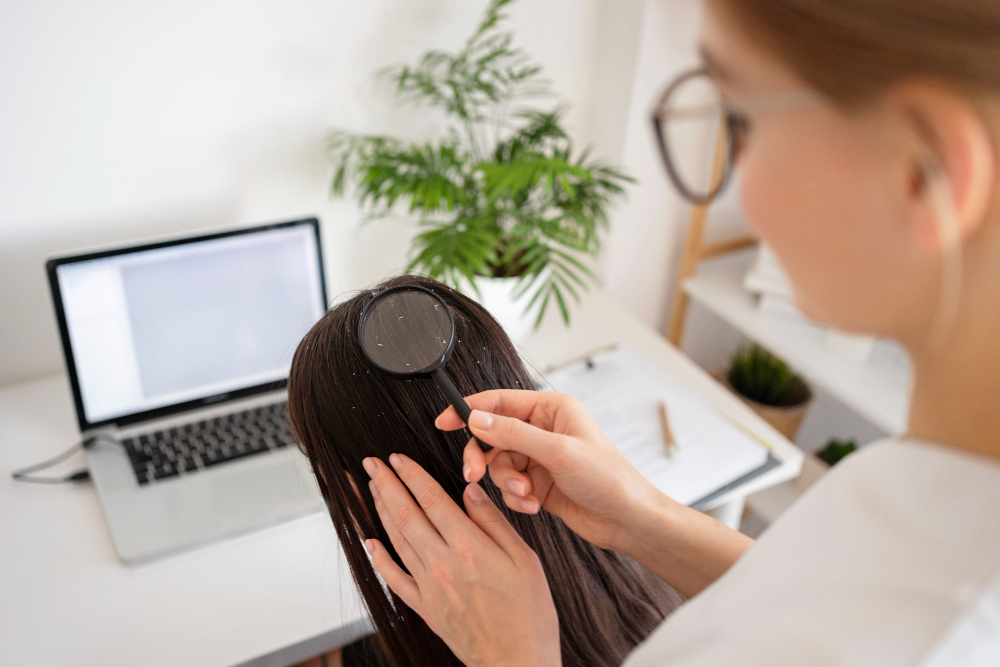
Before addressing diet, it’s essential to know what constitutes a healthy scalp.
- A healthy scalp is free from excessive dryness or oiliness and maintains balanced moisture and pH levels.
- Poor diet or nutritional deficiencies can lead to scalp problems such as inflammation, itchiness, or dandruff.
- Key nutrients support blood circulation, natural oil production, and overall scalp vitality.
👉 Worthy Read: Healthy vs Unhealthy Hair and What Causes a Sore Scalp
Diet & Lifestyle Habits That Affect Your Scalp
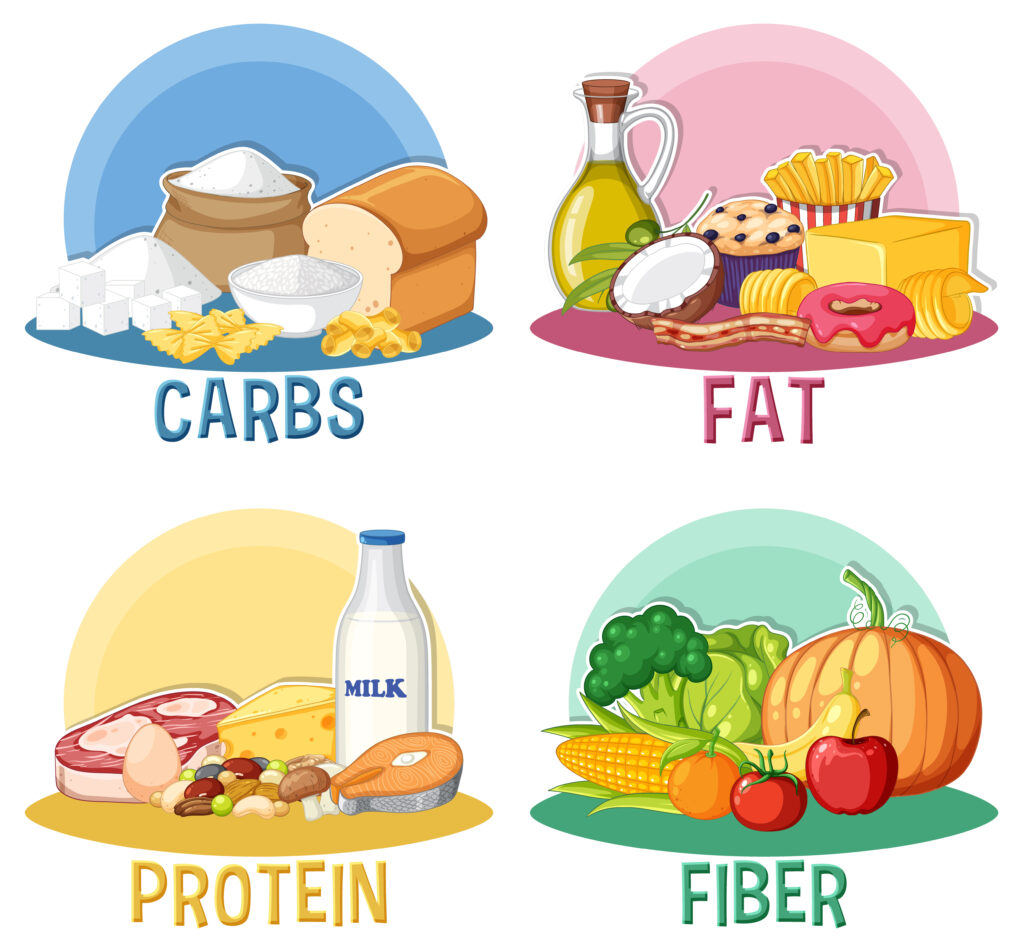
These 10 dietary and lifestyle habits directly impact scalp health and hair growth. Following them can reduce scalp inflammation, dryness, and dandruff.
1. Rethink That Low-Fat Diet
Healthy fats are essential for scalp and hair health. Low-fat diets can make hair brittle and scalp dry. Include foods rich in healthy fats, such as:
- Avocados
- Nuts and seeds
- Fatty fish (salmon, sardines, mackerel)
A protein-rich diet complements healthy fats, supporting scalp nourishment and hair strength.
👉 Visit us for a protein filler treatment
2. Limit Processed Foods & Sugar
Excess sugar, fried foods, refined carbs, and processed snacks can replace nutrient-rich foods and contribute to scalp inflammation and dandruff. Focus on adding nutrient-dense foods rather than simply eliminating others.
3. Avoid Rapid Weight Loss
Yes, we have been on them all, from the crash diet and fad diet to losing weight, only to find we put back on substantial weight, and it also results in hair and scalp disorders.
As much as you should consult with a professional for a scalp analysis, you also need to analyze what you eat.
You might think your diet is healthy, but keeping a food diary for at least two weeks can reveal some unexpected things.
4. Sugar Kills Protein
Your hair consists of protein; without it, you can say goodbye to a healthy scalp and hair. Too much sugar can break down the protein, converting the starch into sugar.
Maybe you ate well during the day, and then you had a piece of cake before bed. What you are doing is nullifying the protein you had.
Furthermore, your scalp and hair are fed by your bloodstream, and everything you consume will end up in your hair.
5. Support Your Gut Health
Gut health plays a significant role in skin and scalp wellness. A balanced gut microbiome improves hair growth and reduces scalp irritation. Include:
- Daily probiotics
- Fresh vegetables and fruits
- Foods rich in antioxidants
6. Do Not Skip Breakfast
Eating a big breakfast and lunch is more important than having a big dinner. The reason is that the later you eat, the more difficult it is for your body to digest the food. So, you miss out on the benefits you put into your diet.
7. Hair Supplements Are Not Magic
Supplements can help only when deficiencies exist. Before starting any supplement:
- Get a blood test to identify nutritional gaps
- Consult a healthcare provider or dietitian
- Combine supplements with a nutrient-rich diet for the best results
8. Limit Alcohol Intake
Hair loss and alcohol go hand in hand, and the same goes for smoking.
Consuming too much alcohol can lead to a loss of concentration and to the removal of vital minerals and vitamins, which can disrupt nutrient absorption.
Furthermore, it can suppress your appetite, leading you to make poor food choices instead of replacing your meals.
9. Make Dietary Changes Gradually
Stopping meat and eating only plant-based foods can lead to hair loss or a dull appearance. We recommend consulting with a dietitian before making significant changes to your diet.
10. Stay Hydrated
Drinking too little water can dehydrate your scalp, just as it can the rest of your body and skin. You can drink more mineral spring water as it is natural. Still, not all mineral waters are the same, especially those from the springs in France, Iceland, and Italy.
👉 Worthy Read: Healthy vs Unhealthy Scalp
Foods That Improve Scalp Health
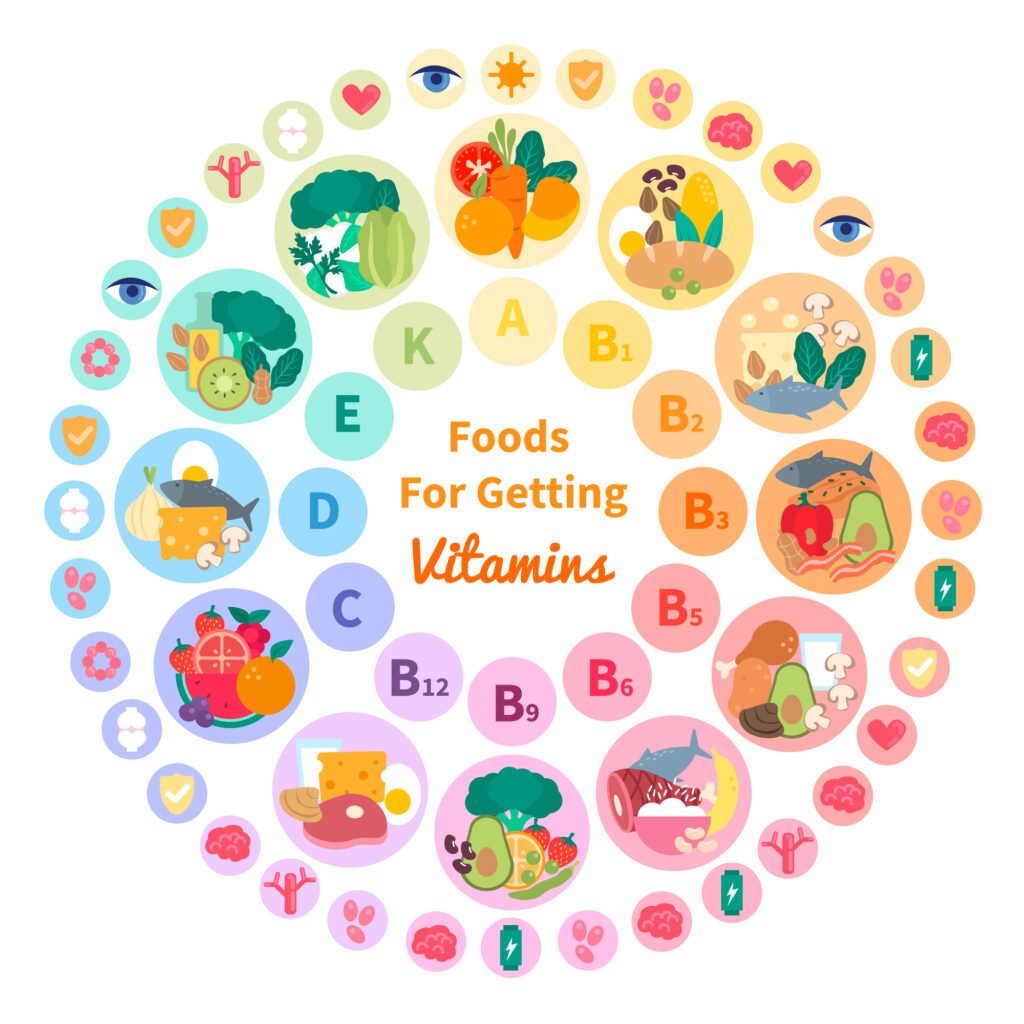
Omega-3 Fatty Acids
Omega-3 fatty acids are an essential food without which your body cannot live. Your body cannot produce them by itself. Omega-3 has anti-inflammatory properties that benefit both the body and scalp health. It helps reduce inflammation and promotes hair growth.
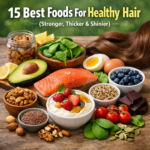
Fatty fish like sardines, mackerel, or salmon will help nourish your scalp, in addition to having a scalp treatment for hair growth. Additionally, consider incorporating chia seeds and walnuts into your diet, as they are rich in omega-3 fatty acids.
Antioxidants
Adding antioxidants to your diet helps combat stress, a significant contributor to hair loss and other scalp issues. Antioxidants neutralize free radicals, helping promote healthier hair and skin.
We recommend incorporating berries such as strawberries and blueberries into your diet, as they can help improve blood circulation to your scalp. Who said you cannot eat chocolate? Enjoy some dark chocolate in moderation to boost your scalp health, and yes, eat your leafy greens.
Eat kale and spinach, packed with vitamins A and C, to help promote scalp health.
Vitamins A and C
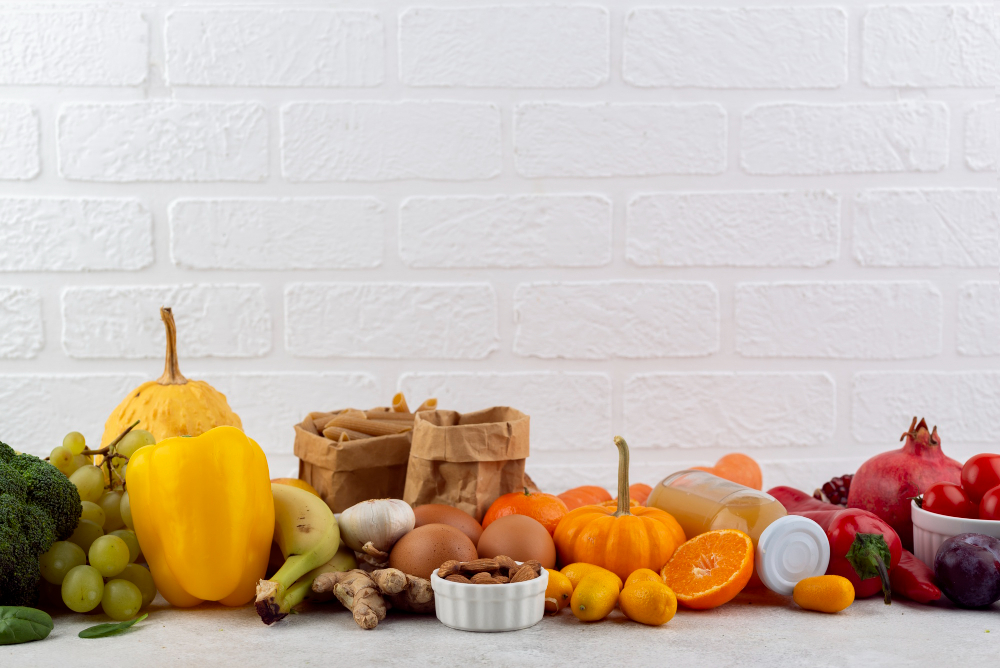
Both vitamins are essential to maintaining scalp and skin health. Eating carrots, which are high in beta-carotene, helps produce sebum and keeps the scalp moisturized. Bell peppers are rich in vitamin C, which supports collagen production and promotes blood circulation. Lastly, to enjoy some natural sugar, try eating sweet potatoes, a good source of beta-carotene.
Biotin (Vitamin B7)
Vitamin B7, used at our hair wellness spa, is known as the hair vitamin because it supports keratin production and helps prevent hair loss. You find the vitamin in eggs, nuts, and whole grains. Adding the nutrient to your diet will help strengthen your hair and promote scalp health.
Zinc
Another vital mineral is zinc, found in pumpkin seeds, chickpeas, and shellfish such as oysters, which aids in cell division and protein synthesis. Both are essential for hair growth, as deficiencies can lead to scalp issues and hair loss, including female pattern hair loss.
👉 Did you know that what you eat is becoming part of the future hair care trend? Find out what other trends you can expect for 2025+.
Tips for Maintaining a Healthy Scalp
Excellent. Now that you know the ways your diet affects your scalp health and have started a well-balanced diet, you can follow these tips to help promote a healthy scalp:
- Drinking water helps keep your body hydrated and moisturizes your scalp and hair.
- Try to limit your stress. We know it’s difficult, but high-stress levels can disrupt your scalp’s hormonal balance. You can incorporate stress-reducing activities, such as meditation or yoga.
- Lastly, visit us for scalp massage therapy to enhance scalp blood circulation and deliver essential nutrients to your hair.
Still, if you struggle with a scalp concern related to your diet or weight, we recommend consulting a weight management clinic for more insight.
The clinic will provide you with a personalized nutritional plan to support your weight journey and, in turn, promote a healthier scalp.
👉 Worthy Read: 7-Day Scalp Detox Routine to pair with your eating routine.
Seek Professional Help For Your Scalp Health
We cannot overstate the connection between your diet and scalp enough. Following a balanced diet rich in antioxidants, zinc, omega-3 fatty acids, vitamins, and biotin can improve your scalp’s condition.
When you incorporate various nutrient-dense foods and avoid unhealthy ones, you take the proper steps to maintain healthy skin, hair, and scalp. Although incorporating diet changes can take time, you will reap the benefits.
While we are not a weight-management clinic, we know how to work with the hair on your scalp. Visit us for the best scalp therapy in Medford, MA, to start your journey toward healthier hair and scalp.
FAQ
What can cause poor scalp health?
Poor scalp health can result from various factors, including the use of harsh products, environmental factors, medical conditions, and an improper diet. These can lead to scalp inflammation, dryness, or flakiness.
What food can cause scalp inflammation?
Some foods that trigger inflammation are processed foods, high-sugar foods, fried foods, and refined carbohydrates. Even drinking excessive alcohol can cause scalp irritation.
Is gut and scalp health related?
Yes, gut health is related to scalp health. A healthy gut can help maintain scalp and body health by preventing dysbiosis in hair follicles, which can lead to hair loss.
Can diet improve dandruff or dry scalp?
Yes. Foods rich in omega-3 fatty acids, antioxidants, zinc, and vitamins A, C, and B7 can reduce inflammation and dryness.
Which supplements help scalp health?
Supplements support scalp health only when deficiencies exist. Consult a healthcare provider first.
Can sudden dietary changes harm my scalp?
Yes. Abrupt diet shifts, like going vegan or crash dieting, may cause hair shedding or dullness. Gradual changes are recommended.