Hair science is evolving fast, and one of the most exciting breakthroughs in modern hair care is the use of bioactive peptides for hair.
These powerful molecules are now being used in advanced scalp treatments, high-performance serums, and professional hair therapies designed to strengthen strands, stimulate follicles, and promote thicker hair growth.
If you’re struggling with hair thinning, breakage, or slow growth, these oils, conditioners, or masks can help. While these products may temporarily improve hair’s appearance, they often don’t address the biological processes that influence hair growth and strength.
In this guide, we’ll explore the science behind bioactive peptides for hair, compare them to other hair repair technologies, and explain why they’re becoming a key component of biometric hair repair treatments.
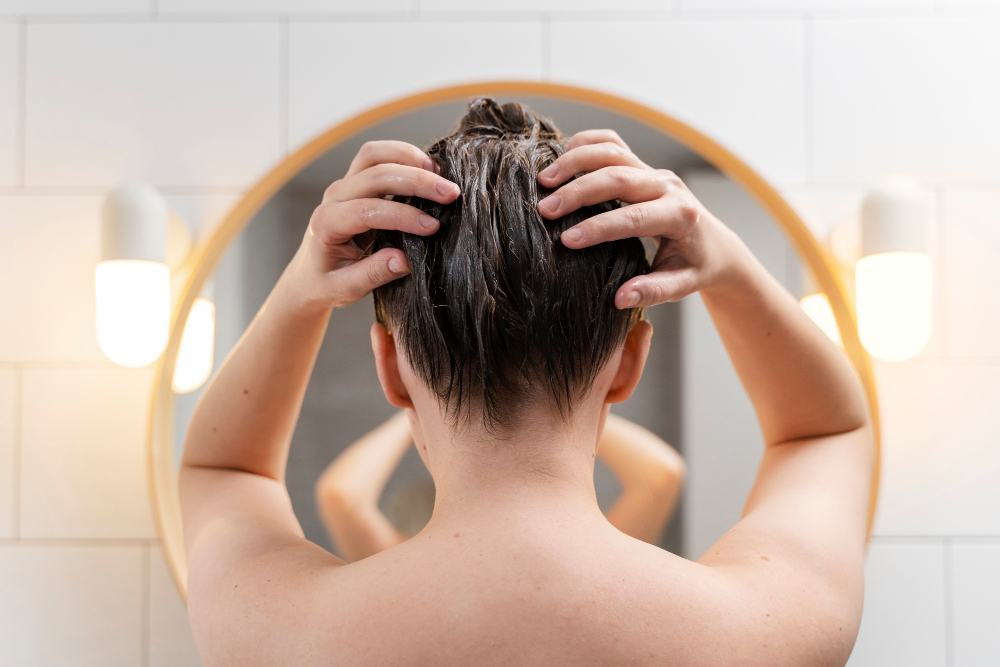
What Are Bioactive Peptides for Hair?
To understand bioactive peptides for hair, we first need to understand what hair is made of.
Hair is primarily composed of keratin, a strong structural protein formed by long chains of amino acids.
Peptides are short chains of amino acids that play an important role in biological communication. In the body, peptides act as signals that instruct cells to perform specific functions such as repairing tissue or producing collagen.
In hair care, bioactive peptides interact with scalp cells and hair follicles to support growth and repair.
Think of peptides as tiny messengers telling your scalp how to grow healthier hair.
They can help:
✔ Stimulate hair follicle activity
✔ Improve scalp circulation
✔ Strengthen hair roots
✔ Support keratin production
✔ Reduce inflammation in the scalp
📚 Research indicates that peptide complexes can improve hair density and reduce shedding in certain hair loss conditions.
💡 Peptide treatments work best when combined with a healthy scalp routine and professional hair care.
How Bioactive Peptides Communicate With Hair Follicles
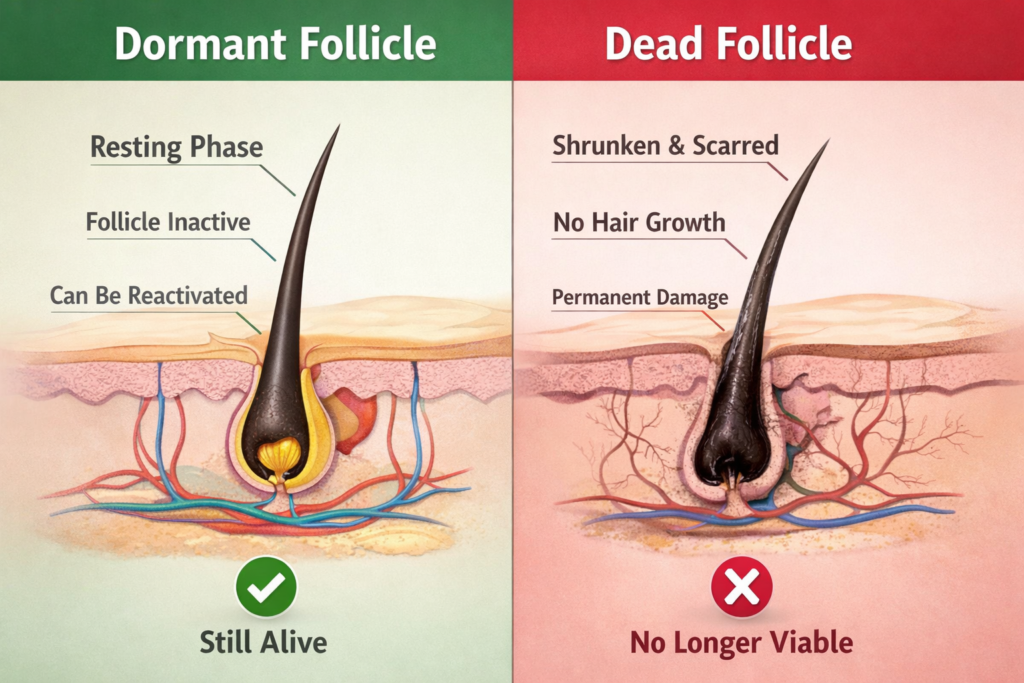
One of the most fascinating aspects of bioactive peptides for hair is their ability to communicate directly with cells in the scalp.
Hair follicles are extremely active biological structures. They constantly receive signals from hormones, nutrients, and growth factors that influence how hair grows.
Peptides act as cell-signaling molecules that trigger biological responses.
When applied to the scalp, certain peptides may:
- Activate follicle stem cells
- Stimulate keratin production
- Encourage follicles to remain in the growth phase
- Reduce inflammation that weakens follicles
In simple terms, peptides send signals telling your scalp to repair and strengthen hair growth.
💡 Consistency is critical. Peptide treatments often require 8–12 weeks of use before noticeable improvements appear.
👉 Learn more about how to stimulate hair follicles naturally

The Science Behind Bioactive Peptides for Hair Growth
Hair growth occurs in a natural cycle consisting of three stages:
- Anagen (growth phase)
- Catagen (transition phase)
- Telogen (resting phase)
Healthy hair remains in the anagen phase for several years, allowing strands to grow long and strong.
However, stress, hormonal changes, nutrient deficiencies, and inflammation can prematurely push hair into the telogen phase, leading to thinning and shedding.
This is where bioactive peptides for hair may help.
They support hair growth by influencing several biological processes.
Benefits of Bioactive Peptides for Hair
The popularity of bioactive peptides for hair is growing because they support multiple aspects of hair health.
Extending the Hair Growth Phase
Certain peptides help follicles remain in the growth phase longer, encouraging thicker hair growth.
💡 Consistency is key. Most peptide treatments show visible improvements after 8–12 weeks.
Improving Scalp Circulation
Healthy blood flow delivers oxygen and nutrients to hair follicles. Peptides may stimulate microcirculation in the scalp, which supports stronger hair growth.
Strengthening Follicle Structure
Peptides can strengthen the extracellular matrix surrounding hair follicles, helping anchor hair more securely in the scalp.
👉 Learn more about scalp barrier repair
Reducing Inflammation
Inflammation is a common contributor to hair thinning. Many peptides have anti-inflammatory properties, helping maintain a healthier scalp environment.

The Most Effective Bioactive Peptides for Hair
Not all peptides provide the same benefits. Different peptide compounds target different hair concerns.
Here are some of the most widely used bioactive peptides for hair.
Copper Peptides for Scalp Health
One of the most researched ingredients in hair care is Copper Tripeptide-1, commonly known as a copper peptide.
Copper peptides are used in both dermatology and hair care for their regenerative properties.
Benefits include:
- Improved scalp circulation
- Reduced inflammation
- Stimulation of hair follicle activity
- Increased collagen production
- Protection against oxidative stress
📚 Studies suggest copper peptides can stimulate follicle growth and improve scalp tissue repair.
👉 Apply peptide scalp serums at night, which allows active ingredients to absorb while the scalp is in its natural repair cycle.
Biotinoyl Tripeptide-1
Another powerful peptide used in hair care is Biotinoyl Tripeptide-1, which combines biotin with peptide technology.
This ingredient helps strengthen the hair-anchoring structure in the scalp.
Benefits include:
✔ Reduced hair shedding
✔ Improved follicle attachment
✔ Increased keratin production
✔ Stronger hair roots
💡 Products containing this peptide are especially helpful for thinning hair or postpartum hair loss.
Actyl Tetrapeptide-3
This peptide targets the extracellular matrix, which is the structural network surrounding hair follicles.
When this matrix weakens, follicles become unstable, and hair may shed more easily.
Acetyl Tetrapeptide-3 helps:
- Strengthen follicle support structures
- Improve hair density
- Increase strand thickness
- Support scalp regeneration
How to Choose the Best Peptide Hair Products
Not all peptide products are equally effective.
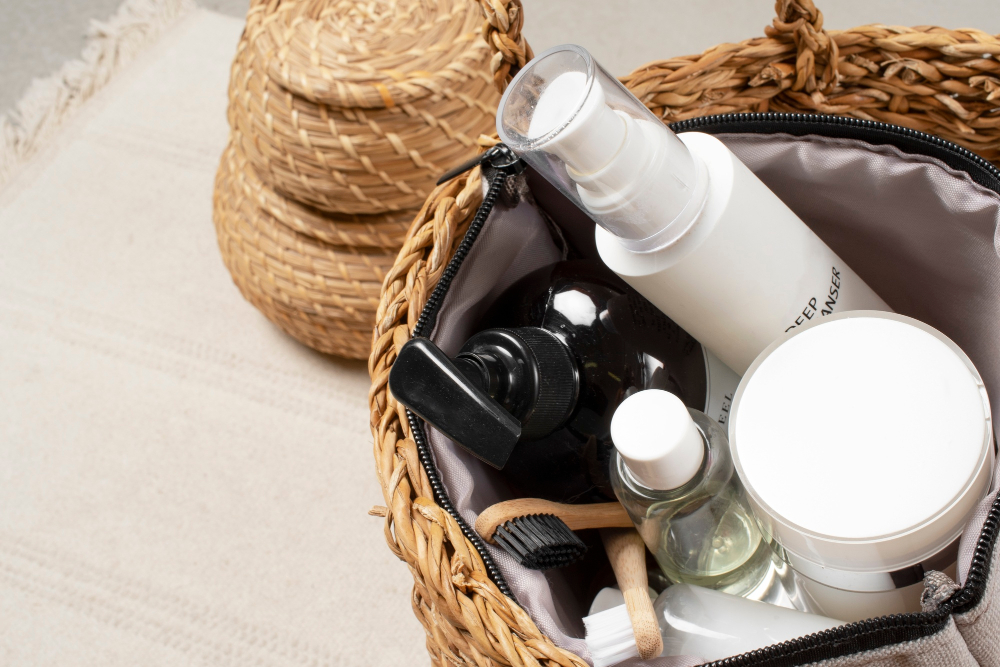
When choosing products with bioactive peptides for hair, look for:
1️⃣ Clinically Studied Peptides
✔ Copper Tripeptide-1
✔ Biotinoyl Tripeptide-1
✔ Acetyl Tetrapeptide-3
✔ Myristoyl Pentapeptide-17
2️⃣ Scalp-Focused Formulations
Peptides work best when applied directly to the scalp, not just hair strands.
💡 Choose leave-in scalp serums rather than rinse-off products.
3️⃣ Supporting Ingredients
High-quality formulas may include:
- Niacinamide
- Caffeine
- Panthenol
- Hyaluronic acid
These ingredients enhance the effectiveness of bioactive peptides for hair growth.
👉 Learn more about hyaluronic acid

Who Should Use Bioactive Peptides for Hair?
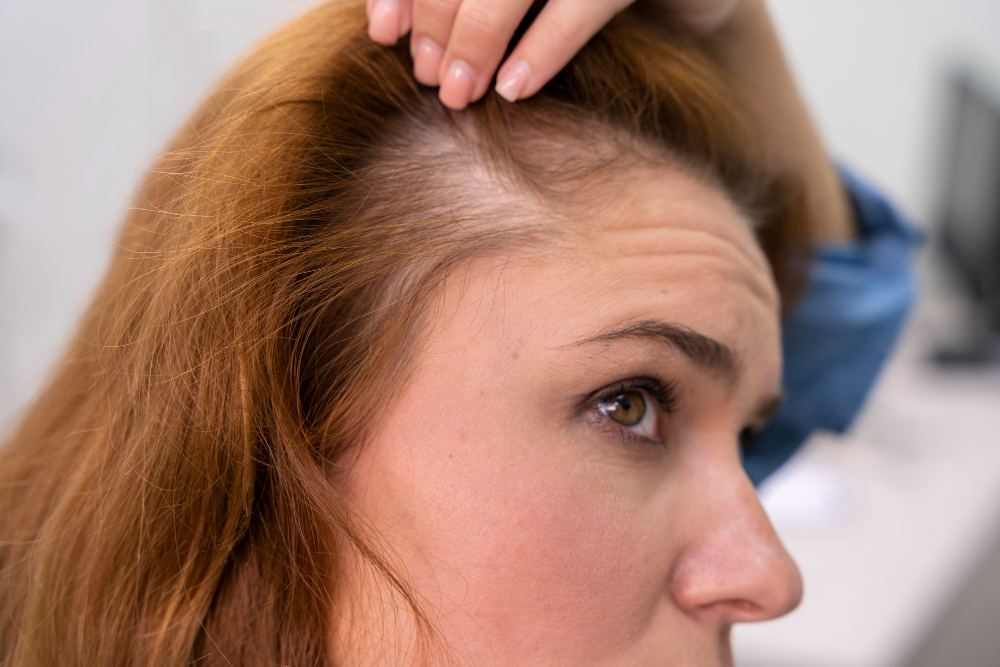
Peptide treatments may help people experiencing:
✔ Early hair thinning
✔ Stress-related hair loss
✔ Aging hair
✔ Breakage and damage
✔ Reduced hair density
They can also be used preventively to maintain healthy hair over time.
💡 Early treatment often produces the best results.
How to Use Peptides in Your Hair Care Routine
If you’re considering bioactive peptides for hair, follow these steps to maximize results.
Step 1: Keep the Scalp Clean
Product buildup can block follicles and reduce treatment effectiveness.
💡 Use a clarifying shampoo once every 1–2 weeks.
Step 2: Apply Peptide Serums
Apply peptide treatments directly to the scalp, not just the hair. Massage gently to encourage absorption.
Step 3: Stimulate Circulation
Scalp massage improves blood flow to follicles.
💡 Massage your scalp for 3–5 minutes daily.

Lifestyle Factors That Influence Peptide Hair Treatments
Hair growth is influenced by internal health and lifestyle habits.
Nutrition
Hair follicles require nutrients such as:
- Protein
- Iron
- Zinc
- Omega-3 fatty acids
- Biotin
📚 Harvard Medical School notes that nutrient deficiencies can impact hair growth.
Sleep
Hair follicles perform many repair processes during sleep. Aim for 7–8 hours per night.
Stress
High stress levels may trigger telogen effluvium, a temporary hair shedding condition. Stress management can support healthier growth cycles.

Bioactive Peptides in Professional Salon Treatments
Many professional hair spas now offer peptide-based scalp treatments.
These may include:
- Scalp detox therapies
- Peptide growth serums
- Microneedling scalp stimulation
- LED light therapy
These treatments allow peptides to penetrate deeper into the scalp, thereby improving their effectiveness.
👉 Scalp Treatments – Haste Urban Hair Spa
💡 Combining peptide treatments with scalp massage increases absorption.

Peptides vs Bond Builders: Which Repairs Hair Better?
Bond builders repair damaged hair strands, especially after bleaching or chemical treatments.
Peptides focus on hair growth and scalp health.
Best strategy:
✔ Bond builders repair existing hair
✔ Peptides support new growth
👉 Learn more about bond builders
Clinical Studies on Peptides for Hair Growth
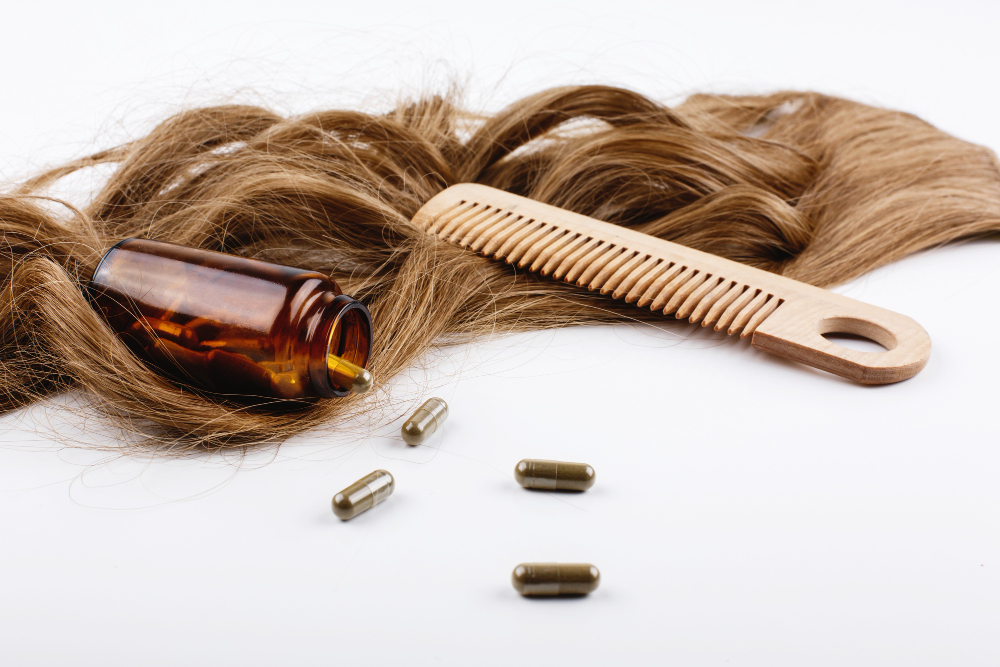
Several clinical studies have investigated the potential of bioactive peptides for hair growth.
Research suggests peptides may:
✔ Stimulate dermal papilla cells
✔ Promote follicle growth factors
✔ Improve hair density
While more research is ongoing, these findings show promising potential for peptide-based treatments.
Peptides vs Minoxidil: Which Works Better?
Minoxidil is one of the most widely used treatments for hair loss. However, peptides offer a different approach.
Minoxidil
✔ FDA-approved hair growth treatment
✔ Improves blood flow to follicles
However, it may cause:
❌ Scalp irritation
❌ Initial shedding
❌ Dependency for continued results
Bioactive Peptides
Peptides focus on supporting follicle biology rather than altering blood vessel function.
Benefits include:
✔ Gentle scalp support
✔ Reduced inflammation
✔ Strengthened follicles
Combining peptides with other treatments may provide the best results.
Complete Weekly Peptide Hair Care Routine
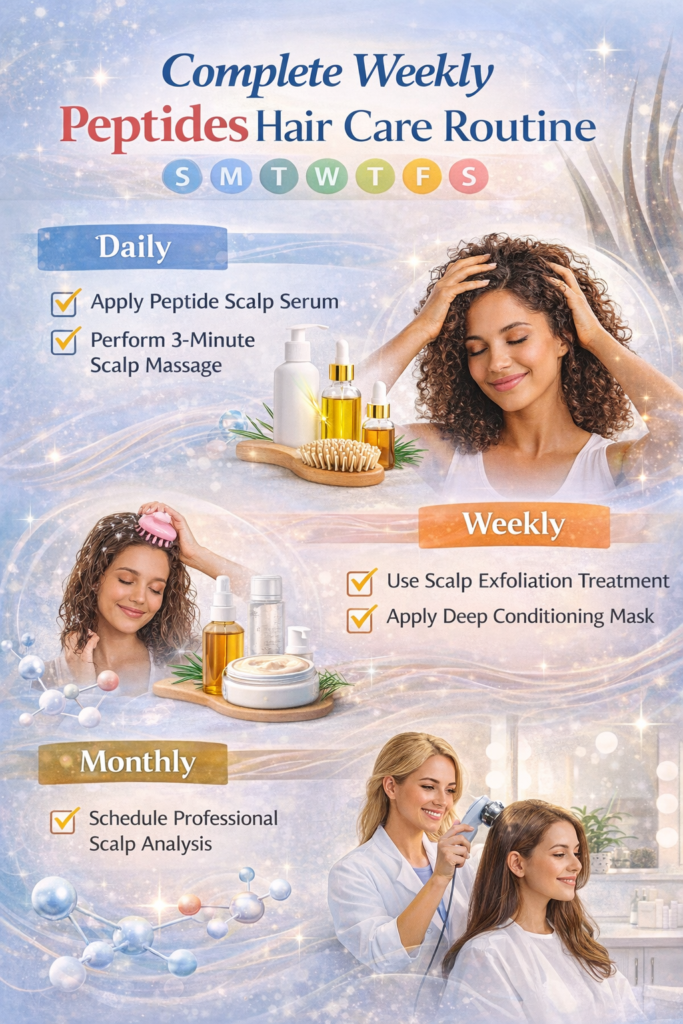
A consistent routine helps maximize the benefits of bioactive peptides for hair.
Mistakes to Avoid With Peptide Hair Products
Avoid these common mistakes:
❌ Applying treatments to a dirty scalp
❌ Expecting instant results
❌ Overloading hair with too many active products
❌ Ignoring scalp health
💡 Patience matters: Hair growth cycles take time, so consistent use for 2–3 months is usually necessary before noticeable improvements appear.
Ready to Strengthen Your Hair With Advanced Hair Science?
Hair care is evolving beyond basic shampoos and conditioners.
Innovations such as bioactive peptides for hair are transforming how we approach scalp health, hair strength, and long-term hair growth.
By supporting follicle biology and strengthening hair at its source, peptides offer a promising path toward thicker, healthier hair.
At Haste Urban Hair Spa, our experts specialize in advanced treatments designed to restore strength, volume, and confidence to your hair.
Book a professional hair consultation today and discover personalized solutions for stronger, healthier hair.
FAQ
What are bioactive peptides for hair?
Bioactive peptides are short amino acid chains that help stimulate hair follicles and support stronger hair growth.
Do peptide hair products work?
Peptide treatments may improve hair density and reduce shedding when used consistently.
Are copper peptides safe for the scalp?
Yes. Copper peptides are widely used in dermatology and hair science for their regenerative properties.
How long do peptide hair treatments take to work?
Most people begin to notice improvements within 8–12 weeks after peptide hair treatments.
Can peptides regrow hair?
Peptides can stimulate active follicles but cannot revive follicles that are permanently inactive.
What Is Biometric Hair Repair?
Biometric hair repair is a new approach that combines biological science with professional hair treatments. Instead of simply coating hair strands, biometric treatments aim to restore the scalp environment where hair grows.