Humectants for hair are ingredients that attract and retain moisture by drawing water from the air or from surrounding products into the hair shaft.
They can improve hydration, softness, and elasticity, but in the wrong conditions, they can also cause dryness, frizz, or buildup.
That’s why knowing when to use humectants and when to avoid them is essential, especially for low porosity or climate-sensitive hair.
What Is a Humectant for Hair?
A humectant is an ingredient used in hair products that draws moisture into the hair.
In simple terms:
- Pulls water from the air into your hair
- Helps retain moisture already in your strands
- Works best when layered with other moisturizing ingredients.
💧 Important distinction: Humectants do not create moisture; they only move and manage it.
✍️ Learn more about the LOC method and the Best Hydrating Products for Dry Hair
What Do Humectants Do in Hair Products
Humectants for hair help maintain hydration by binding water to the hair fiber.
They can:
- Improve moisture retention
- Increase softness and flexibility
- Enhance curl definition
- Reduce brittleness
However, their effectiveness depends on:
- Product layering
- Climate (humidity levels)
- Hair porosity
🌿 Quick Tip: Humectants work best when your hair is already damp or freshly washed.
Common Humectants for Hair

Natural Humectants
These you find in clean or curl-focused products:
- Aloe vera
- Honey
- Glycerin (plant-based)
- Agave nectar
- Panthenol (Pro-Vitamin B5)
These natural hair humectants are effective, but only when balanced correctly. A natural does not always mean gentle or foolproof.
Synthetic Humectants
Often used to control consistency and performance:
- Propylene glycol
- Butylene glycol
- Sodium PCA
These are common in humectant hair products and work similarly to natural options.
✍️ Discover the 10 best shampoos for color-treated hair
Humectants vs Emollients vs Occlusives (Why Balance is Everything)
Understanding this trio is essential to healthy moisture:
| Ingredient Type | What It Does |
| Humectants 💧 | Attract water |
| Emollients 🧈 | Soften and smooth |
| Occlusives 🔒 | Seal moisture in |
🌿 Tip: Humectants without emollients equal dryness over time. This balance is crucial for low porosity hair.

When to Use Humectants for Hair
Humectants work best when moisture is available.
Use them when:
- Your hair is damp or freshly washed
- You’re in a humid or warm climate
- You’ve just clarified your hair
- You’re layering with leave-ins or conditioners
- You’re using heat or steam
💧 Think of humectants as supporting ingredients, not the main source of moisture.
When to Avoid Humectants (Important)
Humectants can backfire in certain conditions.
Avoid or limit use when:
- The air is dry or cold
- Your hair already feels dry or brittle
- You experience frizz in low humidity
- Products feel sticky or sit on the hair
👉 In dry environments, humectants can pull moisture out of your hair instead of into it.
🌿 Oils, butters, and occlusives help counteract excessive humectant behavior. Learn more about Hair Masks and Deep Conditioners.
Are Humectants Good for Low Porosity Hair?
Humectants can be helpful for low porosity hair, but only when used correctly.
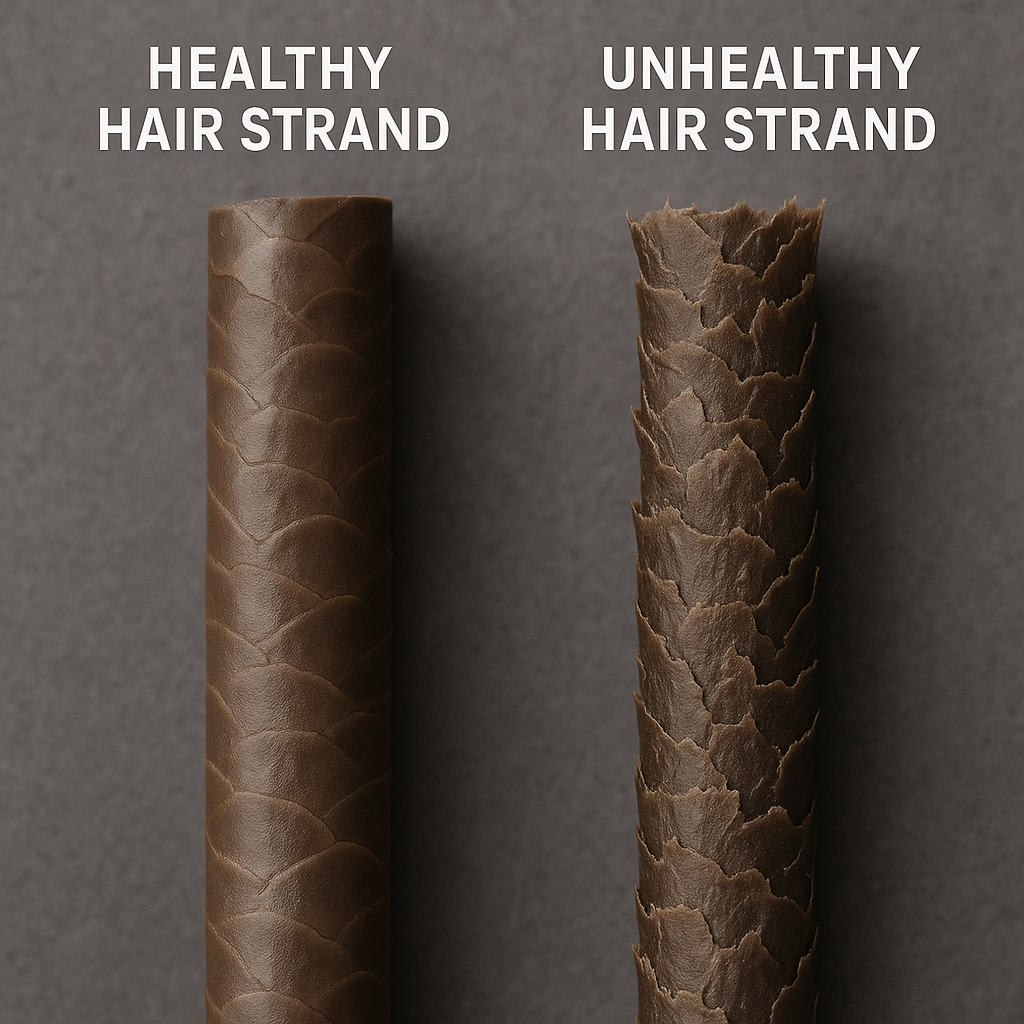
Why can they cause issues:
- Low porosity hair resists moisture absorption
- Humectants may sit on the surface
- This can lead to a buildup or a sticky feeling
Best way to use them:
- Avoid heavy layering
- Apply to damp hair
- Use heat or steam
- Pair with lightweight products

Best Products for Low Porosity Hair
What to Look For
✔ Water-based formulas
✔ Lightweight lotions or gels
✔ Low to moderate humectant
✔ Light oils (jojoba, grapeseed)
What to Avoid
❌ Thick creams with high glycerin
❌ Thick butters without heat
❌ Multiple humectant-heavy products layered together
The best conditioner for low porosity hair should:
- Provide a slip without buildup
- Uses lightweight emollients
- Absorb easily with heat or steam
🌿 Tip: Use steam, a warm towel, or a hooded dryer to help conditioners penetrate.
Do Humectants Cause Frizz?
Yes, humectants can cause frizz depending on humidity.
In high humidity:
- Hair may swell → frizz increases
In low humidity:
- Moisture leaves the hair → dryness + frizz
👉 This is why humectants must be adjusted seasonally.
Do Most Hair Gels Contain Humectants?
Yes. Most styling gels and leave-ins contain humectants like glycerin.
They work best when:
- Applied to damp hair
- Used in humid environments
- Layered with a leave-in conditioner
They may cause issues when:
- Not sealed with oils or creams
- Applied to dry hair
- Used in winter or dry climates

How to Use Humectants for Hair Correctly (Step-by-Step)
How to Use Humectants For Hair Correctly
1️⃣ Cleanse hair thoroughly
2️⃣ Apply water or water-based leave-in
3️⃣ Use humectant product sparingly
4️⃣ Follow with an emollient
5️⃣ Seal if needed
Moisture works in layers, not miracles. Explore our article on Hydrating Hair Treatments
Signs You’re Using Too Many Humectants
- Hair feels dry but coated
- Sticky or tacky strands
- Frizz in dry weather
- No softness despite hydration
If this sounds familiar, it’s time to rebalance.

Climate Matters More Than Products
Humectants behave differently depending on the environment:
- High humidity: Humectants thrive
- Low humidity: Humectants can pull moisture out of hair
- Seasonal changes: Require product rotation
For this reason, a routine that works in summer may fail in winter, and the same applies to products you use.
Humectants Aren’t the Enemy
Humectants for hair aren’t good or bad; they’re situational.
Understanding when to use them and when to avoid them can change how your hair looks and feels, especially if you have low-porosity or textured hair.
Ready for a Personalized Hair Care Strategy?
At Haste Urban Hair Spa, we help you understand your hair’s porosity, climate needs, and product balance so moisture finally makes sense.
👉 Book a consultation and stop guessing what your hair needs.
FAQ
What is a humectant for hair?
A humectant is an ingredient that attracts and holds water, helping keep hair hydrated.
Are humectants bad for low porosity hair?
Not always, but they must be used sparingly and layered correctly.
Can I use glycerin every day?
Daily use depends on climate, porosity, and product balance.
What’s an anti-humectant?
An ingredient that helps prevent excess moisture movement, especially in dry or humid extremes.
Are natural humectants better than synthetic ones?
Not necessarily. Performance depends on formulation, not just source.