Minimalism is more than decluttering your home. It’s a lifestyle shift that’s changing the world of beauty and wellness.
More people are embracing a change in their beauty routine, starting with a minimalist hair care routine.
Why? Because less is more. By using a few products and focusing on your haircare routine, you save time and promote long-term scalp and hair health.
With a low-maintenance hair routine, you avoid buildup, reduce stress on your strands, and support a more eco-friendly approach.
What is a Minimalist Hair Care Routine?
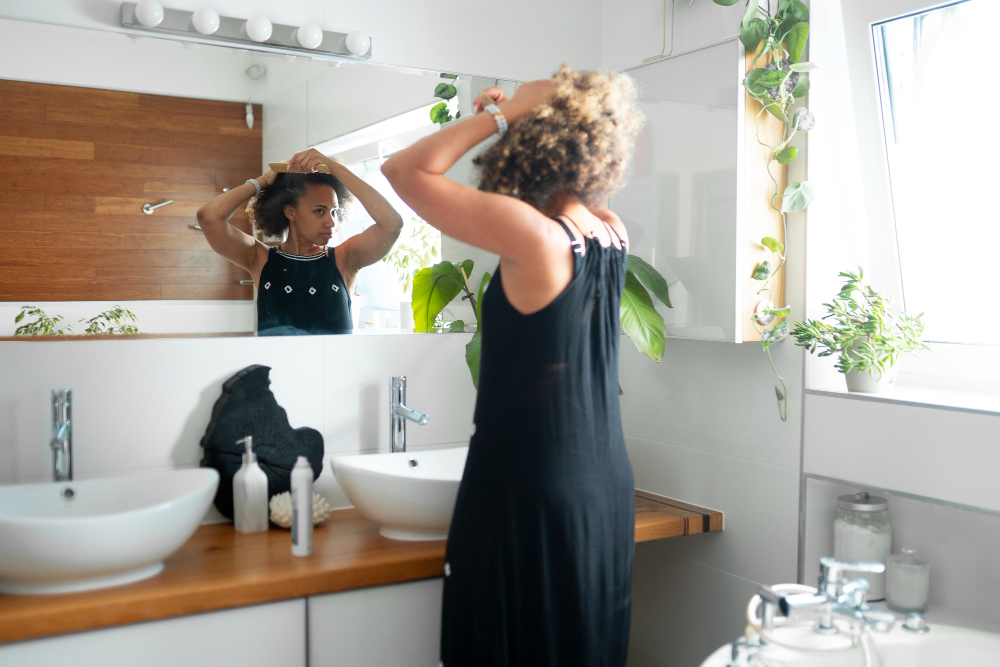
A minimalist hair care routine is all about keeping it simple and focusing on what your hair needs.
When you remove the fluff, you can concentrate on the four most important steps: cleansing, conditioning, protecting your hair, and styling. Instead of using tons of products, you create a straightforward routine with a handful of essential items.
This approach helps you maintain healthy hair without the hassle.
Minimalism vs. Clean Beauty vs. Low-Maintenance
- Minimalism: fewer steps + fewer products
- Clean beauty: focuses on ingredient safety (sulfate-free, silicone-free, fragrance-free, low-irritant)
- Low-maintenance: focuses on reducing effort and time
Your routine can overlap with all three, but minimalism means intentional reduction, not neglect.
Benefits of a Minimalist Hair Care Routine
- For one, you save money as you’re not filling up your bathroom with loads of products.
- It also helps you achieve a cleaner and healthier scalp by using fewer products.
- In return, you reduce waste and packaging, making things eco-friendly with fewer purchases.
- Lastly, your strands get to breathe and recover as you use fewer products, boosting hair health.
📖 According to research published in the International Journal of Trichology, overuse of hair care products can lead to scalp irritation and product buildup, which affects long-term scalp health.
🧴 If you’re curious about everyday hair maintenance, check out our daily hair care routine guide for extra everyday hair care tips.
The Main Steps of a Minimalist Hair Care Routine
Now, instead of using different steps for your hair care routine, you focus only on the essential steps that matter:
1. Cleansing

We recommend choosing the right shampoo for your hair type. Only wash your hair two to three times a week (or less if it’s dry). Over-washing your hair can strip the natural oils and cause scalp issues.
👉 Tip: If you struggle with dryness or oily roots, balance is key, learn more about Protein and Moisture Balance.
2. Conditioning
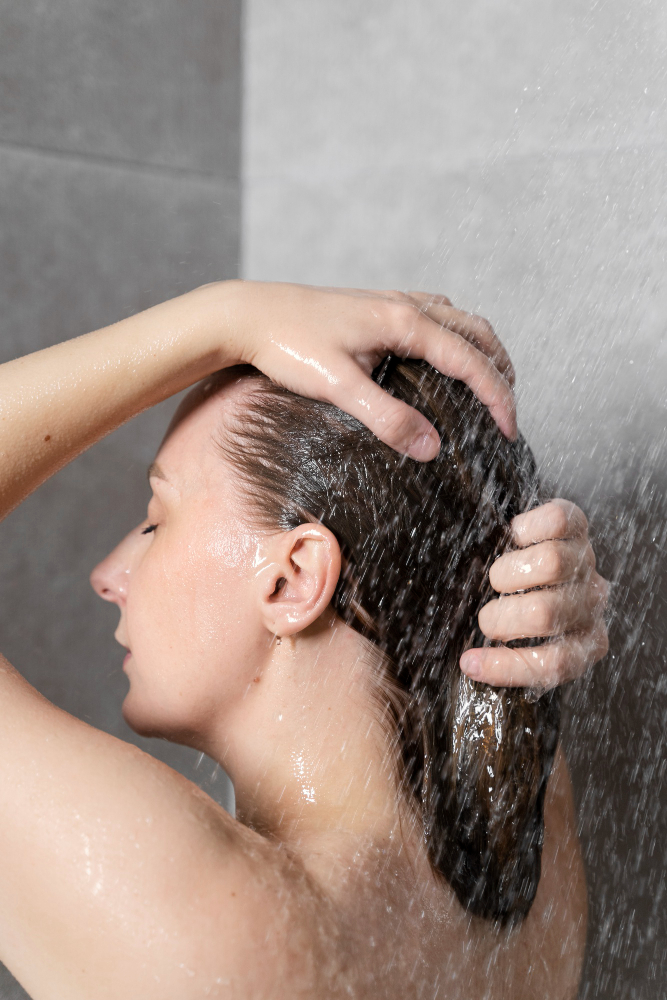
A single quality conditioner can replace masks, leave-ins, and multiple detanglers.
Look for a formula that provides:
- hydration
- slip for detangling
- smoothing benefits
- lightweight moisture without buildup
Invest in a single high-quality conditioner rather than multiple masks and leave-ins. It should hydrate, smooth, and detangle.
3. Protection
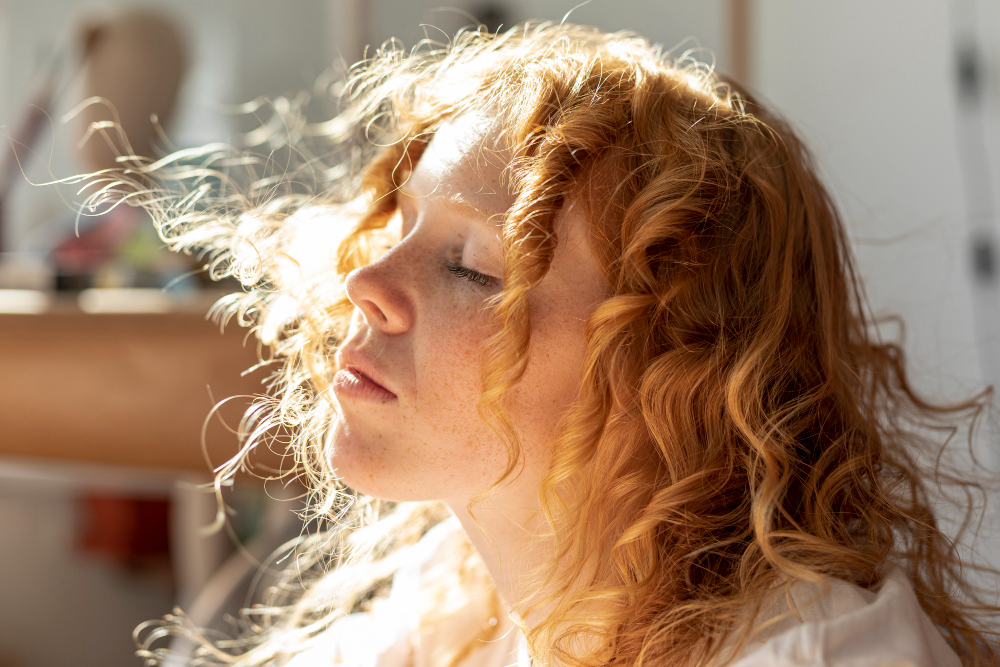
Neither should you skip protection, and recommend using:
- Use a lightweight heat protectant if styling.
- Shield your hair from the sun with a hat or UV spray.
- Switch to a silk pillowcase to reduce frizz and breakage.
4. Moisture & Scalp Care
Another essential thing is to apply a scalp oil or serum if your scalp is dry or irritated. We do not recommend overusing it as it can clog the hair follicles.
👉 Want to nourish your scalp deeply? Consider a Scalp Therapy Treatment.
5. Styling
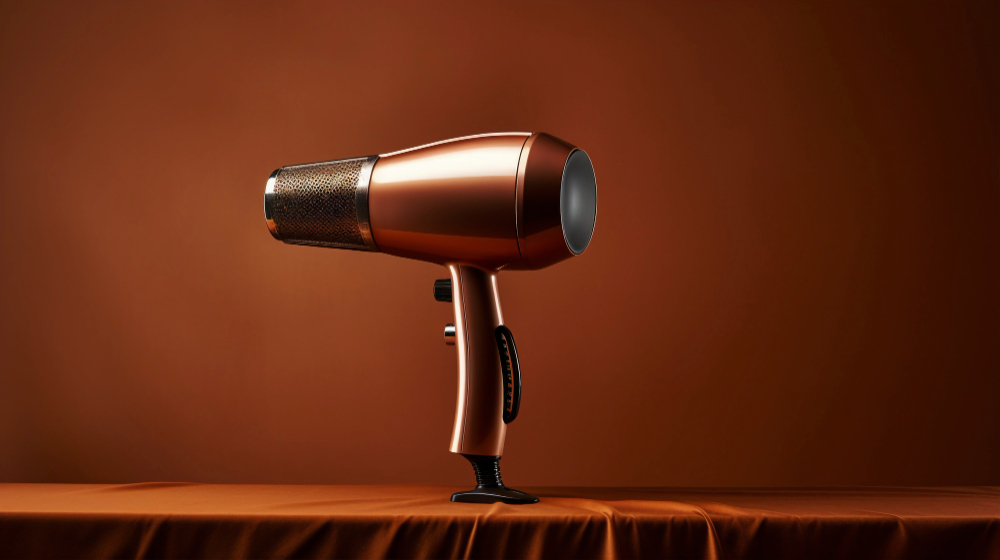
Keep it natural whenever possible:
- Air-dry when you can
- Use minimal heat
- Embrace simple, protective hairstyles
- Choose low-tension styles to minimize breakage
Minimalist styling is about enhancing your natural texture rather than fighting against it.
Minimalist Hair Products: What to Look For
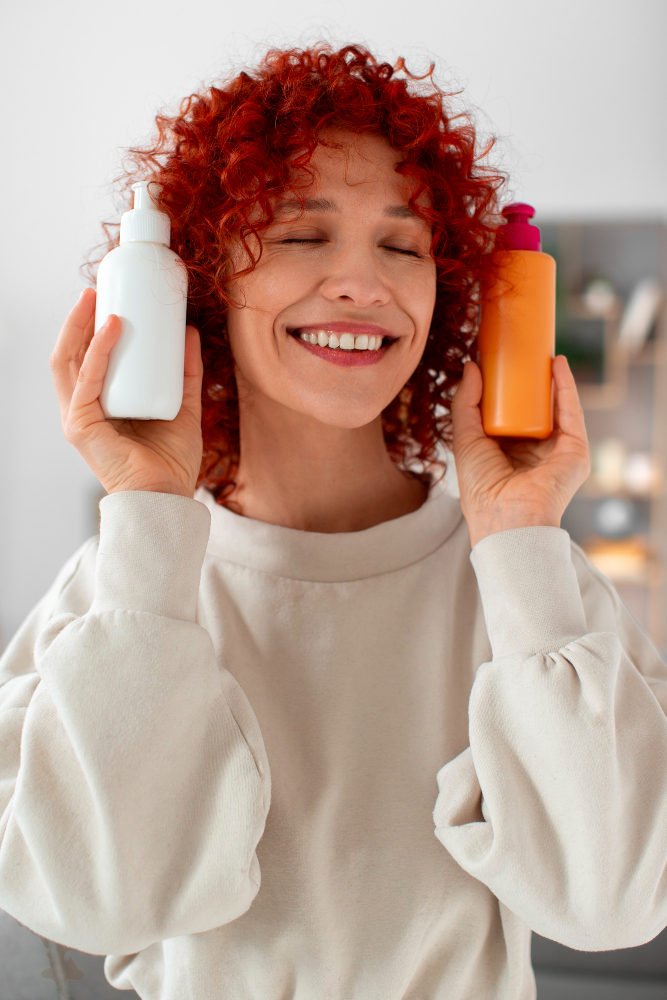
Choosing minimal products for healthy hair doesn’t mean you’re sacrificing quality.
Qualities of a minimalist-friendly product
Look for options that are:
- Multi-use: one product serving two or more purposes
- Ingredient-transparent: clear labeling, no long confusing lists
- Low-irritant: free from sulfates, silicones, dyes, parabens, and heavy fragrance
- Non-clogging: especially important for thin, fine, or oily hair
- Sustainable: eco-conscious packaging
- Budget-efficient: high-quality but not excessive
Examples of minimalist-friendly product types
- Minimalist shampoo: gentle cleansing, few ingredients, scalp-safe
- Minimalist conditioner: lightweight but hydrating
- Minimalist hair mask: used occasionally and not overly rich
- Minimalist leave-in conditioner: doubles as a heat protectant
- Minimalist hair care kit: shampoo, conditioner, and one styling essential
💡 Did you know you get a scalp spa and a hair spa? Discover the difference between the two here. The best part is that Haste offers both of these professional services.
How to Evaluate Minimalist Hair Products
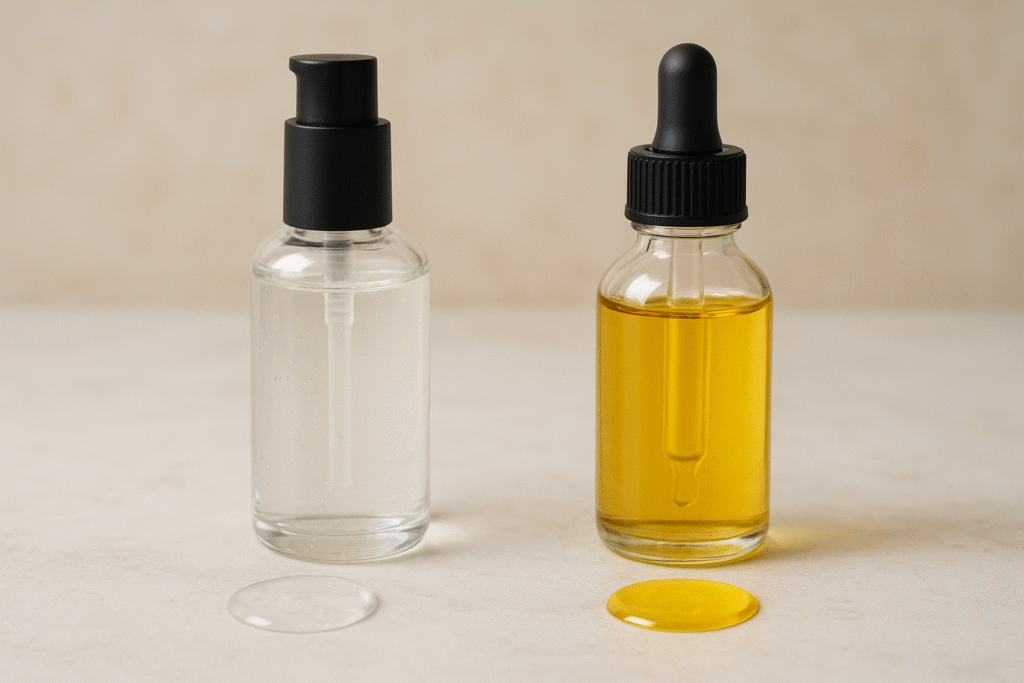
Group 1: Ingredient Safety
- short ingredient lists
- no sulfates
- no parabens
- no silicones
- no dyes
- fragrance-free or low-fragrance
Why it matters: reduces irritation, improves long-term scalp health.
Group 2: Scalp Compatibility
- pH-balanced formulas
- non-comedogenic oils
- calming ingredients like aloe, oat, or zinc
Why it matters: protects your scalp if you’re prone to dandruff, itching, or buildup.
Group 3: Performance & Texture
- lightweight but effective
- doesn’t leave residue
- rinses clean
Why it matters: supports low-maintenance routines without sacrificing results.
Group 4: Brand Philosophy
- transparency
- evidence-based claims
- clear washing-frequency guidance
Why it matters: As a minimalist consumer, you want fewer decisions, clear instructions, and better value.
Minimalist Hair Care Routine by Hair Type
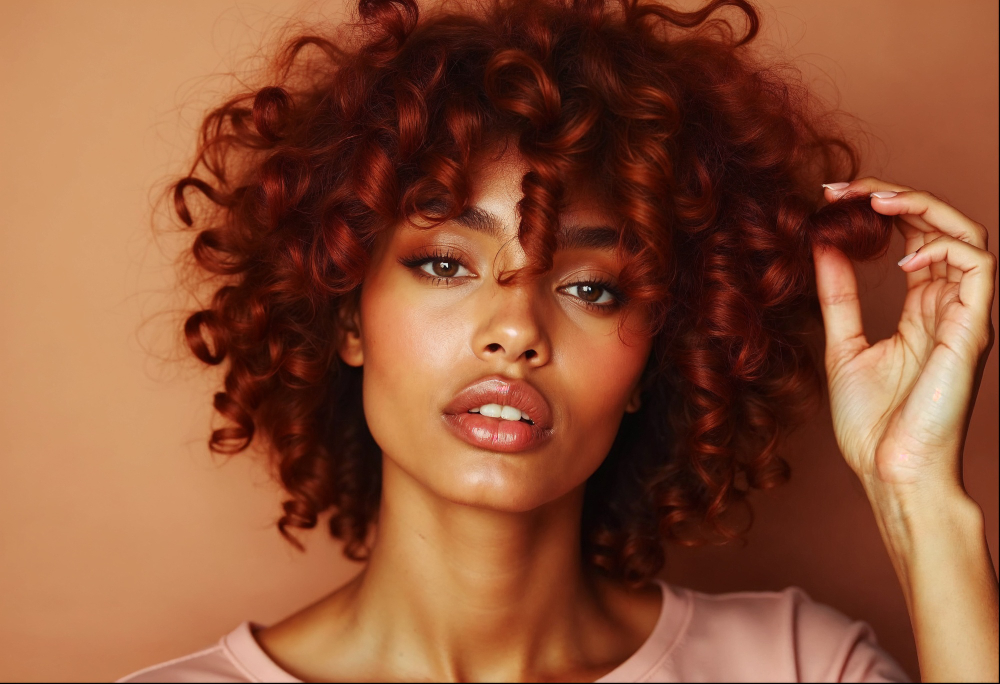
Every hair type needs different care, even in a low-maintenance hair routine:
| Hair Type | Minimalist Focus |
|---|
| Curly/Coily | Moisture, sealing, protective styling |
| Straight | Lightweight conditioner, gentle cleansing |
| Fine/Thin | Non-heavy formulas, scalp balance, minimal oils |
| Colored/Treated | Toner/gloss upkeep, low-product load, UV protection |
| Frizzy Hair | Humectants + low-heat styling |
| Hair Fall Concerns | Reducing product load, gentle cleansing, and scalp care |
👉 For more on myths around hair types and products, see Hair Care Myths.
Minimalist Hair Treatments (At-Home & Professional)
At-Home Minimalist Treatments
- Simple DIY scalp oiling
- Aloe gel for soothing
- Minimalist hair mask once every 2–4 weeks
- Clarifying wash 1–2 times a month
Professional Treatments
- Deep conditioning treatment
- Gloss or toner refresh
- Scalp therapy session
- Minimalist blowout (low-product, high-result)
A few strategic treatments can replace your at-home product shelf.
Minimalist Hairstyles

- Simple low bun
- Loose braid
- Air-dried waves
- Minimal heat straight styling
- Claw-clip updos
- Low-manipulation curly sets
These styles reduce breakage and align with your minimalist lifestyle.
Embracing a Simpler, Smarter Hair Routine
Simplifying your hair care routine doesn’t mean neglecting your hair; it means giving it what it needs.
By adopting a minimalist hair care routine, you’ll enjoy healthier strands, save money, and contribute to a more sustainable beauty lifestyle.
If you’re ready to reset your hair with professional care, book a minimalist-inspired scalp treatment or blowout at Haste Urban Hair Spa for the ultimate low-maintenance hair routine boost.
Less is more, and your hair will thank you.
FAQ
Will a minimalist hair care routine work for all hair types?
Yes. The key is tailoring the basics (cleansing, conditioning, protection) to your specific hair needs.
How often should I wash my hair in a minimalist routine?
Most people benefit from 2–3 washes a week, but frequency depends on your hair type and lifestyle.
Can fewer products improve my scalp health?
Research shows that reducing product buildup allows your scalp to better regulate its natural oils, leading to improved long-term health.
Is a minimalist hair care routine budget-friendly?
Yes, by using fewer but higher-quality products, you save money while still maintaining beautiful hair.
Do I still need professional treatments if I go minimalist?
Occasional trims, scalp checks, or treatments like deep conditioning help keep your hair healthy and strong without overloading on at-home products.
What is the best minimalist shampoo and conditioner?
Choose ones with short ingredient lists, low irritation potential, and clear scalp-health benefits.
Can a minimalist routine help with hair growth?
By lowering buildup, irritation, and breakage, a minimalist routine supports healthier growth over time.