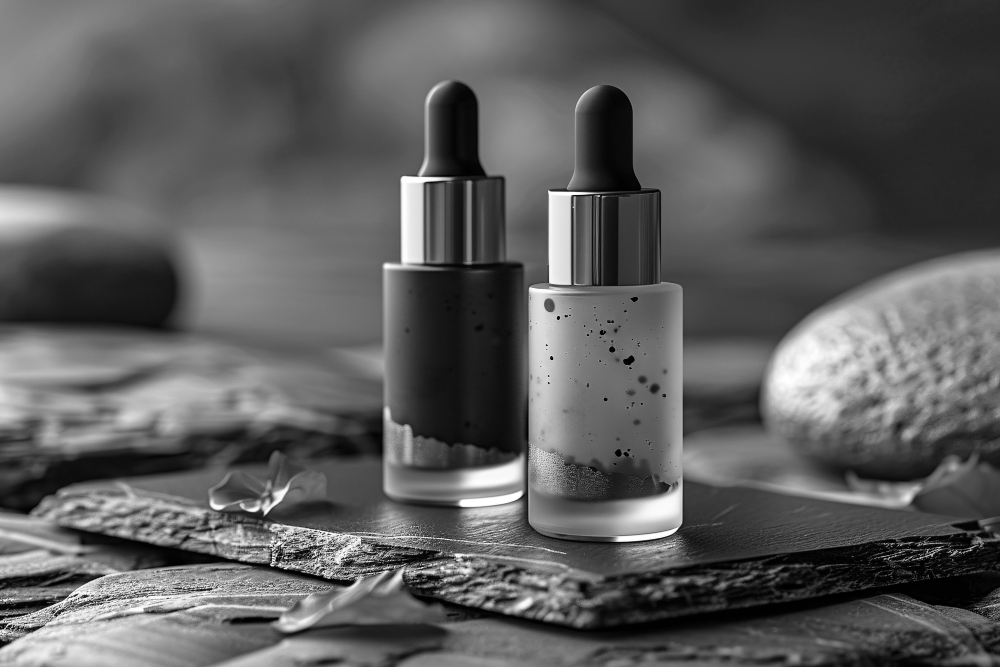
You’ve likely come across debates online or at the salon comparing a scalp serum vs hair serum, but the names sound similar, making it easy to mix them up.
The truth is, they serve different purposes: scalp serum is designed for your scalp skin (to hydrate, soothe, and rebalance), while hair serum is intended for your strands (to smooth, protect, and add shine).
If you swap them or skip the one you need, you end up with greasy roots or miss out on scalp benefits that keep your hair healthy.
Our guide will help you confidently choose or combine them for the healthiest scalp and hair.
Scalp Serum vs Hair Serum
What Is a Scalp Serum?
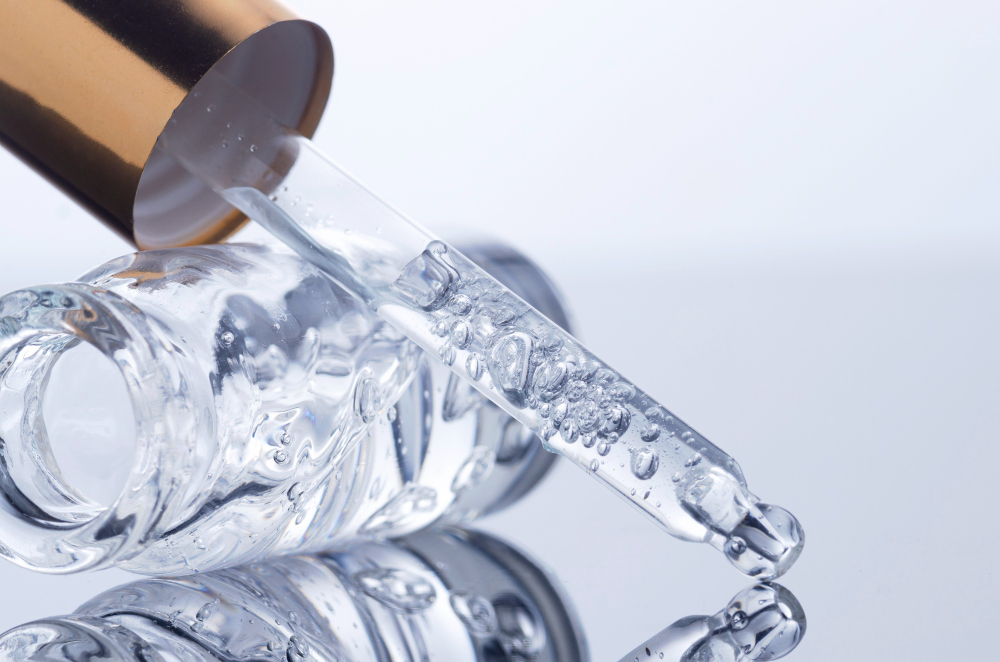
A scalp serum is a treatment designed specifically for the scalp, not the hair itself. Its goal is to improve scalp health by targeting issues such as:
- dryness
- itchiness
- dandruff or flakes
- irritation
- excess scalp oil
- slow hair growth
- weak follicles
How It Works
Scalp serums contain ingredients that benefit the skin barrier and follicles, such as:
- Niacinamide (balances oil, strengthens barrier)
- Peptides (support stronger strands)
- Hyaluronic acid (deep hydration)
- Tea tree / salicylic acid (flake control)
- Rosemary/caffeine (stimulates circulation)
Best For:
- Hair shedding
- Dry, itchy, or flaky scalp
- Excess oil or buildup
- People who want thicker, fuller hair
- Sensitivity or inflammation
Recommended Scalp Serums
• The Ordinary Multi-Peptide Serum for Hair Density” Great for scalp health and hair density support.
• Paul Mitchell Tea Tree Scalp Care: Cooling, soothing, ideal for flakes and irritation.
• Ceremonia Aceite de Moska Scalp Serum: Balances scalp oils and reduces buildup.
🧴 Tip: Want a deeper understanding of what scalp serums actually do? Check out What Is a Scalp Serum?
What Is a Hair Serum?
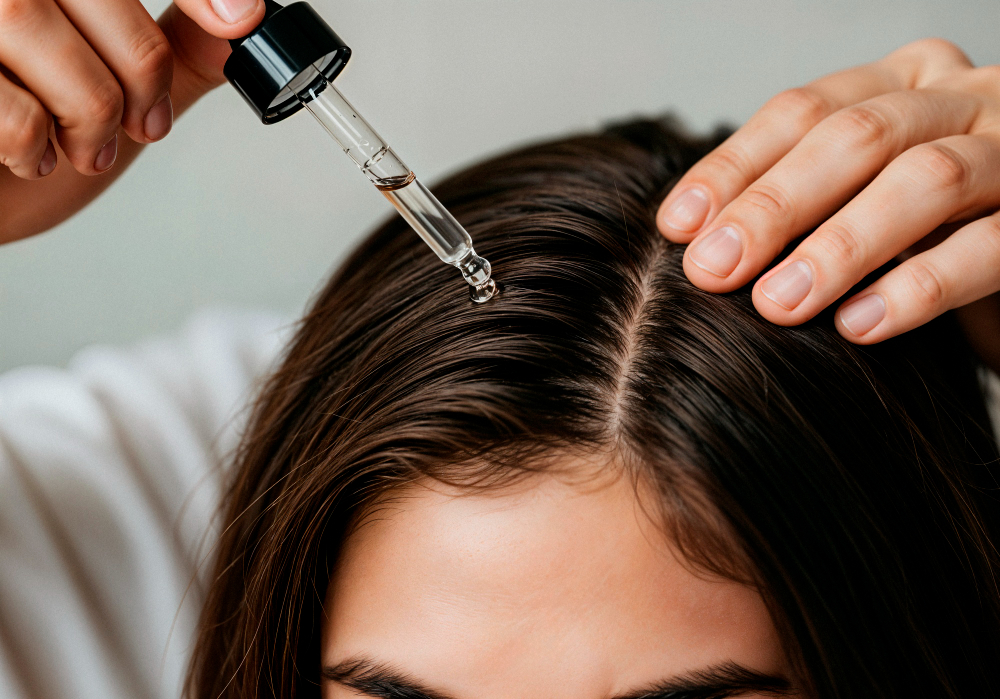
A hair serum is a styling product meant for the lengths and ends of your hair, not the scalp. Its job is to improve appearance, shine, softness, and manageability.
What It Helps With:
- Frizz
- Flyaways
- Heat protection
- Smoothness
- Shine
- Split ends
- Styling control
Common Ingredients
- Silicones (dimethicone, cyclopentasiloxane)
- Lightweight oils (argan, marula)
- Keratin or amino acids
- UV/heat protectants
Best For:
- Frizzy or puffy hair
- Dry, rough ends
- Heat styling
- Protecting hair from humidity
Recommended Hair Serums
• Olaplex No.7 Bonding Oil: Strengthens, protects, adds soft shine.
• Moroccanoil Treatment Light: Perfect for fine-to-medium hair needing smoothness.
• Kérastase Nutritive 8H Magic Serum: Overnight softening and hydration.
🧴 Tips: Are you curious about pampering treatments as well? See what a Scalp Spa or Hair Spa can offer you.
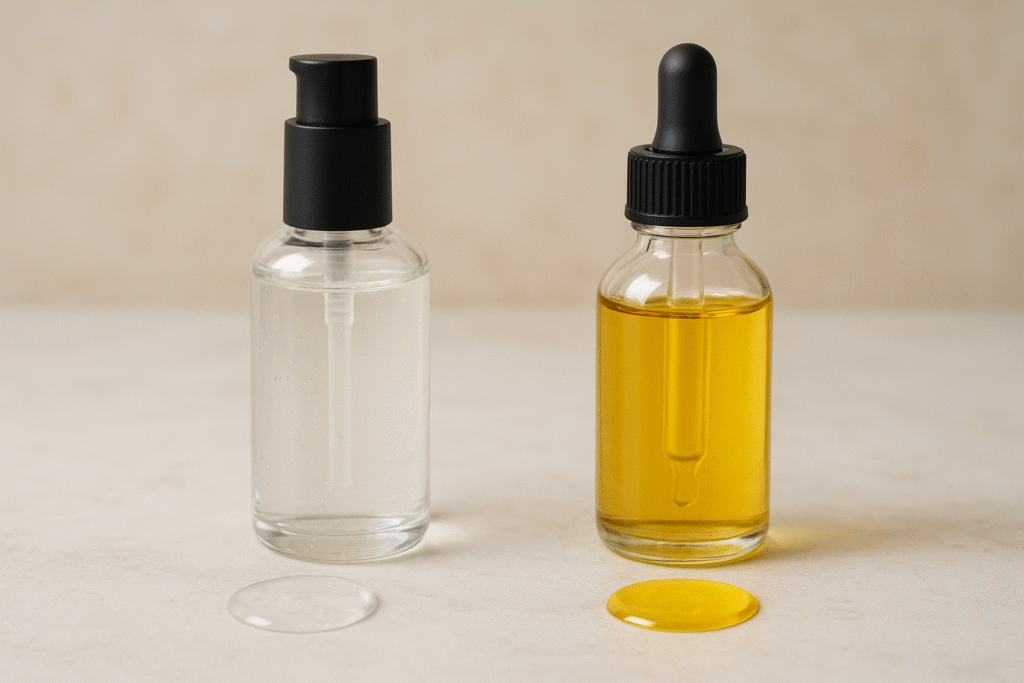
Scalp Serum vs Hair Serum: Quick Comparison
| Feature | Scalp Serum | Hair Serum |
|---|---|---|
| Purpose | Treat scalp skin | Smooth + protect hair |
| Used On | Scalp + roots | Lengths + ends only |
| Texture | Lightweight, watery, fast-absorbing | Silky, glossy, often silicone-based |
| Main Benefits | Hydration, oil balance, flake reduction, growth support | Shine, frizz control, softness, heat protection |
| How Often | 3–7x per week | Daily or after every wash |
| Good For | Dry, itchy, irritated, oily scalp; shedding | Frizzy, dry, dull, heat-styled hair |
📝 Learn more about your hair horoscope and what your hair energy says about you. Alternatively, if you struggle with an oily scalp and dry ends, learn more in our article here.
Scalp Serum vs Hair Serum Ingredients and Benefits
Understanding the ingredients behind each product shows why scalp serums and hair serums behave so differently and why using the wrong one in the wrong place can cause issues. Here’s a clean, simplified breakdown.
Hair Serum Ingredients
Hair serums are designed to smooth, soften, and protect the hair shaft, not the scalp.
1. Silicones (Dimethicone, Cyclomethicone)
What they do:
- Smooth the cuticle
- Reduce frizz
- Add shine
- Boost slip and detangling
Why they’re used: Dimethicone gives long-lasting smoothness, while cyclomethicone evaporates quickly for a lightweight, silky feel. Research shows they help reduce static and improve manageability.
2. Heat-Protective Polymers
Examples: VP/acrylates/lauryl methacrylate copolymer, polyquaternium-55
What they do:
- Shield hair during heat styling
- Reduce breakage
- Support smoother, glossier results
Why they’re used: Studies suggest these polymers form a protective barrier that minimizes heat damage from blow dryers, straighteners, and curling irons.
3. Lightweight Oils (Squalane)
What it does:
- Adds lightweight moisture
- Softens and smooths
- Reduces frizz without heaviness
Why it’s used: Squalane hydrates and softens hair without causing buildup, making it ideal for fine, medium, and thick hair alike.
Scalp Serum Ingredients
Scalp serums work like skincare for the scalp, focusing on nourishment, balance, and follicle support.
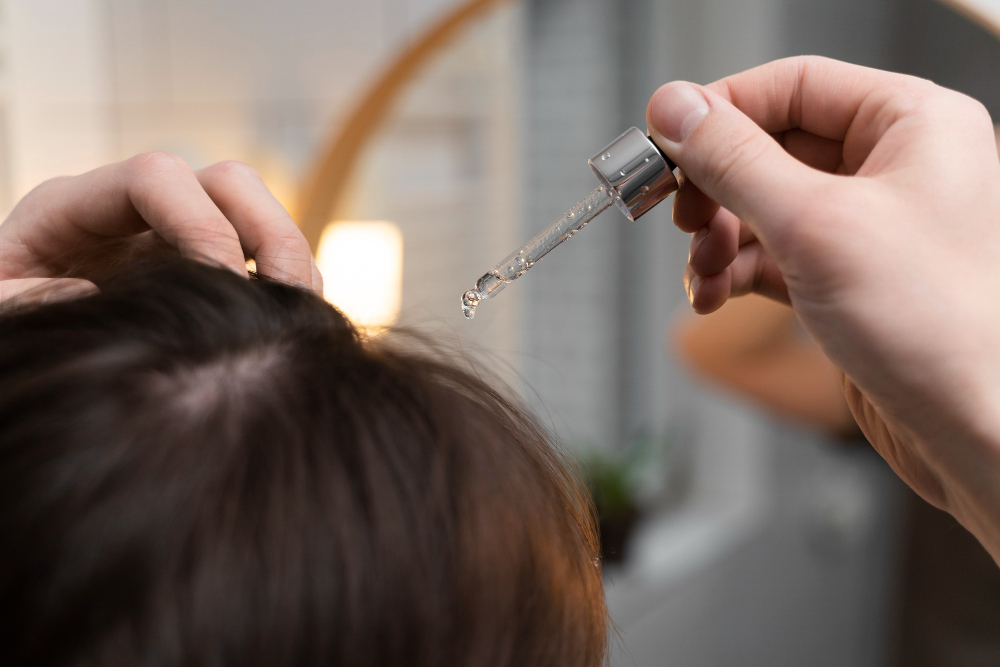
1. Niacinamide (Vitamin B3)
What it does:
- Calms irritation
- Strengthens the scalp barrier
- Supports healthier follicles
Why it’s used: Research suggests it can improve scalp condition and increase follicle density, enhancing hair strength over time.
2. Salicylic Acid
What it does:
- Exfoliates flakes
- Clears buildup
- Helps manage dandruff
Why it’s used: Clinical research published in Clinical, Cosmetic and Investigational Dermatology demonstrated that salicylic acid, combined with piroctone olamine, significantly improved scalp health by reducing itching and flakiness.
3. Rosemary Extract
What it does:
- Boosts circulation
- Calms inflammation
- Supports thicker, fuller-looking hair
Why it’s used: A study found that rosemary oil was as effective as 2% minoxidil for treating hair loss, with fewer side effects, such as scalp itching.
🌟 Tip: Always layer water-based scalp serums before heavier oils or styling products—see How to Apply Hair Products.
👉 Discover the best dermatologist-approved scalp serums
Can You Apply Hair Serum to the Scalp?
Generally, no, unless the product specifically states it’s safe for the scalp. Hair serums contain silicones and oils that can:
- clog follicles
- cause buildup
- make roots greasy
- trigger irritation
- weigh your hair down
If you want scalp benefits, stick to an actual scalp serum.
Can You Apply Scalp Serum to the Hair?
You can, but it won’t give the smoothing, shine, or protection that a hair serum provides. Scalp serums benefit the skin, not the hair shaft.
How to Use a Scalp Serum Correctly
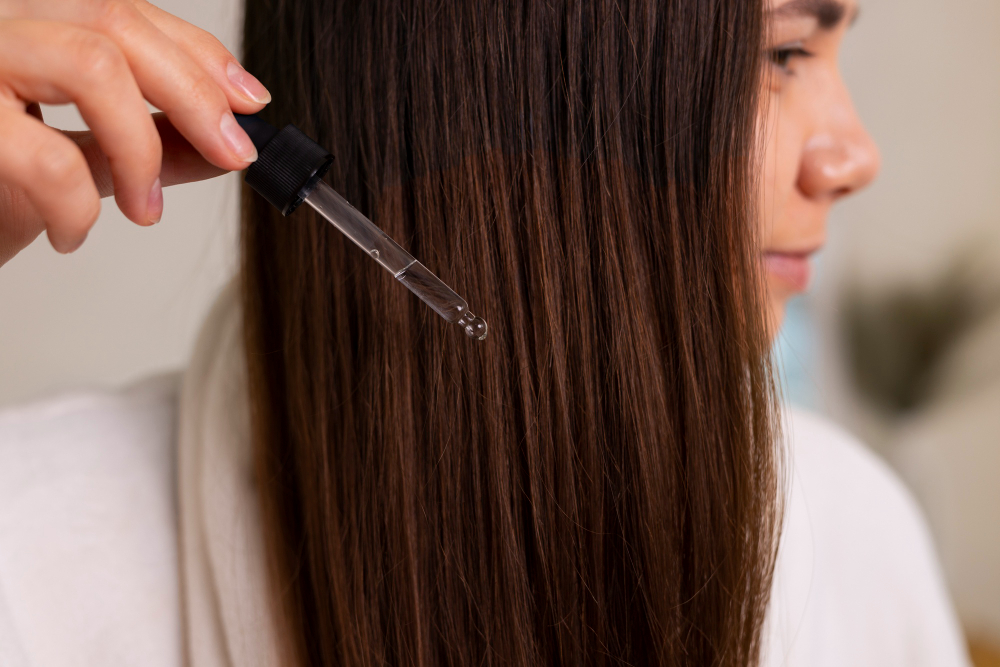
How to Apply:
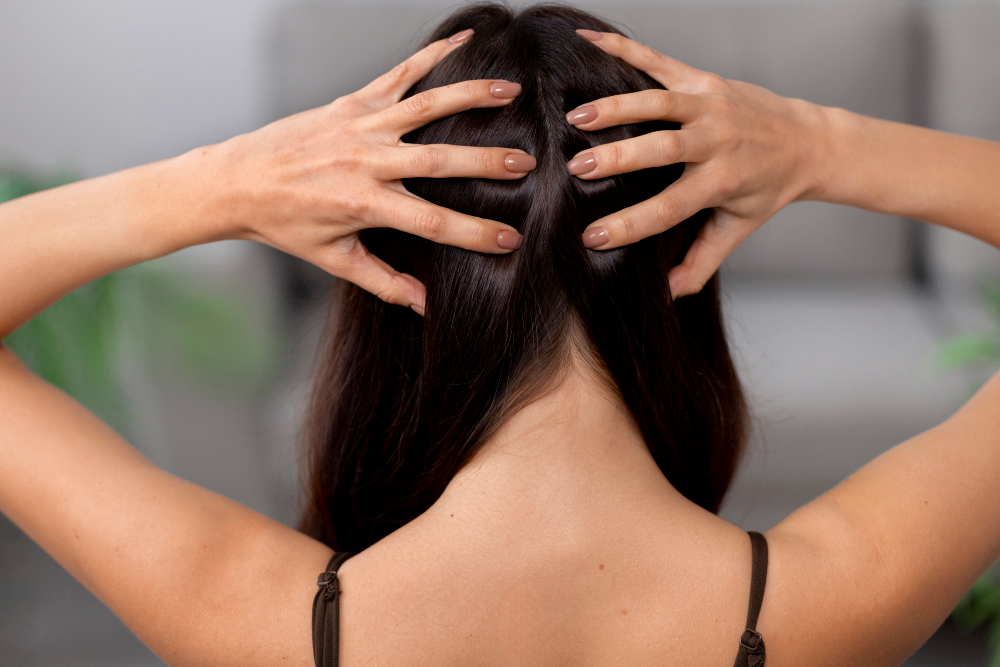
- Part your hair.
- Apply drops directly to the scalp.
- Massage for 1–2 minutes.
- Leave it in — don’t rinse.
- Use daily or 3–4× a week.
Best Time to Apply:
- On clean, damp hair
- Or on dry scalp between wash days
✨Tip: Consistency is key. Use daily or as recommended, and pair with a gentle scalp massage to stimulate circulation. Refer to ‘Hair Treatment vs Scalp Treatment’ for guidance.
How to Use a Hair Serum Correctly
How to Apply:
- Start with one pump.
- Rub between palms.
- Apply to mid-lengths and ends only.
- Comb through to distribute.
Best Time to Use:
- After washing
- Before blow-drying
- As a finishing step
Hair vs Scalp Serum: When to Use Which
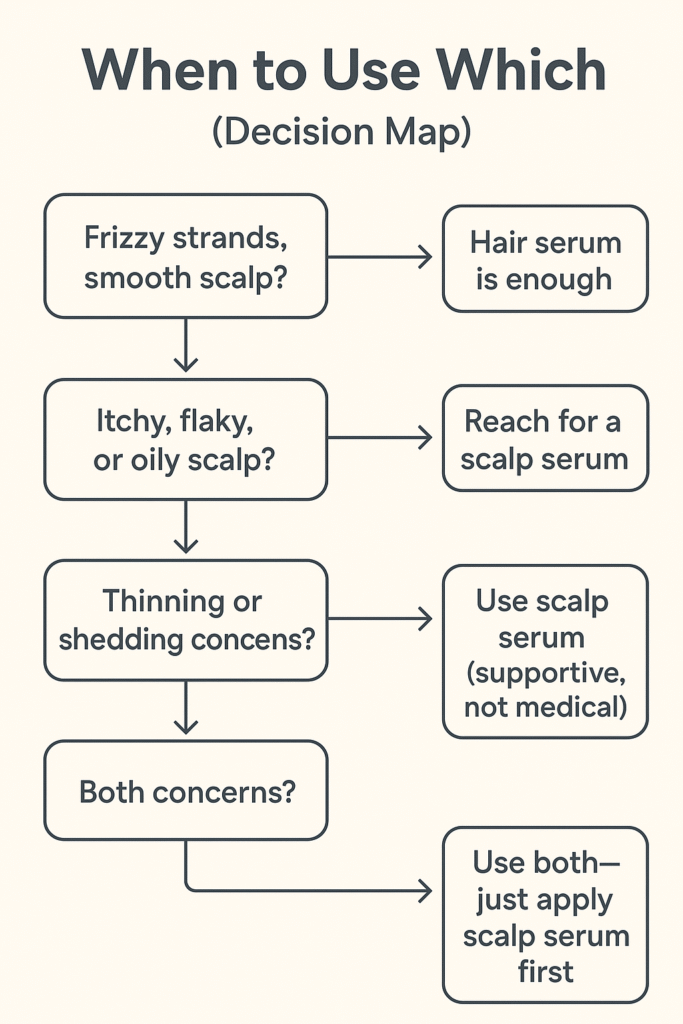
Knowing when to use a scalp serum vs hair serum is key to getting results without wasting product. Here’s a practical guide based on common concerns:
Choose a scalp serum if you have:
- flakes
- irritation
- dryness or oil imbalance
- shedding
- tight, itchy, or sensitive scalp
✨ Tip: Part your hair and apply the serum directly to the scalp, massaging for 60–90 seconds for best absorption. For more insights, check out Common Scalp Conditions

Choose a hair serum if you have:
- frizz
- dry ends
- dullness
- heat damage
- flyaways
- humidity issues
Both can be used together; they target completely different areas.
✨Tip: Apply a pea-sized amount to towel-damp mids and ends, then style as usual. Avoid the roots to prevent greasiness.
Layering & Routine Builder
| Routine | Steps / Instructions | Tips / Notes |
| Wash Day | 1. Shampoo and towel-dry hair. 2. Apply scalp serum part by part, and massage for 60–90 seconds. 3. Wait a few minutes. 4. Apply hair serum to mids/ends before styling. | ⏳ Massage time matters—1 minute improves absorption & boosts circulation. |
| Non-Wash Day | 1. Dab scalp serum on itchy or dry spots. 2. Smooth a touch of hair serum on the ends for shine. | – |
| With Treatments | Minoxidil: Apply first on a dry scalp. Wait. Then layer scalp serum later. Anti-dandruff shampoos (ketoconazole): Use as directed on the label. Apply scalp serum on off-days to help combat dryness.BHA serums: Alternate use on alternate days to prevent irritation. | Avoid stacking too many products. |
| Tailored Routines | Oily scalp, limp hair: Use Niacinamide scalp serum and ultra-light hair serum only on the ends. Dry scalp, coarse hair: HA scalp serum + richer silicone blend serum on ends. Flaky scalp: Alternate salicylic acid serum and hydrating serum. Heat stylers: Apply heat-protectant hair serum before blow-drying; use scalp serum after washing. Curly/coily: Scalp serum for buildup + hydration, hair serum to lock in curl-friendly definition. | Want to see the difference between healthy and unhealthy hair? Check out Healthy vs Unhealthy Hair. |
Mistakes to Avoid

- Applying hair serum to roots → flat, greasy hair
- Using scalp acids every single day → irritation risk
- Forgetting patch tests → allergic flare-ups
Scalp Serum vs Hair Serum: The Takeaway
Healthy hair starts at the root. Scalp serums focus on nourishing your scalp, soothing dryness, and creating the ideal environment for hair strength and vitality.
Hair serums, on the other hand, target your strands, hydrating, smoothing, and protecting mids and ends for shine and manageability.
Using both regularly ensures your scalp and hair work in harmony, giving you the best of both worlds.
Ready to elevate your hair care routine? Book a personalized consultation with HasteHair Home today and discover the perfect combination of scalp and hair treatments tailored just for you.
FAQ
Can I use both a hair and scalp serum on the same day?
Yes. Apply scalp serum first to target hydration and scalp health, then follow with hair serum on mids and ends after styling for smoothness and shine.
Will a scalp serum make my hair grow?
Scalp serums nourish and support a healthy scalp environment, which is essential for strong hair, but they are not a medical hair-growth treatment.
Can hair serum touch the scalp?
It’s best to apply hair serum to the mid-lengths and ends to avoid greasiness or buildup at the roots. This ensures your hair stays light, soft, and manageable.
How soon will I see results?
Many notice improved scalp comfort and reduced dryness within 2–4 weeks of consistent use, while hair texture and shine can gradually improve with regular application.
Are they safe after coloring or keratin?
Yes. Both scalp and hair serums are generally safe, but it’s always best to patch-test first and follow your stylist’s advice to protect your color and chemical treatments.