As a hair wellness spa, we understand that a balanced scalp is essential for healthy hair; however, scalp problems can be concerning.
You can find common scalp conditions, some of which can lead to a dry scalp or, worse, dandruff and hair loss, which can leave you self-conscious.
Sometimes, they become itchy and painful, and we always sympathize with our clients. But if you are unaware of the scalp problems you can face, we have outlined them here, along with their causes and treatments.
Categories of Scalp Conditions (Quick Overview)
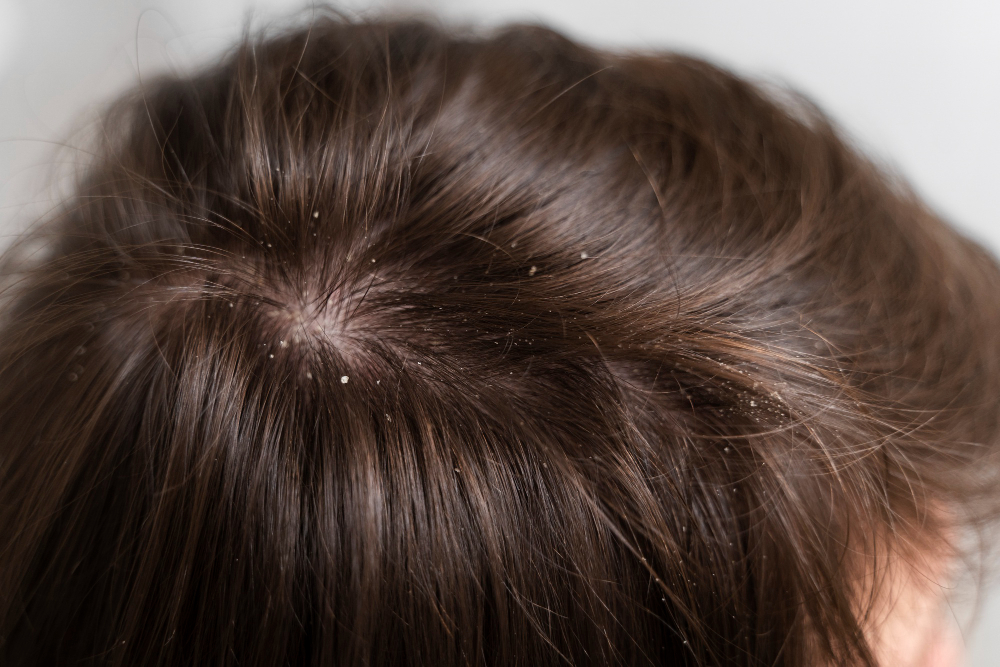
To make everything easy to understand, scalp conditions fall into four major groups:
Inflammatory / Autoimmune Conditions
- Seborrheic dermatitis (dandruff)
- Psoriasis
- Lichen planopilaris / Lichen planus
- Atopic dermatitis
- Allergic contact dermatitis
These involve immune overactivity, inflammation, or irritation.
Infectious Conditions
- Tinea capitis (fungal ringworm of the scalp)
- Folliculitis (bacterial or fungal)
- Impetigo (bacterial)
- Pediculosis capitis (head lice)
These develop from bacteria, fungi, or parasites.
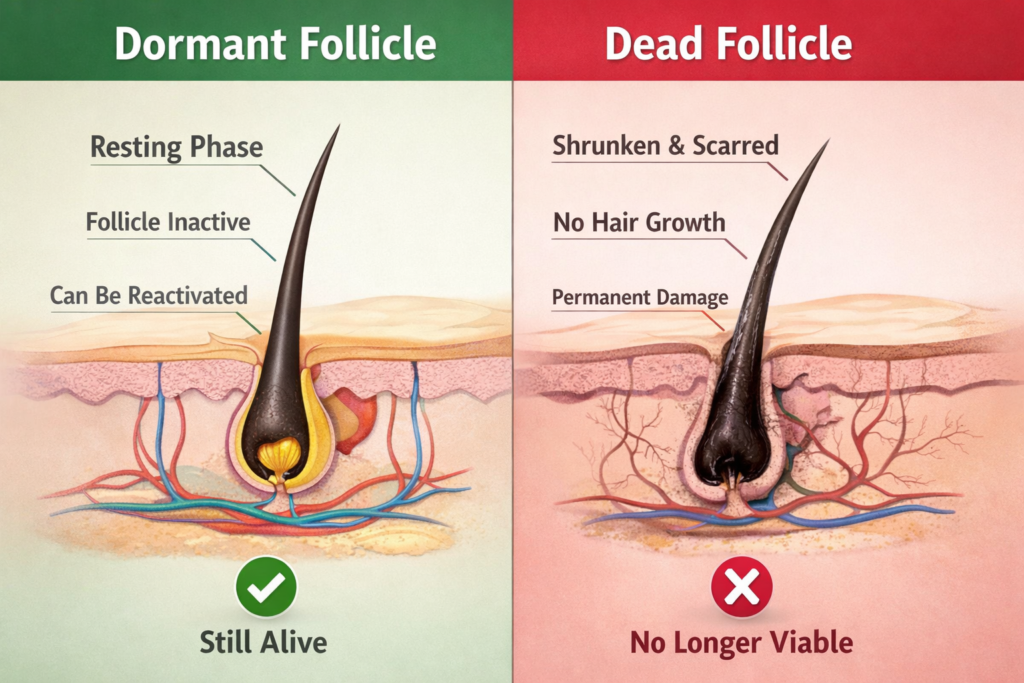
Hair-Loss & Follicle-Related Disorders
- Androgenetic alopecia (hereditary thinning)
- Alopecia areata
- Telogen effluvium
- Traction alopecia
These are linked to the hair growth cycle and the health of hair follicles, which can also lead to scalp congestion.
Cosmetic / Environmental Scalp Imbalances
- Dry scalp
- Oily scalp
- Product buildup
- Irritation from products or overwashing
These relate to habits, products, or skin type.

Symptoms to Watch For (Self-Assessment)
If you’re experiencing scalp issues, look for:
- Redness or inflammation
- White, dry flakes or yellow, greasy flakes
- Excess oiliness
- Itching or burning
- Scaly patches
- Round bald spots
- Oozing, crusting, or pustules
- Sudden shedding or overall thinning
- Tenderness or pain
These clues help distinguish which of the common scalp conditions you may be dealing with.
👉 Learn more about scalp barrier repair and how a dirty hair brush can lead to scalp conditions
13 Common Scalp Conditions
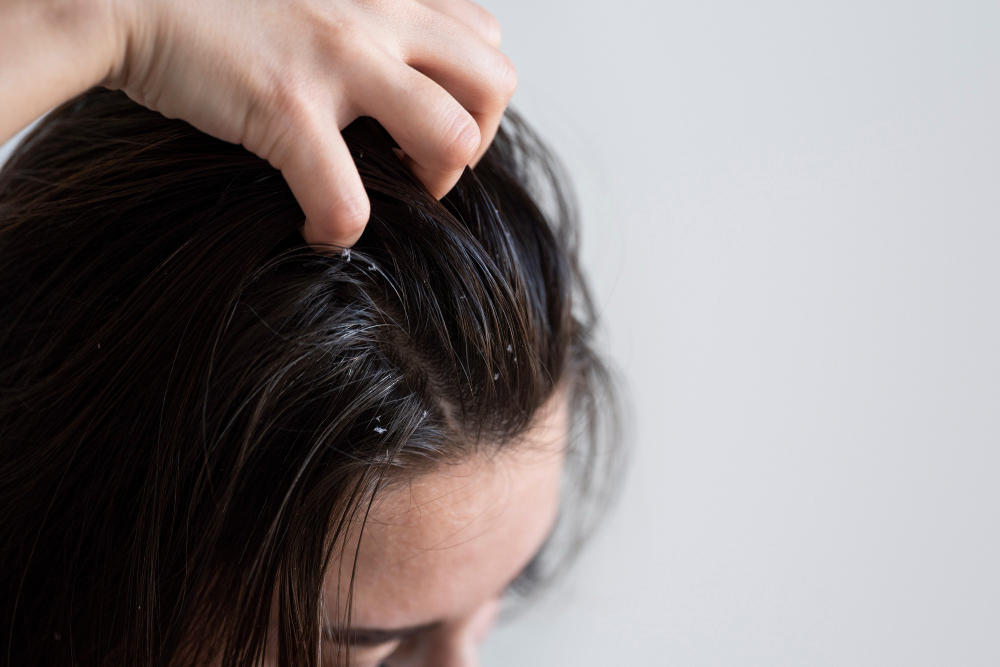
1. Dandruff / Seborrheic Dermatitis
What it is:
A chronic inflammatory condition caused by yeast overgrowth, excess oil, or sensitivity.
What it looks like:
White or yellow flakes, oily redness, irritation.
Symptoms:
Itching, visible flakes, greasy scalp, tenderness.
Treatment:
Anti-fungal or zinc-based shampoos, gentle exfoliation, and lifestyle adjustments.
✨ Worthy Read: How Your Diet Affects Scalp Health l Is Shampoo Bad For Your Hair
2. Dry / Itchy Scalp
Dryness is not a disease; it’s a symptom.
Causes:
Harsh products, dehydration, weather changes, eczema, and overwashing.
Treatment:
Gentle hydrating shampoos, avoiding irritants, improving moisture levels, and soothing treatments.
✨Check out these DIY remedies for a dry scalp and also learn the difference between dandruff and product buildup.
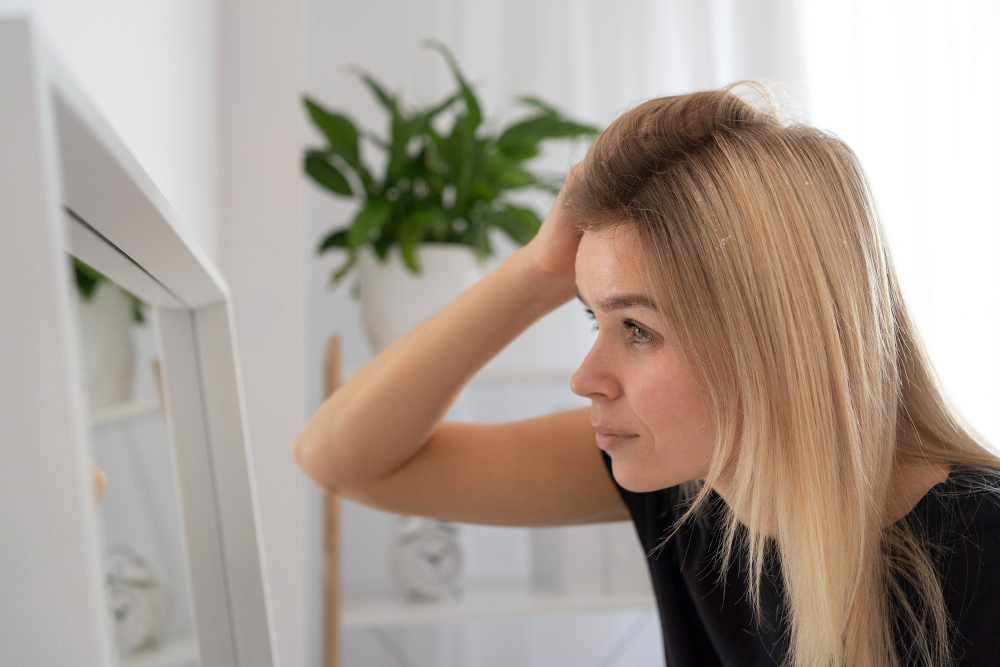
3. Product Buildup & Oily Scalp
What it is:
Excess sebum or residue from stylers, conditioners, oils, or dry shampoo.
What it looks like:
Greasy roots, dull hair, clogged follicles, flakes that look “waxy.”
Treatment:
Scalp clarifying, exfoliating, and adjusting product routines, and you can also use dry shampoo to revive the roots.
You can also visit us for a scalp detox treatment to help remove the buildup and enjoy a luxurious massage.
✨ Do you suffer from oily hair or an oily scalp? Not sure, then find out here.
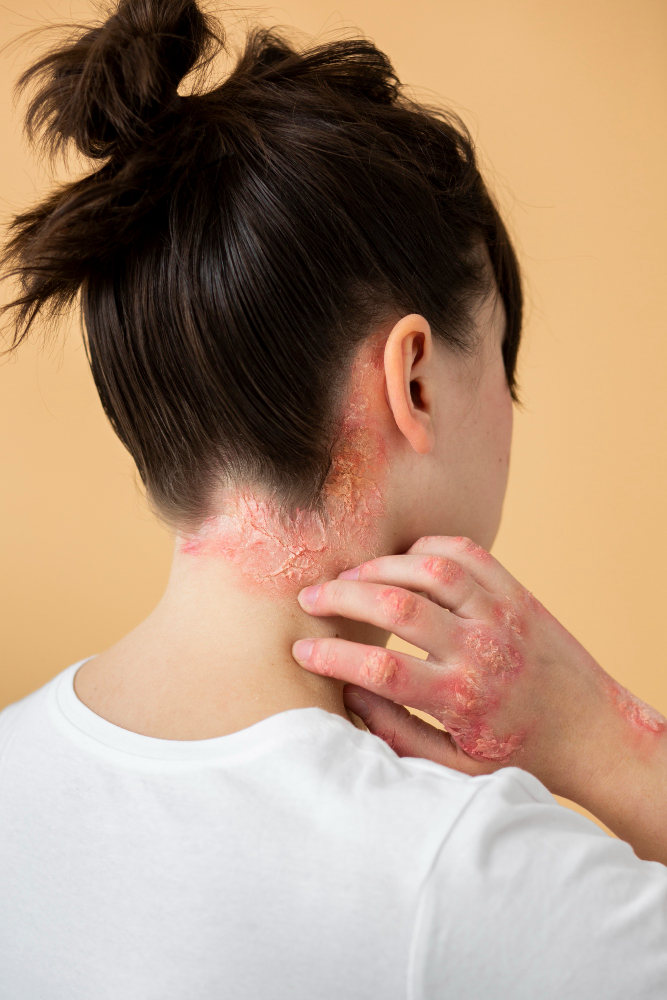
4. Psoriasis
What it is:
An autoimmune disorder causing rapid skin cell growth.
What it looks like:
Thick, silvery plaques with well-defined edges.
Symptoms:
Burning, redness, flaking, chronic inflammation.
Treatment:
Medicated shampoos, anti-inflammatory topicals, light therapy, and dermatologist support.

5. Folliculitis
What it is:
Inflammation or infection of the hair follicles.
Types:
Bacterial vs. fungal folliculitis.
What it looks like:
Red bumps, pustules, irritation, and sometimes painful boils.
When to worry:
If pustules worsen, become painful, or spread.
Treatment:
Topical or oral antibiotics, anti-fungals, scalp exfoliation treatment, and improved scalp hygiene.
✨ Have you wondered about whether a professional or DIY hair treatment is better? Get the answer here.
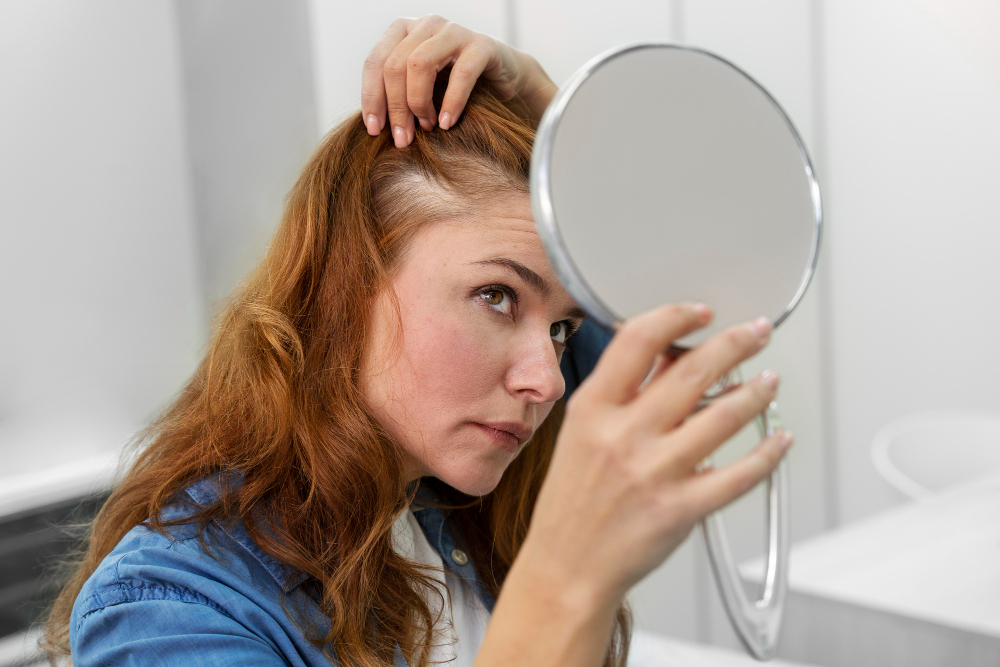
6. Lichen Planopilaris / Lichen Planus
What it is:
A scarring autoimmune condition.
Why it matters:
It can lead to permanent hair loss if untreated.
Symptoms:
Redness around follicles, thinning patches, and burning.
Treatment:
Early dermatologist intervention is essential.
✨ Worthy Read:
- Unhealthy Scalp vs Unhealthy Scalp
- Best Scalp Treatments For Hair Loss
- What is a Scalp Serum?
- Hair Loss vs Hair Shedding
- Scalp Serum vs Hair Serum
7. Tinea Capitis (Ringworm of the Scalp)
A crucial condition is often missed in basic scalp guides.
What it is:
A highly contagious fungal infection.
What it looks like:
Round scaly patches, black dots, hair breakage, brittle strands.
Important:
OTC shampoos alone cannot cure it.
Treatment:
A doctor prescribes oral anti-fungal medication.
✨ Also, check out how you can prevent sunburn on your scalp here.
8. Allergic Contact Dermatitis
Triggers:
Hair dye, fragrances, preservatives, shampoos, metals.
Symptoms:
Burning, itching, weeping sores, tenderness.
Treatment:
Avoiding the allergen, gentle care, dermatologist patch testing, and topical steroids for severe cases.
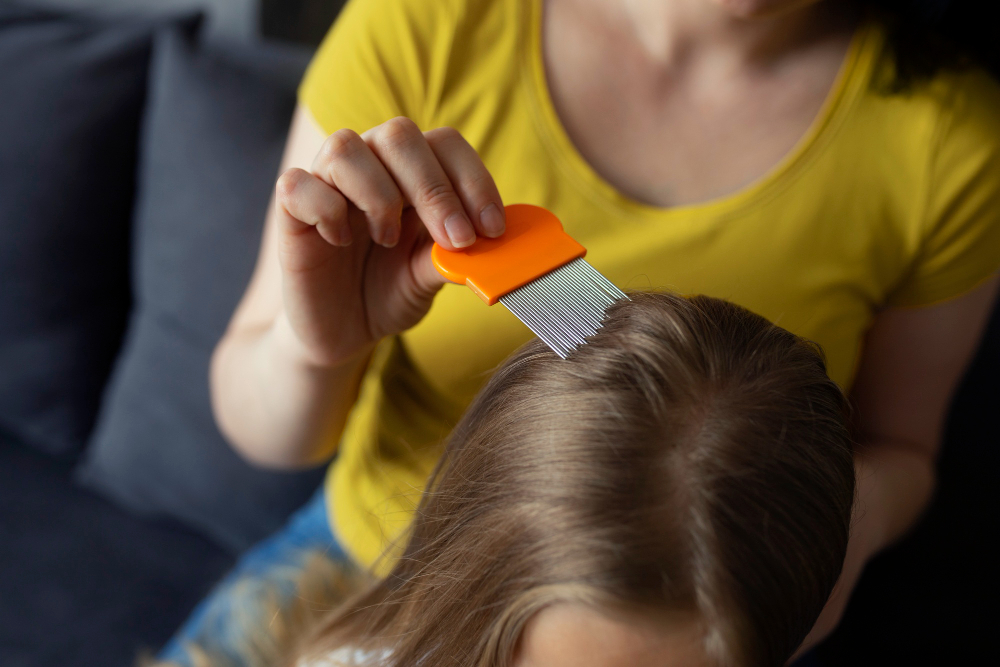
9. Head Lice
Who gets it:
Common in children, spreads via head-to-head contact.
What nits look like:
Small white/clear oval dots are attached firmly to the hair shaft.
Treatment:
OTC or prescription lice treatments, combing, but no need for shaving or extreme cleaning.
10. Alopecia Areata
What it is:
An autoimmune disorder causing sudden round bald patches.
Symptoms:
Smooth bare patches, rapid onset.
Treatment:
Steroid injections, immunotherapy, and dermatologist-led interventions.

11. Androgenetic Alopecia
What it is:
Hormones influence genetic thinning.
Who it affects:
Both men and women.
Symptoms:
Gradual thinning at the crown or hairline.
Treatment:
Topicals like minoxidil, oral therapies, laser treatments, and lifestyle support.
12. Traction Alopecia
Cause:
Tight hairstyles, braids, extensions, ponytails.
Symptoms:
Thinning around edges or hairline, tenderness, and breakage.
Treatment:
Loosening styles, reducing tension, nourishing treatments.
13. Telogen Effluvium
What it is:
Stress- or illness-related shedding.
Causes:
Childbirth, illness, medication, significant stress, and surgery.
Symptoms:
Diffuse shedding all over the scalp.
Treatment:
Addressing the trigger, nutrition, gentle care, and growth-supporting products.
👉 What are salon hair products, and are they worth buying?
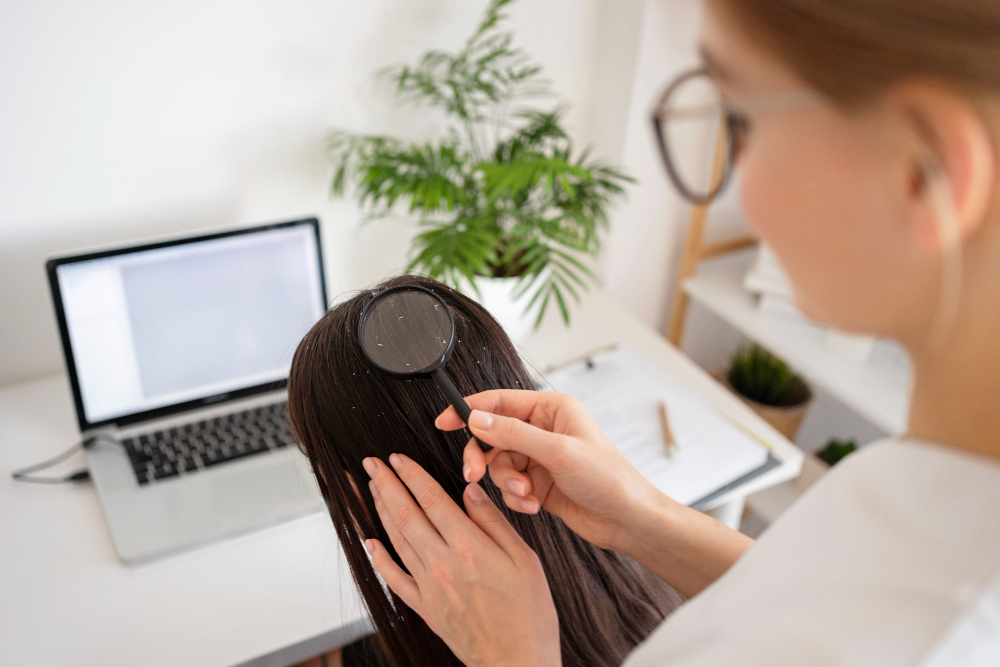
Professional Diagnosis — When to See a Dermatologist or Trichologist
Seek help for common scalp conditions if you notice:
- Oozing or bleeding
- Ring-shaped patches
- Thick scaling
- Sudden severe shedding
- Pain or fever
- Long-lasting redness or itching
- Rapid bald patches
Professionals may use:
- Dermatoscopy
- Scalp cultures
- Patch testing
- Biopsies
Early diagnosis prevents worsening and protects hair follicles.
Evidence-Based Treatments for Scalp Conditions
- Medicated Shampoos: Ketoconazole, zinc pyrithione, tar, salicylic acid, selenium sulfide.
- Prescription Topicals: Corticosteroids, calcineurin inhibitors, vitamin D analogs.
- Oral Medications: Antibiotics, anti-fungals, immunotherapy, or anti-inflammatory drugs.
- Laser & Light Therapy: Helps reduce inflammation and stimulate follicles.
- Lifestyle & Prevention Tips: Hydration, gentle hair care, avoiding irritants, and reducing stress.

How a Hair Spa Can Support Scalp Wellness
- Scalp exfoliation
- Detox cleansing
- Hydration therapy
- Personalized scalp analysis
- Product education
These treatments complement common scalp conditions but do not replace medical care for severe conditions.
How Haste Hair Can Help
At Haste Hair, you can receive:
- Targeted scalp analysis
- Personalized product recommendations
- Treatments for dryness, dandruff, oil imbalance, irritation, and buildup
- Education on gentle routines and hair maintenance
- Transparent referrals when medical care is needed
It helps build trust and supports long-term scalp health.
Common Scalp Conditions
A healthy scalp and hair are essential. Caring for your scalp can create a healthy environment that allows your hair to grow to its full potential.
Still, having one of the common scalp problems mentioned can damage your hair and cause thinning or hair loss.
If you notice any signs of these scalp conditions, contact your healthcare provider for assistance. However, to prevent the above, visit us for the best scalp treatment in Boston. We will provide you with a professional scalp analysis.
By caring for your scalp, you can remove buildup, dry flakes, and debris, which helps improve blood circulation and creates a healthy environment for your hair to grow.
FAQ
What are the most common scalp conditions?
The skin is the cause of the most common scalp problems, including hair follicle density and high sebum production. These can lead to dandruff, tinea capitis, psoriasis, and other conditions.
What scalp conditions cause hair loss?
Alopecia areata, androgenetic alopecia, traction alopecia, telogen effluvium, and scarring conditions like lichen planopilaris.
How do I know if my scalp issue is fungal or dandruff?
Fungal infections cause ring-shaped patches, breakage, and black dots, while dandruff causes flakes without ring patterns.
How do you treat scalp inflammation?
By identifying the cause and using medicated shampoos, topical treatments, and lifestyle adjustments.
Can scalp conditions be prevented?
Healthy routines, gentle products, a balanced diet, and regular scalp cleansing help prevent many issues.