A scalp oil treatment is a proven way to nourish the scalp, reduce dryness, and support healthy hair growth.
Used for generations across many cultures, this simple ritual is now a staple in modern hair care routines.
But how often should you actually do a scalp oil treatment? The right frequency depends on your scalp type, hair texture, and lifestyle.
Oiling too often can cause buildup, while oiling too little may lead to dryness and irritation.
In this guide, you’ll learn how often to oil your scalp, which oils work best, and how to avoid common mistakes so your scalp stays balanced and your hair can thrive.
How Often Should You Oil Your Scalp?
If you want the short, science-backed answer, here it is 👇
- Normal or healthy scalp: Once per week
- Dry, curly, or textured hair: 2–3 times per week
- Oily scalp: Every 7–10 days
- Protective styles (braids, twists, locs): Light oiling at the roots as needed
- Dandruff or scalp conditions: Use only targeted or medicated oils, typically 1x weekly
💡 Tip: If your scalp feels itchy, greasy, or irritated after oiling, reduce frequency or switch oils.

What is a Scalp Oil Treatment?
A scalp oil treatment involves massaging targeted oils into your scalp to moisturize, soothe irritation, and help build the ideal foundation for hair growth.
While there’s limited direct scientific evidence that scalp oiling promotes hair growth, it supports healthy scalp conditions, which are essential for optimal hair production.
It can also reduce flakiness and inflammation, especially when paired with detoxifying or exfoliating treatments.
While here, check out 👇
What is a Scalp Detox Treatment? Scalp Exfoliating Scrub 7-Day Scalp Detox Routine

Benefits of Scalp Oil Treatments
When done correctly, scalp oiling offers multiple benefits:
- Hydration: Replenishes dry scalp and reduces itchiness.
- Circulation Boost: Stimulates blood flow through massage.
- Prevents Damage: Helps protect follicles during shampooing.
- Reduces Inflammation: Antibacterial and anti-fungal oils soothe irritation.
- Preps for Growth: Sets the stage for longer, stronger hair.
Top oils & benefits:
- Rosemary & Castor: Stimulate circulation & support growth.
- Peppermint & Eucalyptus: Antibacterial & soothing.
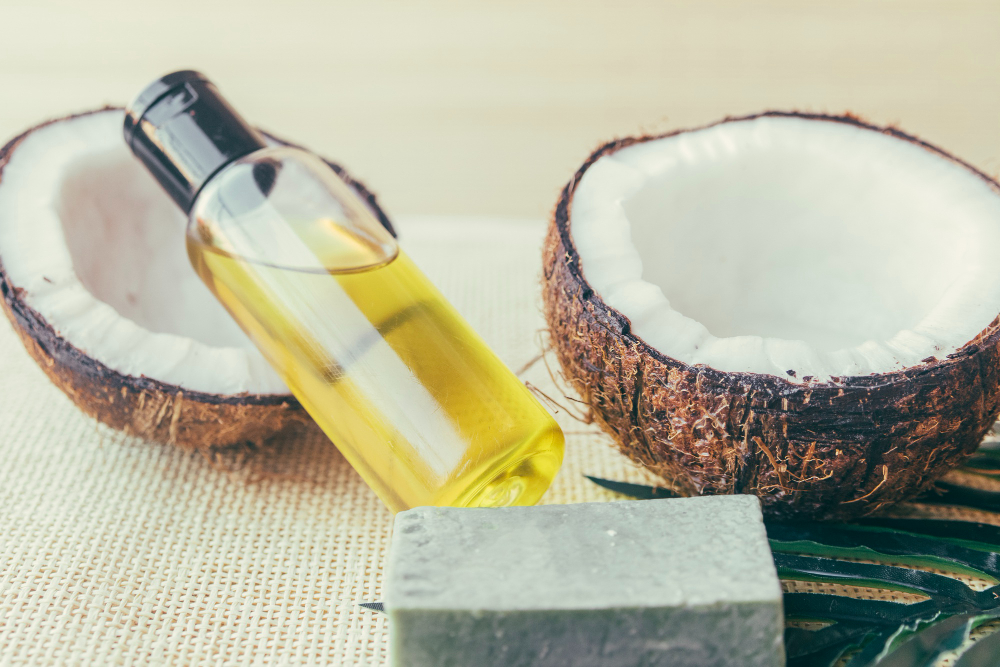
- Argan & Coconut: Deeply moisturizing for dry or curly hair.
While here, check out 👇
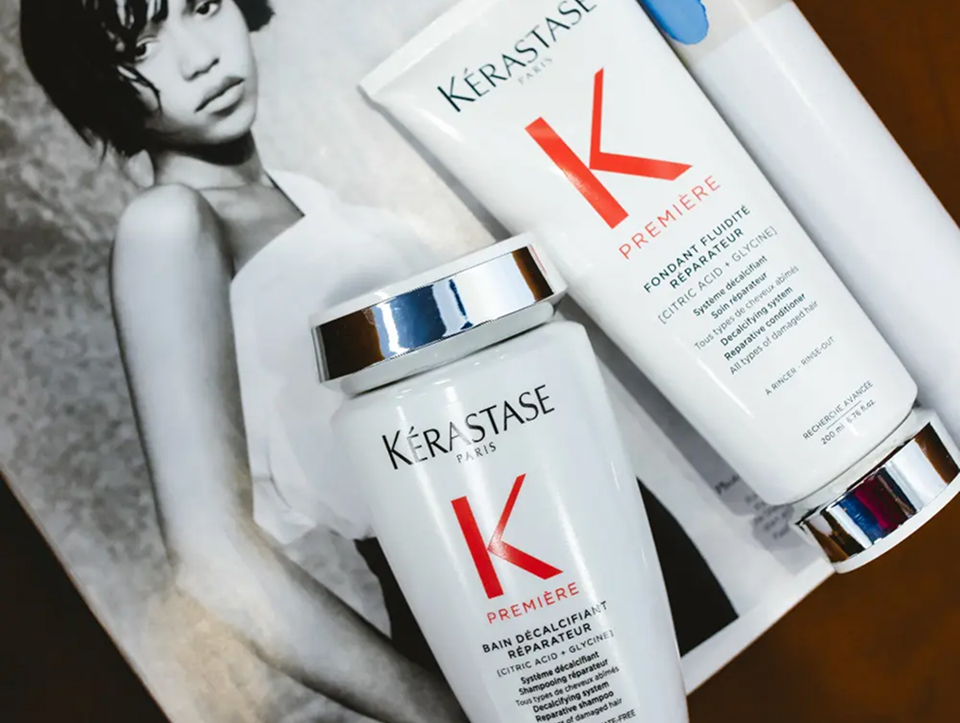
🔗 Pre-Shampoo Treatment 🔗 Kerastase Detox Collection
How to Oil Your Scalp

1. Choose the Right Oil
Pick an oil based on your scalp condition:
- Dry/Curly Hair: Coconut or argan oil
- Protective Styles: Peppermint or tea tree oil
- Growth Goals: Rosemary or castor oil
👉 Related Read: Hair Serum vs Hair Oil – What’s the Difference?
2. Apply & Massage

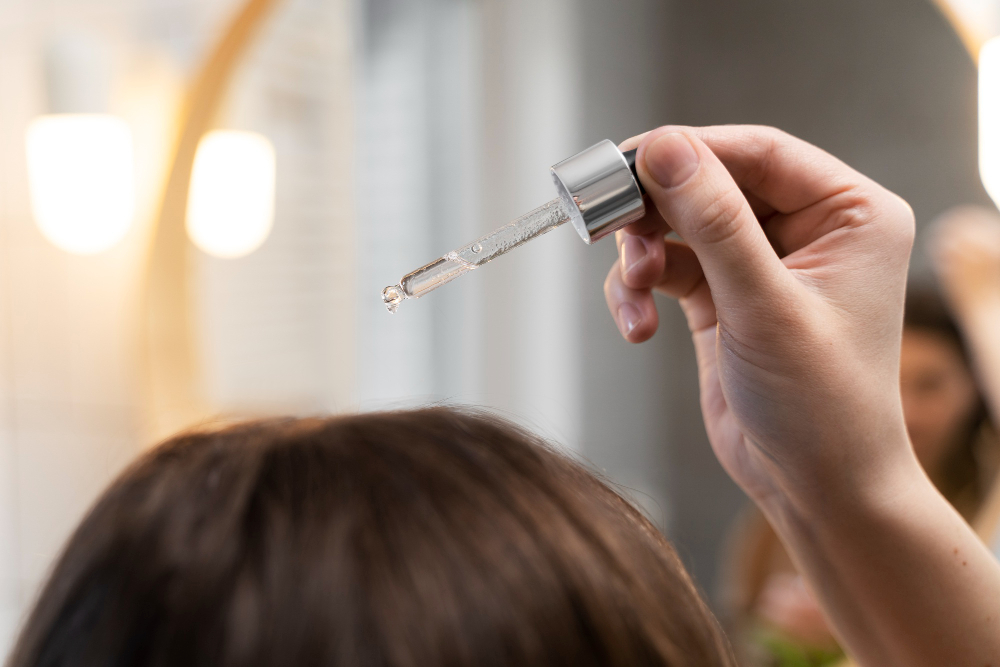
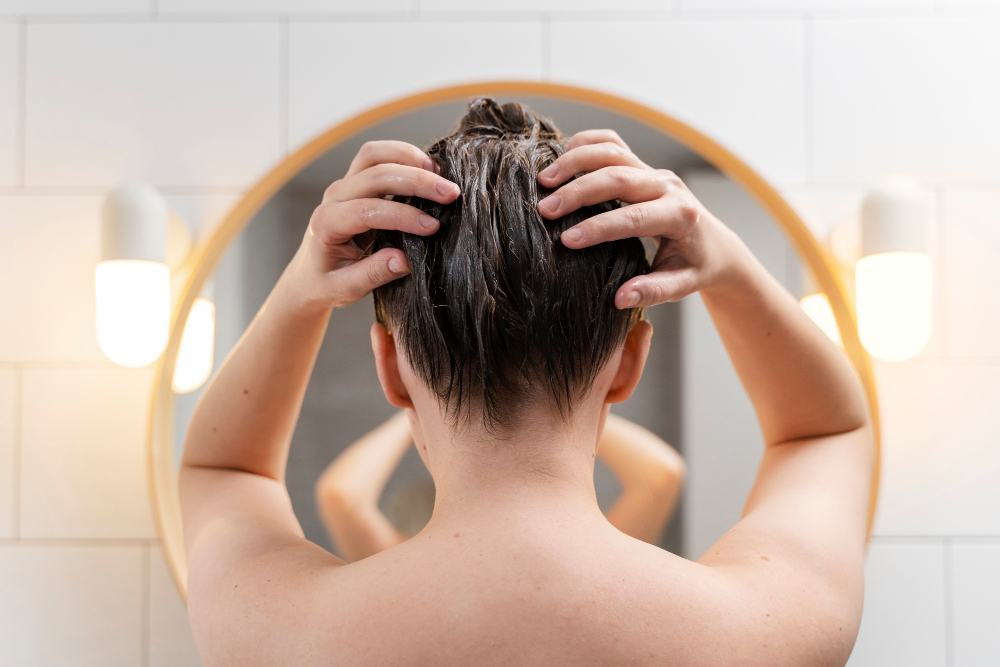
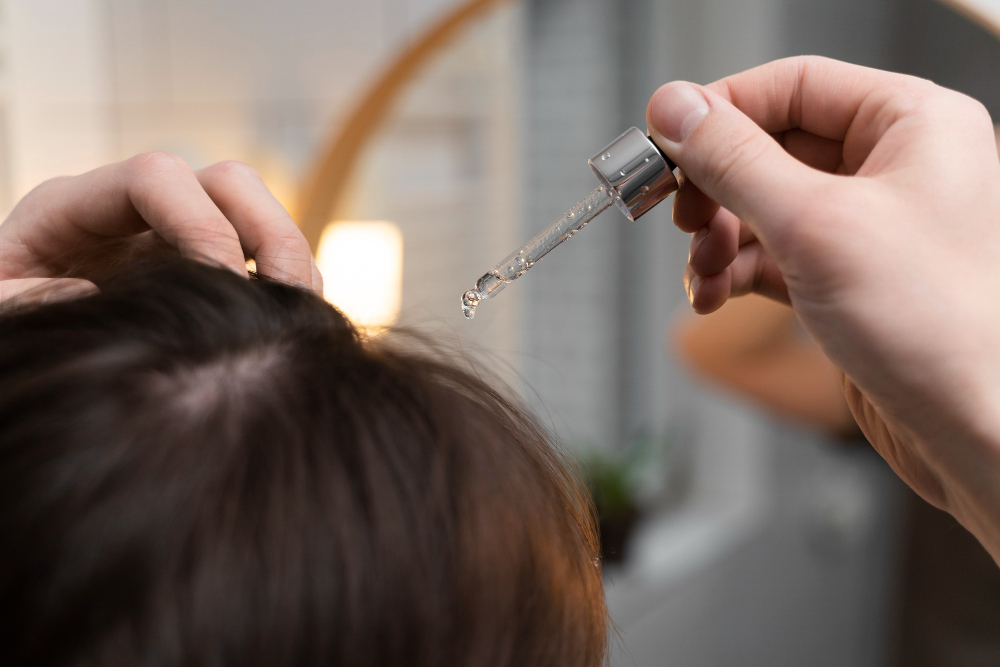
Use a dropper or fingertips to apply oil in sections (part, nape, hairline). Spend 5+ minutes gently massaging with circular motions. It stimulates circulation and helps loosen debris.
3. Let It Sit
Let the oil sit for 30 minutes to 1 hour. For extra hydration, leave overnight with a silk bonnet.
4. Wash Gently
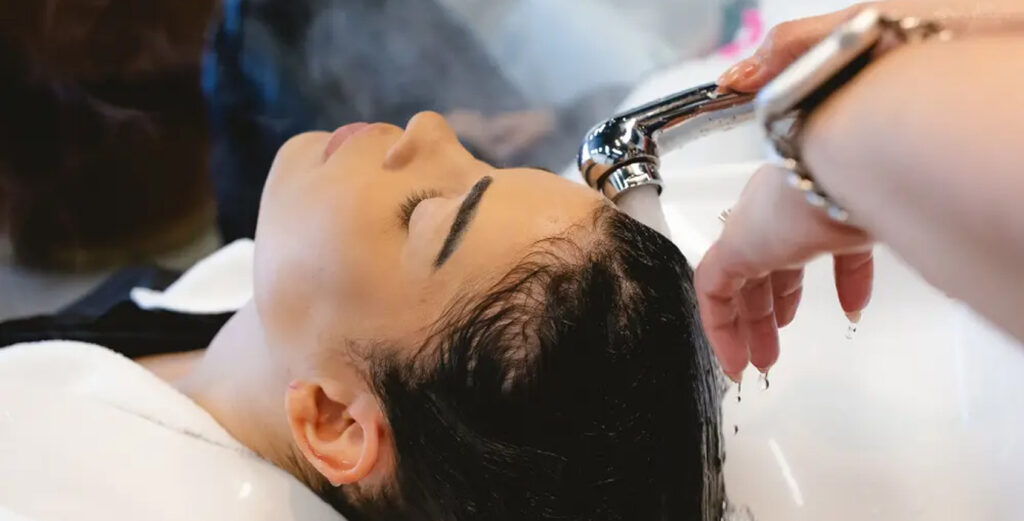
Rinse with warm water and shampoo. You may need a second wash if buildup remains.
Scalp Oil Treatment Frequency by Hair Type
Here’s how often you should oil your scalp based on common concerns:
- Normal/Healthy Scalp: 1x per week
- Dry or Textured Hair: 2-3x per week
- Oily Hair: Once every 10 days or less
- Protective Styles: Light daily oiling at roots
- Dandruff or Dermatitis: Use medicated oils at night only
Side Effects to Watch For
Allergic Reactions: Test oils on a patch before full use.
Buildup: Avoid overuse. Apply pre-shampoo and rinse thoroughly.
Dandruff: Avoid heavy oils if you are prone to it. Instead, use detox or exfoliating options.
👉 Do you know when to use a scalp serum or hair oil? Learn everything about them here.
DIY vs Salon Scalp Oil Treatments
At-Home Scalp Oiling
- Affordable
- Customizable
- Convenient
Professional Scalp Treatments
- Use premium ingredients
- Scalp analysis by professionals
- Combine with exfoliating or detox therapies
While here, check out 👇
Compare the benefits of a salon hot oil treatment with those of an at-home hot oil treatment.
Want a tailored experience? 📍 Book a Scalp Spa at Haste
Treat Your Scalp With Care
Scalp oiling is more than a hair trend; it’s a nourishing ritual. When done correctly, it can:
- Calm irritation
- Lock in moisture
- Promote long-term scalp and hair health
Just remember: balance is key. Don’t overdo it, and always listen to your scalp. Need help?
Our stylists at Haste can provide personalized advice and recommend the best scalp-oil routine for your hair type.
FAQ
Can I oil my scalp every day?
Oiling your scalp daily can benefit you if you have a dehydrated scalp, are experiencing dandruff, or want to keep your scalp hydrated. However, it is not recommended for those with a very oily scalp.
How often should you oil your scalp with brades?
Oil can be applied to the roots of braids every night, while others may only need to do it every other week.
Will oiling my scalp help make my hair grow?
Oiling the scalp can promote hair growth when using minoxidil oil.
How long must you leave the oil on your scalp?
You can leave the oil on your scalp for up to an hour or sleep with it before shampooing it in the morning.