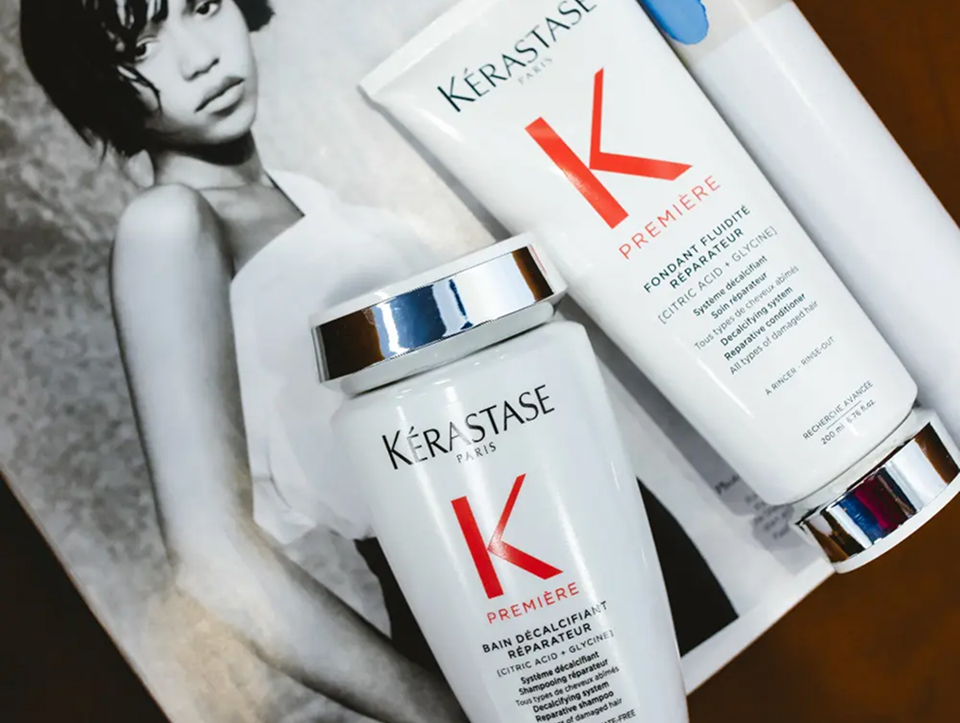
You may have noticed your hair feeling dry, brittle, or frizzy even after using all the right products. The culprit? Hard water hair damage.
Hard water, which contains high levels of minerals like calcium and magnesium, can silently wreak havoc on your strands, leaving hair dull, tangled, and prone to breakage.
The good news? With the right knowledge and care, hard water damage is preventable and reversible.
In our guide, we help you to determine the signs, causes, and most effective solutions to restore your hair’s health and shine.
What is Hard Water Hair Damage?
Hard water hair damage occurs when minerals from water build up on the hair shaft and scalp.
These minerals form a layer that can block moisture absorption, weaken hair cuticles, and interfere with product effectiveness.
Over time, hair becomes dry, stiff, and more prone to breakage.
🌿 Salon Tip: Hair doesn’t just need protein or moisture; it needs balance. Hard water disrupts this balance by leaving a mineral coating that prevents proper hydration.
Common Signs of Hard Water Hair Damage
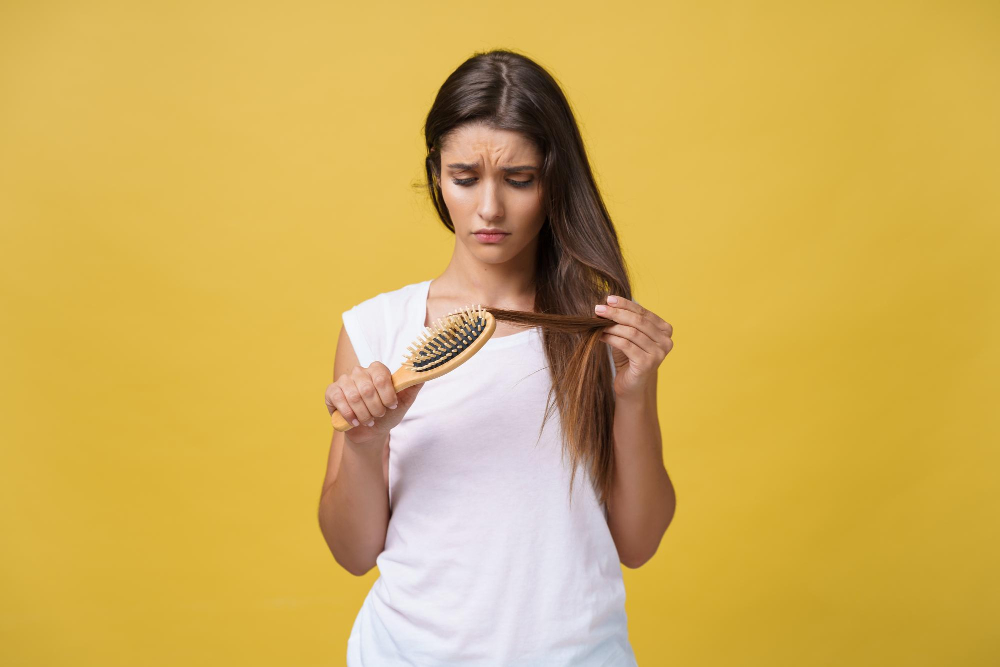
How do you know if hard water is affecting your hair? Look for these warning signs:
- Dry, rough, or brittle hair that feels straw-like.
- Frizz and tangling even after conditioning
- Lack of shine, making hair look dull and lifeless
- Difficulty lathering shampoo or conditioner
- Increased breakage and split ends
- Hair feels heavy or coated, even after washing
- Fading color or brassy tones on treated hair
- Itchy, flaky scalp resembling dandruff
🌿 Tip: Perform a gentle stretch test on a wet strand. If it snaps instead of stretching, hard water may be contributing to breakage.
Hard Water vs Other Types of Hair Damage
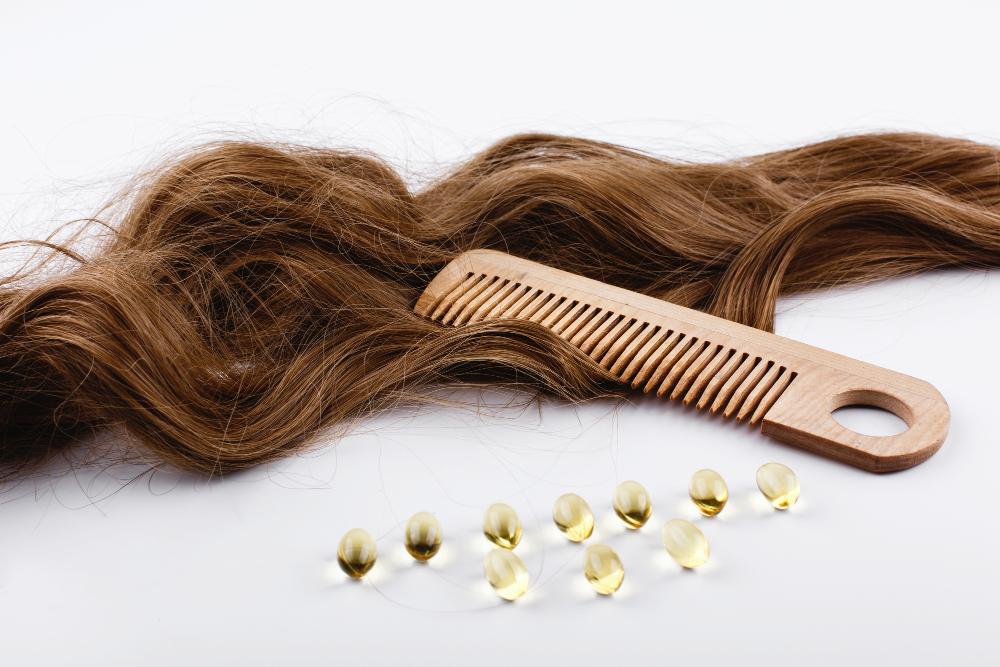
It’s important to distinguish hard-water hair damage from other common causes, such as heat, chemical treatments, or product buildup.
Hard water damage is mineral-based, which means it stiffens the hair shaft and blocks moisture.
Unlike protein and moisture imbalances, hard water typically doesn’t affect hair follicles; it’s mostly responsible for surface-level damage, breakage, and dullness.
🌿 Learn more about what happens to your hair with a protein overload
How Hard Water Actually Damages Your Hair
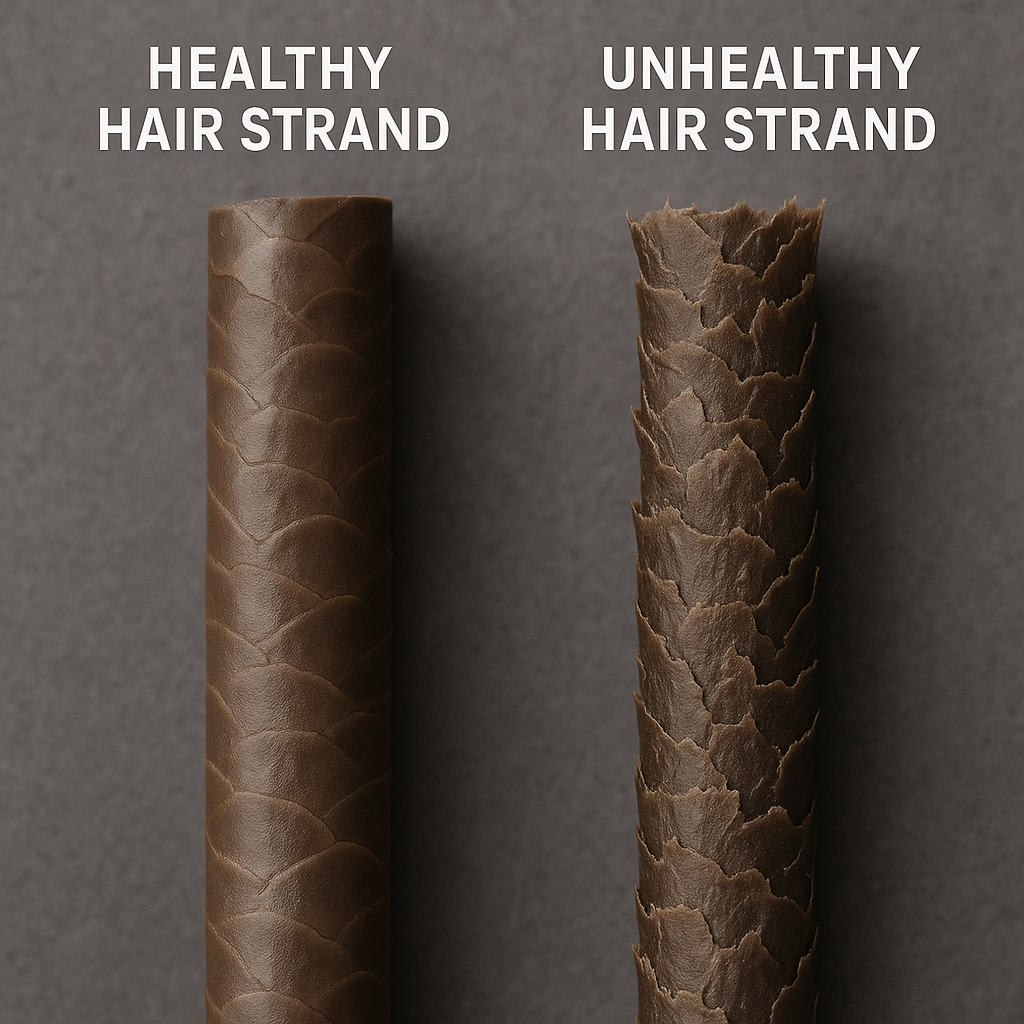
The science behind hard water hair damage is straightforward but often overlooked:
- Mineral buildup coats hair strands, blocking moisture absorption.
- Raised cuticles lead to frizz, breakage, and dullness.
- High alkalinity can interfere with conditioner absorption, making your hair feel straw-like.
- Hard water reacts with shampoo and styling products, creating soap scum that leaves your hair coated and lifeless.
💡 Salon Insight: Even soft, healthy hair can be negatively affected over time by consistent hard water exposure.
How to Test If Your Water is Hard
You don’t need a lab to check if hard water is the cause of your hair issues:
- Check for visual signs at home, such as chalky residue on faucets and bathroom tiles.
- Perform a DIY bottle test by shaking a bottle containing water and a few drops of liquid soap. If you notice persistent bubbles, it indicates soft water, while cloudy water indicates hardness.
- Alternatively, you can invest in online water hardness kits for accurate measurement.
Professional Solutions to Repair Hard Water Hair Damage
Here’s how to restore your hair to its soft, healthy state:
1. Clarifying & Chelating Shampoos
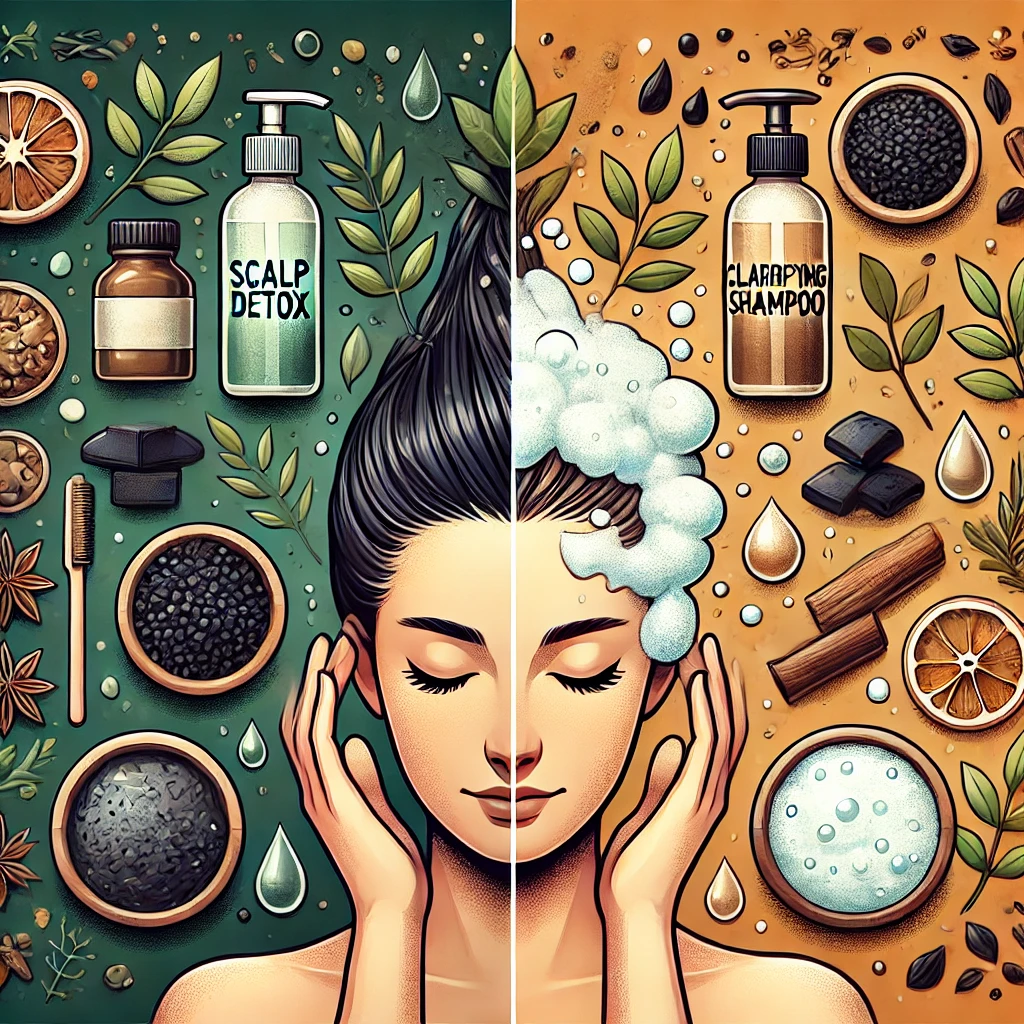
These shampoos contain agents like EDTA or citric acid that bind minerals and remove buildup. Use once a week to detox your hair without over-drying.
2. Shower Filters & Softeners
Installing a shower filter or using a whole-house water softener reduces mineral exposure and prevents ongoing damage.
3. Deep Moisture Treatments

Use hydrating masks and conditioners regularly to replenish moisture lost to hard water. Look for products labeled pH-balancing to help reseal cuticles.
4. Rinse Techniques
Rinsing hair with apple cider vinegar or citrus-infused water helps remove residual minerals and restore shine.
5. Scalp Care
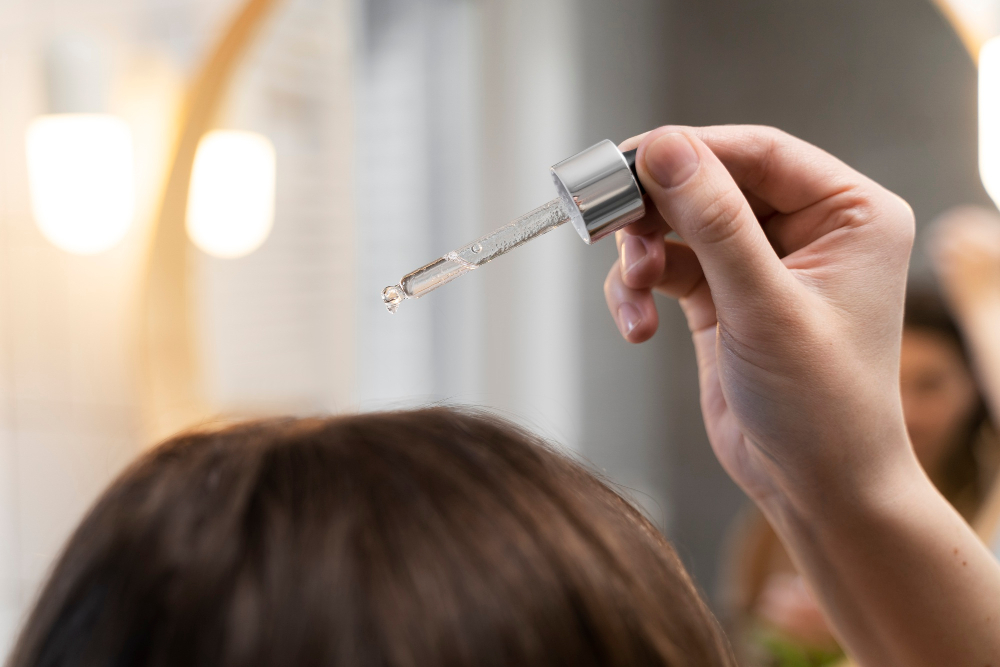
Exfoliate and hydrate your scalp to prevent itchiness, flaking, and buildup that hard water can exacerbate.
🌿 Tip: Avoid excessive heat and styling during recovery, as hair is more fragile when mineral buildup is removed.
Daily Hair Care Tips to Prevent Hard Water Hair Damage
- Rinse hair with cooler water to close cuticles
- Avoid over-clarifying; balance is key
- Rotate between protein and moisture products
- Protective styles on wash days reduce exposure
- Consult a stylist for a personalized hair care routine
Special Considerations for Color-Treated Hair
Color-treated hair is very vulnerable:
- Hard water can accelerate fading and brassiness
- Use salon-safe chelating shampoos and deep conditioners
- Professional glossing or toning treatments can help restore color and shine
Tale Action: Protect Your Hair Today
Struggling with hard water hair damage? Let our expert stylists at Haste Urban Hair Spa analyze your hair and recommend personalized treatments and products to resolve hydration, shine, and strength.
📅 Book a consultation today and give your hair the care it deserves, because strong, healthy hair starts with prevention and balance.
FAQ
What exactly is hard water?
Hard water contains high levels of minerals, such as calcium and magnesium, which can leave a residue on hair and skin.
Can hard water really damage my hair?
Yes, it can cause dryness, dullness, tangling, and breakage over time, especially with frequent exposure.
How can I tell if hard water is causing my hair problems?
Signs include rough texture, frizz, difficulty lathering, color fading, and increased breakage.
Will a shower filter fix hard water hair damage?
Filters reduce mineral exposure and protect hair, though severe damage may still require professional treatments.
What’s the best shampoo for hard water hair?
Look for chelating or clarifying shampoos designed to remove mineral buildup without stripping natural oils.
Can hard water cause hair loss?
Hard water usually does not affect follicles, but it can cause breakage that may look like hair loss.