Healthy hair starts at the scalp, yet scalp congestion is one of the most overlooked causes of poor hair growth, irritation, and stubborn buildup.
When your scalp becomes overloaded with oil, dead skin cells, styling products, and environmental pollutants, it can clog hair follicles and block healthy hair growth.
Many people experience scalp buildup problems without realizing the root cause is congestion around their hair follicles.
Over time, blocked hair follicles may interfere with the hair growth cycle and even contribute to follicle blockage hair loss if left untreated.
The tricky part? The signs often appear gradually. What seems like mild itching or greasy roots could signal deeper scalp congestion.
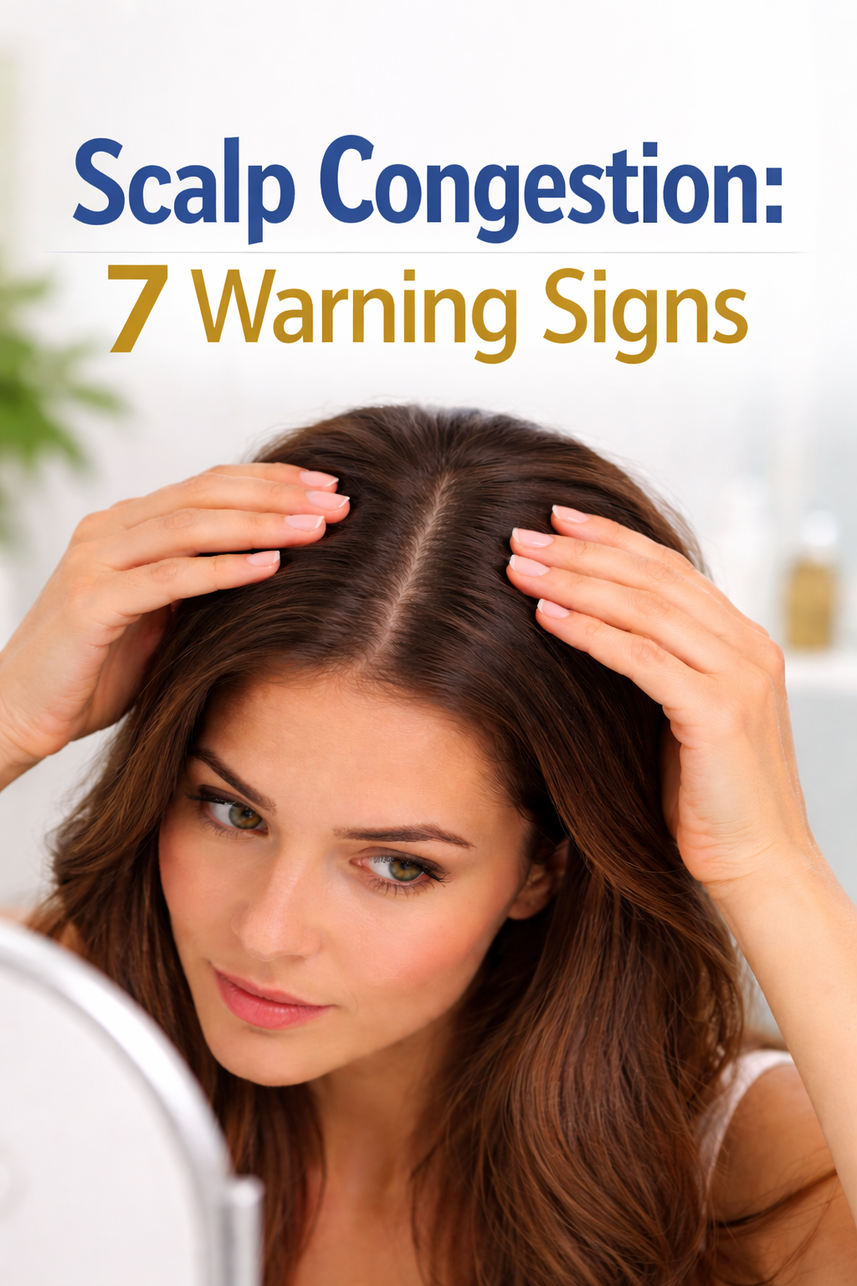
Below are 7 common signs your scalp may be congested, and your hair follicles may be clogged, plus what these symptoms mean for your scalp health.
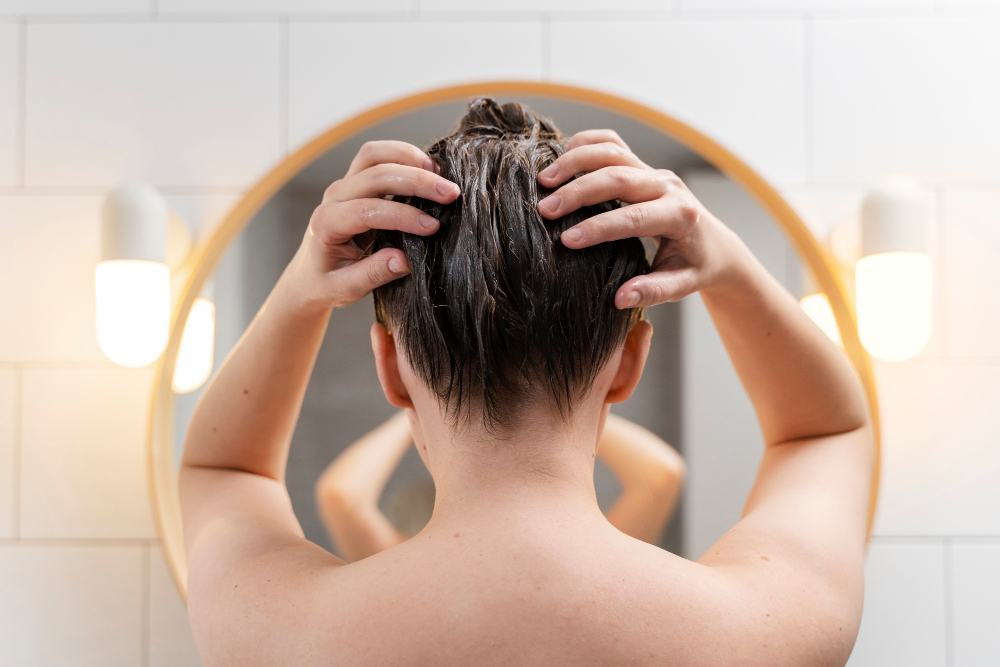
7 Scalp Congestion Signs
1️⃣ Persistent Itchy Scalp
An itchy scalp that doesn’t improve after washing may be an early sign of scalp buildup.
When oil, product residue, and dead skin accumulate around follicles, they can irritate the scalp surface. The irritation often causes itching as your scalp tries to rebalance itself.
Signs include:
- Itching shortly after washing
- Concentration around the crown or hairline
- Temporary relief when scratching
- Small flakes appear when scratching
🧴 Tip: Scratching excessively can further inflame follicles and worsen blocked hair follicles.
👉 Find out what the different scalp conditions are to take action immediately.

2️⃣ Greasy Roots Soon After Washing
If your hair becomes oily just hours after washing, clogged hair follicles on the scalp may be interfering with oil distribution.
Normally, sebum travels down the hair shaft to moisturize hair naturally. But when follicles are congested, oil may remain trapped at the scalp instead.
Common signs include:
- Flat roots shortly after washing
- Heavy or greasy scalp feeling
- Hair separating into oily sections
⚠️ Many people respond by washing their hair more frequently, which can sometimes trigger even more oil production.
3️⃣ Flakes That Aren’t Dandruff
One of the most common scalp buildup symptoms is flakes caused by product accumulation rather than dandruff.
Unlike dandruff flakes, buildup flakes usually:
- Stick to the hair shaft
- Look waxy or slightly yellow
- Feel oily when touched
- Reappear quickly after washing
These flakes form when styling products mix with natural oils and dead skin cells.
📙 Research suggests product buildup can affect the scalp barrier and follicle health.
🧴 Tip: Clarifying treatments can help remove stubborn buildup layers.
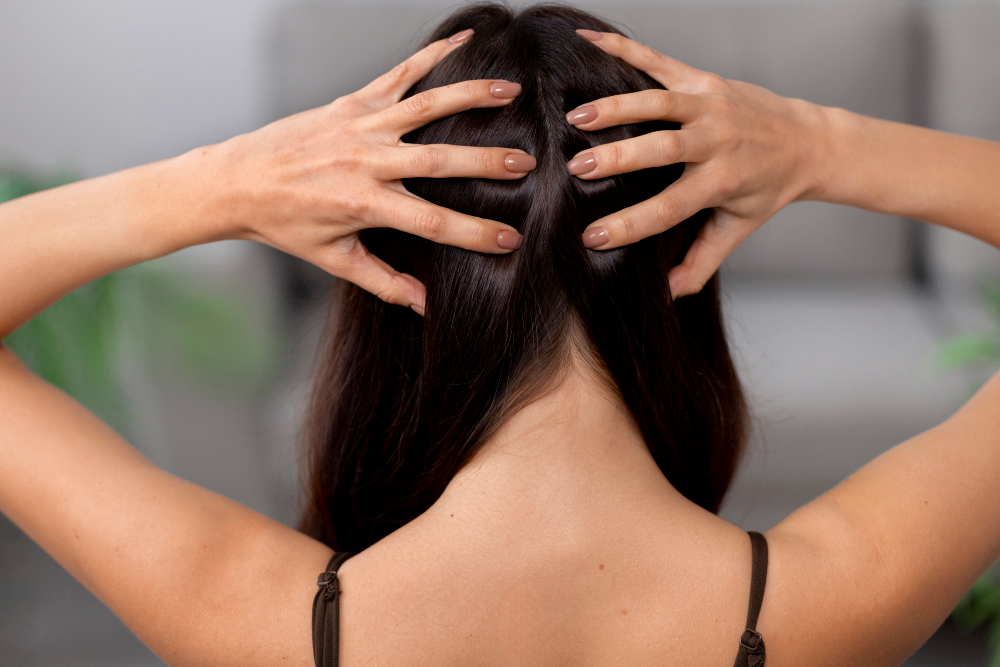
4️⃣ Small Bumps or Pimples on the Scalp
Blocked follicles sometimes appear as small bumps that resemble acne.
These bumps form when oil and bacteria become trapped inside a follicle. The resulting inflammation can create redness or tenderness.
Signs of scalp congestion caused by blocked hair follicles include:
- Small red bumps on the scalp
- Pimples along the hairline
- Tender areas when brushing
- Occasional scalp breakouts
⚠️ Persistent bumps may indicate deeper follicle irritation and should be assessed by a scalp professional.
5️⃣ Hair Feels Heavy or Lifeless
A congested scalp can affect how your hair behaves. When buildup accumulates around follicles and along the hair shaft, hair may feel coated or weighed down.
Common scalp congestion symptoms include:
- Hair lacking volume
- Flat roots
- A waxy or coated feeling
- Difficulty styling
The best approach is to have a scalp detox. Exfoliating the scalp helps maintain follicle health and removes excess buildup.
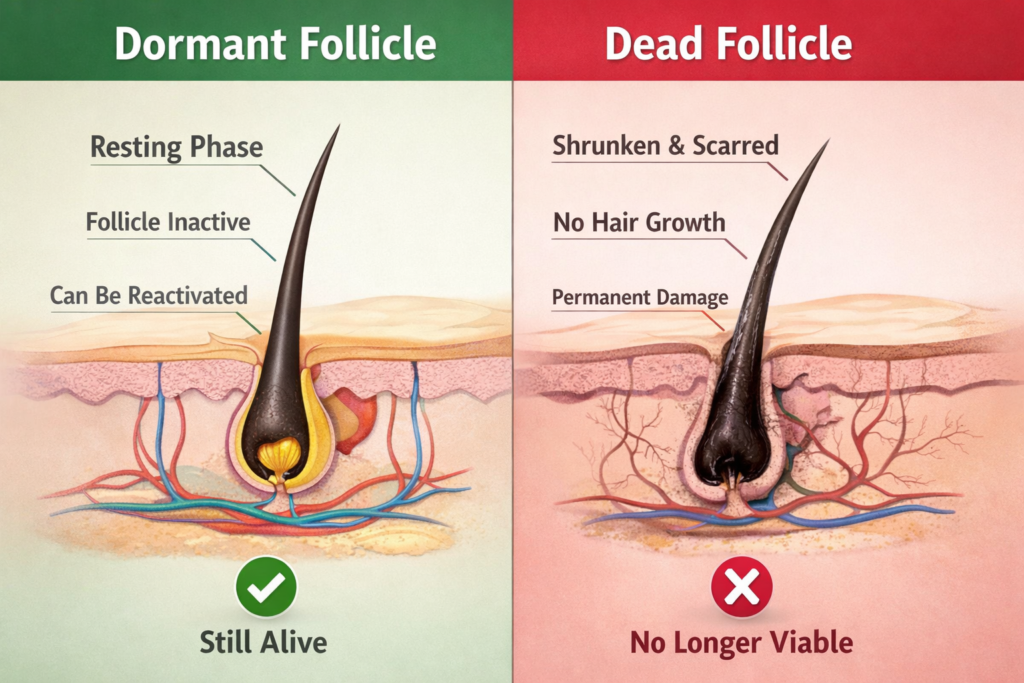
6️⃣ Increased Hair Shedding
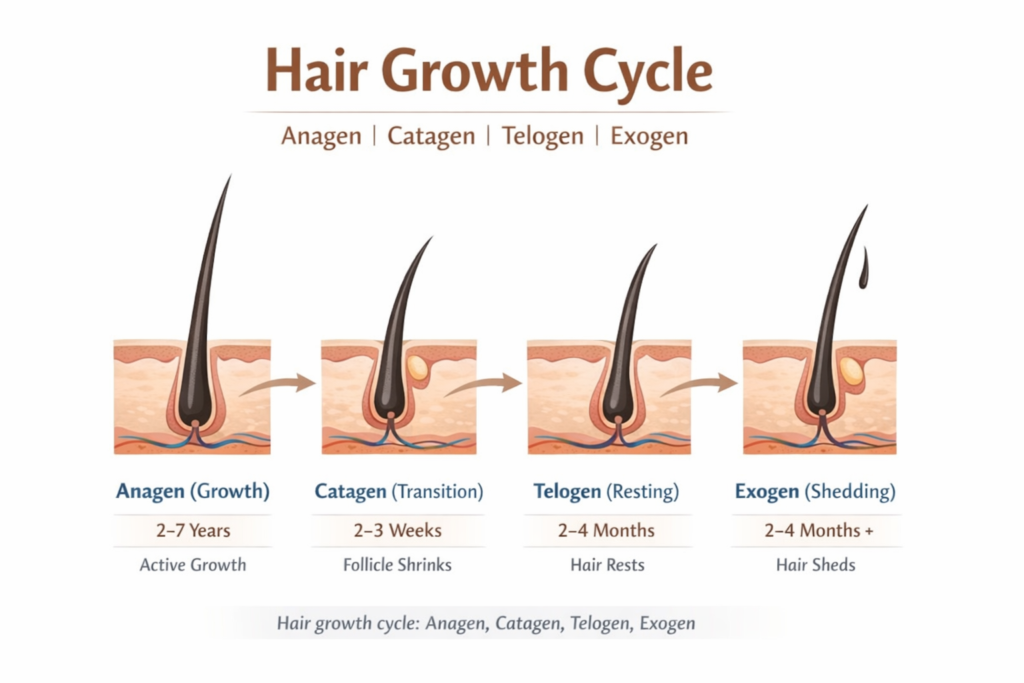
One concerning symptom of scalp congestion is increased hair shedding. While shedding can occur for many reasons, chronic buildup around follicles may interfere with the natural hair growth cycle.
Such an environment can weaken hair anchoring and contribute to follicle blockage and hair loss over time.
You may notice:
- More hair strands in the shower
- Increased shedding while brushing
- Hair accumulating on pillows
📙 The American Academy of Dermatology emphasizes the importance of maintaining a clean scalp environment to support hair growth.
⚠️ Shedding doesn’t always mean permanent hair loss, but addressing buildup early can help maintain healthier follicles.
7️⃣ Hair Products Suddenly Stop Working
If your favorite hair products suddenly seem ineffective, scalp congestion could be the hidden reason.
Layers of buildup can create a barrier that prevents hair products, treatments, and serums from penetrating the scalp and hair.
Signs include:
- Conditoner sitting on the hair surface
- Hair masks failing to hydrate
- Styling products are losing hold
These are strong indications that clogged hair follicles on the scalp and product residue may be interfering with the hair care results.
🧴 Tip: Periodic scalp detox treatments can help restore balance and improve product performance.
What is Scalp Congestion?
Scalp congestion occurs when hair follicles become blocked by excess sebum (natural oils), dead skin cells, styling products, and environmental debris.
Over time, these substances accumulated around the follicle opening, creating a buildup. Think of it like pores on your face. When pores clog, skin breakouts occur. Your scalp works in a very similar way.
Common contributors to clogged hair follicles on the scalp include:
- Excess sebum production
- Styling product buildup
- Dry shampoo residue
- Dead skin cells
- Sweat and environmental pollutants
- Hard water minerals
When this buildup surrounds follicles, the scalp environment can change in ways that affect hair growth. Oxygen flow may decrease, inflammation may develop, and follicles can struggle to maintain a normal growth cycle.
⚠️ The challenge is that scalp congestion often mimics other scalp conditions like dandruff or dryness.
Can Scalp Congestion Lead to Hair Loss?
Prolonged buildup may reduce oxygen flow, trigger inflammation, and disrupt the hair growth cycle, potentially contributing to hair loss from follicle blockage. Early intervention restores a healthier scalp environment.
👉 Learn how to unclog clogged hair follicles

When to Consider a Scalp Detox
A scalp detox removes buildup and restores balance. Consider it if you notice:
- Persistent oily roots
- Reappearing flakes
- Itchy or irritated scalp
- Heavy, lifeless hair
Professional treatments often include:
- Deep cleansing
- Scalp exfoliation
- Detox masks
- Follicle stimulation
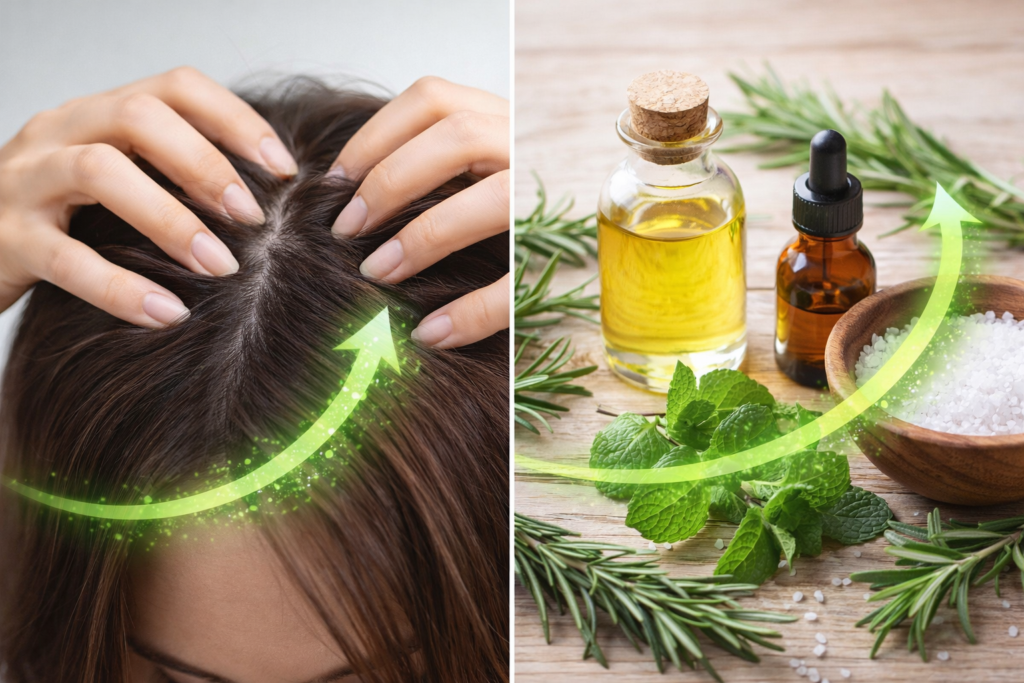
👉 Alternatively, you can take the natural hair follicle stimulation approach
Restore Your Scalp Health With Expert Care
Healthy hair starts with a healthy scalp. Recognizing clogged hair follicles on the scalp early, such as greasy roots, flakes, bumps, or ineffective products, helps prevent scalp congestion.
At Haste Urban Hair Spa, our scalp treatments detox, cleanse, and rejuvenate your scalp environment. Restore your follicles and give your hair the healthy foundation it deserves.
📍 Book your consultation today and reset your scalp for healthier, stronger hair.
FAQ
What is scalp congestion?
Scalp congestion is a buildup of oil, dead skin, and product residue around hair follicles, which can block hair follicles and cause scalp irritation.
What clogs hair follicles?
Excess sebum, styling products, dry shampoo, dead skin, and environmental pollutants clog hair follicles.
Can scalp congestion cause hair loss?
Yes, scalp congestion can cause hair loss over time due to long-term buildup, as it disrupts growth cycles and contributes to follicle blockage.
How do I know if my scalp has buildup?
You will know you have a scalp buildup when your scalp itches, you’ve greasy roots, flakes, bumps, heavy hair, and products lose effectiveness when used.
How often should you detox your scalp?
You can do a scalp detox every few weeks, depending on your scalp type, hair routine, and product use.